
DSLR cameras are better for many photographers because they offer clear optical viewing, strong battery life, fast control, and wide lens choice.
If you are asking why are dslr cameras better, the answer depends on how you shoot. DSLR cameras remain popular because they combine reliable image quality, physical controls, durable bodies, and excellent value. They may not be the newest camera type, but they still perform like trusted tools rather than short-lived gadgets.
What Is a DSLR Camera?
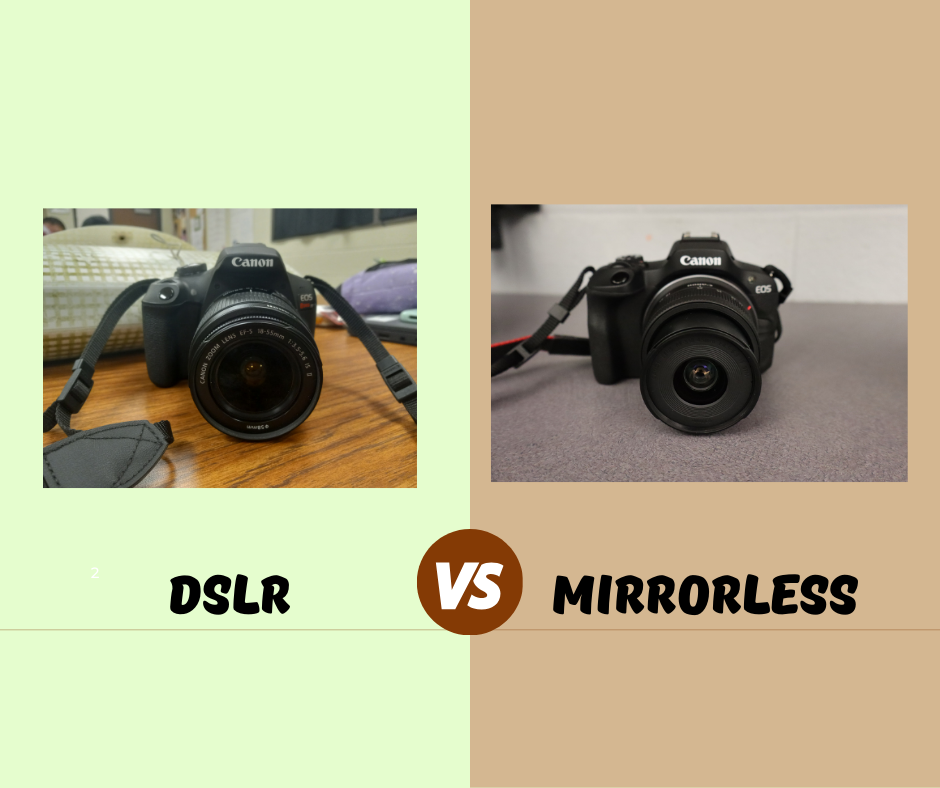
A DSLR, or digital single-lens reflex camera, uses a mirror and prism system to show you the scene through the lens. Light enters the lens, reflects off a mirror, and reaches the optical viewfinder. When you press the shutter button, the mirror moves up so the image sensor can record the photo.
This design is different from a mirrorless camera, which has no mirror. A mirrorless model uses an electronic viewfinder or screen to show a digital preview. Both systems can produce excellent photos, but their designs create different strengths.
Understanding this design helps explain why are dslr cameras better for some users. A DSLR gives you a direct optical view instead of showing a small electronic video feed. That can feel more natural, especially in bright outdoor light.
Why Are DSLR Cameras Better for Image Quality?
DSLR cameras can produce excellent image quality because they often use large sensors, high-quality lenses, and strong image processors. Many entry-level and professional DSLRs use APS-C or full-frame sensors. These sensors can capture more light than the smaller sensors found in many phones and basic compact cameras.
More light can mean:
• Cleaner photos in low light
• Better detail in shadows
• Softer background blur
• More natural color
• Greater flexibility when editing
The camera body matters, but the lens matters just as much. A DSLR with a sharp prime lens can create clearer and more pleasing images than a basic kit lens. For example, a 50mm f/1.8 lens can produce bright portraits with a soft background at a low price.
RAW photo support is another major benefit. RAW files keep more image data than JPEG files. This gives you more room to correct exposure, recover highlights, and adjust white balance during editing.
Still, a DSLR does not guarantee better photos. Good lighting, focus, composition, and timing matter more than the camera label. A skilled photographer with an older DSLR can often create a stronger image than a new user with an expensive camera.

An Optical Viewfinder Shows the Real Scene
One of the clearest answers to why are dslr cameras better is the optical viewfinder. You see the subject through the lens in real time. There is no digital screen between your eye and the scene.
This matters in several situations:
• Bright sunlight can make a rear screen hard to see.
• Fast action is easier to follow without electronic display lag.
• The viewfinder uses little battery power.
• Natural light and color are easy to judge with your own eyes.
An optical viewfinder is like looking through a clean window. An electronic viewfinder is more like watching a live video. Modern electronic viewfinders can be very good, but they still use power and may show lag, noise, or a lower-quality preview in some conditions.
The optical viewfinder also helps photographers stay focused. Instead of checking menus or watching a screen, you can keep the camera close to your face and follow the subject. This simple connection is one reason many sports, wildlife, and wedding photographers still enjoy DSLRs.

DSLR Cameras Offer Long Battery Life
Battery life is another key reason why are dslr cameras better for travel, events, and outdoor work. The optical viewfinder does not need to power a screen all the time. As a result, many DSLRs can capture hundreds or even more than 1,000 photos on one battery, depending on the model and shooting conditions.
Mirrorless cameras have improved a lot in this area. However, their electronic viewfinders and rear screens usually consume more power. Heavy use of autofocus, video, Wi-Fi, and image stabilization can reduce battery life further.
Long battery life is useful when:
• You are hiking far from a power outlet.
• You are photographing a full wedding day.
• You are covering a sports event.
• You are traveling with limited charging gear.
• You are taking photos in cold weather.
A practical tip is to carry one spare battery even with a DSLR. Batteries can lose power faster in cold conditions, and live view can use more energy than the optical viewfinder. A spare battery is small insurance against missing an important moment.
DSLR Cameras Have Fast, Physical Controls
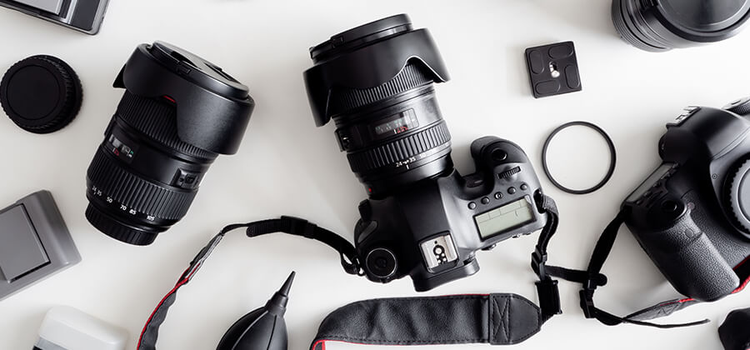
Many photographers ask why are dslr cameras better when comparing control and handling. The answer often comes down to buttons, dials, and balance.
A DSLR usually gives you direct access to settings such as:
• Shutter speed
• Aperture
• ISO
• Exposure compensation
• Autofocus mode
• Drive mode
Changing these settings with physical controls is often faster than opening a digital menu. You can make adjustments while keeping your eye on the subject. This is helpful when the light changes quickly.
The larger body can also feel more stable. A DSLR often has a deep grip and enough space for your fingers. Large lenses may balance better on a DSLR than on a very small camera body.
That said, a large camera can feel heavy. If you often walk, cycle, or travel with one small bag, a compact mirrorless camera may be easier to carry. The best camera is the one you will actually bring with you.
DSLR Autofocus Is Strong for Many Types of Photography
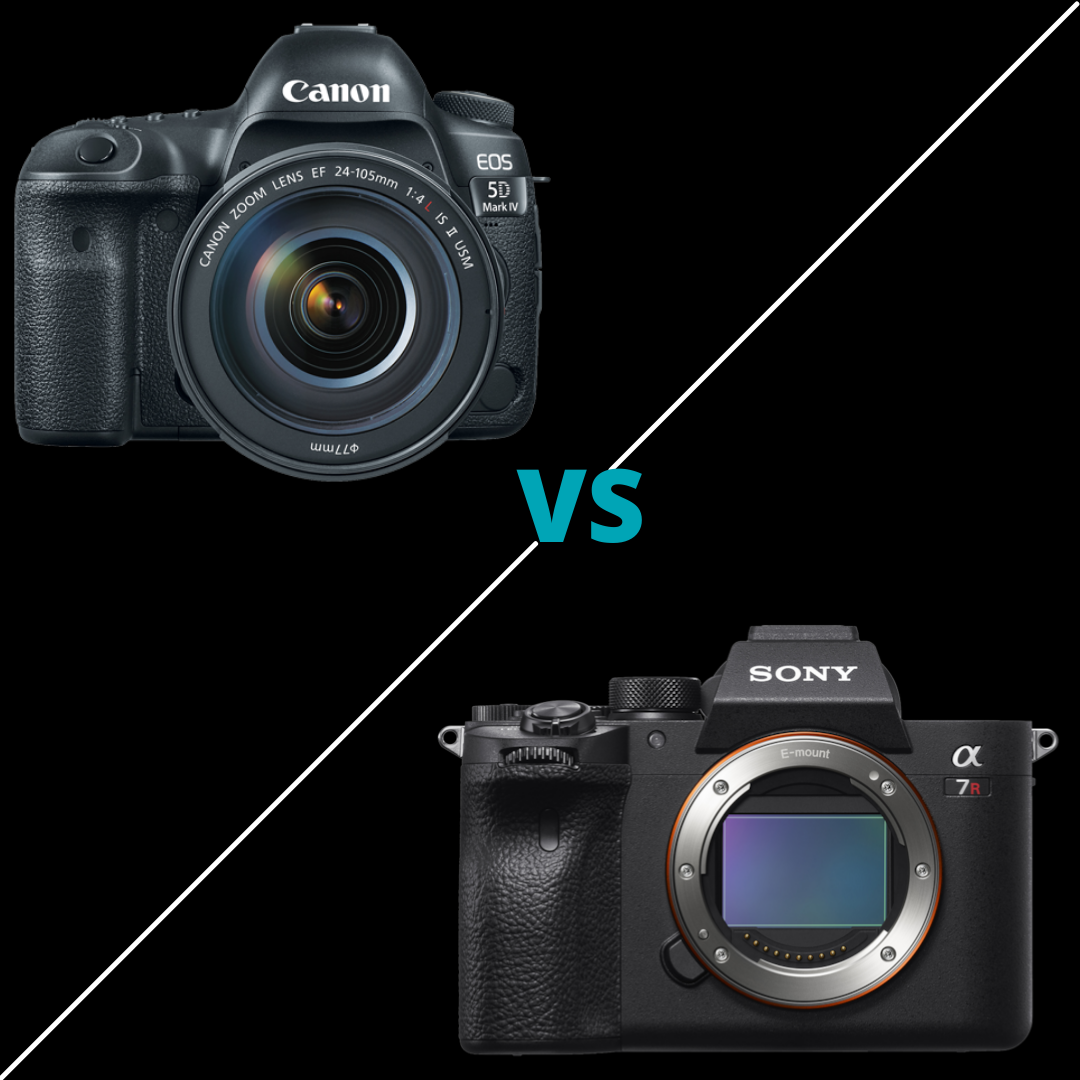
DSLR autofocus systems have improved over many years. Phase-detection autofocus can lock onto moving subjects quickly, especially through the optical viewfinder. Professional DSLRs are widely respected for sports, wildlife, news, and action photography.
A DSLR may be a strong choice for:
• Birds in flight
• Outdoor sports
• Moving children
• Motorsports
• Concerts
• Street scenes
Some newer mirrorless cameras now offer better subject tracking, eye detection, and animal recognition. This is an important limitation. It would be inaccurate to say that every DSLR focuses better than every mirrorless camera.
The real question is why are dslr cameras better for your subject and experience level. If you mainly use the viewfinder, need dependable center-point autofocus, and prefer traditional controls, a DSLR may serve you very well.

DSLR Lens Choices Are Broad and Affordable
A camera system is more than a body. It includes lenses, flashes, batteries, bags, and other accessories. DSLR systems have been available for decades, so photographers can choose from a huge selection of new and used lenses.
You can find lenses for:
• Wide landscapes
• Close-up macro photos
• Portraits
• Wildlife
• Sports
• Architecture
• Low-light scenes
Popular DSLR mounts also have large used markets. This can make it easier to build a capable kit without spending thousands of dollars. A used 50mm lens, for example, can be an affordable way to improve portrait photography.
Before buying used equipment, inspect the lens for scratches, haze, fungus, loose rings, and damaged electronic contacts. Test autofocus and take sample photos. A low price is helpful only if the lens works properly.
This wide lens selection is a major part of why are dslr cameras better for beginners who want to grow. You can start with a basic kit lens and add one useful lens at a time.
DSLR Cameras Are Durable and Comfortable
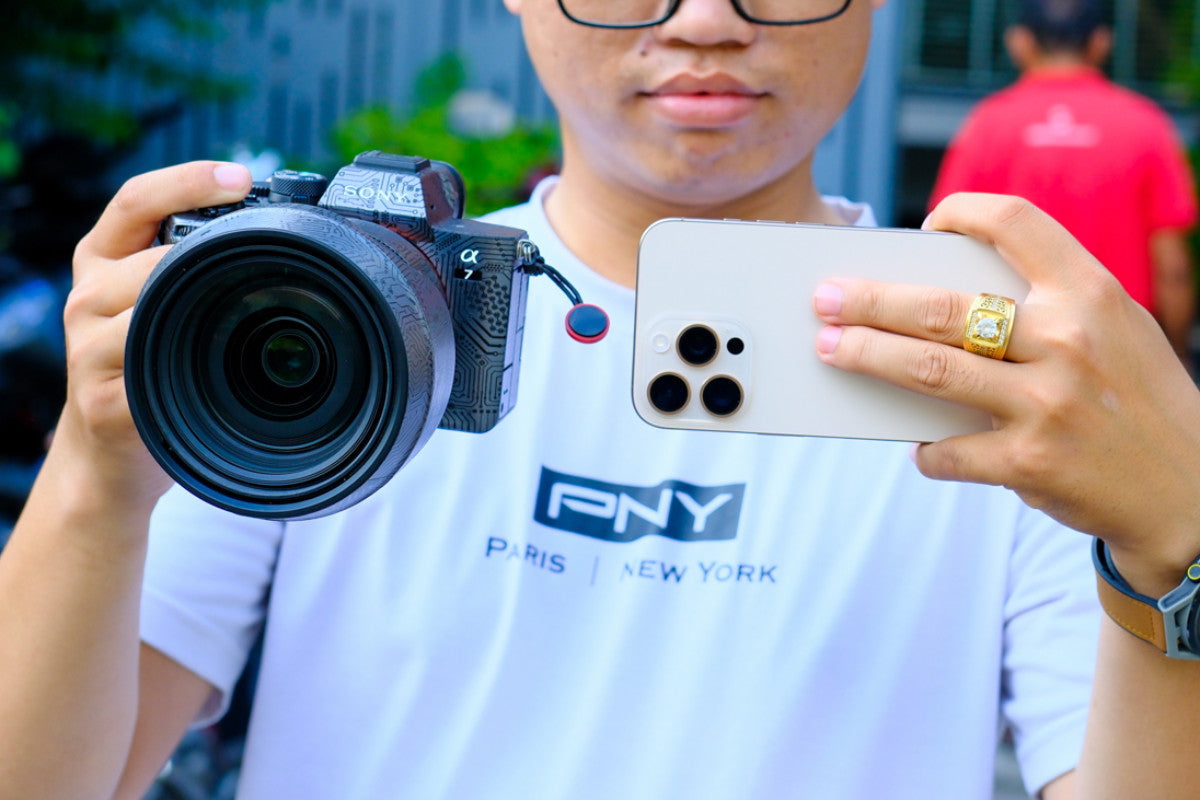
Many DSLRs are built for years of regular use. Midrange and professional bodies may include weather sealing, strong shutter mechanisms, and solid metal frames. Entry-level cameras often use more plastic, but they can still be durable when handled with care.
A comfortable grip can reduce hand strain during long sessions. The weight can also help steady the camera. This does not mean heavier is always better. A camera that causes shoulder or wrist pain may prevent you from using it often.
Look for these features when choosing a DSLR:
• A comfortable grip
• Clear buttons and dials
• A viewfinder that fits your eye
• A screen that is easy to read
• A lens mount with good system support
• Weather protection if you shoot outdoors
In real-world use, careless storage causes more damage than normal photography. Keep the camera in a padded bag, use a dry place for storage, and avoid changing lenses in rain or blowing dust.

DSLR Cameras Can Cost Less Than Newer Alternatives
Price is another practical answer to why are dslr cameras better. Because many photographers have moved to mirrorless systems, used DSLR bodies and lenses can offer strong value.
A budget DSLR kit may include:
• The camera body
• An 18–55mm kit lens
• A battery and charger
• A memory card
• A basic camera bag
This setup can be enough for family photos, travel, portraits, school events, and learning manual exposure. You can also spend more on a lens instead of paying for the newest body.
However, check the age of the camera before buying. Older models may have weaker video features, lower screen resolution, slower live-view autofocus, or limited wireless support. These issues may not matter if your main goal is still photography.
A useful buying rule is to compare the whole system cost. Include the lens, spare battery, memory card, and future upgrades. The cheapest body is not always the cheapest long-term choice.
DSLR Cameras Are Useful for Learning Photography
DSLRs make exposure concepts easier to understand. You can set the aperture, shutter speed, and ISO yourself. You can then see how each choice changes the final photo.
For example:
-
Use a wide aperture, such as f/2.8, to create a soft background.
-
Use a fast shutter speed, such as 1/1000 second, to freeze action.
-
Raise ISO when the scene is dark.
-
Lower ISO when you have enough light.
-
Review the image and adjust one setting at a time.
This process teaches you how light works. Automatic modes are useful, but manual control helps you make creative decisions instead of accepting whatever the camera chooses.
One mistake many beginners make is changing too many settings at once. Make one change, take another photo, and compare the results. This turns practice into a simple lesson rather than a guessing game.
DSLR Limitations You Should Know
A balanced guide to why are dslr cameras better must also explain their limits. DSLRs are not automatically better in every situation.
Common disadvantages include:
• Larger and heavier bodies
• Fewer new models from some manufacturers
• Slower autofocus in live view on older cameras
• Less advanced eye-detection autofocus
• Weaker video features on many models
• No exposure preview through the optical viewfinder
• A mechanical mirror that adds size and movement
The optical viewfinder shows the real scene, but it does not always show the final exposure. If you change shutter speed or ISO, the view may still look normal. You need to understand the exposure meter and review the photo.
Mirrorless cameras often provide a live exposure preview. They can also offer silent shooting, strong video tools, and advanced subject tracking. For hybrid photo and video creators, a mirrorless model may be the more useful choice.
The goal is not to prove that one camera type wins every contest. The goal is to match the camera to your needs, budget, and shooting habits.
DSLR vs. Mirrorless: Which Should You Choose?
The debate about why are dslr cameras better often misses an important point: DSLR and mirrorless cameras are both capable tools.
Choose a DSLR if you want:
• An optical viewfinder
• Long battery life
• Traditional controls
• A comfortable, sturdy body
• Affordable used lenses
• Strong still-photo performance
Choose a mirrorless camera if you want:
• A smaller travel kit
• Electronic exposure previews
• Advanced eye and subject tracking
• Strong video features
• Silent shooting
• The newest camera technology
Choose based on the type of photography you do. A landscape photographer may value battery life and a bright viewfinder. A wedding photographer may prefer dependable handling and a large lens range. A content creator may benefit more from mirrorless video features.
Try holding both types before buying. Comfort is not a small detail. If the camera feels awkward, you may avoid using it, and unused equipment cannot improve your photography.
Practical Tips for Getting Better DSLR Photos
A good camera helps, but technique creates the final result. These simple habits can improve your photos with almost any DSLR.
-
Learn the exposure triangle. Practice aperture, shutter speed, and ISO until their effects feel familiar.
-
Use the right autofocus mode. Single-shot autofocus works well for still subjects. Continuous autofocus is better for movement.
-
Watch your shutter speed. Camera shake can ruin a sharp photo, especially with a long lens.
-
Shoot in RAW when you plan to edit. Use JPEG when you need quick, ready-to-share files.
-
Clean the lens. A fingerprint or dusty filter can reduce contrast.
-
Check the background. A strong subject can lose impact when a pole, branch, or bright object appears behind it.
-
Review photos at full size. A photo may look sharp on the camera screen but soft on a computer.
-
Back up your files. Use two copies in separate places for important work.
One lesson experienced photographers learn is that simple habits beat expensive upgrades. Better light and stronger composition often create a bigger improvement than a newer camera body.
Frequently Asked Questions About Why Are DSLR Cameras Better
Why are DSLR cameras better than smartphone cameras?
DSLR cameras usually have larger sensors, interchangeable lenses, stronger manual controls, and better performance in difficult light. Smartphones are more convenient and use advanced software, but DSLRs provide greater control and a more natural photography workflow.
Why are DSLR cameras better for beginners?
DSLR cameras can be helpful for beginners because they offer clear controls, optical viewfinders, and many affordable lenses. They also provide a hands-on way to learn aperture, shutter speed, ISO, and focus.
Are DSLR cameras better than mirrorless cameras?
Neither type is always better. DSLRs often lead in battery life, optical viewing, handling, and used-system value, while mirrorless cameras often offer smaller designs, stronger video, and more advanced subject tracking.
Are DSLR cameras still worth buying?
Yes, a DSLR can still be worth buying if you mainly take photos and want good value. A used DSLR with a quality lens can deliver excellent results, but check its condition and make sure the lens system meets your future needs.
Why are DSLR cameras better for wildlife photography?
Many DSLRs offer fast phase-detection autofocus, long battery life, comfortable grips, and affordable telephoto lenses. Their optical viewfinders also make it easier to follow fast subjects without depending on an electronic display.
Do DSLR cameras take better pictures automatically?
No. A DSLR can provide strong image quality, but it does not replace good technique. Lighting, composition, focus, lens choice, and timing usually have a greater effect on the final photo.
Conclusion
DSLR cameras remain better for many photographers because they offer optical viewfinders, long battery life, direct controls, strong image quality, durable handling, and a large selection of affordable lenses. They are especially useful for still photography, outdoor work, portraits, sports, wildlife, and learning the basics of exposure.
They are not perfect. Mirrorless cameras may be lighter and better for video or advanced tracking. Still, a well-chosen DSLR can remain a dependable and affordable creative tool for many years.
Think about what you photograph, how often you travel, and which controls feel natural in your hands. Compare the full cost of the body and lenses, then try a camera before buying. Explore more photography guides, practice with the equipment you have, and share your camera experience in the comments.
Recent Posts
Parts of a 35mm Camera: Complete Guide to Every Key Part and Its Function
Learn the parts of a 35mm camera, what each part does, and how the lens, shutter, film chamber, viewfinder, and controls work together.
Parts of a Camera Canon: A Complete Guide to Canon Camera Parts and Functions
Learn the parts of a Canon camera, what each part does, and how the lens, sensor, shutter, controls, viewfinder, and screen work together.