
Canon cameras are popular because they offer reliable autofocus, strong image quality, broad lens choices, and models for every skill level.
Why are Canon cameras so popular? The answer goes beyond brand recognition. Canon has spent decades building trust with beginners, families, professionals, and creators who need cameras that feel familiar and work well in real situations. Its EOS DSLR and mirrorless systems combine simple controls, dependable performance, and a wide range of lenses and accessories. This guide explains the main reasons behind Canon’s lasting appeal, along with its limits and tips for choosing the right model.
A trusted camera brand with a long history
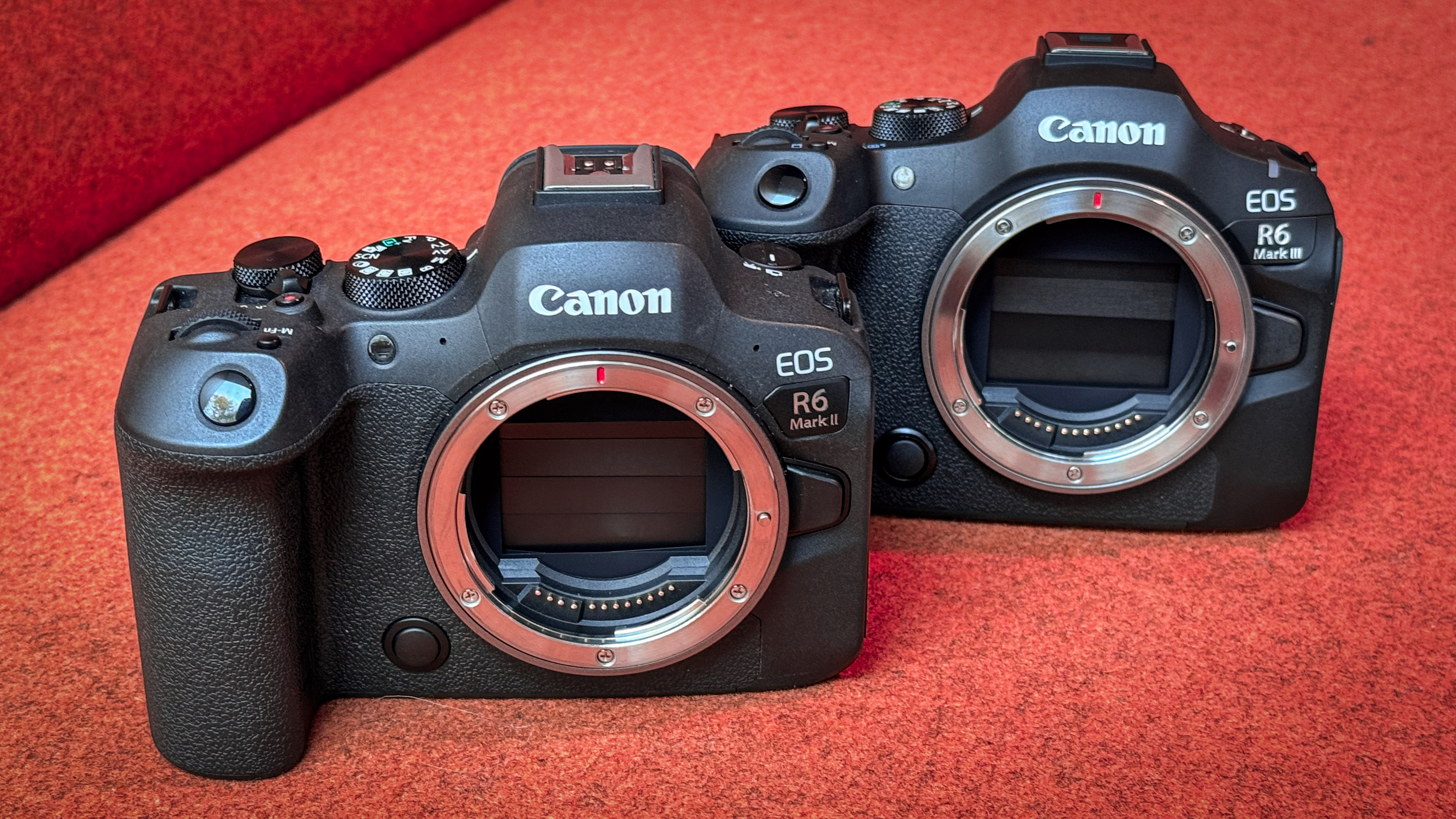
One major reason why are Canon cameras so popular is the company’s long history in photography. Canon has made cameras and lenses for many decades. That experience has helped it refine camera design, image processing, autofocus, and lens production over time.
Many photographers first meet Canon through a family camera , a school photography class, or a professional event. That early exposure creates trust. When people later shop for a new camera, Canon often feels like a safe and familiar choice.
Canon’s reputation also grew through use in demanding fields. Wedding photographers, sports shooters, news teams, and studio professionals have used Canon equipment for years. Professional use does not mean every Canon model is perfect, but it shows that the brand understands the needs of serious photographers.
Trust is important when a camera costs hundreds or thousands of dollars. Buyers want to know that the camera will last, that support will be available, and that replacement lenses will be easy to find.

Canon offers cameras for nearly every photographer
Another key reason why are Canon cameras so popular is the wide range of models. Canon sells cameras for beginners, enthusiasts, professionals, vloggers, and content creators.
Its main camera families include:
• EOS Rebel models, which are designed for beginners who want to move beyond a phone
• EOS R mirrorless models, which include compact entry-level cameras and advanced professional bodies
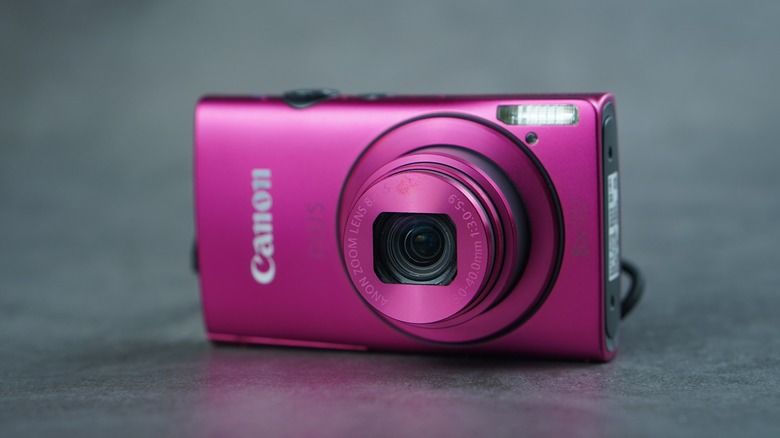
• PowerShot compact cameras, which focus on portability and simple operation
• Professional EOS R and older DSLR models, which offer advanced controls, strong build quality, and high performance
This range makes it easier for users to stay within the Canon system as their skills improve. A beginner might start with an entry-level mirrorless camera, then move to a more advanced body while keeping some lenses and accessories.
That path can save money and reduce the learning curve. The menus, controls, and general camera layout often feel familiar across Canon models.
Canon also offers different sensor sizes. Some models use APS-C sensors, while others use full-frame sensors. APS-C cameras are often smaller and more affordable. Full-frame cameras usually offer better low-light performance, a wider field of view, and more control over background blur.

Canon cameras are easy to use
Ease of use is central to the answer to why are Canon cameras so popular. A camera can have excellent hardware, but it will not help much if the controls feel confusing.
Canon cameras are known for clear menus and familiar button layouts. Many models include automatic modes that help new users take good photos without studying exposure settings first. At the same time, manual controls are available when photographers want more control.
A new user can begin with:
• Auto mode for quick snapshots
• Scene modes for portraits, sports, food, or night scenes
• Aperture priority for background blur
• Shutter priority for motion
• Manual mode for full creative control
This gradual learning path is useful. It lets beginners enjoy photography right away while leaving room to grow.
Canon’s touchscreen controls also help. Users can often tap the screen to focus, change settings, or review images. This feels natural to people who are used to smartphones.
A practical lesson for new buyers is to choose a camera that feels comfortable in the hand. Features matter, but a camera that is easy to carry and operate is more likely to be used often.

Canon autofocus is a major advantage
Canon autofocus is one of the strongest reasons why are Canon cameras so popular. Modern Canon mirrorless cameras use advanced subject detection and tracking systems. Depending on the model, the camera may recognize people, eyes, animals, vehicles, and other moving subjects.
Eye detection can be especially helpful for portraits. Instead of moving the focus point by hand, the camera can follow a subject’s eye. This allows the photographer to focus more on timing, expression, and composition.
Autofocus is also useful for:
• Children who move quickly
• Pets running across a yard
• Athletes during games
• Birds in flight
• Wedding moments that happen without warning
Canon’s Dual Pixel CMOS autofocus system has also earned a strong reputation for smooth focus during video. It can shift focus from one subject to another without the sudden jumps seen in older systems.
However, autofocus performance depends on the model, lens, light, and subject. A high-end camera may track subjects better than a basic one. No autofocus system is perfect in very low light or when the subject is hidden by objects.
Canon has a large lens ecosystem
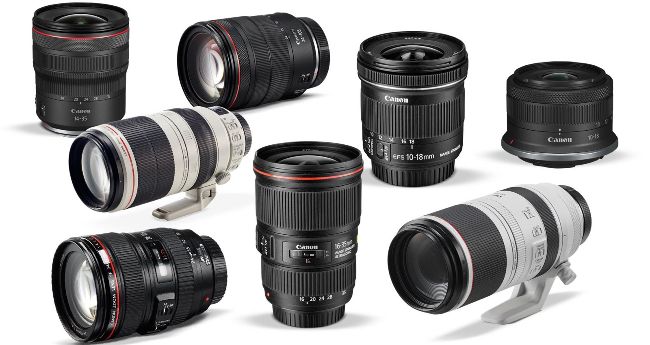
The lens selection is another important answer to why are Canon cameras so popular. Canon has produced a large number of EF lenses for DSLR cameras and RF lenses for its newer mirrorless EOS R system.
This gives photographers many choices for different styles of work.
Common lens types include:
• Wide-angle lenses for landscapes, buildings, and real estate
• Standard zoom lenses for travel and everyday photography
• Telephoto lenses for sports, wildlife, and distant subjects
• Macro lenses for flowers, insects, and small products
• Fast prime lenses for portraits and low-light scenes
• Professional zoom lenses for weddings, journalism, and events
A lens often changes an image more than a new camera body. For example, a fast 50mm or 85mm lens can create soft background blur and improve indoor portraits. A wide zoom can make a small room feel more open.
Canon’s lens range also includes options at many price points. New photographers can start with an affordable lens and upgrade later.
One mistake to avoid is spending the entire budget on the camera body. A slightly less expensive body paired with a useful lens may produce better results than an expensive body with a weak or unsuitable lens.

Canon produces strong image quality
Image quality is at the heart of why are Canon cameras so popular. Modern Canon cameras can produce sharp, detailed photos with good color and natural skin tones.
Canon’s color processing has long been appreciated by portrait and wedding photographers. Skin tones often look pleasing without requiring heavy editing. This can save time for people who need to process many images.
Image quality depends on several factors:
• Sensor size
• Lens quality
• Lighting
• Focus accuracy
• Shutter speed
• Exposure settings
• Editing skill
A camera does not create great images by itself. Good light and strong composition still matter. However, Canon cameras provide a dependable starting point.
Many current models also offer high-resolution sensors, wide ISO ranges, RAW photo capture, and improved dynamic range. RAW files preserve more editing information than JPEG files. This helps photographers recover some detail in bright skies or dark shadows.
It is wise to compare real sample images rather than relying only on megapixel numbers. More megapixels do not always mean better photos, especially if the lens, lighting, or technique is poor.
Canon cameras work well for video
Canon’s popularity has grown among video creators, vloggers, and small businesses. Many Canon mirrorless cameras offer 4K recording, microphone inputs, flip-out screens, and reliable autofocus.
A flip-out screen is useful for:
• Self-recording
• Product demonstrations
• Interviews
• Low-angle shots
• Travel videos
Canon’s smooth autofocus can help creators stay sharp while they move. This is valuable when recording alone without a camera operator.
Some models also include features such as headphone ports, image stabilization, log profiles, and high-frame-rate recording. These tools appeal to users who want more control during editing.
Still, video buyers should check the details carefully. Not every Canon camera offers the same frame rates, recording limits, stabilization, or heat management. A camera that is excellent for photos may not be the best choice for long video sessions.
Before buying, check the camera’s 4K crop, battery life, microphone support, and recording time. These details often matter more than the headline resolution.
Canon cameras benefit from a large support network
Canon cameras are popular because photographers can find help almost anywhere. There are countless tutorials, guides, user groups, repair services, and rental stores focused on Canon equipment.
This support network makes learning easier. A beginner can search for a tutorial on changing aperture, using eye autofocus, or choosing a portrait lens. Many photographers also share custom settings and practical tips online.
Local camera stores often carry Canon batteries, memory cards, flashes, and lenses. Used Canon equipment is also widely available. This can make it easier to build a system on a limited budget.
Canon’s support network matters to working professionals, too. If a photographer needs a replacement battery or lens during a job, Canon accessories may be easier to locate than equipment from a smaller brand.
The lesson is simple: a camera system is more than one body. It includes lenses, service, accessories, education, and resale value. Canon performs well across many of these areas.
Canon offers good choices for beginners
Many people ask why are Canon cameras so popular with beginners. The answer is a mix of simple controls, affordable entry points, and room to grow.
A beginner-friendly Canon camera can offer a clear upgrade over a smartphone. It may provide better control over background blur, stronger zoom options, faster performance, and higher image quality in difficult light.
For a first camera, consider these features:
• A comfortable grip
• A viewfinder and clear screen
• Reliable autofocus
• Interchangeable lenses
• Wi-Fi or Bluetooth
• A flip-out screen for video
• Good battery availability
Do not buy based only on megapixels. A camera with 24 megapixels can produce excellent prints and online images. Features such as autofocus, lens choice, and comfort may affect your experience more.
If you mainly take family photos, travel images, or portraits, an entry-level mirrorless camera may be enough. If you plan to photograph sports or wildlife, look for faster burst shooting and strong subject tracking.
Why professionals continue to use Canon
Professional photographers often value reliability more than novelty. This helps explain why are Canon cameras so popular in professional work.
A professional camera must perform under pressure. Weddings, sporting events, and news assignments may not offer a second chance. Photographers need dependable autofocus, strong battery life, weather resistance, and controls that can be changed quickly.
Canon’s professional bodies often include:
• Durable construction
• Fast continuous shooting
• Dual memory card slots
• Advanced subject tracking
• Large batteries
• Weather sealing
• Strong support options
Canon’s professional lens lineup is also important. High-quality lenses can deliver sharp images, wide apertures, fast focusing, and durable construction.
That said, professionals also use Sony, Nikon, Fujifilm, Panasonic, OM System, and other brands. Canon is popular, but it is not automatically the best choice for every photographer. The right system depends on budget, subject, lens needs, and personal preference.
Limitations to consider before buying a Canon camera
A balanced explanation of why are Canon cameras so popular should include the drawbacks. No camera brand is perfect.
Canon equipment can be expensive, especially when you add high-quality lenses, spare batteries, memory cards, and flashes. The total system cost may be much higher than the camera body price.
Some other limitations include:
• Entry-level models may lack advanced controls
• Certain lenses can be costly
• Small cameras may have limited battery life
• Some models crop the image during 4K video
• Older DSLR lenses may need an adapter on mirrorless bodies
• Feature differences between models can be confusing
Canon’s RF mount system is newer than its EF system. This means the selection of native RF lenses continues to grow, while the used market is often stronger for older EF lenses.
Adapters can help photographers use EF lenses on EOS R cameras. However, the balance, size, and autofocus behavior may vary by lens and adapter.
The best approach is to compare the full cost and intended use. Read the official specifications, check independent tests, and try the camera in a store if possible.
Canon DSLR or mirrorless: Which is better?
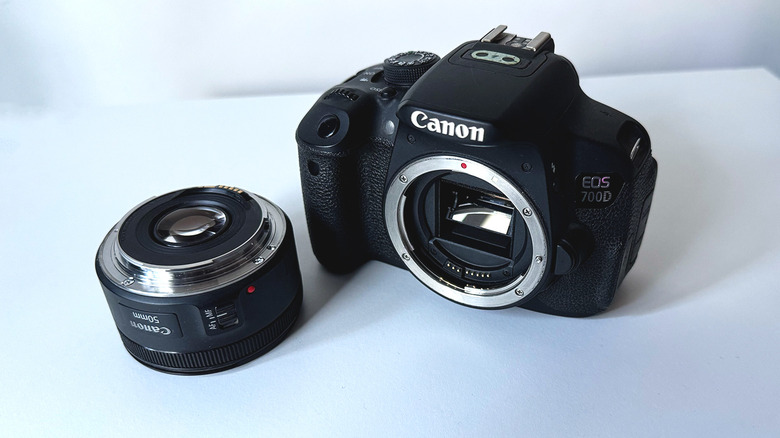
The DSLR versus mirrorless choice affects many Canon buyers. Canon DSLR cameras use a mirror and optical viewfinder. Mirrorless cameras remove the mirror and show a digital preview through an electronic viewfinder or screen.
Mirrorless cameras are often smaller and offer modern autofocus features. They can show exposure, white balance, and depth of field before the photo is taken. This can make learning easier.
DSLR cameras still have benefits. They often offer long battery life, clear optical viewfinders, and a large selection of affordable used lenses. Many photographers also enjoy their traditional feel.
Choose a Canon mirrorless camera if you want:
• Modern subject detection
• Electronic viewfinder previews
• A newer lens system
• A smaller body in some models
Choose a Canon DSLR if you prefer:
• Long battery life
• Lower used prices
• Optical viewing
• Large, familiar grips
• Access to many affordable EF lenses
Both systems can produce excellent images. The best choice is the one that fits your habits and budget.
Practical tips for choosing the right Canon camera
Use this simple process before buying:
-
Decide what you photograph most. Portraits, sports, travel, wildlife, and video all need different features.
-
Set a full budget. Include at least one lens, a memory card, a battery, and a camera bag.
-
Choose the sensor size. APS-C is often lighter and cheaper, while full frame may perform better in low light.
-
Check autofocus features. Look for eye detection and subject tracking if you photograph movement.
-
Compare lenses first. A good lens can remain useful through several camera upgrades.
-
Test the grip and controls. Comfort affects how often you use the camera.
-
Check video details if you create content. Look at frame rates, ports, stabilization, and recording limits.
-
Consider used equipment. A clean, tested older Canon body may offer excellent value.
A common beginner mistake is buying the most expensive body available. In many cases, regular practice with a simple camera and a good lens will improve your photos more than extra features.
Frequently Asked Questions
Why are Canon cameras so popular with beginners?
Canon cameras are popular with beginners because they are easy to use, widely available, and supported by many tutorials. They also offer affordable models that allow users to learn manual photography over time.
Are Canon cameras good for professional photography?
Yes, many Canon cameras are suitable for professional photography. Their strong autofocus, durable bodies, reliable lenses, and professional support make them common choices for weddings, sports, portraits, and journalism.
Is Canon better than Nikon or Sony?
Canon is not automatically better than Nikon or Sony. Each brand has strengths, so the best choice depends on the camera’s autofocus, lens range, video tools, price, and how comfortable the user feels with the controls.
Are Canon mirrorless cameras better than Canon DSLRs?
Canon mirrorless cameras offer newer autofocus and video features, while Canon DSLRs may provide longer battery life and lower used prices. Neither system is best for everyone, so compare the features that match your photography style.
Do Canon cameras take better pictures than smartphones?
Canon cameras can offer better control, lens options, low-light performance, and background blur than most smartphones. However, a smartphone may produce more pleasing results in some situations because of automatic computational processing.
Are Canon lenses expensive?
Some Canon lenses are expensive, especially professional RF and L-series models. However, Canon also offers affordable lenses, and the large used market can help photographers build a capable kit for less money.
How long do Canon cameras last?
A Canon camera can last for many years when it is stored, cleaned, and used properly. Lifespan depends on shutter wear, weather exposure, battery condition, maintenance, and how heavily the camera is used.
Conclusion
Canon cameras remain popular because they combine trusted design, simple operation, strong autofocus, pleasing image quality, broad lens support, and choices for nearly every budget. They are not perfect, and competing brands may offer better value or specialized features for certain users.
The smartest choice is to match the camera to your real needs. Think about what you photograph, which lens you need, and how much equipment you can comfortably carry. Explore Canon camera reviews, compare sample images, and test a model in person before buying. With the right setup and regular practice, even an affordable Canon camera can help you create work you are proud to share.
Recent Posts
Parts of a 35mm Camera: Complete Guide to Every Key Part and Its Function
Learn the parts of a 35mm camera, what each part does, and how the lens, shutter, film chamber, viewfinder, and controls work together.
Parts of a Camera Canon: A Complete Guide to Canon Camera Parts and Functions
Learn the parts of a Canon camera, what each part does, and how the lens, sensor, shutter, controls, viewfinder, and screen work together.