
A mirrorless camera offers lighter design, fast autofocus, silent shooting, and a real-time view of your final image.
If you are asking why use a mirrorless camera, the answer goes beyond size and style. Mirrorless models combine advanced sensors, electronic viewfinders, strong video tools, and smart autofocus in a modern camera body. Whether you shoot travel photos, family moments, wildlife, portraits, or content for work, this guide will help you decide if mirrorless is right for you.
What Is a Mirrorless Camera?
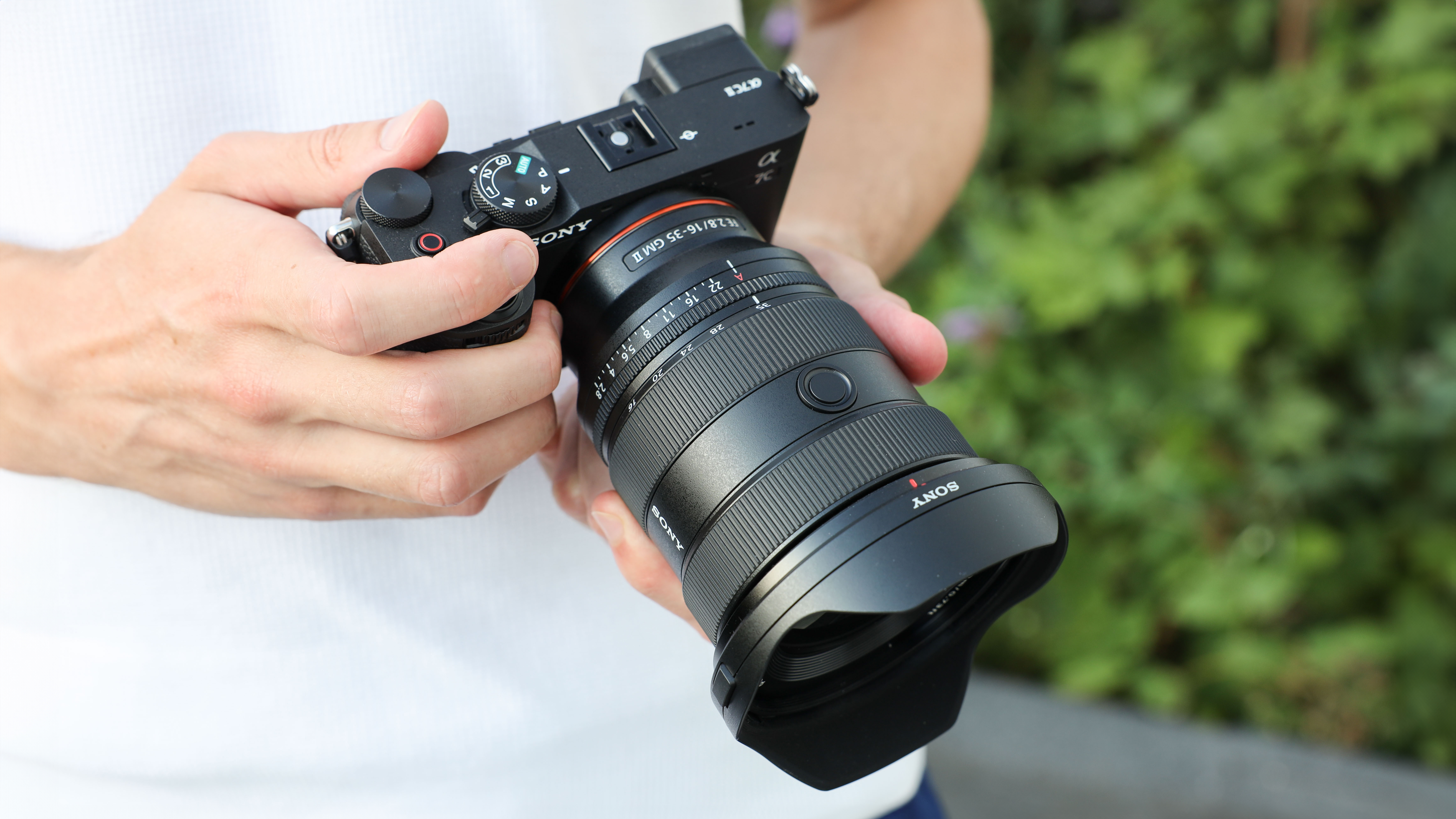
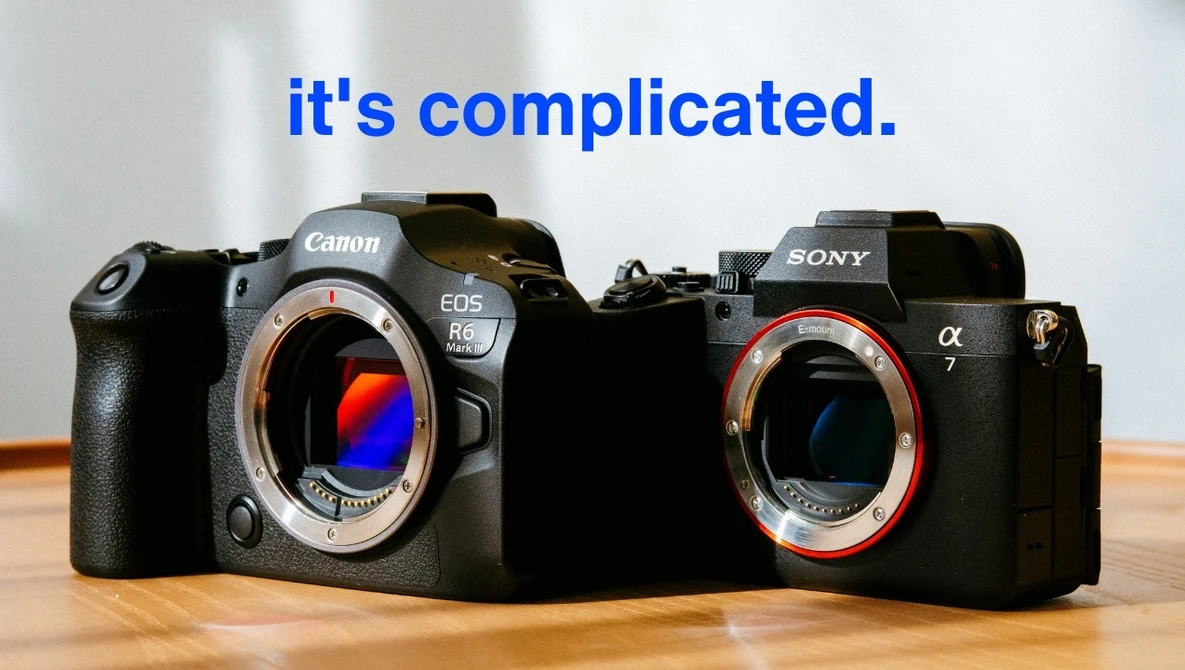
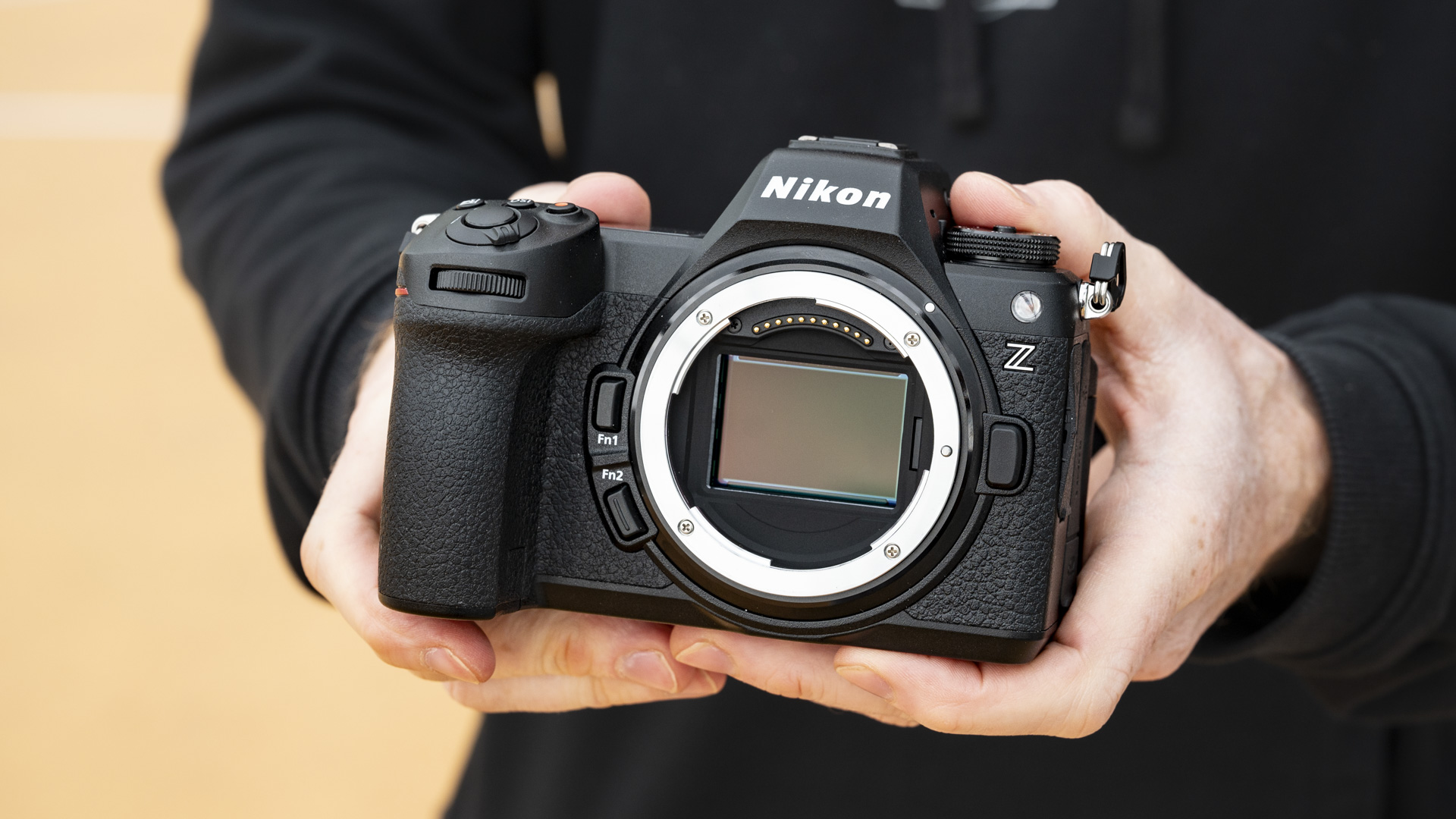
A mirrorless camera is a digital camera without the mirror and optical viewfinder system found in a traditional DSLR. Light travels through the lens and reaches the image sensor directly. The sensor then sends a live image to the rear screen or electronic viewfinder.
This design removes the need for a mirror to move up and down when you take a photo. As a result, mirrorless cameras can be smaller, quieter, and more responsive than many DSLRs.
Most mirrorless cameras include:
• Interchangeable lenses
• Large image sensors
• Electronic viewfinders
• Manual exposure controls
• RAW and JPEG image capture
• High-quality video recording
• Built-in Wi-Fi or Bluetooth on many models
The key difference is how you see the scene. A DSLR uses an optical viewfinder, while a mirrorless camera shows a digital preview created by the sensor.
This electronic preview can display exposure, white balance, depth of field, and focus information before you press the shutter. It is like looking at a map that shows the road ahead instead of guessing where the road leads.

Why Use a Mirrorless Camera?
The main reason to use a mirrorless camera is control. You can often see how your exposure will look before taking the picture. This makes it easier to learn photography and avoid surprises.
Here are the most important benefits.
Smaller and Lighter Bodies
Without a mirror box and optical viewfinder system, many mirrorless cameras have a smaller body than comparable DSLRs. The size difference varies by model, but it can matter during travel, hiking, weddings, or long events.
A lighter camera is easier to carry. You may also be more willing to take it with you, which gives you more chances to practice and capture real moments.
However, the lens still affects the total size. A large telephoto lens can make a mirrorless kit just as heavy as a DSLR kit. The body may be small, but the glass still follows the laws of physics.
Real-Time Exposure Preview
An electronic viewfinder can show a close preview of the final image. If your photo is too dark, too bright, or too warm, you can often see the problem before taking the shot.
This feature is useful for beginners because it connects camera settings with visible results. You can turn the shutter speed, aperture, or ISO and watch the image change.
Exposure preview is also helpful in difficult light. For example, if you photograph a person near a bright window, you can quickly adjust the exposure and protect important highlights.
Fast and Accurate Autofocus
Modern mirrorless cameras often use advanced autofocus systems with phase detection, contrast detection, or a combination of both. Many models can detect faces, eyes, animals, cars, and aircraft.
Eye autofocus can be especially useful for portraits. Instead of moving a focus point by hand, the camera can find the subject’s eye and track it as the person moves.
This does not make every photo perfect. Autofocus can still struggle in very low light, behind objects, or with fast subjects that move unpredictably. Still, current mirrorless systems are highly capable when paired with the right settings and lens.
Excellent Video Features
Mirrorless cameras are popular with video creators because many models offer strong video performance. Common features include:
• 4K video
• High frame rates for slow motion
• Microphone inputs
• Headphone outputs
• Log recording profiles
• In-body image stabilization
• Articulating screens
The electronic viewfinder and live screen also help you monitor exposure and focus while recording. Some cameras can track a person’s eyes during video, which is useful for interviews and solo content.
Before buying, check recording limits, heat management, file formats, and audio features. A camera may offer impressive video resolution but still lack the tools needed for serious production.
Quiet Shooting
Many mirrorless cameras offer an electronic shutter mode. This can allow nearly silent shooting in places such as:
• Weddings
• Museums
• Theaters
• Wildlife locations
• Street photography
• Family events
Quiet shooting can help you work without distracting people. It is also useful when photographing shy animals.
Electronic shutters have limits. Under some lighting, they can create banding. Fast movement may also look distorted because the sensor reads the image from one side to the other. Use the mechanical shutter when motion or artificial light creates a problem.
Strong Image Stabilization
Many mirrorless cameras include in-body image stabilization, often called IBIS. The camera moves the sensor to reduce the effect of hand shake.
This can help you use slower shutter speeds when photographing still subjects. It may also make handheld video smoother, although it cannot fully replace a tripod or gimbal.
Image stabilization does not freeze a moving person or animal. It only reduces camera movement. You still need a fast shutter speed for action.
More Lens and System Choices
Mirrorless systems now include lenses for nearly every type of photography. You can find compact pancake lenses, bright portrait lenses, wide-angle zooms, macro lenses, and long wildlife lenses.
Many brands also offer adapters that let you use older DSLR lenses on newer mirrorless bodies. Autofocus performance may vary with an adapter, so check compatibility before buying.
The camera body is only one part of the system. Consider lens price, size, repair service, battery options, and future upgrades before choosing a brand.

Mirrorless Camera vs. DSLR
The question of why use a mirrorless camera often comes from a comparison with DSLRs. Both systems can produce excellent photos. The better choice depends on your needs, habits, and budget.
| Feature | Mirrorless camera | DSLR |
|---|---|---|
| Viewfinder | Electronic | Optical |
| Body design | Often smaller | Often larger |
| Autofocus | Very advanced on newer models | Strong, especially through the viewfinder |
| Battery life | Often shorter | Often longer |
| Video tools | Usually more advanced | Varies by model |
| Silent shooting | Common | Less common |
| Lens selection | Growing quickly | Large used and new market |
| Preview of exposure | Usually available | Limited through optical viewfinder |
A DSLR gives you a direct optical view through the lens. Some photographers prefer this because it feels natural and does not use much battery power.
A mirrorless camera shows a digital image. This can create a small delay in some older models, but current cameras are much better. Many professional photographers now use mirrorless systems for sports, news, wildlife, and commercial work.
In my experience, the biggest practical difference is not image quality. It is the way the camera helps you work. A mirrorless camera gives more feedback while you shoot, while a DSLR encourages you to rely more on experience and judgment.
Limitations of Mirrorless Cameras
A balanced answer to why use a mirrorless camera should include the drawbacks. No camera system is perfect.
Shorter Battery Life
Electronic viewfinders and rear screens use power. Many mirrorless cameras need more frequent battery changes than comparable DSLRs.
You can manage this by:
• Carrying at least one spare battery
• Turning off the camera between long pauses
• Reducing screen brightness
• Using power-saving settings
• Carrying a USB charging battery pack when supported
Battery life has improved, but it remains an important concern for travel and outdoor work.
Higher Cost for Some Systems
New mirrorless cameras often include modern features, which can increase the price. Native lenses may also cost more, especially professional zooms and fast prime lenses.
You do not need the most expensive body to get good results. A less expensive camera with a quality lens can outperform a high-end body with a poor lens or weak technique.
Used cameras can offer excellent value. Check the shutter count, sensor condition, battery health, ports, and return policy before buying.
Electronic Viewfinder Preferences
Some photographers love electronic viewfinders because they show exposure and focus information. Others prefer the natural view of an optical finder.
An electronic viewfinder can also look noisy in very dark scenes. Some users notice a brief blackout during bursts, although newer cameras reduce this issue with better displays and processing.
Try both systems in a camera store if possible. Comfort and confidence matter more than specifications alone.
Heat During Video Recording
Small camera bodies have limited space for heat control. Long video recordings, high resolutions, and warm weather can cause a camera to become hot or stop recording.
If video is your main goal, review independent tests. Look for information about recording time, cooling, memory card speed, and overheating behavior.
Who Should Use a Mirrorless Camera?
A mirrorless camera can suit many types of photographers.
Beginners
Beginners may benefit from exposure preview, face detection, and simple automatic modes. These tools make the learning process less frustrating.
You can start in aperture priority mode, then slowly learn shutter speed, ISO, and manual exposure. The camera gives you useful feedback without taking away creative control.
Travelers
Travel photographers often value a small body, compact lenses, Wi-Fi transfer, and strong video features. A smaller kit leaves more space for clothing, snacks, and other travel needs.
A weather-sealed model can offer extra protection, but no camera is fully waterproof unless the manufacturer says so. Use a rain cover in serious weather.
Portrait Photographers
Eye autofocus, wide-aperture lenses, and high-resolution sensors make mirrorless systems useful for portraits. You can focus on expression and connection instead of moving focus points by hand.
A 50mm, 85mm, or similar portrait lens can create soft background blur. The best focal length depends on your space and preferred style.
Wildlife and Sports Photographers
Fast burst rates, subject detection, and deep autofocus tracking can help with wildlife and sports. A silent shutter may also prevent distractions.
You will still need a suitable telephoto lens, fast memory cards, and good timing. Technology supports skill, but it does not replace patience or practice.
Video Creators
Content creators can benefit from a flip-out screen, a microphone port, image stabilization, and reliable autofocus. These features make solo filming easier.
Before choosing a camera for YouTube or social media, check audio quality, heat limits, battery options, and the crop applied during video recording.
How to Choose the Right Mirrorless Camera
Once you understand why use a mirrorless camera, focus on the features that match your work. Do not buy based only on megapixels or burst speed.
Choose the Sensor Size
Common sensor types include:
• Micro Four Thirds: Small bodies and lenses, with a large range of compact equipment
• APS-C: A strong balance of price, size, image quality, and reach
• Full frame: Better low-light potential and more control over background blur
• Medium format: Very high image quality, but usually larger and more expensive
A larger sensor can collect more light, but sensor size is not the only factor. Lens quality, lighting, technique, and image processing also affect the final photo.
Check the Autofocus System
Look for autofocus that suits your subjects. A camera for portraits may need strong eye detection. A camera for birds may need animal recognition and fast tracking.
Read independent reviews and look at sample images. Marketing terms can sound impressive, but real-world performance matters more.
Review the Lens Lineup
Before buying a body, explore the available lenses. Ask yourself:
• Are there affordable lenses for my budget?
• Can I find a small everyday zoom?
• Are there fast lenses for low light?
• Are long lenses available for wildlife?
• Can I rent or borrow lenses locally?
A camera system is a long-term investment. Choose the system you can enjoy and afford over several years.
Consider Handling and Controls
Visit a store if you can. Hold the camera and test the grip. Check whether you can reach the shutter, dials, menu, and playback controls without moving your hand.
A camera with fewer features but better handling may help you take better photos than a complex model that feels uncomfortable.
Practical Tips for Using a Mirrorless Camera
The best way to understand why use a mirrorless camera is to use its features with purpose.
-
Turn on exposure preview. This helps you connect settings with results.
-
Learn the histogram. It can warn you when bright areas are losing detail.
-
Set up autofocus modes. Use eye detection for people and subject tracking for movement.
-
Carry a spare battery. A small battery pouch can save an entire shooting day.
-
Use RAW files for important work. RAW files preserve more editing information than JPEG files.
-
Do not rely on silent shutter in every situation. Check for banding and motion distortion.
-
Clean the
sensor carefully. Change lenses in a sheltered place and follow the camera maker’s cleaning advice. -
Practice before an important event. Learn the controls before a wedding, trip, or paid job.
One mistake I have seen often is buying a camera body first and thinking about lenses later. A better approach is to plan the full kit. A modest body with a sharp, useful lens often gives more joy than an expensive body with no lens that fits your style.
Another lesson is to avoid chasing every new feature. A camera that you understand is more useful than one with settings you never use.
Is a Mirrorless Camera Good for Photography?
Yes, a mirrorless camera can be excellent for photography. It can produce professional-quality images for portraits, landscapes, sports, wildlife, events, and commercial work.
Image quality depends on many factors, including sensor performance, lens quality, light, focus accuracy, composition, and editing. The camera does not create a strong image by itself, but it can make the process faster and more flexible.
Modern mirrorless cameras are used by professionals because they combine strong image quality with advanced autofocus, video tools, and compact designs. They are not automatically better for every photographer, but they are highly capable.
Frequently Asked Questions About Why Use a Mirrorless Camera
Why use a mirrorless camera instead of a DSLR?
Use a mirrorless camera for its smaller design, electronic viewfinder, advanced autofocus, silent modes, and modern video features. A DSLR may still be better if you prefer an optical viewfinder, long battery life, or an established collection of DSLR lenses.
Are mirrorless cameras better for beginners?
They can be better for beginners because the electronic viewfinder can preview exposure before you take a photo. This makes it easier to understand how aperture, shutter speed, and ISO affect the image.
Do mirrorless cameras take better pictures?
A mirrorless camera does not always take better pictures than a DSLR. Both can deliver excellent results, and image quality depends on the sensor, lens, lighting, focus, and photographer.
Do mirrorless cameras have better autofocus?
Many current mirrorless cameras have excellent autofocus, especially for eyes, faces, animals, and moving subjects. Performance varies by model, so compare real-world tests rather than relying only on advertised features.
Are mirrorless cameras good for video?
Yes, many mirrorless cameras are designed with video in mind. Look for 4K recording, microphone and headphone ports, stabilization, reliable autofocus, and good heat control.
Do mirrorless cameras use more battery power?
Usually, yes. The electronic viewfinder and screen need power, so carrying a spare battery is a smart habit for long shoots and travel.
Can I use DSLR lenses on a mirrorless camera?
Often, yes, if the camera brand offers a compatible adapter. Autofocus, stabilization, and other features may work differently, so confirm compatibility before purchasing an adapter.
Conclusion
The strongest reasons to use a mirrorless camera are its compact design, real-time exposure preview, fast autofocus, quiet shooting, image stabilization, and powerful video features. These benefits can make photography more enjoyable and help you respond quickly in changing conditions.
Mirrorless cameras also have limits, including battery use, higher system costs, electronic viewfinder preferences, and possible heat issues during long video recordings. The right choice depends on your subjects, budget, lenses, and personal shooting style.
If you are still unsure why use a mirrorless camera, try one in person and take a few real photos. Compare the controls, viewfinder, autofocus, and comfort. Then explore compatible lenses and choose a system you will enjoy using for years.
Recent Posts
Parts of a 35mm Camera: Complete Guide to Every Key Part and Its Function
Learn the parts of a 35mm camera, what each part does, and how the lens, shutter, film chamber, viewfinder, and controls work together.
Parts of a Camera Canon: A Complete Guide to Canon Camera Parts and Functions
Learn the parts of a Canon camera, what each part does, and how the lens, sensor, shutter, controls, viewfinder, and screen work together.