
Mirrorless cameras offer lighter bodies, faster focusing, silent shooting, and a clearer preview before you press the shutter.
If you are asking why switch to mirrorless camera, the answer goes beyond size and fashion. Modern mirrorless models combine strong image quality, smart autofocus, video tools, and flexible lens systems in a compact body. This guide explains the real benefits, the trade-offs, and how to decide if the change makes sense for your photography.
What Is a Mirrorless Camera?
A mirrorless camera does not use the moving mirror and optical viewfinder found in a traditional DSLR. Light passes through the lens and reaches the image sensor directly.
You can frame a scene through the rear screen or an electronic viewfinder. The camera shows a digital preview of exposure, color, and depth of field before you take the photo.
This design makes the camera smaller and removes several moving parts. It also allows the image sensor to help with autofocus, subject tracking, and video recording.
When people ask why switch to mirrorless camera, this basic design explains much of the answer. The camera is built around a direct connection between the lens, sensor, processor, and display.

Why Switch to Mirrorless Camera?
The best reasons to switch to mirrorless camera depend on how and what you shoot. A wedding photographer may value eye detection and silent shooting, while a traveler may care more about size and battery life.
Here are the main advantages.
Smaller and Lighter Camera Bodies
Mirrorless cameras can be smaller because they do not need a mirror box or optical prism. The difference is often clear when you carry the camera for a full day.
A smaller body can fit into a small shoulder bag. It may also reduce neck, wrist, and shoulder strain during travel, events, or long walks.
However, the whole system matters. A small camera with a large telephoto lens may not feel small. Check the size and weight of the camera, lens, batteries, and accessories together.
Electronic Viewfinders Show the Final Exposure
An electronic viewfinder, or EVF, displays a live digital view of the scene. It can show changes in brightness, white balance, and depth of field before you take the picture.
This feature is useful in difficult light. If you lower the exposure, you can often see the effect at once. You spend less time guessing and more time making the image.
An EVF can also display:
• A histogram for checking exposure
• Focus peaking for manual focus
• A level for keeping horizons straight
• Menus and shooting settings
• A preview of black-and-white picture styles
The EVF may take time to feel natural if you have used an optical viewfinder for years. Some photographers also dislike the slight delay, lower quality, or noise in very dark scenes.
Fast and Intelligent Autofocus
Many modern mirrorless cameras use on-sensor phase detection and contrast detection. This allows the camera to focus across a large part of the frame.
Advanced models can recognize and track:
• Human eyes and faces
• Birds and other animals
• Cars, motorcycles, and aircraft
• Trains and sports subjects
This is one of the strongest answers to why switch to mirrorless camera for action photography. A good subject detection system can follow a moving subject while you concentrate on timing and composition.
Autofocus is not magic. It can still fail when the subject is hidden, the light is very low, or the background is more detailed than the subject. Learning focus modes remains important.
Silent Shooting
Many mirrorless cameras offer an electronic shutter mode. It can take photos with almost no sound.
Silent shooting helps in places such as:
• Weddings and ceremonies
• Museums and galleries
• Theaters and concerts
• Wildlife areas
• Street photography
It can also help you work with less distraction. Still, electronic shutters may cause rolling shutter distortion when subjects move quickly or when you pan. Mechanical shutter mode is often safer for fast action under artificial lights.
Strong Video Features
Mirrorless cameras are popular with hybrid shooters because they are designed for both photos and video. Many offer 4K recording, microphone inputs, headphone monitoring, image stabilization, and log picture profiles.
Some models support 10-bit recording, high frame rates, or advanced autofocus during video. These features can help creators produce smoother footage with more room for color correction.
Video performance varies widely. Check recording time limits, overheating tests, crop factors, autofocus behavior, and file sizes before buying. A camera with impressive specifications may still be a poor fit for your workflow.
In-Body Image Stabilization
In-body image stabilization, often called IBIS, moves the sensor to reduce the effect of hand movement. It can help you use slower shutter speeds when photographing still subjects.
For example, IBIS may help with a city scene at dusk or an indoor portrait. It does not freeze a moving person or animal. You still need a fast shutter speed for action.
Some systems combine sensor stabilization with optical stabilization in the lens. When both work together, the result can be especially helpful for handheld photography and video.
Better Manual Focus Tools
Mirrorless cameras can make manual focusing easier. Focus peaking highlights areas that appear sharp, while focus magnification enlarges part of the frame.
These tools are useful for:
• Macro photography
• Product photography
• Landscape work
• Night photography
• Vintage manual lenses
The electronic viewfinder also lets you inspect focus without moving your eye from the camera. This makes the process more precise than relying only on an optical viewfinder.
Flexible Lens Adapters
Many mirrorless systems have a short flange distance. This means the lens mount sits closer to the sensor than it does on many DSLRs.
With the right adapter, photographers may use older lenses from other systems. Some adapters preserve autofocus and electronic communication. Basic adapters may provide only manual focus and manual aperture control.
Adapted lenses can save money and add character. They may also introduce slower autofocus, poor edge sharpness, or incorrect metadata. Treat adapters as useful tools, not automatic upgrades.
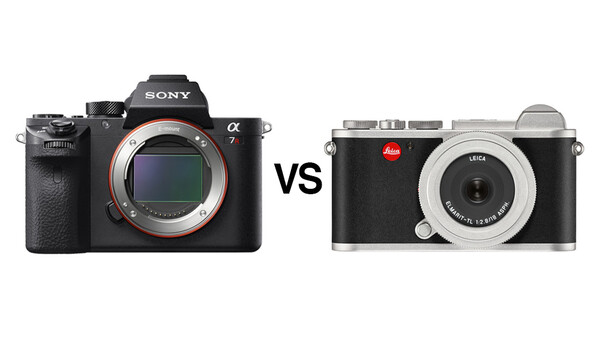
Image Quality: Is Mirrorless Better Than DSLR?
A mirrorless camera is not automatically better in image quality than a DSLR. Image quality depends on the sensor, lens, processor, exposure, and photographer.
A full-frame mirrorless camera and a full-frame DSLR can produce very similar files. The same is true for many APS-C cameras. Sensor size still affects noise, dynamic range, depth of field, and lens size.
The main mirrorless advantage is often the shooting experience. You may focus faster, preview exposure more clearly, and work more quietly. These improvements can help you capture better moments, even when the raw image quality is similar.
Full-Frame, APS-C, and Micro Four Thirds
Mirrorless cameras come in several sensor sizes.
• Full-frame sensors offer strong low-light performance and shallow depth of field.
• APS-C sensors balance image quality, size, price, and reach.
• Micro Four Thirds sensors allow very compact bodies and lenses.
A smaller sensor is not a flaw. It may be ideal for hiking, travel, wildlife, or everyday photography. A larger sensor may suit portraits, commercial work, or low-light scenes.
Think about the complete system rather than judging a camera by sensor size alone. A lighter APS-C kit that you carry everywhere may create more useful photos than a heavy full-frame kit left at home.
Mirrorless Camera Benefits for Different Photographers
The answer to why switch to mirrorless camera changes from person to person. Your subject, budget, and habits should guide the decision.
For Travel Photographers
Travel photographers often benefit from a lighter kit. A small mirrorless body, compact zoom, spare battery, and simple charger can cover many situations.
The electronic viewfinder helps when bright sunlight makes the rear screen hard to see. Built-in stabilization can also help with evening scenes and indoor photos.
Do not forget battery planning. EVFs and rear screens use power, so carry at least one spare battery or a reliable USB charger.
For Portrait Photographers
Eye detection can make portraits easier, especially when the subject moves slightly. You can place the focus point on the eye and concentrate on expression, light, and background.
The live preview also helps you judge exposure and white balance. This can reduce test shots when working in a studio or on location.
A fast portrait lens still matters. Autofocus cannot replace good light, careful posing, or a pleasing background.
For Wildlife and Sports Photographers
Wildlife and sports photography demand speed. Subject tracking, high burst rates, deep buffers, and long lenses can make a mirrorless system very effective.
The electronic viewfinder may show a smooth live view during bursts on advanced models. Some cameras also offer pre-capture modes that save images from just before you fully press the shutter.
These features come with limits. Fast bursts fill memory cards quickly, consume battery power, and may produce large numbers of similar images. A clear selection process is essential.
For Street Photographers
A small body and quiet shutter can make street photography feel less intrusive. You can work naturally without drawing as much attention.
The EVF can show exposure changes as clouds move or as you enter a shadow. A tilting screen may also help with low-angle compositions.
Respect privacy and local laws. A quiet camera should help you work discreetly, not encourage careless behavior.
For Content Creators
A mirrorless camera can serve as both a still camera and a video tool. Features such as a flip screen, USB power, microphone input, and reliable face tracking are useful for creators.
Before buying, test the camera for your actual setup. Check whether it stays cool, supports clean HDMI output, and focuses well at the distance where you record.
A good microphone and light often improve video more than a more expensive camera body. Do not spend your entire budget on the camera alone.

Mirrorless Camera Drawbacks to Consider
A balanced answer to why switch to mirrorless camera must include the disadvantages. No camera system is perfect.
Shorter Battery Life
An EVF and rear screen require power. Mirrorless cameras often use batteries faster than DSLRs, although newer models have improved.
You can reduce drain by lowering screen brightness, using sleep mode, and turning off wireless features when you do not need them. Still, spare batteries are part of the real cost.
Electronic Viewfinder Limitations
An EVF may show noise in very dark conditions. It can also feel less natural to photographers who prefer the clear, direct view of an optical finder.
Some EVFs have blackout during continuous shooting. Higher-end cameras reduce this issue, but they may cost much more.
Higher System Cost
Popular mirrorless systems can be expensive. New lenses, batteries, memory cards, adapters, and grips add to the price.
Look at the cost of the lens range you need. An affordable camera body may become costly if its best lenses are large or expensive.
Rolling Shutter
Electronic shutters read the sensor line by line. If the subject moves quickly, straight lines may appear bent, or a fast-moving object may look stretched.
Mechanical shutters can reduce this effect. Some newer stacked sensors offer much faster readout and perform better, but these cameras often carry a premium price.
Learning Curve
Mirrorless cameras offer many tools and settings. That flexibility can feel overwhelming.
Start with a simple setup:
-
Choose aperture priority or shutter priority.
-
Set autofocus to a mode that matches your subject.
-
Turn on the histogram or exposure preview.
-
Learn how to change ISO quickly.
-
Practice before an important event.
The goal is not to use every feature. The goal is to make the camera disappear while you work.
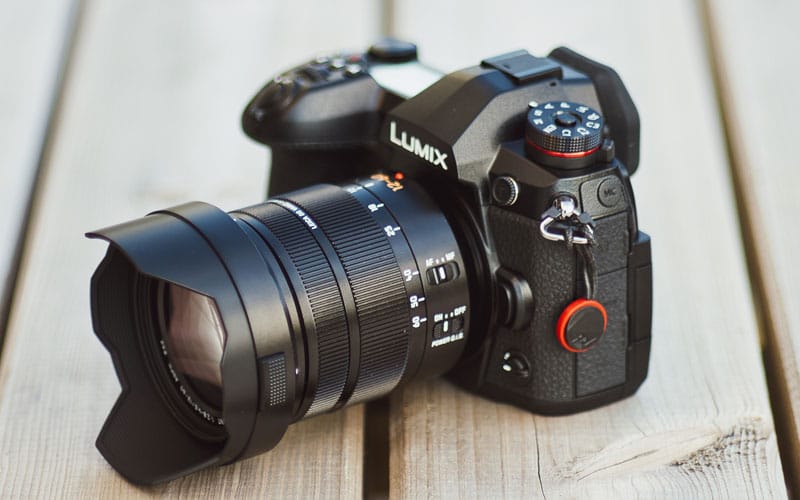
DSLR vs. Mirrorless: Which Should You Choose?
DSLRs still make excellent images. They often offer long battery life, comfortable optical viewfinders, large used markets, and affordable older lenses.
Mirrorless cameras usually offer newer autofocus systems, better video features, electronic previews, and smaller designs. Manufacturers have also shifted much of their research and development toward mirrorless platforms.
Choose a DSLR if:
• You prefer an optical viewfinder.
• You already own several DSLR lenses.
• You want strong battery life at a lower used price.
• You mainly photograph still subjects.
Choose mirrorless if:
• You want modern subject tracking.
• You shoot both photos and video.
• You need a live exposure preview.
• You want silent or nearly silent shooting.
• You are starting a new camera system.
There is no rule that says every DSLR owner must switch. The best camera is the one that meets your needs and encourages you to take more photos.

How to Switch to a Mirrorless Camera Without Regret
A careful plan can prevent expensive mistakes. Before buying, write down what you shoot most often and what frustrates you about your current camera.
Use this process:
-
List your main subjects, such as travel, portraits, wildlife, sports, or video.
-
Set a complete budget for the body, lenses, batteries, cards, and bag.
-
Compare the size and weight of a full kit.
-
Test the grip, buttons, menus, and viewfinder in person if possible.
-
Read independent reviews that discuss autofocus, battery life, and overheating.
-
Rent the camera and one lens before making a final decision.
-
Learn the new system before selling your old equipment.
Renting is especially useful. A camera may look perfect on paper but feel uncomfortable in your hands. Menus, buttons, and autofocus behavior can affect your experience more than small specification differences.
One mistake I often see is buying the newest body while using a basic lens that does not match the photographer’s goals. A good lens can improve sharpness, low-light work, background blur, and creative control. Plan the lens path first.
Another common mistake is ignoring memory cards. High-resolution photos and 4K video need fast, reliable cards. Buy cards that match the camera’s required speed rating, and format them inside the camera before use.
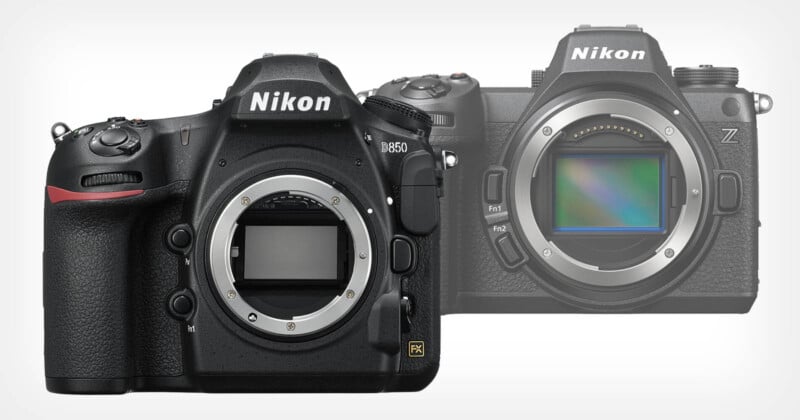
A Practical Mirrorless Camera Setup for Beginners
You do not need a large kit to start. A simple setup can teach you more than a shelf full of unused gear.
Consider these basics:
• One camera body with a comfortable grip
• A standard zoom lens for daily use
• A fast prime lens for portraits and low light
• Two spare batteries
• Two trusted memory cards
• A small camera bag
• A cleaning cloth and rocket blower
A standard zoom gives you flexibility. A prime lens teaches you to move, simplify the frame, and understand depth of field.
Set up custom buttons for autofocus mode, ISO, and exposure compensation. These controls are used often, so quick access saves time.
Shoot in RAW plus JPEG if you want editing flexibility and ready-to-share files. RAW files preserve more information, but they require storage and editing software.

Mirrorless Camera Features That Matter Most
Camera specifications can look like a race. In real use, some features matter far more than others.
Prioritize:
Autofocus Reliability
Look beyond the number of focus points. Read about tracking performance with your type of subject and in the light you normally use.
Ergonomics
A camera should feel secure in your hand. Buttons should be easy to reach, and the menus should make sense to you.
Lens Availability
A system is only as useful as its lenses. Check the cost and size of the wide-angle, standard, portrait, macro, and telephoto lenses you may want later.
Battery and Charging
USB charging can be valuable during travel. Check whether the camera supports charging while in use and whether third-party batteries are reliable.
Video Support
If video matters, check resolution, frame rates, bit depth, microphone input, headphone output, stabilization, and heat performance.
Weather Protection
Weather sealing can help in rain and dust, but it does not make a camera waterproof. A sealed body also needs a sealed lens for full system protection.

Personal Lessons From Using Mirrorless Cameras
The biggest practical lesson is that convenience changes behavior. When a camera is lighter and easier to control, I am more likely to carry it and use it during ordinary moments.
I have also learned not to trust every automated feature. Eye autofocus is helpful, but it can choose the wrong eye or lock onto a nearby face. I still check the frame, choose the right focus mode, and review important images.
Battery planning is another lesson. A long day of travel can quickly drain a mirrorless camera, especially when using the EVF, image stabilization, wireless transfer, and video. Two spare batteries are often more useful than another accessory.
Finally, switching systems can interrupt your creative flow. Spend time learning the controls at home. Practice changing ISO, focus mode, shutter type, and exposure compensation without taking your eye from the subject.
When You Should Not Switch to Mirrorless
Switching is not always the right move. Stay with your DSLR if it already meets your needs and you do not face a real limitation.
You may not need to switch if:
• Your current autofocus tracks your subjects well.
• You prefer the optical viewfinder.
• You rarely record video.
• Your existing lenses are valuable and still perform well.
• You dislike frequent battery charging.
• Your budget is limited.
Photography should not become a constant equipment upgrade. If your current camera helps you create the images you want, keep using it.
A switch makes more sense when a specific problem blocks your work. Examples include unreliable autofocus, excessive weight, poor video performance, or a lack of lenses for your style.
Frequently Asked Questions About Why Switch to Mirrorless Camera
Why switch to mirrorless camera instead of a DSLR?
You may switch for a smaller design, electronic viewfinder, advanced autofocus, silent shooting, and stronger video features. The right choice depends on your subjects, budget, and preferred shooting experience.
Are mirrorless cameras better for beginners?
Mirrorless cameras can be very friendly for beginners because the electronic viewfinder previews exposure and many models offer automatic subject detection. Their menus and battery needs may take some time to learn.
Do mirrorless cameras take better pictures?
A mirrorless camera does not automatically produce better image quality than a DSLR with a similar sensor and lens. It may help you get better results through easier focusing, exposure previews, stabilization, and faster operation.
Do professionals use mirrorless cameras?
Yes, many professional photographers use mirrorless cameras for weddings, sports, wildlife, portraits, journalism, and commercial work. Professionals choose systems based on reliability, lenses, autofocus, service support, and workflow.
Is it expensive to switch to mirrorless?
It can be expensive if you replace the camera, lenses, batteries, cards, and accessories at once. You can reduce the cost by switching gradually, using an adapter, buying used equipment, or choosing a smaller sensor system.
Do mirrorless cameras have good battery life?
Battery life has improved, but electronic viewfinders and screens still use significant power. Carrying a spare battery and using power-saving settings makes all-day shooting easier.
Can I use DSLR lenses on a mirrorless camera?
Many DSLR lenses can work with an adapter made for the same brand or mount family. Autofocus and other features depend on the adapter, lens, and camera combination, so test compatibility before buying.
Conclusion
The strongest reasons to switch to mirrorless camera include lighter systems, live exposure previews, smart autofocus, silent shooting, image stabilization, and capable video tools. These benefits can make photography faster and more comfortable, but they do not erase the value of a good DSLR.
Choose based on your subjects, lens needs, budget, and daily habits. Rent a body if possible, compare the full system weight, and invest in a lens that supports the way you actually shoot. Explore trusted reviews and share your mirrorless camera experience in the comments.
Recent Posts
Parts of a 35mm Camera: Complete Guide to Every Key Part and Its Function
Learn the parts of a 35mm camera, what each part does, and how the lens, shutter, film chamber, viewfinder, and controls work together.
Parts of a Camera Canon: A Complete Guide to Canon Camera Parts and Functions
Learn the parts of a Canon camera, what each part does, and how the lens, sensor, shutter, controls, viewfinder, and screen work together.