
Digital cameras are popular again because they offer better images, creative control, and a more focused experience than phones.
For years, smartphones seemed ready to replace digital cameras. Yet compact cameras, mirrorless models, and even older point-and-shoot cameras are enjoying fresh interest. As someone who has tested cameras in daily life and compared them with modern phones, I have noticed a clear shift: people now want both convenience and character. This guide explains why are digital cameras popular again, what changed, and which type of camera may suit you.

Why are digital cameras popular again?
The short answer is that digital cameras now solve problems that smartphones do not. They offer larger sensors, real optical zoom, stronger control, better battery separation, and a more intentional way to take photos.
Several trends have pushed cameras back into the spotlight:
• Social media creators want a distinct visual style.
• Young photographers enjoy the look and process of older cameras .
.
• Smartphone photos can feel too sharp, too processed, or too similar.
• Mirrorless cameras have become smaller, faster, and easier to use.
• People want a device that helps them stay present instead of checking messages.
• Travel and family photographers want better results in low light and at long distances.
This helps explain why are digital cameras popular again across many age groups. The trend is not only about image quality. It is also about control, creativity, nostalgia, and the simple pleasure of using a dedicated tool.

Smartphone cameras did not replace every camera
Smartphones changed photography in a major way. They made a good camera available almost everywhere. Computational photography now combines several frames, improves shadows, reduces noise, and creates portrait blur with impressive speed.
For everyday photos, a phone is often the best camera because it is already in your hand. It is ideal for quick meals, pets, receipts, group photos, and casual travel snapshots.
However, a phone has physical limits. Its small lens and sensor cannot always match a dedicated camera in these areas:
• Natural background blur
• Clean images in very low light
• Fast action with a long lens
• Detailed shadow recovery
• Smooth zoom across many focal lengths
• Manual focus and exposure control
A phone may create a polished image in one tap, but a camera gives you more control over how the image is made. That difference matters to people who want to learn photography rather than simply record a moment.
This contrast is central to understanding why are digital cameras popular again. Phones remain powerful, but they no longer meet every creative need.
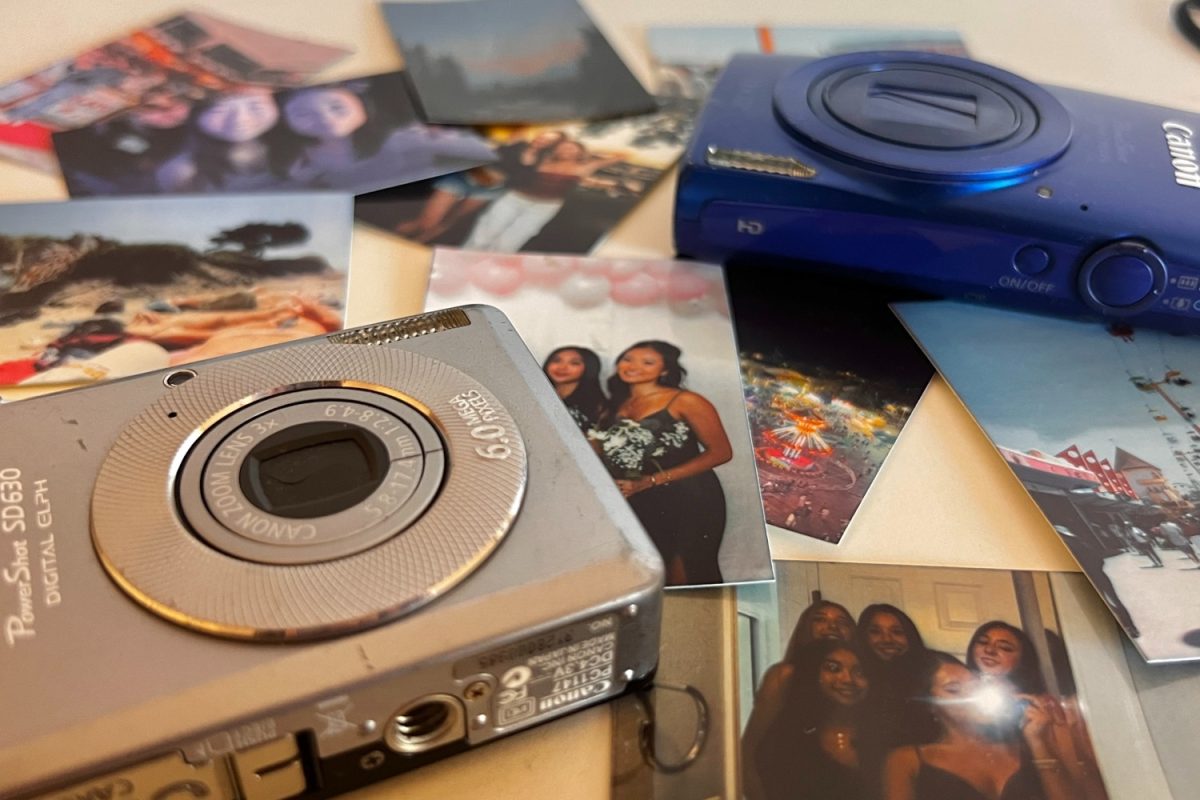
Better image quality and larger sensors
A digital camera usually has a larger image sensor than a smartphone. The sensor is the part that captures light. In simple terms, a larger sensor can collect more light and record more detail.
Many interchangeable-lens cameras use APS-C or full-frame sensors. Some compact cameras use smaller one-inch sensors. These formats can produce cleaner images at night and smoother background blur than most phones.
A larger sensor does not guarantee a better photo. The lens, lighting, focus, and photographer still matter. Still, it gives the camera more room to perform well in difficult conditions.
For example, imagine photographing a child indoors. A phone may brighten the room and sharpen the face through software. A camera may capture more natural skin tones, softer highlights, and less digital noise. The result can feel less artificial.
This is one of the clearest reasons why are digital cameras popular again. People are noticing the difference between an image that looks processed and one that looks natural.
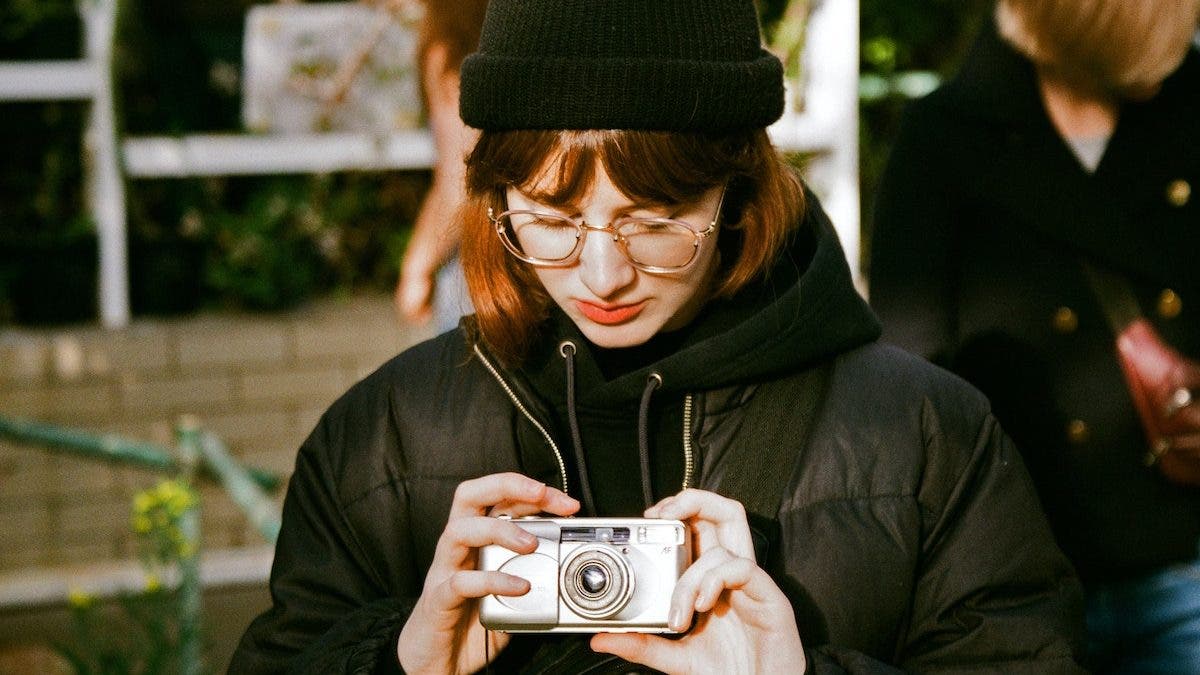
The return of the compact point-and-shoot camera
Compact digital cameras were once common at birthday parties, school events, and vacations. Smartphones pushed them aside, but interest in small point-and-shoot models has returned.
Many people enjoy older compact cameras because they create a distinct look. Their flash, limited dynamic range, soft lens, and simple color can make photos feel like memories from another time.
This style is often called a digital camera look. It may include:
• Bright direct flash
• Slight motion blur
• Visible grain or noise
• Strong colors
• A less perfect composition
• A feeling of immediacy
Older cameras are also easy to carry. A small model can fit in a jacket pocket or a small purse. It feels less valuable and less stressful than carrying a large professional camera.
Still, buyers should be careful. Popular older models can cost more than their original price. Check the battery, charger, memory card type, lens movement, flash, and screen before buying. A camera with a weak battery or damaged lens may become an expensive decoration.
The renewed love for compact cameras is another major clue about why are digital cameras popular again. People are not always seeking the most advanced tool. Sometimes they want a fun tool with a clear personality.
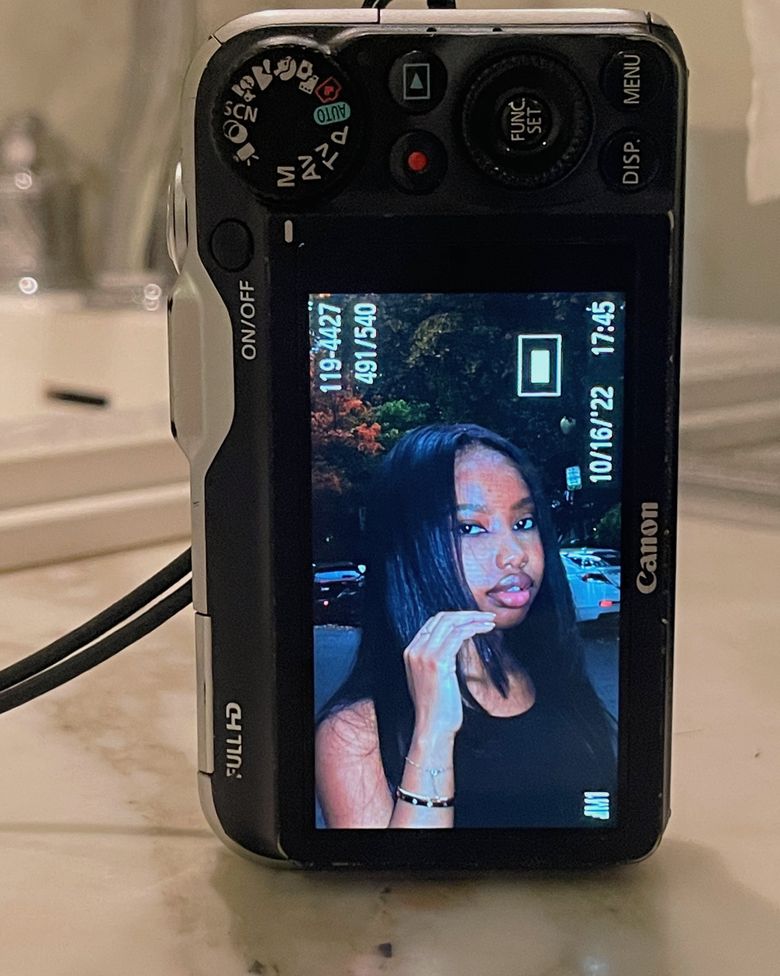
Social media helped revive digital cameras
Social media has made visual style more important. Millions of photos appear online every day, so creators often look for ways to make their images stand out.
A photo taken with a camera can have a different color response, depth, and texture than a standard phone image. Some creators also like the slower workflow. They take photos, transfer them later, edit them, and then post a smaller selection.
This process can make the content feel more personal. It also gives photographers more control over their visual identity.
Many younger users have found older cameras through short videos, online marketplaces, and photo communities. They often share examples of low-resolution flash photos, early digital colors, and unusual camera effects.
This trend does not mean every camera photo is automatically better. A poor photo remains poor, no matter what device made it. The appeal comes from using a tool that produces a different mood and encourages a different way of seeing.
That social and creative value helps explain why are digital cameras popular again, especially among younger photographers.
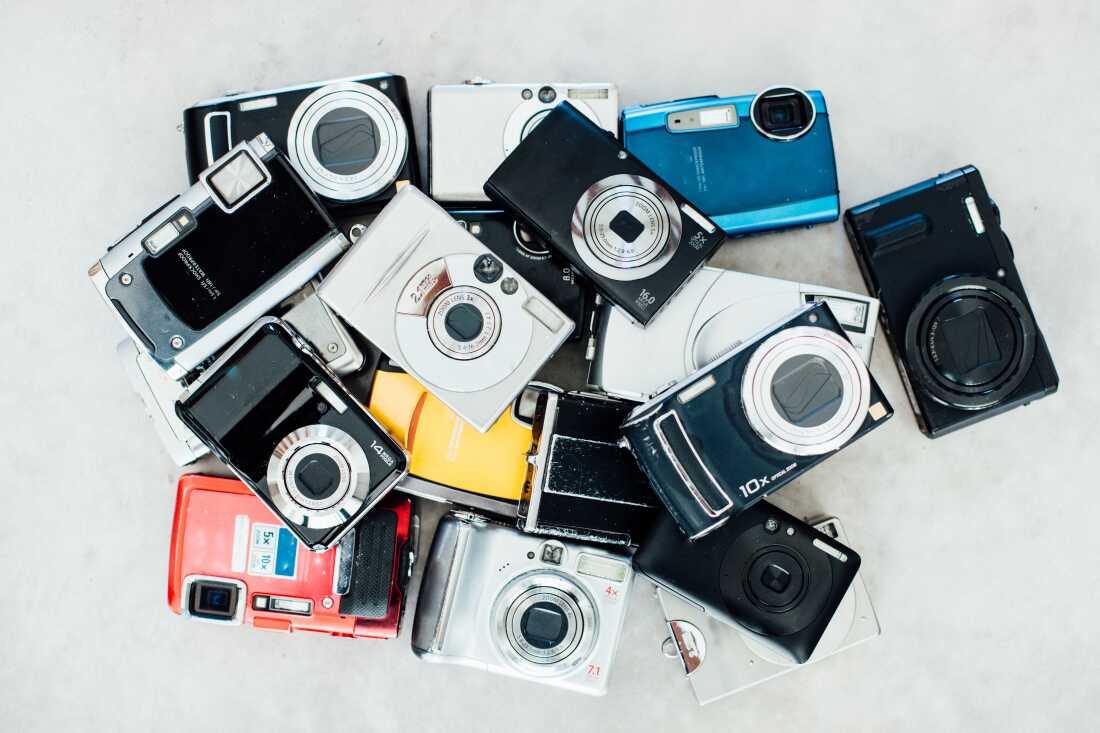
Digital cameras encourage mindful photography
A smartphone is designed to do many jobs. It takes photos, plays videos, displays messages, and offers endless distractions. A camera usually has one main purpose: taking pictures.
That narrow purpose can be refreshing. You may spend more time looking at the light, waiting for the right moment, or changing the composition. You are less likely to stop and scroll after taking a photo.
In my own camera use, the biggest change is not always technical. It is mental. When I carry a small camera, I pay closer attention to streets, faces, windows, and weather. The device feels like a sketchbook rather than another screen.
This does not mean a camera will make everyone a better photographer. It simply creates a calmer process. For many people, that feeling is worth more than a long list of specifications.
Mindful use is an important part of why are digital cameras popular again. Photography has become a hobby and a form of attention, not just a fast way to save an image.
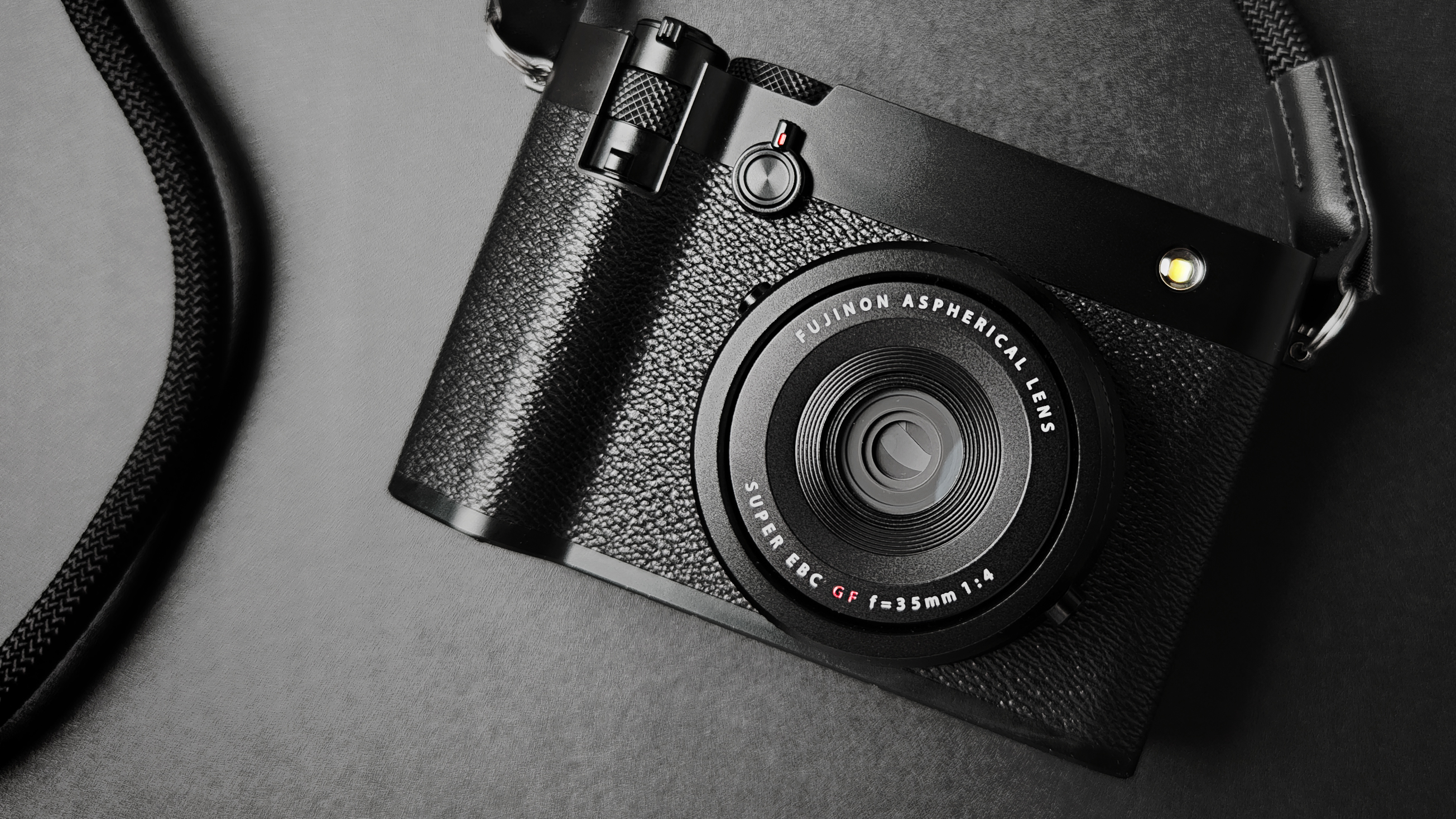
Mirrorless cameras made serious photography easier
Mirrorless cameras have helped bring advanced photography to a wider audience. They remove the traditional optical mirror system found in many older DSLR cameras. This allows manufacturers to build smaller bodies and offer fast electronic features.
Modern mirrorless cameras commonly provide:
• High-resolution electronic viewfinders
• Fast autofocus that recognizes faces and subjects
• Silent shooting modes
• Strong video features
• Interchangeable lenses
• Wireless image transfer
• Compact designs
Entry-level mirrorless cameras can be approachable for beginners. Professional models can offer excellent speed, detail, and reliability. Between these two groups, there are many choices for travel, portraits, sports, wildlife, and video.
Autofocus has also improved. Many cameras can track eyes, animals, vehicles, and moving subjects. This reduces one of the hardest parts of photography: keeping the subject sharp.
The result is a camera that offers control without demanding old-fashioned technical skill at every step. That balance is a key reason why are digital cameras popular again.

Cameras offer real optical zoom
Zoom is another major advantage. A dedicated camera uses a physical lens to magnify the subject. A phone may use several lenses, but its long-range zoom often relies on cropping or software.
Optical zoom can help with:
• Wildlife photography
• School sports
• Concerts
• Travel landmarks
• Portraits from a comfortable distance
• Outdoor events
Suppose you are watching a soccer game from the side of the field. A phone may capture a small player surrounded by empty space. A camera with a telephoto lens can fill the frame and show the action clearly.
Long lenses can be large and costly, so this benefit has limits. A camera system may also be heavier than a phone. However, photographers who need reach often accept the extra size because the results are more useful.
Better zoom is one reason why are digital cameras popular again among travelers, parents, and outdoor photographers.

The joy of physical controls
Many cameras have dials, buttons, grip surfaces, and viewfinders. These controls make the process feel direct.
You can turn a dial to change shutter speed. You can adjust the lens ring to zoom or focus. You can look through a viewfinder in bright sunlight without relying on a reflective screen.
Physical controls also help people learn. Instead of hiding every setting behind a menu, the camera shows how exposure works. You begin to understand the relationship between aperture, shutter speed, and ISO.
Aperture controls the lens opening and affects background blur. Shutter speed controls how motion appears. ISO changes the sensor’s sensitivity but can add noise at high settings.
You do not need to master all three on day one. Start with aperture priority mode or program mode. Change one setting at a time and review the result.
This hands-on experience adds to why are digital cameras popular again. The camera becomes part of the creative act, not just a button that produces an automatic result.
Digital cameras are useful for learning
Photography is easier to study when you can see the connection between a setting and an image. Dedicated cameras make that connection clear.
A beginner can practice with simple exercises:
-
Photograph the same subject at several focal lengths.
-
Use a fast shutter speed to freeze movement.
-
Use a slower shutter speed to show motion.
-
Try a wide aperture for a soft background.
-
Compare high and low ISO settings in a dark room.
-
Take one photo with automatic mode and one with manual control.
These exercises build skill through small steps. You do not need expensive gear or a formal class.
One mistake I often see new photographers make is buying too much equipment too soon. A basic camera and one versatile lens can teach more than a large bag full of unused gear. Learn how light works before adding more tools.
The learning value of cameras is a lasting reason why are digital cameras popular again. People want to understand the craft behind the picture.
Film nostalgia without film costs
Film photography has also become popular again. Many people like its colors, grain, slower pace, and physical prints. But film can be costly and less convenient.
You must buy rolls, store them, process them, and scan or print the results. Film prices and development costs vary by location. Mistakes can also remain hidden until the roll is processed.
Digital cameras can provide some of the same creative feeling without those ongoing costs. You can use manual controls, direct flash, unusual lenses, and deliberate composition. You can also review your work right away.
Older digital cameras sit between modern phones and film cameras. They may have simple menus, basic screens, and strong built-in flash. Their limitations can create a pleasing style.
This connection between film culture and digital convenience is another answer to why are digital cameras popular again.
The limits of the digital camera revival
The renewed interest does not make cameras perfect. A dedicated camera may be the wrong choice for some people.
Common limitations include:
• Higher cost than using a phone you already own
• Extra weight during travel
• More batteries and chargers to manage
• A learning curve for new users
• More work when transferring and editing images
• Expensive lenses and accessories
• Risk of damage, theft, or loss
Camera prices can vary widely. A used compact camera may cost less than a new mirrorless body, while a professional system can cost several thousand dollars.
There is also a risk of buying based on internet hype. A camera that looks trendy online may have poor battery life, a difficult menu, or limited repair support. Read reviews from photographers who use the camera for the same purpose you have in mind.
Understanding these limits makes the answer to why are digital cameras popular again more balanced. The trend is real, but the best camera is still the one that fits your habits, budget, and goals.
How to choose a digital camera today
Start with your main use. Do not begin with megapixels alone. A camera for travel has different needs from one for wildlife or video.
Consider these points:
• Choose a compact camera for pockets, parties, and simple travel.
• Choose a bridge camera for a built-in long zoom.
• Choose a mirrorless camera for growth, lenses, and strong image quality.
• Choose a used DSLR for value and a large lens selection.
• Choose a full-frame model for low-light work, portraits, and advanced control.
• Choose an action camera for movement, water, and hands-free recording.
Think about the lens system, too. A camera body is only one part of the experience. A small prime lens may produce beautiful portraits, while a wide zoom may be better for travel.
Before buying, hold the camera if possible. Check the grip, button placement, viewfinder, screen, and weight. Comfort matters because an uncomfortable camera often stays at home.
A good first setup might include:
• One camera body
• One versatile zoom lens
• One spare battery
• One reliable memory card
• A small protective bag
• A simple editing app
These practical choices support the long-term appeal of why are digital cameras popular again.
Tips for getting the most from a digital camera
A camera can improve your photos, but good habits matter more than expensive equipment.
Use these simple practices:
• Learn where the focus point is.
• Watch the background before pressing the shutter.
• Keep the lens clean.
• Carry a spare battery on long trips.
• Back up photos in two places.
• Use a neck strap or wrist strap in busy areas.
• Take fewer photos, but think more about each frame.
• Review images on a larger screen when possible.
• Protect the camera from rain, dust, and extreme heat.
One mistake I learned to avoid is trusting the camera’s automatic exposure in every scene. Bright snow, dark clothing, and sunsets can confuse the meter. Check the image preview and adjust exposure compensation when needed.
Another useful lesson is to avoid editing every photo heavily. Small changes to brightness, color, and contrast often look more natural than extreme filters.
These habits help turn interest in why are digital cameras popular again into a rewarding and lasting hobby.
What the future holds for digital cameras
Digital cameras are unlikely to replace smartphones. Phones will remain faster, easier to share, and more convenient for daily life.
Instead, the two devices will continue to serve different roles. A phone is a pocket notebook. A dedicated camera is more like a set of drawing tools.
Camera makers are likely to focus on better autofocus, smaller bodies, improved video, stronger connectivity, and smarter image processing. Wireless transfer will also become easier, which removes one of the biggest barriers for casual users.
The market may remain divided. Some people will buy high-end mirrorless systems, while others will choose inexpensive used compacts. Both groups can enjoy photography for different reasons.
The most important point is that why are digital cameras popular again is not just a temporary nostalgia trend. It reflects a wider desire for creative control, focused experiences, and images that feel personal.
Frequently Asked Questions
Why are digital cameras popular again among younger people?
Younger photographers often enjoy the unique colors, flash, and limits of older cameras. Digital cameras also provide a slower, more focused experience than a smartphone and can help photos look different on social media.
Are digital cameras better than smartphone cameras?
Neither is better for every situation. Smartphones are easier for quick photos and sharing, while digital cameras usually provide larger sensors, stronger zoom, more control, and better results in challenging light.
Are old digital cameras worth buying?
They can be worth buying if the battery, lens, flash, screen, and memory card slot work properly. Check the price carefully because popular older models may sell for more than their original value.
What type of digital camera is best for beginners?
An entry-level mirrorless camera or a simple compact camera is often a good choice. Look for comfortable controls, reliable autofocus, an affordable lens, and clear learning features rather than the highest megapixel count.
Why do digital camera photos look different from phone photos?
Digital cameras often use larger sensors, different lenses, and less aggressive processing. This can create more natural depth, softer backgrounds, different colors, and a more distinct visual style.
Do digital cameras still matter for travel photography?
Yes. Cameras can provide better optical zoom, low-light performance, and manual control for travel scenes. A compact model is especially useful when you want better images without carrying a large kit.
Conclusion
Digital cameras are popular again because they offer more than technical image quality. They bring creative control, real optical zoom, natural depth, physical controls, and a calmer way to make photos. Compact cameras add fun and nostalgia, while modern mirrorless models deliver speed and excellent results.
Phones remain the best choice for quick, everyday sharing. A dedicated camera becomes valuable when you want to learn, slow down, explore a visual style, or capture subjects that phones cannot handle as well.
Choose your camera based on how you actually take pictures. Start small, learn one setting at a time, and use the equipment often. Explore trusted camera reviews, compare used and new options, and share your favorite photography lessons in the comments.
Recent Posts
Parts of a 35mm Camera: Complete Guide to Every Key Part and Its Function
Learn the parts of a 35mm camera, what each part does, and how the lens, shutter, film chamber, viewfinder, and controls work together.
Parts of a Camera Canon: A Complete Guide to Canon Camera Parts and Functions
Learn the parts of a Canon camera, what each part does, and how the lens, sensor, shutter, controls, viewfinder, and screen work together.