
Mirrorless cameras offer lighter bodies, fast autofocus, quiet shooting, and a real-time view of your final image.
If you are asking why mirrorless camera systems have become so popular, the answer goes beyond size. They combine modern sensors, smart autofocus, electronic viewfinders, and strong video tools in a simpler design. This guide explains the real benefits, trade-offs, buying tips, and practical lessons that help you decide if a mirrorless camera fits your needs.

What Is a Mirrorless Camera?
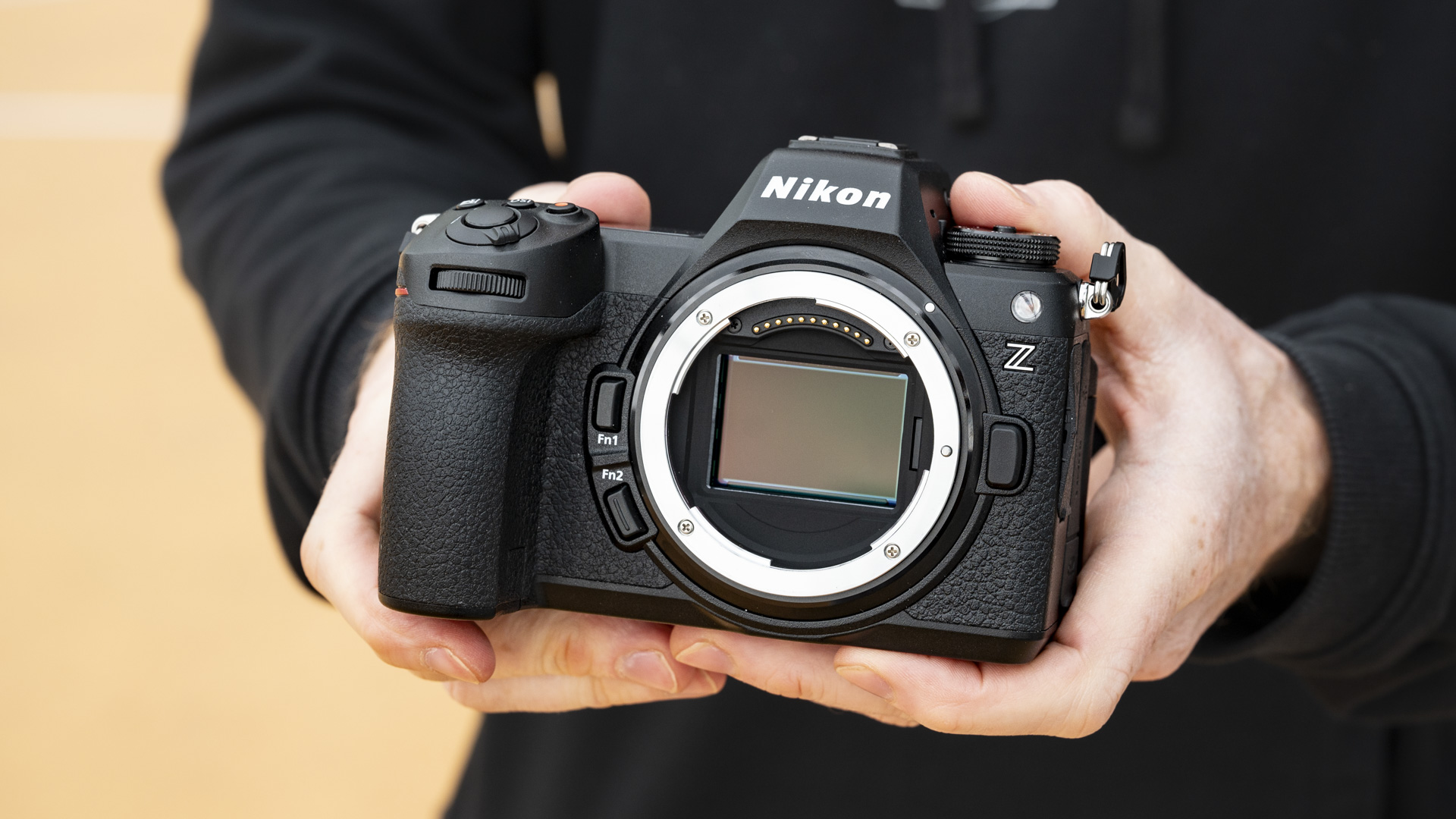
A mirrorless camera is a digital camera that does not use the mirror and optical viewfinder system found in a DSLR. Light passes through the lens and reaches the image sensor directly.
The sensor then sends a live image to the rear screen or electronic viewfinder. This lets you preview brightness, color, depth of field, and exposure before taking the photo.
A DSLR uses a mirror to reflect light into an optical viewfinder. When you press the shutter, the mirror moves up so the sensor can record the image. A mirrorless camera removes this moving mirror, which allows a smaller and simpler body.
Common mirrorless camera types include:
- Micro Four Thirds models with small bodies and long effective reach
- APS-C models with a balance of size, price, and image quality
- Full-frame models with strong low-light performance and shallow depth of field
- Medium-format models designed for maximum detail and tonal range
The main idea behind why mirrorless camera design works so well is simple: it uses the image sensor for both viewing and recording. This creates a direct link between what you see and what the camera captures.

Why Mirrorless Camera Systems Are So Popular
The rise of mirrorless cameras comes from several improvements working together. They are not popular only because they are small. Many models now match or exceed DSLR performance in autofocus, video, burst speed, and image quality.
Here are the main reasons photographers choose them:
- Smaller and lighter camera bodies
- Real-time exposure previews
- Fast subject detection
- Silent shooting options
- High-speed continuous shooting
- Advanced video features
- Modern lens designs
- Easy connection to phones and computers
- Fewer moving parts inside the camera
The best answer to why mirrorless camera systems are popular is that they suit the way people create images today. Photographers often switch between still photos, video, social media clips, and quick sharing. Mirrorless cameras support all of these tasks in one compact system.
This does not mean every mirrorless model is better than every DSLR. A professional DSLR may still offer excellent battery life, a familiar optical view, and a large selection of used lenses. The right choice depends on your work, budget, and comfort.

The Biggest Benefits of a Mirrorless Camera
Smaller Size and Lower Weight
A mirrorless camera can be smaller because it does not need a mirror box or optical prism. This can make a large difference when you carry the camera for hours.
The body may be lighter, but remember that lenses still affect total weight. A full-frame mirrorless camera with a large professional lens may not feel small. An APS-C or Micro Four Thirds system often delivers the most noticeable size savings.
This lighter design helps with:
- Travel photography
- Street photography
- Hiking and outdoor trips
- Family events
- Wedding coverage
- Long video sessions
A lighter camera is more likely to come with you. That may lead to more real photos than a heavier camera that stays at home.
A Real-Time Exposure Preview
One of the clearest answers to why mirrorless camera users enjoy their systems is the electronic viewfinder. It can show a preview of the final exposure before you press the shutter.
If the image looks too dark, you can raise the exposure. If highlights look too bright, you can lower it. You can also preview white balance and picture styles.
This feature is helpful for beginners because it turns exposure into something visible. It is also useful for experienced photographers working in changing light.
The preview is not perfect in every situation. Very dark scenes may look noisy in the viewfinder. Some photographers also prefer the natural view of an optical finder. Still, the electronic viewfinder can reduce guesswork.
Advanced Autofocus
Modern mirrorless cameras often use on-sensor autofocus systems. Many can detect and track eyes, faces, animals, vehicles, and other subjects.
Eye autofocus can be very useful for portraits. It helps place focus on the eye instead of the hair, nose, or background. Animal detection can help when a bird or pet moves quickly across the frame.
Autofocus performance depends on the camera, lens, light, and subject. A premium camera with a slow lens may still struggle. A newer camera with a fast lens can perform extremely well.
Fast Continuous Shooting
Mirrorless cameras can shoot at high frame rates because they do not need to move a mirror for every image. This makes them useful for sports, wildlife, dance, and active children.
Electronic shutters can offer even faster speeds. However, electronic shutters may create rolling shutter distortion with fast movement or flashing lights. A moving object may look bent or stretched.
For fast action, check whether the camera offers:
- A mechanical shutter
- An electronic first curtain shutter
- A full electronic shutter
- Pre-capture shooting
- A deep image buffer
- Reliable subject tracking
Quiet or Silent Shooting
A silent electronic shutter can help in places where noise would disturb people. This includes weddings, museums, theaters, wildlife areas, and quiet ceremonies.
Silent shooting is not always ideal. Artificial lights may flicker, and fast movement may show distortion. Some cameras also reduce flash support when using the electronic shutter.
Use silent mode as a useful tool, not as the default for every situation.
Why Mirrorless Camera Models Are Strong for Video
Mirrorless cameras became especially popular with video creators because they often include advanced video features in a small body. Many models record 4K video, offer microphone inputs, and provide image stabilization.
Some higher-end cameras support:
- 10-bit recording
- Log picture profiles
- High frame rates
- Internal raw video
- Headphone monitoring
- Focus tracking
- Cooling systems
- Multiple recording formats
The electronic viewfinder and rear screen can also show exposure, focus, and frame guides while you record. This helps you control the shot without guessing.
Heat is one limitation. Small bodies may warm up during long, high-quality recordings. Some cameras stop recording after a set time or lower performance to protect the internal parts.
Before buying a mirrorless camera for video, check the actual recording limits. Look beyond the words “4K” or “8K.” Bit depth, crop factor, autofocus behavior, stabilization, and heat control matter just as much.

Mirrorless Camera vs. DSLR
The debate about why mirrorless camera systems matter often starts with a comparison to DSLRs. Both camera types can produce excellent photos. The key differences involve design, viewing, speed, and battery use.
| Feature | Mirrorless camera | DSLR |
|---|---|---|
| Viewfinder | Electronic | Optical |
| Mirror system | No mirror | Uses a mirror |
| Body size | Often smaller | Often larger |
| Live exposure preview | Yes | Usually limited through the optical finder |
| Silent shooting | Common on many models | Less common |
| Battery life | Often lower | Often higher |
| Video autofocus | Usually strong | Varies by model |
| Lens selection | Growing quickly | Very large used and new market |
| Moving parts | Fewer | More |
A mirrorless camera usually offers a more modern shooting experience. A DSLR may offer longer battery life, a natural optical view, and lower prices on the used market.
Choose mirrorless if you value:
- Live exposure previews
- Compact design
- Strong video features
- Eye detection
- Quiet shooting
- Newer lens technology
Choose a DSLR if you value:
- Long battery life
- An optical viewfinder
- Low-cost used lenses
- A larger grip
- Familiar traditional controls
The best camera is the one that feels comfortable and helps you take better photos. Specifications matter, but handling matters too.
Image Quality: Is a Mirrorless Camera Better?
A mirrorless camera is not automatically better because of its design. Image quality depends mainly on the sensor, lens, image processor, exposure, and photographer.
A modern full-frame mirrorless camera can produce excellent detail, low noise, and smooth background blur. An APS-C model can also create professional results with the right lens and light. Micro Four Thirds cameras may offer less low-light performance but provide compact lenses and strong portability.
Sensor size affects several parts of an image:
- Larger sensors often perform better in low light
- Larger sensors can create a shallower depth of field
- Smaller sensors can make it easier to keep more of a scene in focus
- Smaller sensors often allow smaller lenses
- Higher resolution can reveal more detail but creates larger files
Lens quality is just as important as the camera body. A basic camera with a sharp prime lens may produce more pleasing images than an expensive camera with a weak kit lens.
Good light, accurate focus, steady technique, and careful editing can matter more than small differences between camera bodies.
The Limitations of Mirrorless Cameras
A balanced guide to why mirrorless camera systems are popular must also discuss their weaknesses. No camera design is perfect.
Battery Life
Electronic viewfinders and screens use power. As a result, many mirrorless cameras have shorter battery life than comparable DSLRs.
You can improve battery life by:
- Carrying one or two spare batteries
- Turning off wireless features when not needed
- Lowering screen brightness
- Using sleep mode
- Limiting image review
- Carrying a USB battery pack when supported
Electronic Viewfinder Lag
Most current electronic viewfinders are fast and clear. However, some entry-level or older models may show delay, blackout, or reduced detail in certain conditions.
Professional cameras usually handle fast action better. If you photograph sports or birds, test the viewfinder before buying when possible.
Lens and Accessory Costs
New mirrorless lens systems can be expensive. Small bodies do not always mean low system costs.
Check the full price of:
- The camera body
- A standard zoom
- A wide lens
- A portrait lens
- Spare batteries
- Memory cards
- A protective bag
- An external microphone
- A tripod or gimbal
Many systems now have affordable third-party lenses. Used lenses can also reduce the cost.
Heat During Video
Small cameras have limited space for heat control. High-resolution video, fast frame rates, and warm outdoor conditions can increase the risk of overheating.
If you plan to record long interviews or events, choose a camera with strong heat management and reliable recording limits.
Choosing the Right Mirrorless Camera
The best answer to why mirrorless camera depends on your needs. Start with your main type of photography instead of choosing based only on megapixels.
For Beginners
Look for:
- Simple controls
- A comfortable grip
- Reliable autofocus
- A built-in viewfinder
- Good automatic modes
- An affordable kit lens
- Easy phone sharing
An entry-level APS-C mirrorless camera is often a strong starting point. It offers good quality without the size or price of a professional full-frame system.
For Travel
Prioritize weight, battery options, and lens size. A compact zoom lens may be more useful than carrying several large lenses.
Weather sealing can help during light rain or dusty trips, but it does not make a camera waterproof. Use a cover and protect the camera during severe weather.
For Portraits
Look for accurate eye autofocus and lenses with wide apertures. A 50mm or 85mm equivalent lens can create flattering portraits and soft backgrounds.
Full-frame cameras make shallow depth of field easier, but crop-sensor cameras can also produce beautiful portraits with the right lens and distance.
For Sports and Wildlife
Focus on tracking performance, burst speed, buffer depth, viewfinder response, and battery life. A long lens is often more important than a small increase in sensor resolution.
A crop-sensor camera can be useful because it gives a narrower field of view with the same lens. This can help when your subject is far away.
For Video
Check recording quality, autofocus, stabilization, microphone support, headphone support, heat control, and file formats. A camera with fewer headline features may be better if it records reliably for long periods.
Practical Lessons From Using Mirrorless Cameras
One lesson I have learned from testing and comparing camera systems is that comfort often beats specifications. A camera may have outstanding features, but you will not enjoy it if the grip feels cramped or the menu slows you down.
Another common mistake is buying the body first and thinking about lenses later. The lens controls field of view, brightness, background blur, and much of the final look. Plan the whole system before spending your budget.
A simple buying process can help:
- Decide what you photograph most.
- Set a total budget for the body, lens, battery, and card.
- Hold the camera in your hand if possible.
- Test the menu and autofocus controls.
- Compare the lens range and future upgrade path.
- Read independent reviews that test real use.
- Buy the best lens you can reasonably afford.
I also recommend learning the electronic viewfinder before judging it. At first, some photographers find it less natural than an optical view. After a few outings, the ability to preview exposure and focus can feel like having a small editing screen inside the camera.
Avoid chasing megapixels alone. A 24-megapixel camera can produce excellent prints and detailed online images. More pixels can help with cropping, but they also create larger files and may reveal lens or technique problems.
Mirrorless Camera Features Worth Paying Attention To
Camera menus can be full of impressive terms. The following features have clear practical value.
In-Body Image Stabilization
In-body image stabilization, often called IBIS, moves the sensor to reduce camera shake. It can help when you use slower shutter speeds for still subjects.
IBIS does not freeze a moving person or animal. It mainly reduces movement caused by your hands. You still need a fast shutter speed for action.
Subject Recognition
Subject recognition uses software to identify people, animals, cars, planes, and other subjects. It can make tracking easier, but it cannot replace good composition.
Select the correct subject mode and keep the focus area near your subject. Autofocus works best when you give it a clear job.
Weather Resistance
Weather sealing can protect against light moisture and dust. It is not a guarantee against heavy rain, sand, salt water, or careless handling.
The camera body and lens should have similar protection. After outdoor use, dry the equipment before storing it.
Dual Card Slots
Two card slots can provide backup or separate storage for photos and video. This feature is valuable for weddings, paid work, and important trips.
A second card is not a substitute for a full backup after the shoot. Copy your files to a computer or storage drive as soon as possible.
How to Get Better Results With a Mirrorless Camera
A new camera cannot fix every image problem. Strong results come from simple habits.
Use the electronic viewfinder to check highlights before taking the shot. Learn where the camera shows the histogram and highlight warnings. These tools can help protect bright areas such as clouds, wedding dresses, and white walls.
Set autofocus for the subject:
- Use single-point focus for still objects
- Use continuous autofocus for moving subjects
- Use eye detection for portraits
- Use tracking for sports and wildlife
- Use manual focus for controlled video or macro work
Keep your shutter speed high enough for the subject. A still landscape may work at a slow speed with stabilization. A running child may need a much faster setting.
Shoot in raw when you want more editing control. Use JPEG when you need small files and quick sharing. Many photographers use both, especially during events.
Clean your lens before changing camera settings. A fingerprint can make an image look soft and hazy. This small habit saves time and prevents needless troubleshooting.
Is a Mirrorless Camera Worth It?
For many people, a mirrorless camera is worth the cost because it offers a strong mix of image quality, speed, size, and flexibility. It can grow with you as your skills improve.
It may be a good choice if you want:
- Better control than a phone
- Interchangeable lenses
- Strong low-light performance
- Fast autofocus
- High-quality video
- A compact travel system
- More creative control
It may not be worth upgrading if your current camera already meets your needs. A newer body will not automatically improve composition, timing, or storytelling.
The smartest upgrade may be a better lens, a photography course, a tripod, or more time practicing. Buy a new camera when it solves a real problem in your current system.
Frequently Asked Questions About Why Mirrorless Camera
Why mirrorless camera instead of a DSLR?
A mirrorless camera offers a smaller design, a live exposure preview, modern autofocus, and strong video features. A DSLR may still be better for long battery life, optical viewing, and low-cost used lenses.
Is a mirrorless camera good for beginners?
Yes, many mirrorless cameras are excellent for beginners because they show exposure changes in real time. Choose a model with simple controls, a comfortable grip, and an affordable lens system.
Do mirrorless cameras take better pictures?
Not automatically. Image quality depends on the sensor, lens, lighting, focus, exposure, and technique, although many mirrorless models offer excellent image quality.
Do mirrorless cameras have better autofocus?
Many current mirrorless cameras have very advanced autofocus, including eye and subject detection. Performance varies by model, lens, lighting, and subject movement.
Are mirrorless cameras good for video?
Yes, mirrorless cameras are often strong video tools. Many support 4K recording, microphone inputs, stabilization, and continuous autofocus, but heat limits and recording formats differ.
Do mirrorless cameras use more battery power?
Usually, yes, because the electronic viewfinder and live screen need power. Spare batteries, sleep settings, and lower screen brightness can help extend shooting time.
What sensor size should I choose?
APS-C is a strong balance for many users. Full frame is useful for low light and shallow depth of field, while Micro Four Thirds offers smaller lenses and a lighter overall kit.
Conclusion
The real reason why mirrorless camera systems continue to grow is their balance of modern features and practical design. They provide live exposure previews, fast autofocus, quiet shooting, strong video tools, and a wide range of lenses.
They also have limits, including shorter battery life, possible heat issues, and higher lens costs in some systems. Compare the complete kit, not only the camera body.
Think about what you photograph, set a realistic budget, and try the camera in your hands before buying. Explore trusted reviews, practice with the features you already own, and share your questions or camera experiences in the comments.
Recent Posts
Parts of a 35mm Camera: Complete Guide to Every Key Part and Its Function
Learn the parts of a 35mm camera, what each part does, and how the lens, shutter, film chamber, viewfinder, and controls work together.
Parts of a Camera Canon: A Complete Guide to Canon Camera Parts and Functions
Learn the parts of a Canon camera, what each part does, and how the lens, sensor, shutter, controls, viewfinder, and screen work together.