
Mirrorless cameras are often better than DSLRs because they are lighter, faster, quieter, and offer a live preview.
The answer to why are mirrorless cameras better than DSLR depends on how you shoot, but modern mirrorless cameras offer clear gains in autofocus , video, size, and real-time exposure control. After years of comparing camera systems in travel, street, portrait, and event settings, I have found that mirrorless models make many tasks easier while still producing excellent image quality. This guide explains the key differences, real-world benefits, limits, and buying tips so you can choose with confidence.
What Is a Mirrorless Camera?
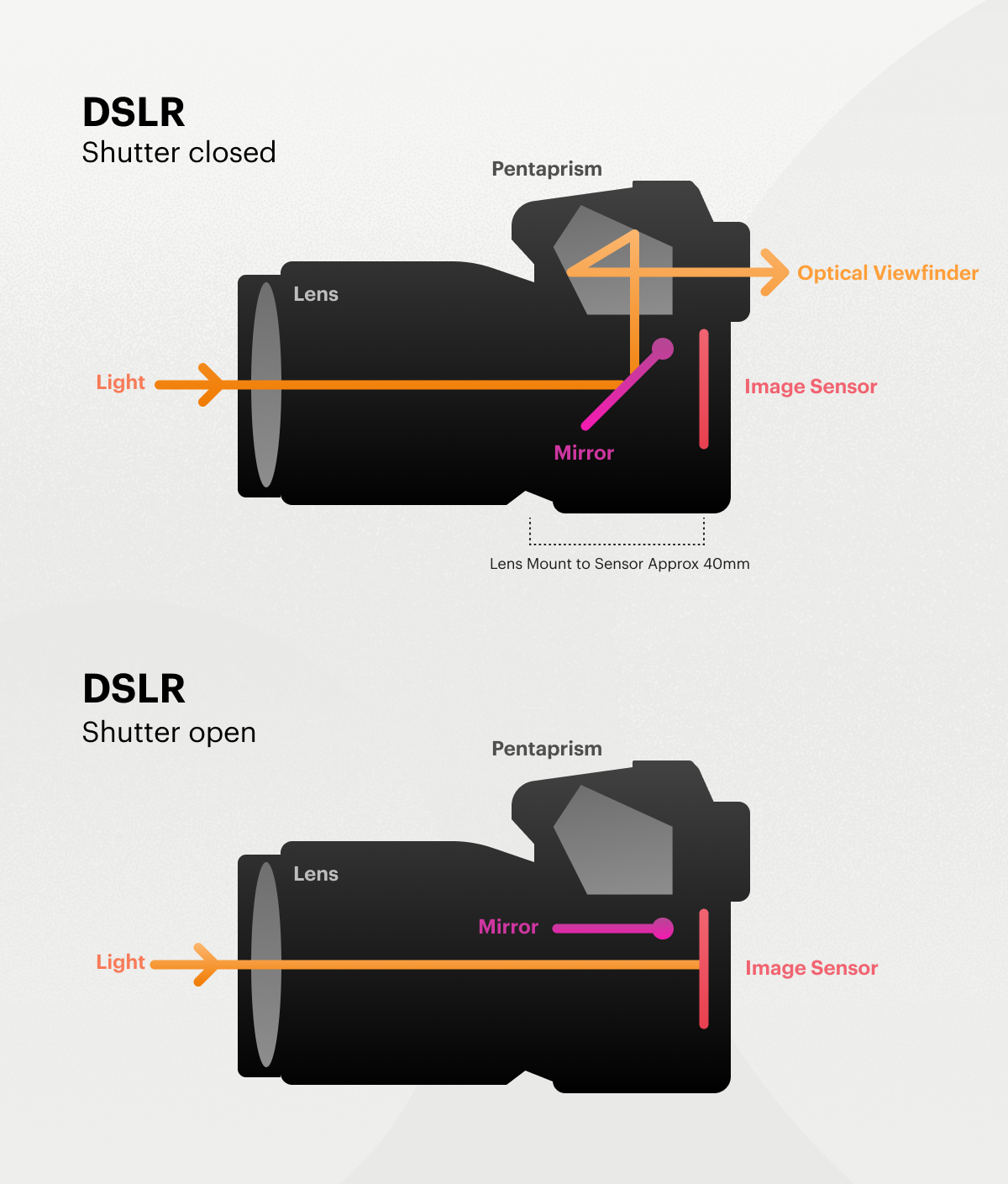
A mirrorless camera does not use the mirror and optical viewfinder system found in a DSLR. Instead, light passes through the lens and reaches the image sensor directly.
The sensor then sends a live image to the electronic viewfinder or rear screen. This design gives you a preview of exposure, color, focus, and depth of field before you press the shutter.
A DSLR, or digital single-lens reflex camera, uses a mirror to reflect light into an optical viewfinder. The mirror moves up when you take a photo so light can reach the sensor.
This difference explains much of why are mirrorless cameras better than dslr for modern photography. Removing the mirror box allows camera makers to create smaller bodies, improve autofocus systems, and add more useful electronic tools.
Why Are Mirrorless Cameras Better Than DSLR?
Mirrorless cameras are not always better for every photographer. However, they offer several practical advantages that matter to beginners, travelers, content creators, professionals, and hybrid shooters.
Here are the main reasons:
• Smaller and lighter bodies
• Faster and smarter autofocus
• Real-time exposure previews
• Silent shooting modes
• Faster continuous shooting
• Advanced subject detection
• More flexible lens designs
• Helpful electronic viewfinder tools
Let’s explore each benefit in detail.
Smaller and Lighter Design
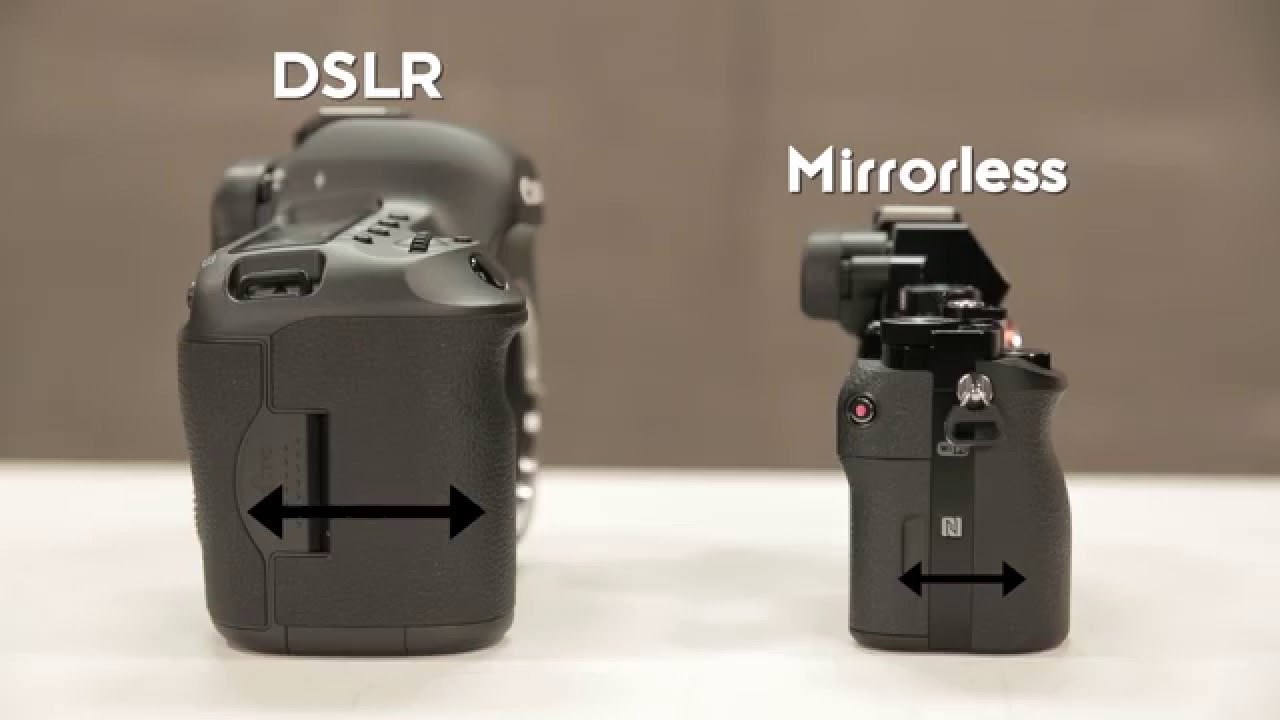
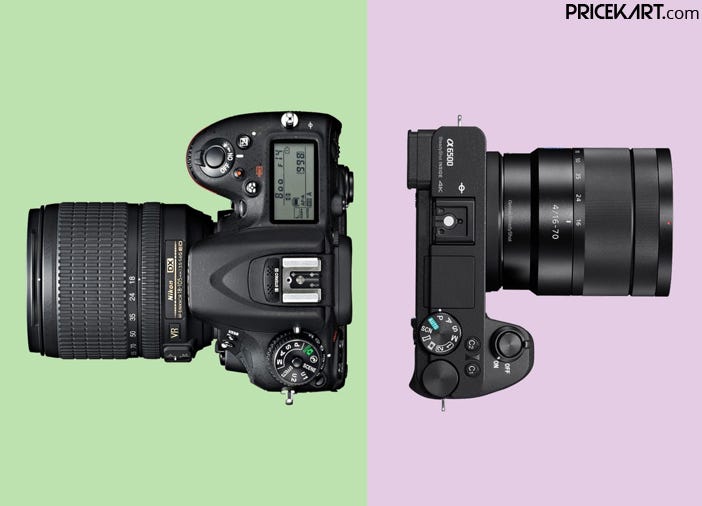
The mirror and optical viewfinder in a DSLR require extra space inside the camera body. A mirrorless camera removes those parts, which can make the body smaller and lighter.
The weight savings can be important during travel or long photo walks. A camera that weighs a few ounces less may not sound different at home, but it feels much better after several hours on a trail or in a busy city.
A smaller body can also make photography less tiring. This is one of the clearest answers to why are mirrorless cameras better than dslr for travel photographers.
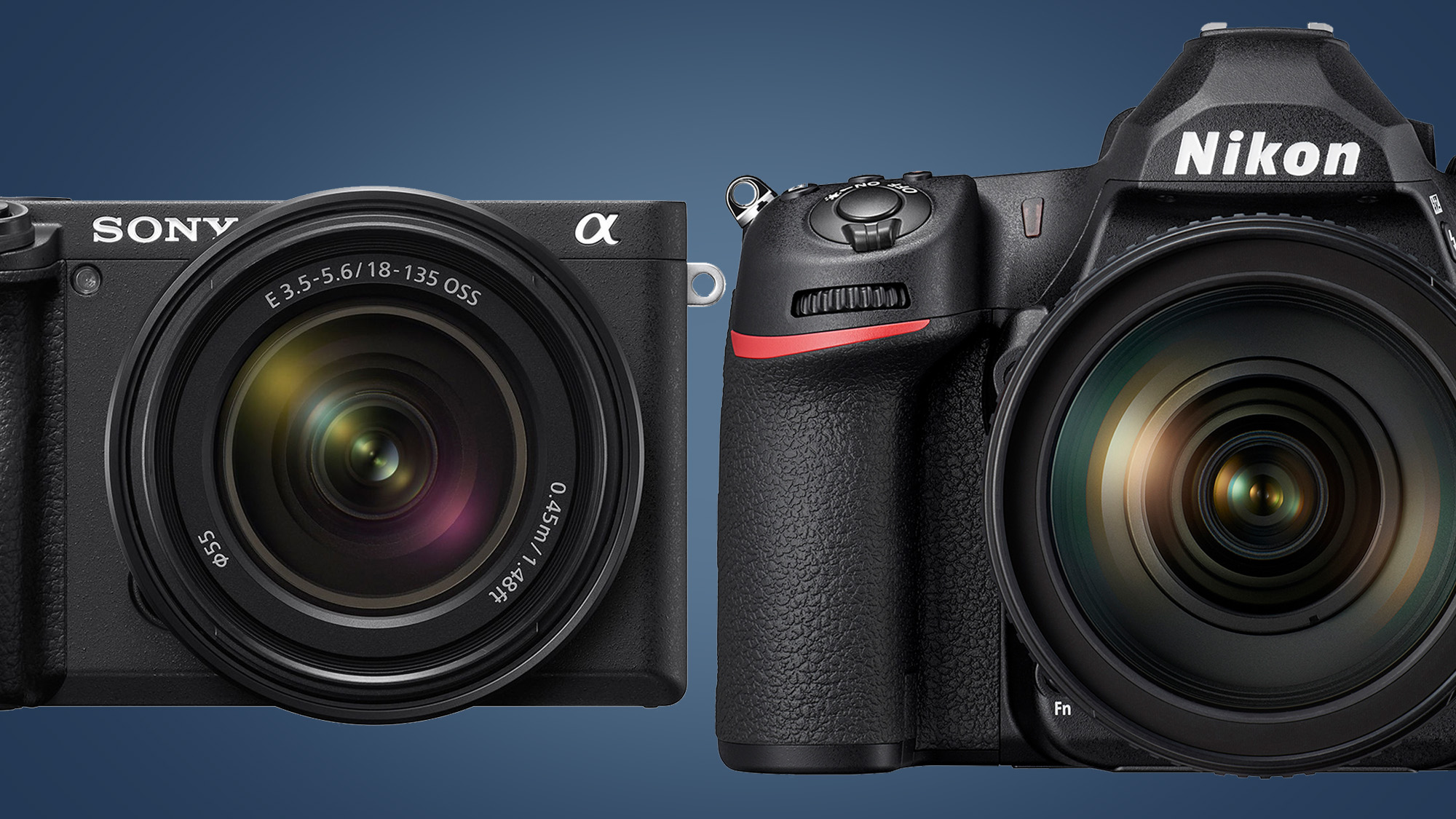
Still, the total weight depends on the lens. A full-frame mirrorless body with a large professional lens may weigh as much as, or more than, a midrange DSLR. The body is often smaller, but the full system is not always tiny.
More Advanced Autofocus
Modern mirrorless cameras use the image sensor for autofocus. This allows them to detect faces, eyes, animals, vehicles, and other subjects across much of the frame.
Many current models can track a subject as it moves toward or away from the camera. This is useful for sports, wildlife, weddings, family photos, and fast-moving pets.
DSLRs can also focus quickly, especially through their dedicated phase-detection systems. However, their live view autofocus and video autofocus often feel less consistent than those of newer mirrorless cameras.
During hands-on shooting, I noticed that eye autofocus can reduce missed portraits. Instead of moving a focus point by hand, I could let the camera find the eye and focus on timing, expression, and composition.
Real-Time Exposure Preview
An electronic viewfinder can show how the final photo may look before you take it. You can often preview brightness, white balance, color, and depth of field.
This feature is helpful for beginners because it connects camera settings with visible results. Change the shutter speed, aperture, or ISO, and the preview changes with it.
A DSLR’s optical viewfinder shows the scene as it appears through the lens. It does not show the exact effect of exposure settings before capture.
This real-time feedback is another strong reason why are mirrorless cameras better than dslr for learning manual photography. You can make adjustments with less guesswork.
The preview is not perfect. Very dark scenes, extreme lighting, or poor viewfinder displays can make the electronic image look noisy or delayed. Still, the advantage is significant for most everyday work.
Better Video Performance
Mirrorless cameras have become popular with video creators because their design works well with electronic focusing and live sensor readout.
Many models offer features such as:
• 4K or higher video
• Eye and face tracking during recording
• Log picture profiles
• In-body image stabilization
• Headphone and microphone ports
• High frame rate slow motion
• Focus peaking
A DSLR can record good video, but many older models have slower autofocus, limited screen movement, or fewer video controls. Mirrorless cameras often provide a smoother experience for both photography and filmmaking.
If you make YouTube videos, interviews, short films, or social media clips, this may be the most important answer to why are mirrorless cameras better than dslr.
Silent Shooting
Many mirrorless cameras offer an electronic shutter mode. This can let you take photos with almost no sound.
Silent shooting is useful at:
• Weddings
• Museums
• Theaters
• Wildlife locations
• Religious services
• Newborn sessions
• Street photography
A DSLR mirror makes a noticeable sound each time it moves. Some DSLRs offer quiet modes, but they may still produce mechanical noise.
Electronic shutters have limits. Fast movement can cause rolling shutter distortion, where straight objects appear tilted. Artificial lights may also create banding or uneven exposure. For this reason, silent mode works best when the subject is still and the lighting is stable.
Faster Shooting Speeds
Without a physical mirror that must move up and down, mirrorless cameras can shoot at very high frame rates. Some advanced models can capture dozens of frames per second.
This helps when photographing:
• Birds in flight
• Athletes
• Children at play
• Dance performances
• Motor sports
• Fast animal movement
A high frame rate does not guarantee better photos. You still need good light, accurate focus, and enough memory card space. However, it gives you more chances to capture the right moment.
This speed is a major part of why are mirrorless cameras better than dslr for action photography. The camera can react quickly and maintain focus over a burst of images.
Useful Electronic Viewfinder Tools
An electronic viewfinder can display more than a basic live image. Depending on the model, it may show:
• A level gauge
• A histogram
• Focus peaking
• Exposure warnings
• Focus magnification
• Grid lines
• White balance effects
• Custom shooting information
These tools help you work with greater control. Focus peaking, for example, highlights areas that appear sharp. It can make manual focusing easier for macro, landscape, and video work.
The electronic viewfinder acts like a small control center. It shows what the camera sees and helps you make decisions before capture.
More Flexible Lens Mount Designs
Because mirrorless cameras have a shorter distance between the lens mount and the sensor, manufacturers can design new lenses with greater flexibility.
Some mirrorless systems offer compact wide lenses, fast professional zooms, and advanced autofocus lenses. Adapters also allow many older DSLR lenses to work on mirrorless bodies.
Lens adapters can be useful, but they are not always perfect. Autofocus speed, stabilization, and compatibility may vary. Native lenses usually provide the best performance.
The lens range is important when considering why are mirrorless cameras better than dslr. A camera body is only part of the system, so check lens cost, size, and availability before buying.

Mirrorless vs. DSLR: Key Differences
The main difference is not image quality alone. Both systems can produce sharp, detailed photos with strong color and excellent dynamic range.
The larger differences involve design, operation, autofocus, battery use, and video performance.
| Feature | Mirrorless camera | DSLR |
|---|---|---|
| Viewfinder | Electronic | Optical |
| Internal mirror | No | Yes |
| Body size | Often smaller | Often larger |
| Live exposure preview | Yes | Usually no |
| Video autofocus | Often strong | Varies by model |
| Battery life | Often lower | Often higher |
| Silent shooting | Common | Less common |
| Lens selection | Growing quickly | Large and mature |
| Used market | Expanding | Often excellent value |
| Mechanical feel | Electronic and quiet | Traditional and tactile |
Image quality depends more on the sensor, lens, lighting, and photographer than on the presence of a mirror.
A high-end DSLR may outperform a low-cost mirrorless camera in some situations. A skilled photographer can also create outstanding work with either system.
The best answer to why are mirrorless cameras better than dslr is therefore practical rather than absolute. Mirrorless models offer more modern tools, but those tools may not matter to every user.

Mirrorless Camera Benefits for Different Photographers
Travel Photographers
Travel photographers often carry a camera for long periods. A compact body, smaller lens options, and electronic preview can make the trip easier.
Mirrorless cameras also tend to offer strong image stabilization. This can help you take sharper photos in dim restaurants, old buildings, and evening streets without using a tripod.
A small camera may attract less attention than a large professional DSLR. That can help you work naturally in public places.
Portrait Photographers
Eye detection can make portrait sessions more efficient. The camera can track the subject’s eye while you adjust framing and wait for a natural expression.
The electronic viewfinder also lets you preview background blur. This helps you decide whether the aperture creates the look you want.
For professional portraits, lighting and posing still matter more than camera type. Mirrorless technology supports the process, but it does not replace good creative judgment.
Wildlife and Sports Photographers
Fast autofocus and high burst rates are valuable for action. Subject recognition can help the camera follow a bird, dog, or athlete across the frame.
However, wildlife photographers should examine battery life, buffer size, tracking quality, and long-lens availability. A camera with excellent specifications may still struggle if the lens is slow or the buffer fills quickly.
Video Creators
Mirrorless cameras are usually the better fit for people who take both photos and videos. Their live view systems are built around constant sensor operation.
Look for a model with good heat control, clean audio support, a fully articulating screen, and reliable autofocus. A camera that records high resolution but overheats quickly may not suit long projects.
Beginners
Beginners often benefit from an electronic viewfinder because it makes camera settings easier to understand. The preview shows how exposure changes before the photo is taken.
That said, a DSLR can be a great learning tool. Used DSLR kits are often affordable, and the optical viewfinder teaches you to judge light with your eyes.
The Limitations of Mirrorless Cameras
A fair comparison must include the disadvantages. Understanding these limits can help you avoid an expensive mistake.
Shorter Battery Life
An electronic viewfinder and rear screen use power. A mirrorless camera may need more batteries during a full day of shooting than a DSLR.
You can improve battery life by:
• Carrying one or two spare batteries
• Turning off wireless features when not needed
• Using the viewfinder instead of the rear screen
• Lowering screen brightness
• Setting a shorter sleep time
Battery technology continues to improve, but power use remains a practical concern.
Electronic Viewfinder Lag
Most modern electronic viewfinders are fast and clear. Still, some low-cost models can show a slight delay, especially in dark scenes.
Optical viewfinders provide a direct view through the lens. Some photographers prefer this natural experience, particularly for fast street work or bright outdoor scenes.
Rolling Shutter
Electronic shutters scan the sensor from one area to another. If a subject moves quickly during this process, the image may look bent or stretched.
Rolling shutter can affect:
• Fast sports
• Propellers
• Golf swings
• Panning shots
• Flash photography
Many newer mirrorless cameras reduce this problem with faster sensor readout or a mechanical shutter. Check independent reviews if you often photograph fast action.
Higher Cost
New mirrorless systems may cost more than older DSLR systems. Native lenses can also be expensive, especially professional zooms.
A used DSLR kit may provide more value for someone who mainly takes still photos. This is a key limitation when asking why are mirrorless cameras better than dslr on a budget.
Menu Complexity
Mirrorless cameras often include more features. That can mean deeper menus and more settings to learn.
The solution is simple: start with a basic setup. Learn aperture, shutter speed, ISO, autofocus mode, and exposure compensation first. Add advanced features as your needs grow.
Are DSLRs Still Worth Buying?
Yes. DSLRs remain useful cameras, especially when purchased used or already owned.
A DSLR may be the better choice if you value:
• Long battery life
• An optical viewfinder
• Low used prices
• A large range of older lenses
• Familiar physical controls
• A traditional shooting experience
Canon, Nikon, and Pentax DSLR systems have many affordable lenses and accessories. A used DSLR can produce professional results for portraits, landscapes, products, and events.
The main concern is system age. Many manufacturers now focus most of their development on mirrorless products. New DSLR releases are less common, and future lens development may favor mirrorless mounts.
If you already own several DSLR lenses, switching systems can be costly. Selling everything at once is not always wise. An adapter or gradual upgrade may offer a better path.
How to Choose Between Mirrorless and DSLR
Use your actual shooting habits, not only a specification sheet.
Follow these steps:
-
Decide what you photograph most often. Travel, portraits, sports, video, and landscapes each have different needs.
-
Set a full system budget. Include lenses, batteries, memory cards, a bag, and insurance.
-
Hold the camera in person. Grip shape, button placement, and weight affect daily comfort.
-
Test the viewfinder. Some people love electronic displays, while others strongly prefer optical views.
-
Check lens availability. A camera body is a long-term investment, but lenses often remain useful for many years.
-
Review autofocus performance. Look for tests that match your subject, such as birds, people, or low-light scenes.
-
Consider battery use. Plan for spare batteries if you shoot weddings, travel, or long events.
-
Think about video needs. Check recording limits, stabilization, ports, and heat control.
-
Compare used and new prices. A last-generation mirrorless camera may offer better value than the newest model.
When I compare cameras, I pay close attention to comfort and workflow. A camera with fewer headline features can be the better choice if it feels natural and encourages you to shoot more often.
One mistake I often see is buying a large camera for imagined future needs. Choose for the work you do now, with enough room for realistic growth.
Common Mistakes to Avoid
Buying based only on megapixels is a common error. More megapixels can help with cropping, but lens quality, focus accuracy, light, and technique also matter.
Another mistake is ignoring lens size. A small camera with a huge lens may not be easier to carry than a larger camera with a compact lens.
Avoid switching systems without calculating the full cost. Include adapters, replacement lenses, batteries, chargers, and resale losses.
It is also easy to believe that a new camera will instantly improve creativity. Better equipment can solve certain technical problems, but practice still builds timing, composition, and visual skill.
The most useful lesson is simple: choose the tool that removes obstacles from your style of photography.
Frequently Asked Questions About Why Are Mirrorless Cameras Better Than DSLR
Are mirrorless cameras better than DSLRs for beginners?
Mirrorless cameras can be easier for beginners because the electronic viewfinder previews exposure and color. DSLRs can still be excellent learning tools, especially when available at a low used price.
Do mirrorless cameras take better pictures than DSLRs?
Not automatically. Image quality depends on the sensor, lens, lighting, focus, and photographer, although modern mirrorless cameras often provide better autofocus and video tools.
Why are mirrorless cameras better than DSLR for video?
Mirrorless cameras are designed around continuous sensor viewing, which supports strong autofocus, stabilization, and live exposure control during recording. Many models also provide modern video formats and useful monitoring tools.
Do mirrorless cameras have better autofocus?
Many current mirrorless cameras have advanced eye, face, and subject detection. A high-quality DSLR can focus very well through its optical system, but mirrorless models often perform better in live view and video.
Are mirrorless cameras lighter than DSLRs?
The camera body is often lighter because it does not need a mirror box or optical prism. The complete kit may not be lighter if you use large professional lenses.
Do mirrorless cameras use more battery power?
Usually, yes. The electronic viewfinder and sensor must use power, so carrying spare batteries is a good idea for long shooting days.
Is it worth switching from DSLR to mirrorless?
Switching may be worthwhile if you need better video, eye autofocus, silent shooting, or a smaller body. If your DSLR already meets your needs, keeping it and investing in better lenses may be more practical.
Conclusion
Mirrorless cameras are often better than DSLRs because they offer smaller bodies, advanced autofocus, silent shooting, real-time previews, fast burst rates, and stronger video features. These advantages explain why are mirrorless cameras better than dslr for many modern photographers.
DSLRs still make sense for photographers who value optical viewfinders, long battery life, low used prices, and established lens systems. The right choice depends on your subjects, budget, comfort, and long-term plans.
Try both types before you buy, and judge the complete system rather than the camera body alone. Explore hands-on reviews, compare lenses, and share your own camera experience in the comments.
Recent Posts
Parts of a 35mm Camera: Complete Guide to Every Key Part and Its Function
Learn the parts of a 35mm camera, what each part does, and how the lens, shutter, film chamber, viewfinder, and controls work together.
Parts of a Camera Canon: A Complete Guide to Canon Camera Parts and Functions
Learn the parts of a Canon camera, what each part does, and how the lens, sensor, shutter, controls, viewfinder, and screen work together.