
The advantages of DSLR camera systems come from a mix of large sensors, interchangeable lenses, direct controls, and a traditional optical viewfinder . These features give photographers more control over how a photo looks before they press the shutter. For portraits, sports, landscapes, wildlife, events, and everyday photography, that control can be very useful.
In my view, one of the biggest strengths of a DSLR is how clearly it teaches the basics of photography. You can adjust shutter speed, aperture, ISO, focus, and exposure while seeing how each choice changes the final image. A beginner can start with automatic modes and then move to manual controls as their skills grow.

What Is a DSLR Camera?
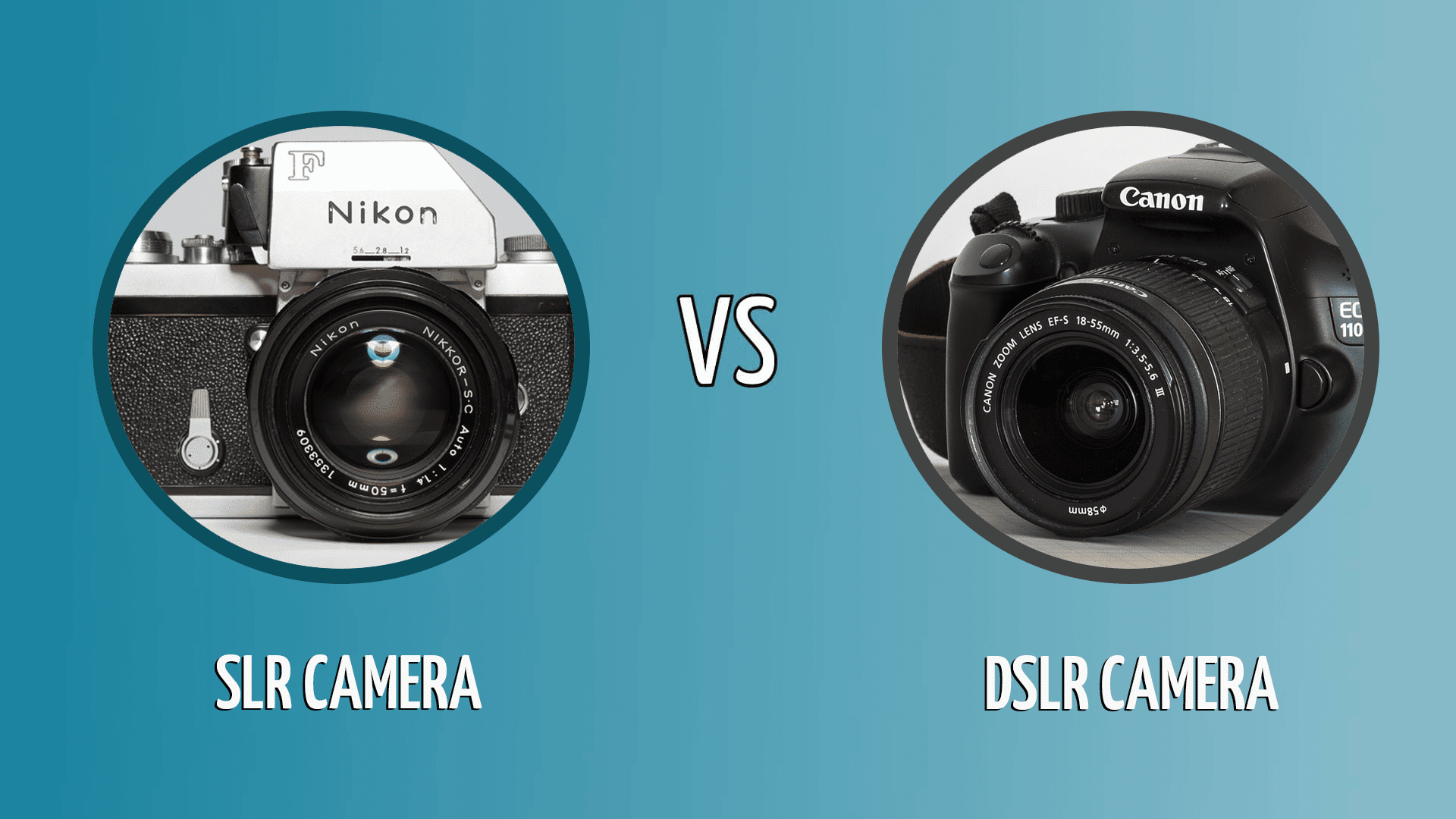
DSLR stands for Digital Single-Lens Reflex. A DSLR uses a mirror and prism system to send light from the lens to an optical viewfinder. When you take a photo, the mirror moves so light can reach the digital image sensor.
This design gives a DSLR a direct optical viewing system. It also supports interchangeable lenses, which lets you use the same camera body for many different subjects. A wide lens can suit landscapes, while a telephoto lens can help with wildlife or sports.
Understanding this basic design makes the advantages of DSLR camera systems easier to see. The camera gives you both a strong automatic system and a deep level of manual control.
- ✦ Optical viewfinder
You can look through the lens with an optical viewfinder and see the scene directly through the camera’s mirror and prism system.
- ✦ Interchangeable lenses
You can change lenses to match different subjects, distances, lighting conditions, and creative goals.
- ✦ Manual controls
You can control shutter speed, aperture, ISO, focus, and other settings instead of relying only on automatic modes.
1. Excellent Image Quality
One of the main advantages of DSLR camera systems is their ability to produce high-quality images. Many DSLRs use APS-C or full-frame sensors. These sensors can capture a large amount of image data and give photographers more room to edit their photos.
Image quality also depends on the lens, lighting, focus, exposure, and photographer’s skill. A good DSLR does not automatically create a great photo. However, its sensor and lens system can give you a strong technical base.
For people who print photos, crop images, or edit RAW files, this extra control can be valuable. It can also help when shooting detailed subjects such as landscapes, architecture, products, and portraits.

- ✦ More detail
A capable DSLR and quality lens can capture fine details that remain useful when an image is cropped or printed.
- ✦ RAW shooting
Many DSLRs can save RAW files, which preserve more image information for later editing.
- ✦ Better creative control
Manual exposure and focus options let you shape the image instead of accepting the camera’s default choices.
2. Wide Range of Interchangeable Lenses
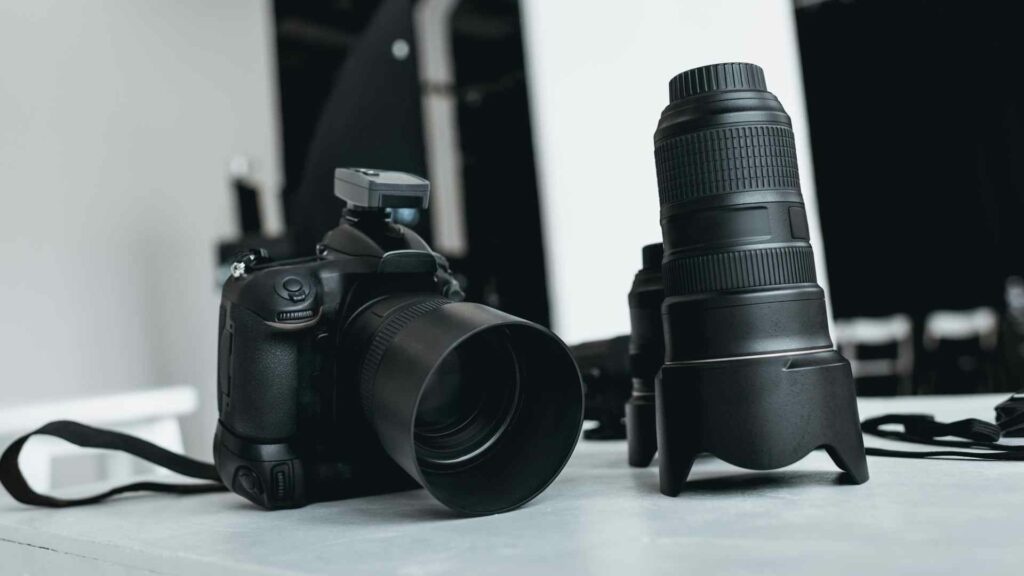
Another major advantage of DSLR camera systems is lens choice. A single camera body can work with many lenses. This makes the system useful for photographers who shoot different types of subjects.
For example, a 24mm or similar wide-angle lens can work well for landscapes and buildings. A standard lens can suit street photography and daily use. A telephoto lens can bring distant wildlife or athletes closer.
This flexibility also makes it easier to develop a photography kit over time. You can buy one camera and one basic lens first, then add lenses when your skills and needs grow.
- ✦ Wide-angle lenses
These lenses can capture broad scenes and are useful for landscapes, travel, interiors, and architecture.
- ✦ Prime lenses
Prime lenses use one focal length and often offer wide apertures that can create strong background blur.
- ✦ Telephoto lenses
Telephoto lenses help you frame distant subjects, making them useful for sports, wildlife, and some outdoor portraits.
- ✦ Macro lenses
Macro lenses are designed for close-up work and can reveal small details in flowers, insects, products, and other subjects.
3. Strong Manual Control
Manual control is one of the most useful advantages of DSLR camera systems. You can set the shutter speed, aperture, and ISO to control how the camera records light. This helps you create a photo that matches your goal rather than simply accepting an automatic result.
Shutter speed controls how long the sensor receives light. A fast shutter can help freeze a moving subject. A slow shutter can show motion blur when the camera and subject are used in the right way.
Aperture affects both exposure and depth of field. A wide aperture can help separate a person from the background. A smaller aperture can keep more of a scene sharp. ISO changes the sensor’s sensitivity setting and can help when light is limited.
- ✦ Shutter speed
Use faster speeds to reduce motion blur or slower speeds to create intentional motion effects.
- ✦ Aperture
Change the aperture to control light and the amount of the scene that appears in focus.
- ✦ ISO
Raise ISO when you need more exposure in low light, while keeping in mind that higher ISO settings can add image noise.
Why Manual Control Matters for Beginners
A DSLR can be a useful learning tool because its controls are clear and easy to connect with basic photography ideas. Beginners can start in automatic mode and slowly test aperture priority, shutter priority, and manual mode.
This step-by-step path can build a better understanding of exposure. Once you know what each setting does, you can make faster and more deliberate choices.
4. Optical Viewfinder Gives a Direct View
The optical viewfinder is another important advantage of DSLR camera design. It uses the camera’s mirror and prism to let you view the scene through the lens without relying on an electronic screen.
An optical viewfinder does not need to generate a digital preview. This can make the view feel natural and direct. It can also be helpful when you want to hold the camera firmly against your face while composing a shot.
The viewfinder can be especially useful outdoors on bright days. A rear LCD screen may become harder to see under strong sunlight, while an optical viewfinder remains usable.
- ✦ Direct optical view
You see the scene through the lens using the mirror and prism system.
- ✦ Useful in bright light
The optical viewfinder can make framing easier when bright outdoor light makes a rear screen difficult to see.
- ✦ Stable shooting position
Bringing the camera to your eye can provide a firm three-point contact with your hands and face.
5. Long Battery Life
Battery life is another practical advantage of DSLR camera systems. Because the optical viewfinder does not need a display or electronic viewfinder to show the scene during normal shooting, the camera can often use less power than a system that relies heavily on an electronic display.
Actual battery life varies by camera, battery, temperature, image review, autofocus use, flash use, and other settings. Still, long battery endurance can be helpful during weddings, travel days, outdoor trips, and events.
For photographers who spend many hours away from a power outlet, carrying one or two spare batteries can make a DSLR setup even more dependable.

- ✦ Travel friendly
Long battery endurance can reduce the need to stop and recharge during a full day of photography.
- ✦ Useful for events
A DSLR can be practical for long shoots such as weddings, school events, sports, and community gatherings.
- ✦ Simple backup plan
Carrying a spare battery is a simple way to prepare for a long shooting session.
6. Fast and Familiar Physical Controls
DSLR bodies often provide physical dials, buttons, and switches for common settings. Once you learn where the controls are, you can change settings without spending much time inside menus.
This matters when a subject changes quickly. A photographer covering a soccer game may need to change shutter speed. Someone shooting a portrait may want to change aperture. Direct controls can make these changes easier to reach.
The physical design also helps create a consistent shooting routine. With practice, many settings become familiar enough that you can make changes while keeping your attention on the subject.
- ✦ Quick exposure changes
Dials can make it easy to adjust key exposure settings during a shoot.
- ✦ Better muscle memory
Repeated use of physical controls can help photographers learn where important settings are located.
- ✦ Less menu dependence
Common controls can often be reached without searching through several menu screens.
7. Good Low-Light Performance
Low-light work is another area where many DSLR cameras can perform well. A larger sensor, a bright lens, and manual exposure control can give you more options when light levels fall.
For example, you might use a wide-aperture lens for an indoor portrait or raise the ISO when shooting a night event. The best result depends on the camera, lens, settings, and available light.
A DSLR does not remove the need for good technique in dark scenes. Stable camera handling, proper focus, suitable shutter speed, and a fast lens still matter. But the system gives you the tools to manage difficult light.
- ✦ Large sensors
Many DSLR models use APS-C or full-frame sensors that can provide strong image quality in challenging light.
- ✦ Fast lenses
A lens with a wide maximum aperture can allow more light to reach the sensor.
- ✦ Manual exposure
You can adjust exposure settings to suit the scene instead of relying only on automatic metering.
8. Durable Handling and Comfortable Grip
Many DSLR cameras have a deep grip and a body designed for extended handheld use. The larger body can feel comfortable when paired with larger lenses, especially during long shoots.
Higher-end DSLR models may also use strong materials and weather-resistant construction. However, weather sealing differs by model, so you should always check the camera’s specifications before using it in rain, dust, or extreme conditions.
The physical size of a DSLR can be both an advantage and a drawback. The larger body can provide a stable grip, but it also makes the camera less compact than many smaller cameras and phones.
- ✦ Comfortable grip
A larger grip can make it easier to hold the camera securely during long shooting sessions.
- ✦ Balanced with large lenses
A larger body can provide a useful balance when using heavy telephoto or professional lenses.
- ✦ Built for regular use
Many DSLR models are designed for repeated use, with higher-end bodies offering stronger construction and added protection.
9. Useful for Many Types of Photography
A DSLR can serve many photography needs because the camera body can work with different lenses and accessories. This makes the system suitable for people who want to explore more than one style of photography.
A family photographer may use a standard lens for daily photos and a portrait lens for people. A wildlife photographer can add a long telephoto lens. A landscape photographer can choose a wide-angle lens and a tripod.
This flexibility is one reason DSLR cameras remain useful even as newer camera designs become more common. The right DSLR setup can adapt as your interests change.
- ✦ Portrait photography
A DSLR paired with a suitable lens can provide strong subject separation and detailed portraits.
- ✦ Wildlife photography
Telephoto lenses can help photographers frame distant animals without moving close to them.
- ✦ Sports photography
Fast shutter speeds and responsive autofocus can help capture quick action.
- ✦ Landscape photography
Wide-angle lenses, manual exposure, and RAW capture provide useful tools for detailed outdoor scenes.
10. Strong Used-Market Value and Affordable Older Models
Another practical advantage of DSLR camera systems is the large used market. Many photographers upgrade their equipment and sell older camera bodies and lenses. This can give beginners access to capable gear at lower prices than some new systems.
Older DSLR cameras can still produce excellent photographs. Image quality does not suddenly disappear when a newer model arrives. What matters is whether the camera has the features, condition, lens support, and performance you need.
If you buy used equipment, inspect the shutter count when available, sensor condition, lens condition, battery health, ports, buttons, and autofocus operation. Buying from a trusted seller can also reduce the risk of receiving damaged gear.
- ✦ Lower entry cost
Used DSLR bodies and lenses can provide an affordable path into interchangeable-lens photography.
- ✦ Large lens market
The long history of DSLR systems means many compatible lenses and accessories are available on the used market.
- ✦ Good learning platform
An older DSLR can offer full manual controls without requiring the latest premium camera body.
DSLR vs. Mirrorless: Are DSLRs Still Worth It?
The rise of mirrorless cameras has changed the camera market, but that does not remove the advantages of DSLR camera systems. Both designs can produce excellent images, and the better choice depends on what you value.
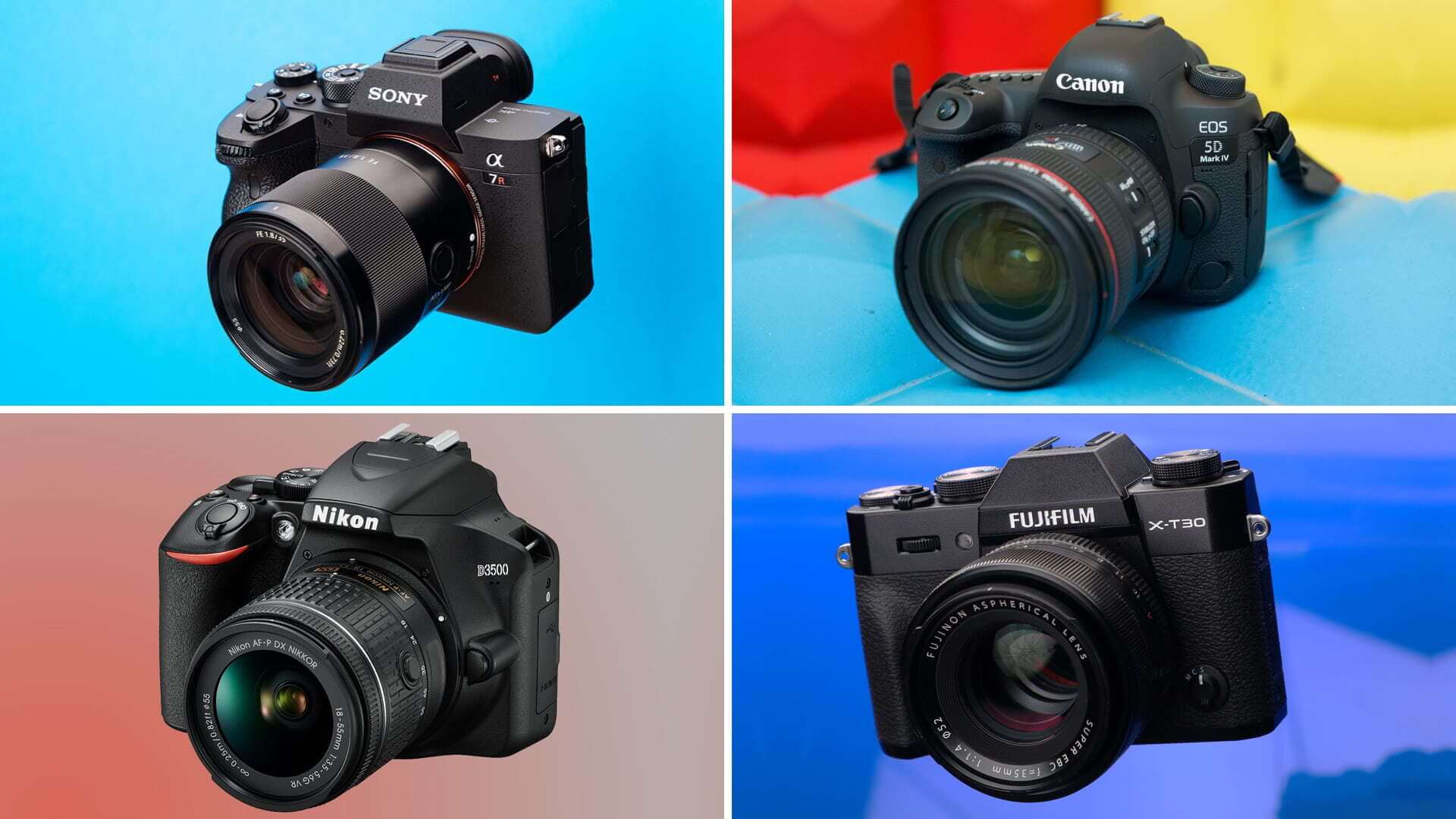
Mirrorless cameras tend to be smaller and use an electronic viewfinder. They also offer newer features on many models, such as advanced subject detection and strong video tools. DSLRs, on the other hand, offer an optical viewfinder, familiar controls, long battery life, and access to a large range of established lenses.
For a beginner, an older DSLR can be a cost-effective way to learn photography. For someone who wants the newest autofocus and video features, a newer mirrorless system may offer different benefits. The right choice should match your budget, subjects, lens needs, and shooting style.
- ✦ Choose a DSLR if you value
An optical viewfinder, strong battery life, physical controls, a large used lens market, and a familiar traditional camera design.
- ✦ Consider mirrorless if you value
A smaller body, electronic viewing, newer system features, and access to the latest mirrorless lens platforms.
- ✦ Think about the whole system
The camera body is only one part of the purchase. Consider lenses, batteries, storage, accessories, repairs, and future upgrades.
Do DSLRs Still Make Sense for Beginners?
Yes, a DSLR can still be a useful beginner camera. A reasonably priced used body can give you access to manual exposure, interchangeable lenses, RAW files, and a traditional viewfinder.
The key is to avoid buying more camera than you need. A simple body with one good lens can teach you more than a large collection of equipment that you rarely use.
Limitations to Consider Before Buying a DSLR
The advantages of DSLR camera systems are significant, but a balanced buying decision should also include their limits. DSLRs are often larger and heavier than many mirrorless cameras. The mirror and optical viewfinder system also adds mechanical parts to the camera.
Some newer mirrorless cameras offer advanced autofocus, video, and electronic viewfinder features that may not be available on older DSLRs. Camera makers have also shifted much of their new development toward mirrorless systems.
These points do not make a DSLR a poor choice. They simply show why you should match the camera to your actual needs. A camera that feels comfortable, fits your budget, and supports the subjects you shoot is often more useful than a camera with the newest specifications.
- ✦ Larger size
DSLR bodies and lenses can take up more space in a bag than smaller camera systems.
- ✦ More weight
A DSLR setup can become heavy when you add several lenses, a flash, and other accessories.
- ✦ Older technology in some models
Older DSLR bodies may lack newer autofocus, connectivity, and video features found on recent cameras.
- ✦ Mechanical parts
The mirror and shutter mechanisms add moving parts that can require care and may eventually need service.
How to Get the Most From a DSLR Camera
Buying a DSLR is only the first step. The biggest improvement usually comes from learning how to use the camera and practicing with purpose. You do not need a large kit to start making better photos.
Begin with the exposure triangle: aperture, shutter speed, and ISO. Learn how each setting changes the image, then practice the same scene with different settings. This simple exercise can build strong camera skills.
A good lens, spare battery, memory card, and basic tripod may be more useful than buying many accessories. As your photography improves, add equipment based on the subjects you actually shoot.
- ✦ Learn one setting at a time
Practice aperture first, then shutter speed and ISO, so you can see how each control affects the photo.
- ✦ Shoot in different light
Practice in daylight, shade, indoors, and at night to learn how your camera handles different conditions.
- ✦ Use RAW when appropriate
RAW files can give you more flexibility during editing when you need to adjust exposure or color.
- ✦ Study your mistakes
Review blurry, dark, bright, or poorly focused images and identify which setting caused the problem.
- ✦ Build your kit slowly
Buy lenses and accessories based on real shooting needs rather than collecting equipment without a clear purpose.
A Simple DSLR Setup for Beginners
A beginner does not need a large camera bag. Start with a reliable DSLR body, a general-purpose lens, a memory card, and an extra battery. A simple setup keeps the focus on learning rather than managing equipment.
Once you know what you enjoy shooting, you can add a specialized lens. For example, a portrait photographer may want a fast prime lens, while a wildlife photographer may need a telephoto lens.
Frequently Asked Questions about advantages of dslr camera
Recent Posts
Pros and Cons Mirrorless Camera: A Complete Guide for Photographers
Explore the pros and cons mirrorless camera buyers should know, from light weight and fast autofocus to battery life, cost, and lens choices.
Single Lens Reflex Cameras: How SLR and DSLR Cameras Work, Their Benefits, and How to Choose One
Learn how single lens reflex cameras work, how SLR and DSLR cameras differ, their key benefits, limits, lenses, and how to choose one.