
A mirrorless camera is called mirrorless because it has no reflex mirror between the lens and sensor.
The name sounds simple, but it explains a major change in camera design. Understanding why is it called mirrorless camera also helps you understand how these cameras focus, show previews, record video, and differ from traditional DSLRs. This guide breaks down the technology in clear terms, with practical tips for choosing and using one.
What does “mirrorless camera” mean?
The phrase mirrorless camera refers to a digital camera that does not use the internal mirror found in a DSLR. Instead, light travels through the lens and reaches the image sensor directly.
That sensor does two jobs:
• It captures the photo when you press the shutter button.
• It sends a live view to the rear screen or electronic viewfinder.
This direct design is the main reason why is it called mirrorless camera. There is simply no moving mirror in the optical path.
In a DSLR, the mirror reflects light upward into an optical viewfinder. In a mirrorless model, the camera uses an electronic display instead. You see a digital preview of the scene rather than looking through the lens with your eyes alone.
A simple way to picture it is to compare the two cameras to windows. A DSLR uses a small moving window that flips up during a photo. A mirrorless camera keeps the path open and uses a screen to show what the sensor sees.
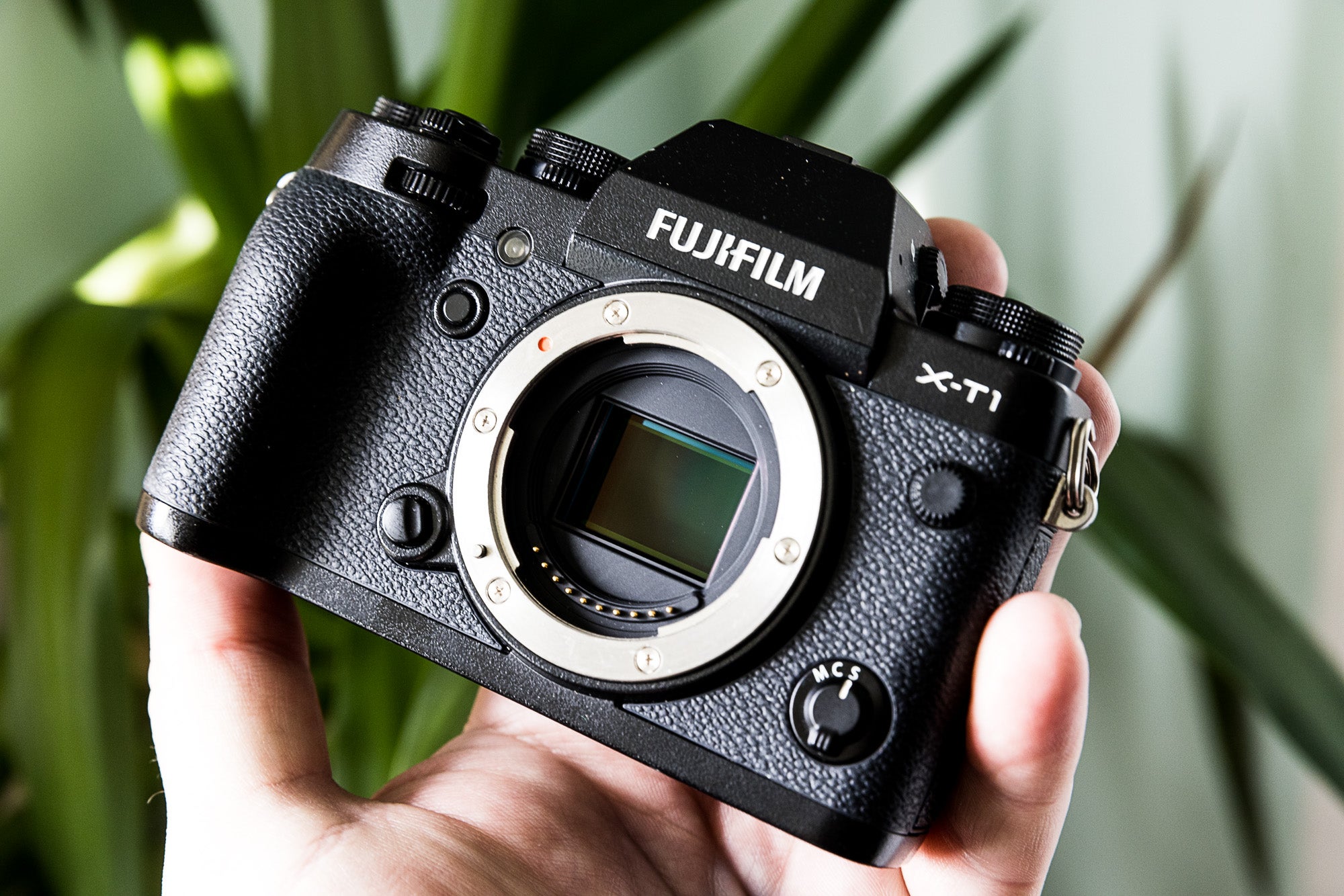
How a DSLR mirror works
To understand why is it called mirrorless camera, it helps to see what happens inside a DSLR.
When light enters a DSLR lens, it hits a flat mirror set at an angle. The mirror sends most of the light upward to a prism. The prism then directs the image into the optical viewfinder.
The mirror stays down while you compose the photo. When you press the shutter button, several things happen quickly:
-
The mirror flips upward.
-
The shutter opens.
-
Light reaches the image sensor.
-
The shutter closes.
-
The mirror returns to its original position.
This system works well, but it needs extra space for the mirror, prism, and related parts. It also creates sound and vibration when the mirror moves.
A mirrorless camera removes this entire mirror box. Light reaches the sensor all the time. The camera then uses the sensor feed to show the scene on a screen or electronic viewfinder.
That difference explains why is it called mirrorless camera more clearly than any marketing phrase. The camera does not need a reflex mirror to create a viewing system.
Why did camera makers remove the mirror?
The mirror was useful in film and early digital SLR cameras. It gave photographers a bright, direct optical view through the lens. However, digital sensors created a new option: the sensor itself could provide a live image.
Once cameras could read the sensor continuously, the mirror became less necessary. Engineers could build a smaller body with fewer moving parts.
The main reasons for removing the mirror include:
• Smaller camera bodies: Without a mirror box and optical prism, the body can be more compact.
• Lower weight: Fewer mechanical parts can reduce the camera’s overall weight.
• Faster electronic features: The sensor can provide live exposure, focus, and color information.
• Better video design: The camera can use the sensor for continuous video framing and autofocus.
• Quieter operation: Many mirrorless cameras offer electronic or silent shutter modes.
• Advanced autofocus: Modern sensors can detect focus across much of the frame.
The change was not only about size. It also changed how photographers work. A mirrorless camera can preview brightness, white balance, depth of field, and picture profiles before the photo is taken.
That live preview is one of the strongest benefits of the design. It feels like having a small editing guide inside the viewfinder.
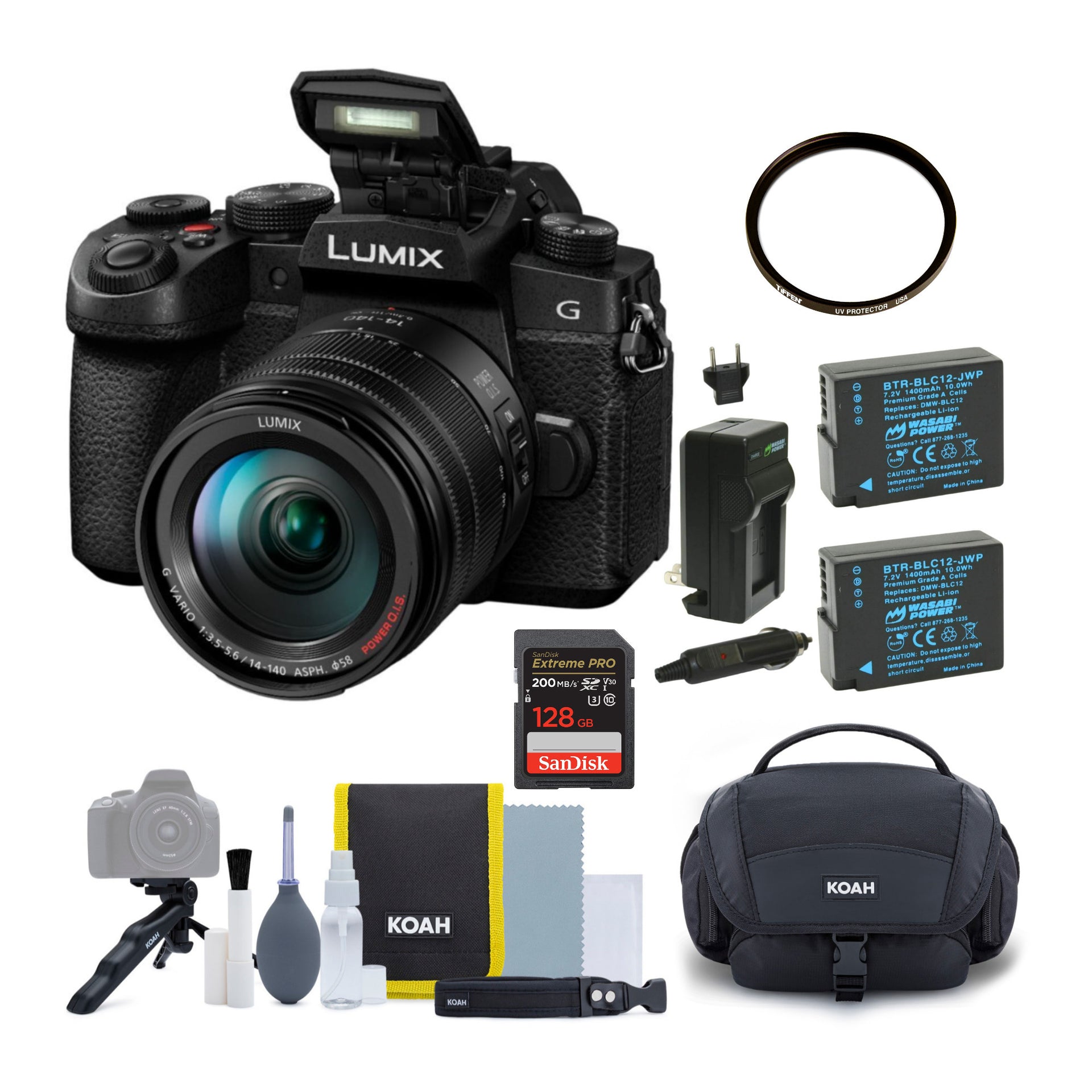
The history behind the name
The term mirrorless became popular as digital cameras moved beyond the traditional DSLR design. Early digital cameras often used fixed lenses or small sensors, but later models placed larger sensors in compact interchangeable lens bodies.
These cameras needed a clear name that separated them from DSLRs. Terms such as compact system camera, electronic viewfinder camera, and interchangeable lens camera were used in different markets. Mirrorless became the easiest term for most people to understand.
The name focuses on what the camera does not have. It does not describe the sensor size, lens mount, brand, or image quality. A mirrorless camera may use a Micro Four Thirds, APS C, full frame, or medium format sensor.
This point matters because mirrorless does not automatically mean small. Some professional mirrorless cameras are large, rugged, and heavy. Their bodies may be similar in size to professional DSLRs because they include large batteries, strong grips, weather sealing, and powerful processors.
So, why is it called mirrorless camera? The name describes the camera’s internal viewing system, not its size or performance level.
How a mirrorless camera shows your subject
A mirrorless camera normally uses one of two viewing methods:
The rear LCD screen
The rear screen works much like a phone camera display. It shows a live feed from the image sensor.
This method is useful for:
• Low-angle photos
• Overhead shots
• Video recording
• Self portraits
• Street photography
• Tripod work
The screen may be hard to see in bright sunlight. You may also need to hold the camera away from your face, which can make it less stable.
The electronic viewfinder
An electronic viewfinder, or EVF, is a small display inside the camera. It shows the same sensor feed as the rear screen but places it close to your eye.
An EVF can show:
• Exposure changes
• White balance
• Image profiles
• Focus peaking
• Histograms
• Shutter speed effects
• Depth of field previews
This is different from a DSLR optical viewfinder. An optical viewfinder shows reflected light from the real scene. An EVF shows a digital version created by the sensor.
The difference is another key part of understanding why is it called mirrorless camera. Since there is no mirror to send light to an optical viewfinder, the camera must use an electronic display.
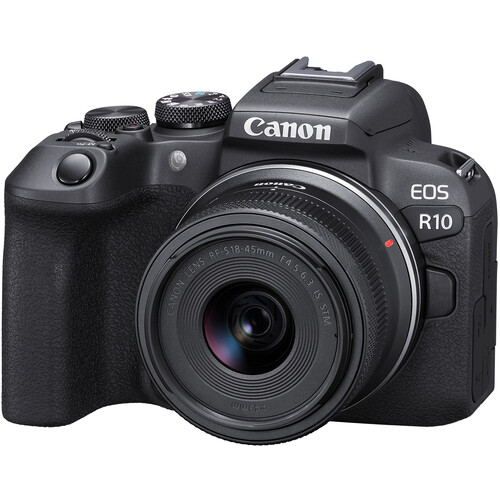
Mirrorless camera benefits
A mirrorless camera can offer several practical advantages. The exact experience depends on the model, lens, sensor, and software, but the basic design supports many modern features.
Smaller lens distance
The removal of the mirror allows a shorter distance between the lens mount and the sensor. This is called the flange distance.
A shorter flange distance can help manufacturers create compact camera bodies and new lens designs. It can also make it easier to adapt some older lenses with the correct adapter.
Real time exposure previews
The EVF can show how exposure changes before you take the photo. If you make the image brighter or darker, the preview can reflect that change.
This is helpful for beginners because it connects camera settings with visible results. It is also useful for professionals working in difficult light.
Strong video performance
Mirrorless cameras are often designed with video in mind. Their sensors can provide continuous live view, autofocus, and image stabilization while recording.
Many models support features such as:
• 4K video
• High frame rates
• Log picture profiles
• External microphones
• Headphone monitoring
• In body image stabilization
Still, video quality varies widely. Always check recording limits, overheating tests, crop factors, and autofocus performance before buying.
Wide autofocus coverage
Many modern mirrorless cameras use autofocus points across a large part of the sensor. This can help track a person, animal, or vehicle near the edge of the frame.
Some cameras also include subject recognition. They may identify eyes, faces, birds, cars, or other objects. These features can save time, but they are not perfect. Good results still depend on light, contrast, lens quality, and your selected focus mode.
Quiet shooting
Because there is no mirror to move, a mirrorless camera can often shoot with less noise. An electronic shutter may make the camera nearly silent.
Silent shooting is useful during:
• Weddings
• Theater shows
• Museums
• Wildlife photography
• Family events
Electronic shutters can create distortion with fast movement or flickering lights. For sports, concerts, and indoor events, test the setting before trusting it.
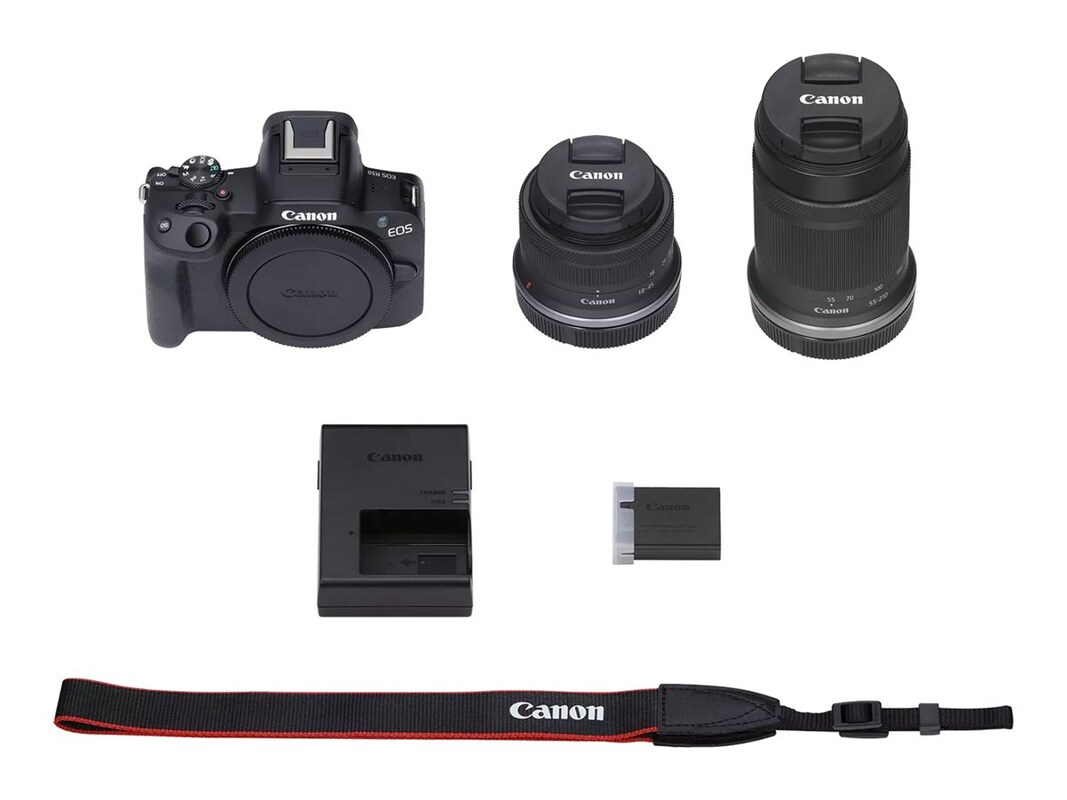
Mirrorless camera limitations
The lack of a mirror does not make every mirrorless camera better in every situation. The design has tradeoffs.
Battery life
An optical DSLR viewfinder can work without powering a display. A mirrorless camera must power the sensor and screen or EVF during normal use.
As a result, battery life may be shorter. You can reduce the problem by carrying a spare battery, turning off automatic previews, and using sleep settings.
Electronic viewfinder lag
Modern EVFs are fast and clear, but they are still electronic displays. In older or lower cost models, you may notice lag, noise in dark scenes, or a less natural view.
High quality EVFs reduce these issues. Still, photographers who prefer a direct optical view may enjoy a DSLR more.
Rolling shutter
An electronic shutter reads the sensor line by line rather than all at once. Fast movement can make straight objects look bent. This effect is called rolling shutter.
A mechanical shutter or faster sensor readout can reduce the problem. Check reviews if you plan to photograph sports, aircraft, propellers, or fast panning scenes.
Lens and accessory costs
A camera body is only part of the system. Native lenses, batteries, chargers, memory cards, and adapters add to the price.
Some mirrorless lens systems are newer than DSLR systems, so used lens choices may be smaller in certain mounts. On the other hand, many systems now offer broad lens ranges for travel, portraits, wildlife, sports, and professional work.
Learning curve
An electronic viewfinder offers more information, but that can feel overwhelming. Beginners may see focus boxes, histograms, exposure scales, and warnings all at once.
Start with a simple display. Add tools one by one as you become comfortable.
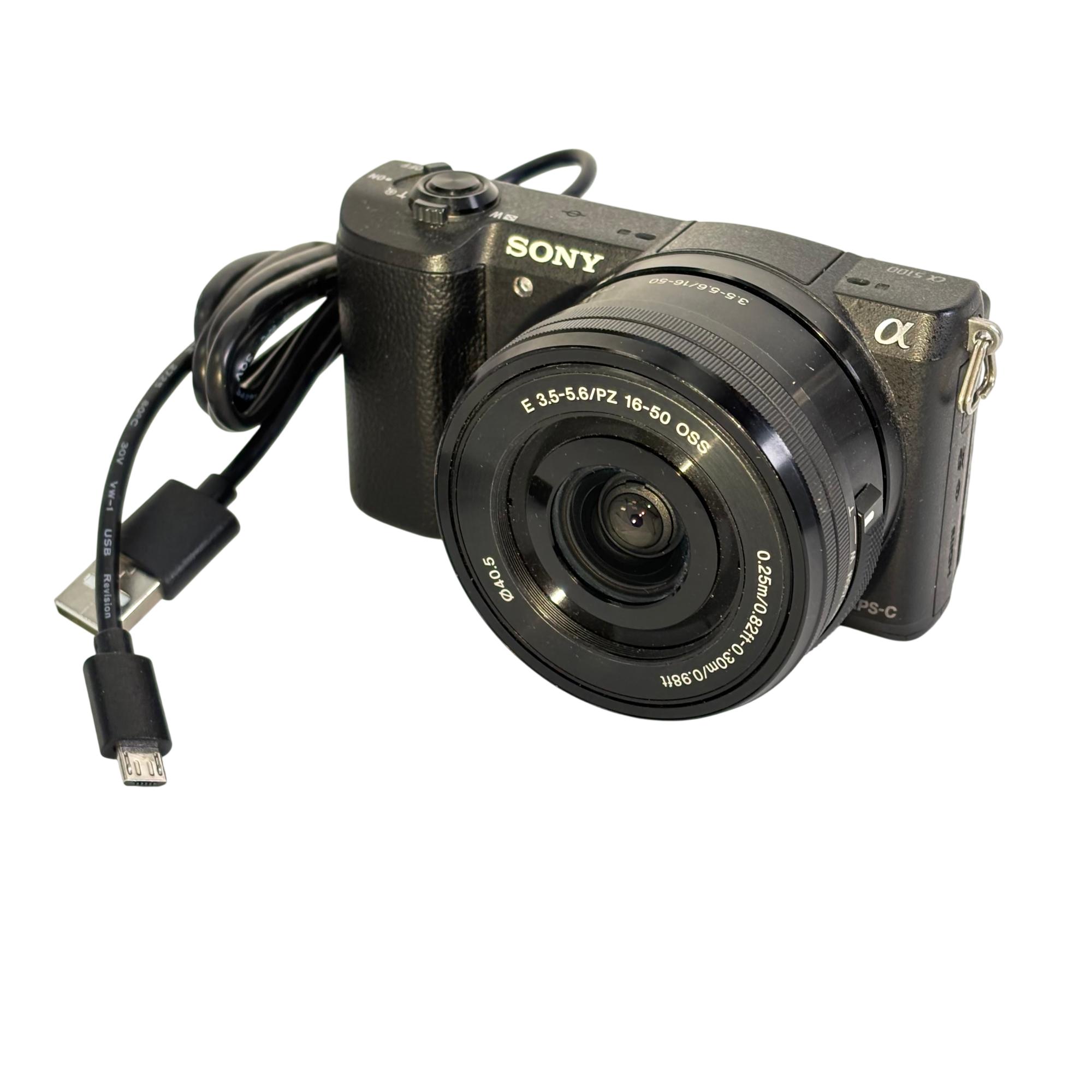
Mirrorless camera vs. DSLR
The biggest difference is the viewing system. A DSLR uses a reflex mirror and optical viewfinder. A mirrorless camera uses the sensor and an electronic display.
Here is a simple comparison:
| Feature | Mirrorless camera | DSLR |
|---|---|---|
| Viewfinder | Electronic viewfinder or screen | Optical viewfinder |
| Internal mirror | No | Yes |
| Live exposure preview | Usually available | Limited through optical viewfinder |
| Video autofocus | Often strong | Varies by model |
| Battery life | Often shorter | Often longer |
| Body size | Often smaller, but not always | Often larger |
| Silent shooting | Common on many models | Less common |
| Lens range | Growing rapidly | Mature and extensive |
Neither system is automatically right for every photographer. A DSLR may suit someone who values long battery life, optical viewing, and a large used lens market.
A mirrorless camera may suit someone who wants strong video tools, real time previews, compact equipment, and modern autofocus.
When people ask why is it called mirrorless camera, they are often trying to decide whether the design is worth choosing. The name explains the construction, but your shooting needs should guide the purchase.

My practical lessons from using mirrorless cameras
One lesson from hands-on camera testing is that the body size can be misleading. A small camera with a large telephoto lens may not feel light or balanced. Think about the full kit, not just the body.
Another lesson is to learn the EVF before an important trip or event. I have seen photographers miss shots because they changed exposure settings without noticing the preview had become too dark. Set the display to show a useful preview, and know how to return to a standard view.
A few practical tips can help:
-
Carry at least one spare battery.
-
Turn on eye autofocus only when it suits the subject.
-
Use mechanical shutter mode for fast movement if electronic shutter distortion appears.
-
Check the camera’s heat and recording limits before long video sessions.
-
Hold the camera close to your face when using the EVF for better stability.
-
Keep firmware updated when the manufacturer provides a trusted update.
-
Test third party lenses before buying several for a new system.
A common mistake is to buy based only on megapixels. Autofocus behavior, lens choice, grip comfort, battery life, and viewfinder quality often matter more in daily use.
How to choose the right mirrorless camera
Start with your subject and shooting style. A travel photographer may value low weight and long battery life. A wildlife photographer may need fast autofocus, a deep buffer, and long lenses.
Consider these points:
• Sensor size: Larger sensors can offer stronger low light performance and more background blur, but they often increase cost and lens size.
• Autofocus: Look for reliable subject tracking if you photograph people, animals, sports, or events.
• Video tools: Check resolution, frame rates, microphone support, stabilization, and recording limits.
• Ergonomics: Hold the camera in person if possible. Buttons and grip shape affect comfort.
• Lens system: Research the lenses you may want in the next three to five years.
• Weather protection: This matters if you work outdoors in rain, dust, or snow.
• Battery and storage: Confirm battery ratings and memory card requirements.
• Budget: Reserve money for at least one good lens, extra batteries, and a reliable card.
The best mirrorless camera is not always the newest or most expensive model. It is the one that fits your hands, your subjects, and your long term plans.
Frequently Asked Questions About Why Is It Called Mirrorless Camera
Why is it called mirrorless camera?
It is called a mirrorless camera because it does not use the movable reflex mirror found in a DSLR. Light travels directly from the lens to the image sensor.
Does a mirrorless camera have a viewfinder?
Many mirrorless cameras have an electronic viewfinder, but some use only a rear LCD screen. The electronic viewfinder shows a live digital feed from the sensor.
Is a mirrorless camera better than a DSLR?
Neither system is best for everyone. Mirrorless cameras often offer better video tools, live exposure previews, and compact designs, while DSLRs may provide longer battery life and optical viewing.
Are mirrorless cameras good for beginners?
Yes. A mirrorless camera can help beginners understand exposure because the viewfinder may show brightness changes before the photo is taken. Choose a model with simple controls and a lens that suits your main subjects.
Do mirrorless cameras have shutters?
Most mirrorless cameras have a mechanical shutter, an electronic shutter, or both. The electronic shutter can be quiet, but it may cause distortion with fast movement or flickering light.
Why do mirrorless cameras use more battery power?
The sensor and electronic viewfinder usually remain active while you compose a photo. This requires more power than the optical viewing system in a DSLR.
Can you use DSLR lenses on a mirrorless camera?
You can often use DSLR lenses with a compatible adapter. Autofocus speed, image stabilization, and other features may vary, so check the lens and adapter combination before purchase.
Does mirrorless mean the camera is small?
No. Mirrorless describes the missing internal mirror, not the camera’s physical size. Professional mirrorless bodies and lenses can be large and heavy.
Conclusion
A mirrorless camera gets its name from one clear design choice: it removes the reflex mirror used by a DSLR. Light reaches the sensor directly, and the camera shows the scene through an electronic viewfinder or rear screen.
This design supports real time exposure previews, advanced autofocus, quiet shooting, compact bodies, and strong video features. It also brings tradeoffs such as battery use, electronic viewfinder preferences, rolling shutter, and system costs.
Now that you understand why is it called mirrorless camera, compare cameras by your subjects, lenses, budget, and comfort. Try a model in person when possible, read reliable tests, and choose the system you will enjoy using.
Recent Posts
Parts of a 35mm Camera: Complete Guide to Every Key Part and Its Function
Learn the parts of a 35mm camera, what each part does, and how the lens, shutter, film chamber, viewfinder, and controls work together.
Parts of a Camera Canon: A Complete Guide to Canon Camera Parts and Functions
Learn the parts of a Canon camera, what each part does, and how the lens, sensor, shutter, controls, viewfinder, and screen work together.