
Mirrorless cameras offer lighter bodies, fast autofocus, silent shooting, and a live view that shows your final image.
If you are asking why choose a mirrorless camera, the answer goes beyond size and style. Modern mirrorless models combine sharp electronic viewfinders, strong video tools, advanced autofocus, and excellent image quality in a flexible system. This guide explains the real benefits, limits, costs, and practical uses so you can choose with confidence.
What Is a Mirrorless Camera?
A mirrorless camera is a digital camera that does not use the mirror and optical viewfinder system found in a DSLR. Light passes through the lens and reaches the image sensor directly. You then frame the scene using the rear screen or an electronic viewfinder.
A DSLR uses a mirror to send light to an optical viewfinder. When you take a photo, the mirror flips up so light can reach the sensor. A mirrorless camera removes this moving part, which allows a more compact design.
The basic parts of a mirrorless camera include:
• Image sensor: Captures light and creates the image.
• Lens mount: Connects the camera body to interchangeable lenses.
• Electronic viewfinder: Shows a digital preview of the scene.
• Rear display: Helps with framing, menus, touch focus, and video.
• Processor: Handles autofocus, image processing, noise control, and file writing.
The phrase “mirrorless” describes the camera ’s internal design. It does not mean the camera lacks professional features. Entry-level, midrange, and professional mirrorless cameras are available.

Why Choose a Mirrorless Camera?
The main reasons to choose a mirrorless camera are its live exposure preview, compact design, fast autofocus, strong video performance, and modern lens systems. These features can make shooting easier, especially when light, movement, or time is limited.
The right choice depends on your needs. A travel photographer may value low weight. A wedding photographer may need reliable autofocus and silent shooting. A video creator may care most about image stabilization, 4K recording, and microphone support.
Here are the most useful benefits to consider:
• What you see is close to what you get.
• The body is often smaller and lighter than a similar DSLR.
• Autofocus can track faces, eyes, animals, and vehicles.
• Many models offer quiet or fully silent shooting.
• Video features are often stronger than those in older DSLRs.
• Electronic viewfinders display exposure, color, and focus information.
• New lens designs often include excellent sharpness and fast autofocus.
These benefits explain why choose a mirrorless camera remains a popular search for new photographers and DSLR owners. Still, no camera is perfect. Battery life, heat, menus, and lens costs can affect the experience.

Live Exposure Preview Makes Photography Easier
One of the clearest answers to why choose a mirrorless camera is the electronic viewfinder. It can show a preview of brightness, color, white balance, and depth of field before you press the shutter.
With a DSLR optical viewfinder, you see the scene as it appears through the lens. The final image may look brighter, darker, warmer, or cooler than the viewfinder image. A mirrorless camera gives you a more direct preview of the final result.
This feature helps in many situations:
• Manual exposure: You can see how shutter speed, aperture, and ISO affect the image.
• Black-and-white photography: A monochrome preview helps you judge tones and contrast.
• Backlit scenes: You can adjust exposure before taking several test shots.
• Night photography: The viewfinder can brighten a dark scene for easier framing.
• Studio work: You can check lighting changes without guessing.
The preview is not always exact. Bright screens, unusual lighting, and certain picture profiles can affect what you see. Still, it acts like a helpful map. It reduces guesswork and helps beginners understand exposure faster.

Smaller Size and Lower Weight
Many mirrorless cameras are smaller than comparable DSLRs because they do not need a mirror box or optical prism. This can make a major difference during travel, hiking, street photography, or long events.
A smaller body does not always mean a small kit. Large lenses can still make a mirrorless setup heavy. Professional lenses often need wide glass, large motors, and strong weather seals. The full system weight matters more than the body alone.
For example, a small camera with a 24mm or 35mm prime lens may fit in a small shoulder bag. That setup can be ideal for travel, family photos, and everyday street work. A full-frame body with a 70–200mm f/2.8 lens will still be large, no matter whether it is mirrorless or DSLR.
In my own camera testing and travel work, weight became most important after several hours. A camera that feels light in a store may feel very different after walking all day. A lighter kit can encourage you to bring the camera more often, and the best camera is often the one you actually carry.
Before buying, compare:
• Camera body weight
• Battery and memory card weight
• Lens weight
• Strap or bag weight
• Extra batteries
• Tripod and accessories
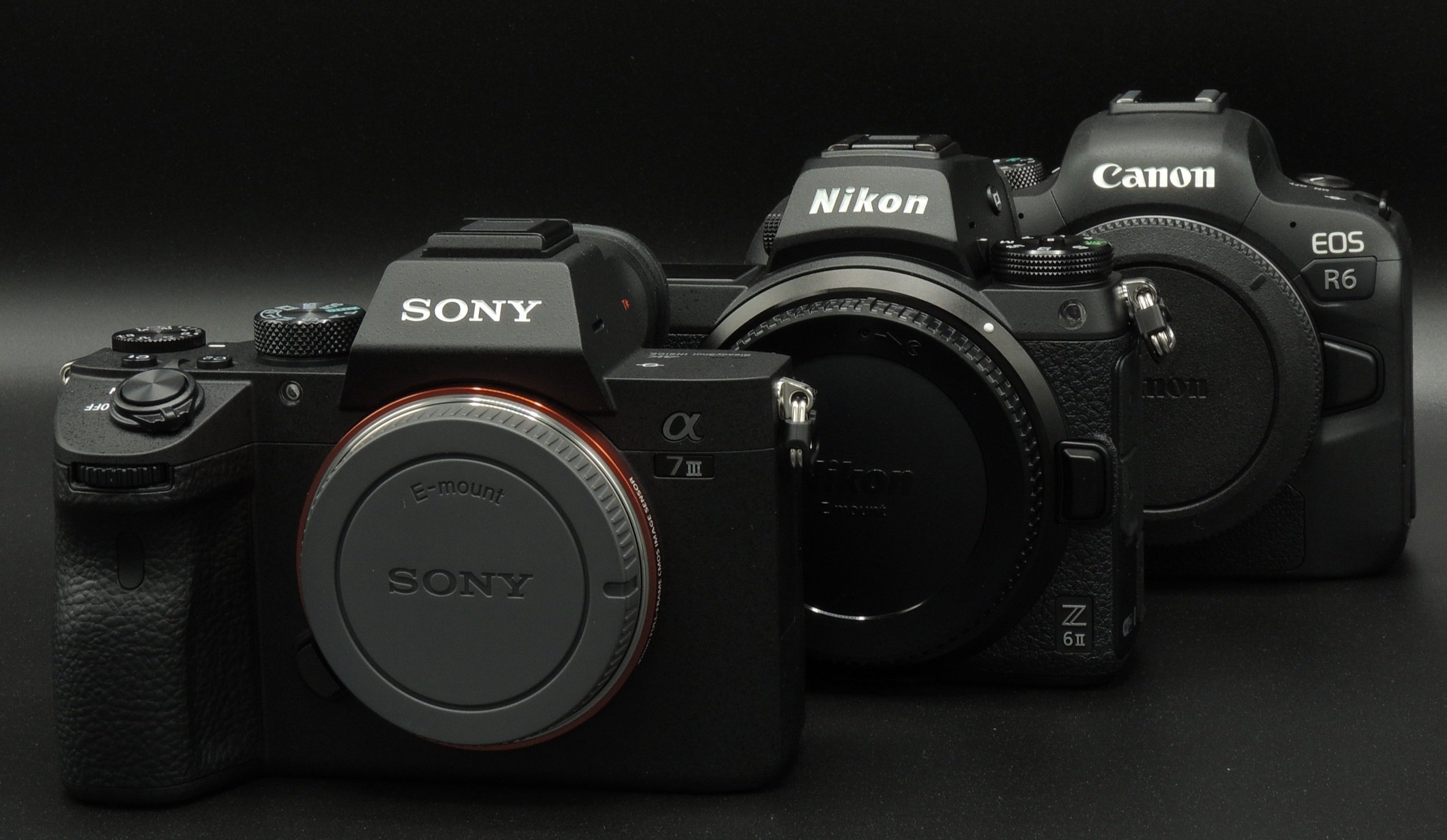
Fast and Intelligent Autofocus
Modern mirrorless cameras often use autofocus systems that cover much of the image frame. Many can identify and track people, eyes, birds, dogs, cats, cars, and motorcycles.
This is useful because the camera can follow a subject as it moves. You can focus less on moving the focus point and more on timing the photo. Face and eye detection can be especially helpful for portraits, weddings, family photos, and sports.
Mirrorless autofocus is not magic. It may struggle with:
• Very low light
• Subjects hidden by grass or other objects
• Fast subjects moving toward the camera
• Low-contrast scenes
• Busy backgrounds
• Subjects that look similar to the selected detection type
Good technique still matters. Select the right autofocus mode, use suitable shutter speed, and learn when to switch from automatic tracking to a single focus point.
If you are deciding why choose a mirrorless camera for wildlife or sports, check independent autofocus tests. Look for tracking performance, burst depth, subject detection, and low-light results rather than trusting only the product name.

Better Tools for Video Creation
Mirrorless cameras are popular with vloggers, filmmakers, educators, and small business owners because many models offer advanced video features. These may include 4K recording, high frame rates, microphone inputs, headphone outputs, flat picture profiles, and in-body image stabilization.
The electronic viewfinder and rear screen can also show exposure warnings, focus peaking, audio levels, and frame guides. These tools help you control the image while recording.
A mirrorless camera can be a strong choice for:
• YouTube videos
• Travel films
• Interviews
• Product demonstrations
• Short films
• Online courses
• Social media content
However, video quality depends on more than resolution. Check for overheating, recording limits, rolling shutter, autofocus behavior, file formats, and audio controls. A camera that records 4K may still be a poor video tool if it overheats or has weak sound support.
A simple external microphone often improves perceived quality more than a small increase in resolution. Clear sound feels professional, while poor sound can ruin an otherwise sharp video.

Electronic Viewfinders Offer More Information
An electronic viewfinder, or EVF, is a small screen inside the camera. It displays a live digital feed from the sensor. Unlike an optical viewfinder, it can show information over the scene.
Useful EVF features may include:
• Exposure preview
• Histogram
• Focus peaking
• Digital level
• Grid lines
• Highlight warnings
• White balance preview
• Magnification for manual focus
These tools are useful for both beginners and experienced photographers. A new photographer can see exposure changes in real time. An experienced user can quickly check focus, highlights, and composition without moving the camera away from the eye.
Some people dislike the slight delay or artificial look of an EVF. Better models have high resolution, fast refresh rates, and low lag. Entry-level cameras may show more noise in dark scenes or feel less responsive during fast action.
Try an EVF before buying if possible. The viewfinder is where you spend much of your shooting time, so comfort matters.

Silent Shooting and Less Mechanical Noise
Many mirrorless cameras offer an electronic shutter mode. This can make the camera nearly silent, which is useful in places where a shutter click would distract people.
Silent shooting can help during:
• Wedding ceremonies
• Theater performances
• Museums
• Wildlife photography
• Newborn sessions
• Street photography
• Speeches and meetings
There is an important limitation. Electronic shutters can create rolling shutter distortion when the subject or camera moves quickly. Straight lines may appear tilted, and fast-moving objects may look stretched.
Artificial lighting can also cause banding or uneven exposure with some electronic shutter modes. For fast action under indoor lights, a mechanical shutter or a special anti-flicker mode may work better.
This is a good example of why choose a mirrorless camera with care. A feature may be useful in one situation and unsuitable in another.
In-Body Image Stabilization
Many mirrorless cameras include in-body image stabilization, often called IBIS. The camera moves the sensor to reduce the effect of hand shake. This can help you use slower shutter speeds when photographing still subjects.
IBIS is useful for:
• Low-light street scenes
• Indoor family photos
• Landscapes at dusk
• Travel photography
• Wide-angle architectural photos
Image stabilization does not freeze a moving person or animal. If your subject moves, you still need a fast shutter speed. Stabilization corrects camera movement, not subject movement.
Some cameras combine sensor stabilization with optical stabilization in the lens. When both systems work together, handheld results can improve. Read the camera specifications carefully because stabilization strength varies by model and lens.

Strong Image Quality Across Different Sensor Sizes
Mirrorless cameras are available with several sensor sizes. The sensor affects image quality, lens size, depth of field, and price.
Common sensor formats include:
• Full frame: Offers strong low-light performance and shallow depth of field.
• APS-C: Provides a useful balance of size, cost, and image quality.
• Micro Four Thirds: Allows compact bodies and smaller lenses.
• Medium format: Offers very high resolution and tonal detail, but usually costs more.
A larger sensor is not automatically better. A smaller sensor camera may be easier to carry and may offer more reach for wildlife photography. A full-frame model may produce cleaner images at high ISO, but its lenses can be larger and more expensive.
For most people, APS-C and Micro Four Thirds cameras provide more than enough quality for prints, websites, family albums, and social media. Full frame makes more sense when you need strong low-light performance, very shallow depth of field, or professional file flexibility.
Interchangeable Lenses and Creative Freedom
A mirrorless camera lets you change lenses for different subjects. This is one of the strongest reasons why choose a mirrorless camera instead of relying on a phone or fixed-lens compact camera.
Useful lens types include:
• Wide-angle lenses: Good for landscapes, buildings, interiors, and travel.
• Standard lenses: Useful for everyday scenes and natural-looking portraits.
• Telephoto lenses: Help with sports, wildlife, and distant subjects.
• Macro lenses: Reveal small details in flowers, insects, and products.
• Fast prime lenses: Offer bright apertures and attractive background blur.
• Zoom lenses: Provide flexibility when you cannot move closer or farther away.
Lens choice can change the feeling of a photo. A 24mm lens can make a room feel wide. An 85mm lens can create a flattering portrait. A 400mm lens can bring a distant bird closer.
Check lens availability before choosing a camera brand. A low-cost body with few suitable lenses may become limiting. Also check the price of extra batteries, flashes, adapters, and repair service.
Mirrorless Camera Limitations to Consider
A balanced guide on why choose a mirrorless camera must include the downsides. These cameras use the sensor and display for much of the shooting process, so they can consume more battery power than a DSLR.
Common limitations include:
• Shorter battery life: Carry one or two spare batteries for long days.
• Electronic viewfinder delay: Some entry-level models may feel less responsive.
• Heat during video: High-resolution recording can create heat.
• Rolling shutter: Fast movement may look distorted with electronic shutters.
• Complex menus: Many features can take time to learn.
• Lens cost: New mirrorless lenses can be expensive.
• Small grips: Compact bodies may feel less comfortable with large lenses.
• Weather sealing differences: Protection varies widely between models.
Battery life has improved, but it remains a practical issue. Turn off automatic display review, reduce screen brightness, and use sleep settings when appropriate. A USB charging power bank can also help during travel.
Do not assume every mirrorless camera has the same performance. Read the full specifications and independent reviews. Pay attention to real battery tests, video heat tests, and autofocus results.
Mirrorless vs. DSLR: Which Is Better?
The best choice depends on how you shoot. Mirrorless cameras usually offer newer autofocus, better video tools, and a live exposure preview. DSLRs often offer long battery life, optical viewing, and a large used-market selection.
Choose mirrorless if you value:
• Eye and subject detection
• Video recording
• Compact design
• Silent shooting
• Live exposure previews
• New lens technology
Choose a DSLR if you value:
• Very long battery life
• An optical viewfinder
• Low-cost used lenses
• A familiar traditional design
• Existing DSLR equipment
Both camera types can produce excellent images. A skilled photographer with an older DSLR can create better work than a beginner with an expensive mirrorless camera. Equipment helps, but light, timing, composition, and practice matter more.
If you already own several DSLR lenses, calculate the cost of changing systems. An adapter may preserve some lenses, but autofocus and handling can vary. Switching systems makes sense when the new features solve a real problem.
How to Choose the Right Mirrorless Camera
Start with your subject and budget. Do not begin with the most expensive model. Begin with the work you want the camera to do.
Use this simple process:
-
Decide what you photograph most. Portraits, travel, wildlife, sports, video, and landscapes need different strengths.
-
Set a complete budget. Include lenses, batteries, memory cards, a bag, and protection.
-
Choose a sensor size. APS-C is a strong all-around option, while full frame suits many low-light and professional needs.
-
Test the grip and viewfinder. Comfort affects how often you use the camera.
-
Check autofocus features. Look for eye detection, subject tracking, and low-light focus.
-
Review video specifications. Check sound, stabilization, heat, and recording limits.
-
Compare the lens range. A camera system should support your future plans.
-
Read real-world reviews. Look for tests with the subjects you photograph.
-
Buy a simple first kit. One camera and one useful lens can teach more than a large bag of gear.
For many beginners, an APS-C body with a standard zoom or a small prime lens is a smart starting point. It gives room to learn without creating a heavy or costly setup.
Practical Tips for New Mirrorless Owners
Learning the camera matters as much as choosing it. Modern models contain many settings, but you only need a few at first.
Begin with these steps:
• Set the file type to RAW plus JPEG if you want both editing flexibility and easy sharing.
• Learn aperture, shutter speed, and ISO before exploring advanced modes.
• Turn on eye detection for portraits, but check focus instead of trusting it blindly.
• Use a fast shutter speed for children, pets, and sports.
• Customize one button for autofocus mode or subject detection.
• Protect the sensor when changing lenses outdoors.
• Carry a spare battery and a clean memory card.
• Keep firmware updated when the manufacturer provides a stable release.
• Review images at 100 percent sometimes, but judge the full composition too.
One mistake I often see is buying several lenses before learning one lens well. Spend time with a 35mm, 50mm, or standard zoom. Learn how distance changes perspective. That lesson will improve your photos more than another accessory.
Another common mistake is using automatic subject detection in every situation. It works well, but a simple focus point can be more reliable when the scene is busy.
Is a Mirrorless Camera Worth It for Beginners?
Yes, a mirrorless camera can be an excellent beginner camera. The exposure preview makes manual settings easier to understand, and modern autofocus can reduce missed shots.
The main challenge is the number of menus and features. Beginners may feel lost when faced with multiple autofocus modes, file settings, picture profiles, and custom controls.
A simple learning plan works well:
• Week one: Learn focus, zoom, and basic exposure.
• Week two: Practice aperture and background blur.
• Week three: Practice shutter speed with moving subjects.
• Week four: Review photos and identify repeated mistakes.
You do not need an expensive professional body to learn photography. A basic camera with a good lens can teach composition, light, timing, and control. Those skills transfer to any camera system.
Common Buying Mistakes to Avoid
Choosing a mirrorless camera becomes easier when you know what not to do. Many buyers focus on megapixels and ignore comfort, lenses, and real use.
Avoid these mistakes:
• Buying based only on megapixels: More pixels do not guarantee better photos.
• Ignoring lenses: The lens often affects sharpness, reach, and background blur more than the body.
• Choosing the smallest body at any cost: A tiny grip may feel uncomfortable with large lenses.
• Forgetting battery costs: Mirrorless cameras may need extra batteries for long sessions.
• Assuming 4K means perfect video: Heat, sound, autofocus, and stabilization also matter.
• Buying too much gear: Extra equipment can distract you from practice.
• Ignoring used equipment: A carefully checked previous-generation model can offer strong value.
• Skipping hands-on testing: Buttons, menus, and viewfinders feel different from camera to camera.
A camera should fit your hands, eyes, subjects, and daily habits. The most impressive specification sheet cannot replace a comfortable shooting experience.
Frequently Asked Questions About Why Choose a Mirrorless Camera
Why choose a mirrorless camera over a DSLR?
Choose a mirrorless camera for its live exposure preview, compact design, advanced autofocus, silent shooting, and strong video features. A DSLR may still be better if you prefer an optical viewfinder or need very long battery life.
Are mirrorless cameras better for beginners?
Mirrorless cameras can be excellent for beginners because the electronic viewfinder shows exposure changes before you take the photo. Their menus may seem complex at first, but basic settings are easy to learn.
Do mirrorless cameras take better pictures?
A mirrorless camera does not automatically take better pictures than a DSLR. Image quality depends on the sensor, lens, lighting, photographer, and settings, although many newer mirrorless models offer excellent autofocus and image processing.
Are mirrorless cameras good for professional photography?
Yes, mirrorless cameras are widely used for weddings, sports, wildlife, portraits, journalism, and commercial work. Professional models offer durable bodies, fast performance, reliable autofocus, high-quality lenses, and strong video tools.
What is the biggest disadvantage of a mirrorless camera?
Battery life is one of the most common disadvantages because the electronic viewfinder and sensor remain active during use. Rolling shutter, heat during video, and higher lens costs can also matter for certain users.
Is a full-frame mirrorless camera worth the money?
A full-frame model can be worth the money if you need strong low-light performance, shallow depth of field, or large, flexible files. For travel, family photos, and general use, an APS-C or Micro Four Thirds model may provide better value and lower weight.
Can I use DSLR lenses on a mirrorless camera?
You can often use DSLR lenses with a brand-specific adapter. Performance varies, so autofocus speed, stabilization, and compatibility should be checked before buying the adapter.
Conclusion
Why choose a mirrorless camera? It offers a modern shooting experience with live exposure previews, smart autofocus, compact designs, strong video tools, silent modes, and flexible lens options. These benefits make mirrorless cameras useful for beginners, travelers, creators, professionals, and photographers who want a lighter system.
The best camera is not always the newest or most expensive model. Choose one that feels comfortable, supports the lenses you need, and solves the problems you face when shooting. Compare complete system costs, test the viewfinder, and leave room in your budget for learning.
Explore trusted camera reviews, visit a local retailer, and share your own mirrorless camera experience in the comments.
Recent Posts
Parts of a 35mm Camera: Complete Guide to Every Key Part and Its Function
Learn the parts of a 35mm camera, what each part does, and how the lens, shutter, film chamber, viewfinder, and controls work together.
Parts of a Camera Canon: A Complete Guide to Canon Camera Parts and Functions
Learn the parts of a Canon camera, what each part does, and how the lens, sensor, shutter, controls, viewfinder, and screen work together.