
Compact cameras are out of stock because renewed demand meets limited production, old supply chains, and popular models being discontinued.
If you have searched for a Sony RX100, Canon PowerShot, or Fujifilm compact camera lately, you may have seen empty shelves, high prices, or long waiting lists. The question “why are compact cameras out of stock” has a layered answer involving smartphone limits, social media trends, factory capacity, and reduced investment in small cameras. This guide explains the market in simple terms and shares practical ways to find a good camera without overpaying.
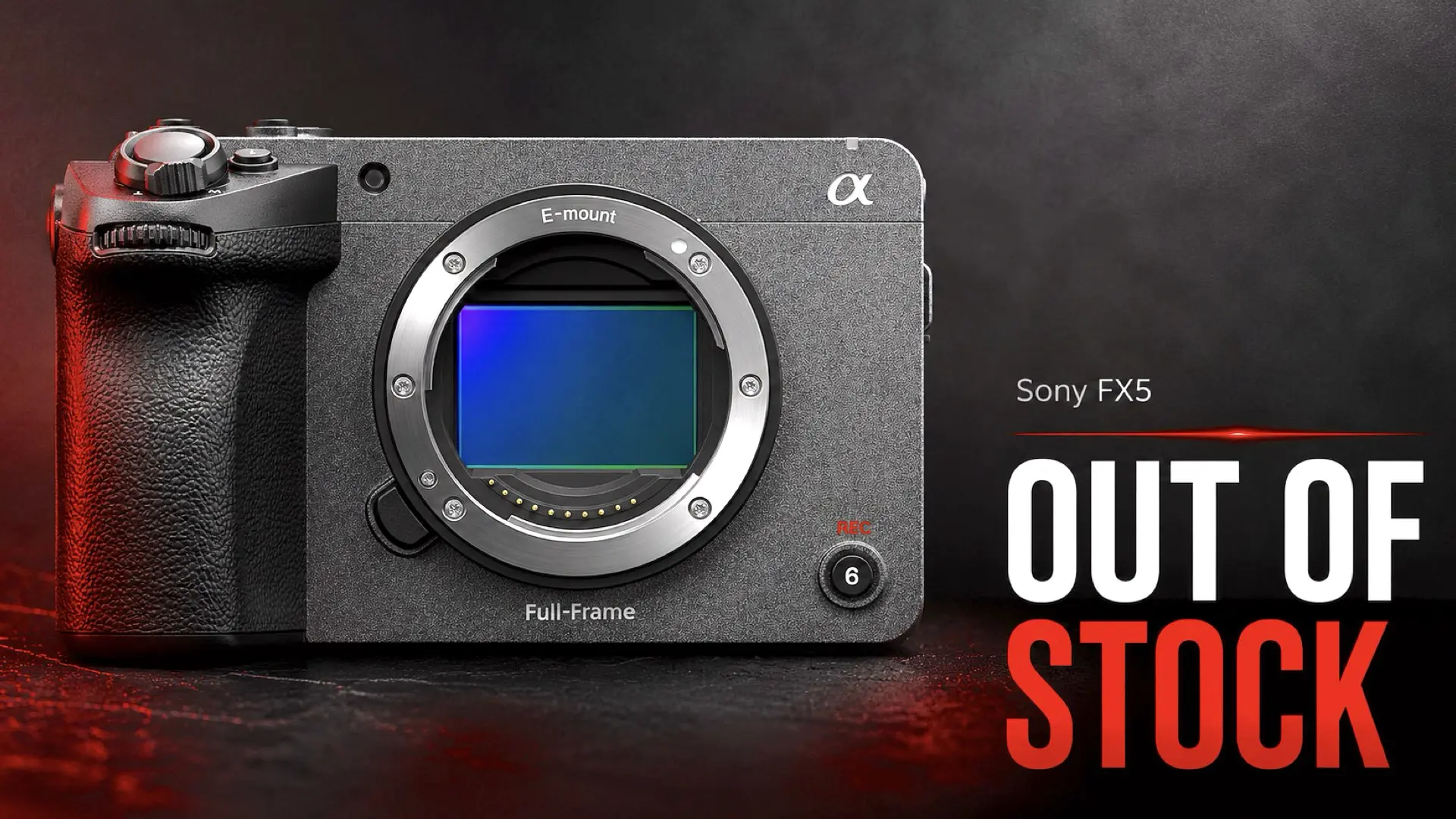
Why are compact cameras out of stock?
The main reason compact cameras are out of stock is that demand has returned faster than manufacturers expected. For years, phone cameras replaced many basic point-and-shoot cameras. Camera makers then reduced production, closed product lines, and focused on higher-profit mirrorless cameras.
Now, many shoppers want a small camera again . They like the flash look, simple controls, real zoom lenses, and better image quality in low light. The supply chain, however, is not ready to meet this new demand.
Several factors work together:
• Popular models are made in small batches.
• Some factories stopped producing older compact camera parts.
• Smartphone users want a more personal, less polished look.
• Social media trends have made older digital cameras popular.
• Camera brands now focus more on mirrorless and professional products.
• Retail stock differs by country and region.
This is why compact cameras out of stock notices appear even when the camera brand still lists the product online.
Demand changed faster than production
The compact camera market once served millions of casual buyers. A family might buy a small camera for vacations, school events, or birthdays. Smartphones later took over many of these uses.
That shift forced camera companies to shrink their compact camera lines. When buyers returned, manufacturers could not instantly restart full production. Camera production is not like printing extra shirts. It requires sensors, lenses, processors, batteries, circuit boards, testing, and trained workers.
Some popular cameras are old
Many highly wanted compact cameras were launched years ago. The Sony RX100 VII, Canon PowerShot G7 X Mark III, and Sony ZV-1 have remained attractive because they offer strong image quality in a small body.
Their age creates a problem. A camera may still be good, but some parts may no longer be made in large numbers. A brand may also choose to keep selling a model without investing in a full replacement.

The compact camera comeback
Compact cameras are enjoying a comeback for reasons that go beyond image quality. People want a separate device that helps them slow down, frame a shot, and stay away from phone alerts.
A small camera also creates a different style of photo. Many models produce softer colors, visible flash, gentle grain, and a less perfect look. That style has become popular on social media, especially among younger users who did not grow up with early digital cameras.
The revival is similar to the return of vinyl records. A smartphone may be more convenient, but a dedicated camera can feel more special.
Social media increased interest
Creators on TikTok, Instagram, and YouTube have helped bring compact cameras back into public view. Videos often show the camera itself, the flash, and the results straight from the memory card.
This creates a cycle:
-
A creator posts photos from a compact camera.
-
Viewers search for the same model.
-
Retailers sell through their limited stock.
-
Used prices rise.
-
More creators discuss the camera.
-
Demand grows again.
This cycle helps explain why compact cameras out of stock searches can remain common for months.
The “digital camera look” matters
Modern phones often use strong computational photography. They brighten shadows, sharpen faces, reduce noise, and combine several images into one. That is useful, but some people find the result too clean.
Older compact cameras often have:
• Direct flash
• Smaller sensors
• Slower lenses
• Stronger highlight clipping
• More visible noise
• Distinct color processing
These limits can create character. Buyers are not always looking for the sharpest image. They may want a mood, memory, or style.

Manufacturers produce fewer compact cameras
The answer to why are compact cameras out of stock also lies in business decisions. Camera companies have limited factory space and limited budgets. They usually earn more from interchangeable-lens cameras, lenses, and professional accessories than from basic point-and-shoot models.
As a result, many brands reduced their compact camera ranges.
Canon, Sony, Panasonic, Nikon, and other brands still sell selected small cameras, but their product lists are not as broad as they were in the 2000s. Some models are aimed at vloggers or enthusiasts rather than casual buyers.
Compact cameras have thin profit margins
A compact camera contains many parts but often sells for less than a mirrorless camera. Its lens, sensor, screen, battery, and processor must fit into a small body. That can make production costly.
If a manufacturer sells a compact camera for a modest price, a small rise in component costs can reduce profit. A company may then choose to make fewer units or end the model.
Product lines became more specialized
Many brands now divide small cameras into focused categories:
• Travel zoom cameras
• Vlogging cameras
• Premium compact cameras
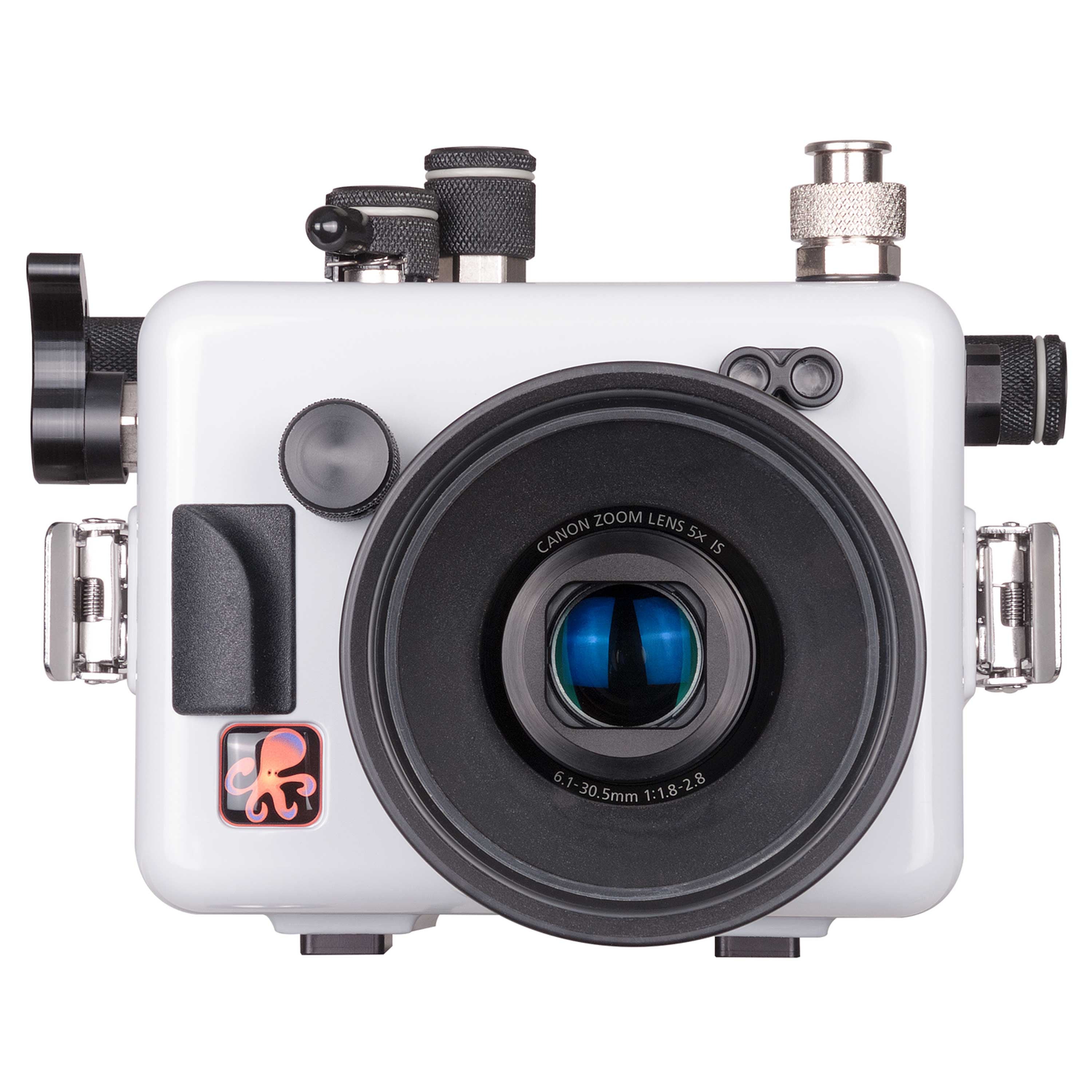
• Rugged waterproof cameras
• Instant cameras
• Action cameras
This is different from the old market, where one small camera often served nearly everyone. Today’s products target smaller groups, so production numbers may be lower.
Supply chain and component problems
Camera shortages are not caused by one missing part. A camera needs many components to arrive at the right time. A delay in one part can stop the entire production line.
Important components include:
• Image sensors
• Lens elements
• Shutter units
• Image processors
• LCD screens
• Memory card slots
• Batteries
• Circuit boards
• Wireless chips
• Metal and plastic body parts
A factory may have every part except one type of processor or sensor. In that case, it cannot complete the camera.
The global chip shortage showed how quickly electronics production can suffer. Although supply conditions have improved in many areas, camera makers still face complex sourcing and regional manufacturing limits.
Small batches make shortages worse
A popular smartphone may be produced in huge numbers. A compact camera may be made in much smaller batches. If a model suddenly becomes popular, the manufacturer may need months to order components and schedule a new run.
That delay creates a gap between demand and supply. Retailers sell their stock, while customers keep searching. This is a major reason why compact cameras out of stock results appear across many online stores.
Shipping and regional allocation
Manufacturers do not send every unit to one country. They divide stock among regions based on demand, contracts, and sales forecasts. A camera may be available in Japan or Europe but difficult to find in the United States.
Import costs, exchange rates, tariffs, and shipping delays can also affect prices. Before assuming that a camera is discontinued, check the manufacturer’s US website and several authorized retailers.
Discontinued models are mistaken for temporary shortages
One of the most important parts of answering why are compact cameras out of stock is knowing the difference between “temporarily unavailable” and “discontinued.”
A retailer may use the same stock message for both situations. This can confuse buyers.
Signs of a temporary shortage
• The manufacturer still lists the model as an active product.
• Several authorized dealers show “backordered” status.
• The brand posts an expected restock date.
• Replacement batteries and accessories remain easy to find.
• The camera appears in recent official announcements.
Signs of a discontinued camera
• The manufacturer removes the product page.
• Retailers list only used or refurbished units.
• The camera is marked “discontinued” or “end of life.”
• New stock appears only from third-party sellers.
• Prices rise far above the original retail price.
A discontinued model can still be excellent. However, it may have limited warranty support and fewer repair options. Always check the condition, return policy, and seller rating.
Why old models can cost more
Normally, older electronics become cheaper. Compact cameras can work differently because supply falls while interest rises. If only a few new units remain, sellers may charge more.
This does not always mean the camera is worth the higher price. A five-year-old model may have strong image quality, but it may lack modern autofocus, USB-C charging, or current wireless features.

Which compact cameras are hardest to find?
Availability changes often, but certain categories are frequently difficult to buy.
Premium pocket cameras are popular because they combine a large sensor with a small body. Models in the Sony RX100 family and Canon PowerShot G7 X family are often searched for by travelers, creators, and street photographers.
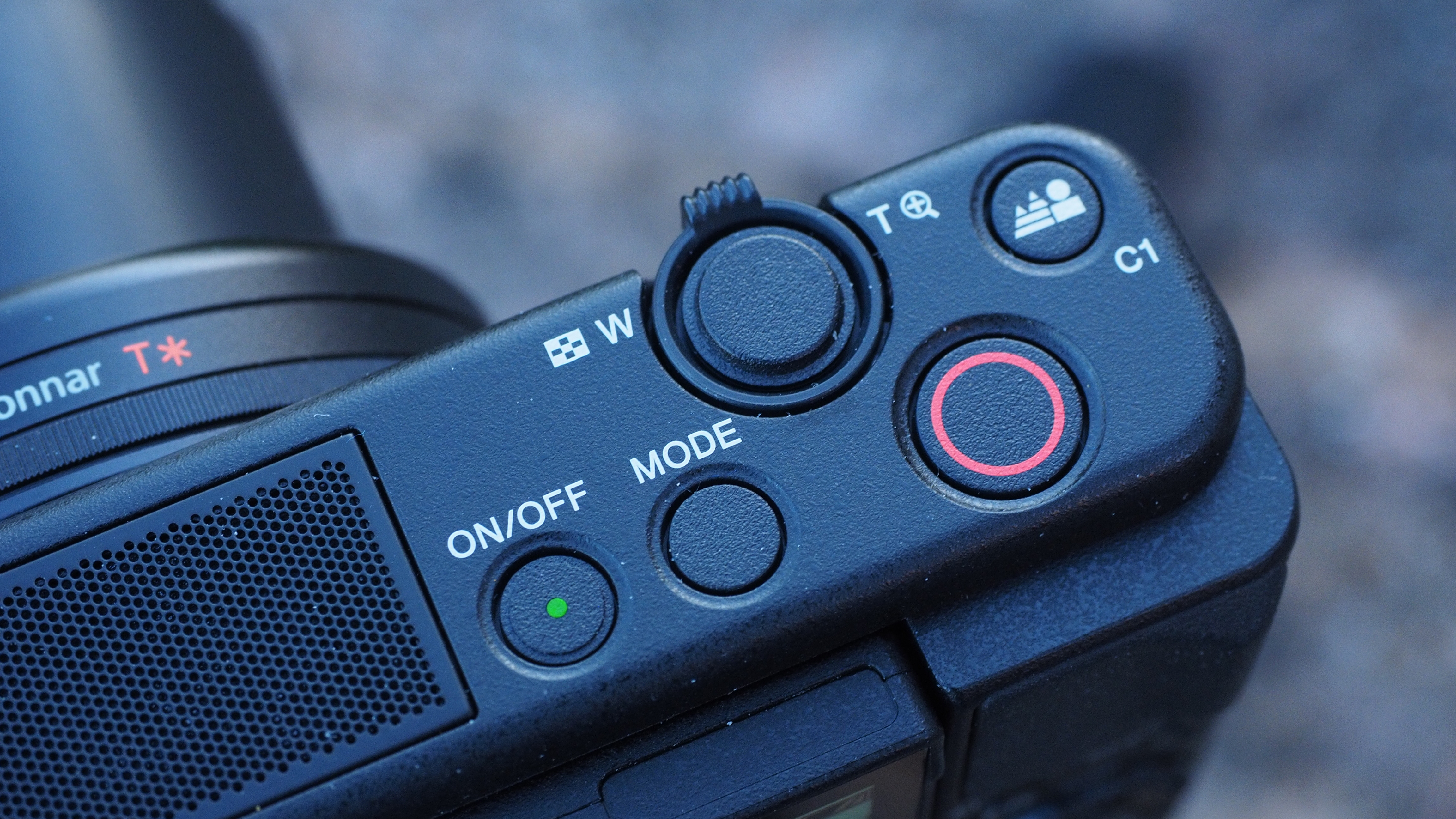
Vlogging cameras can also sell quickly. The Sony ZV-1 is small, simple, and designed for video. Its built-in microphone features and flip screen appeal to content creators.
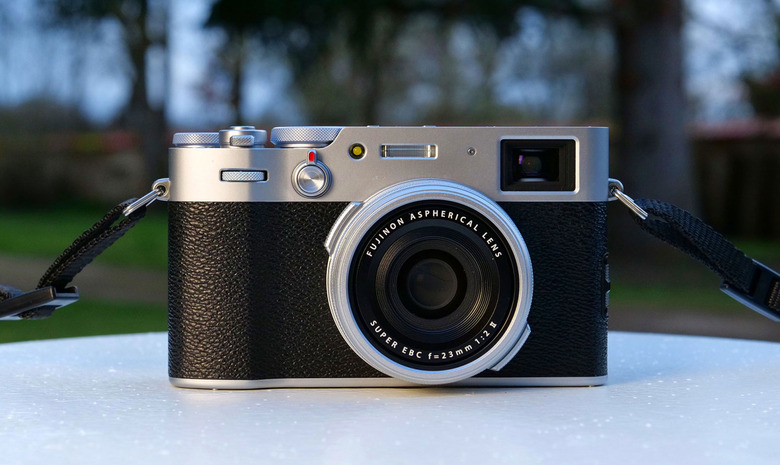
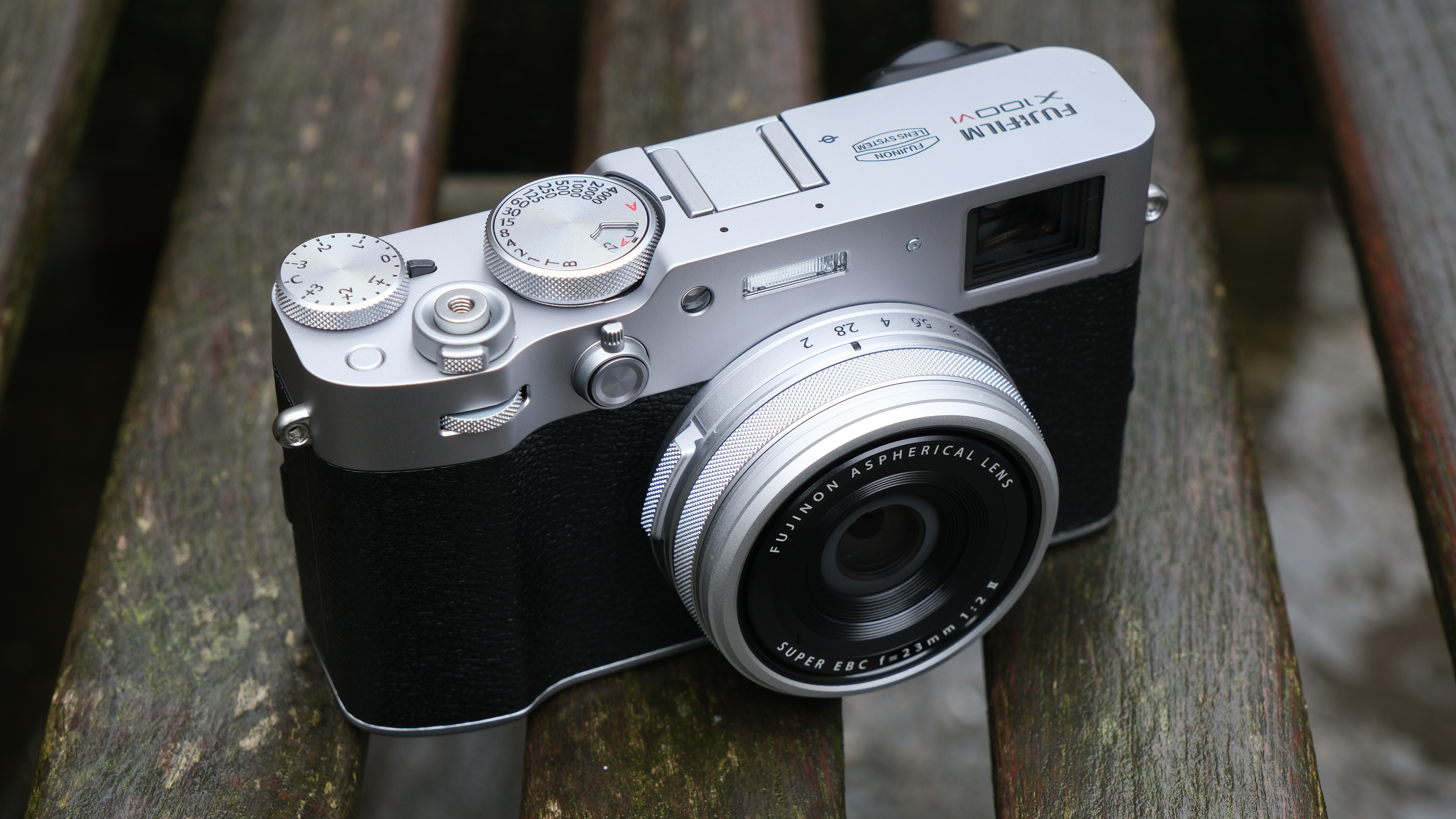
Fixed-lens enthusiast cameras are another strong category. Fujifilm’s X100 line, including newer generations, has received major attention because of its design, film simulations, and everyday focal length. It is larger and more expensive than a basic point-and-shoot, but many buyers still call it a compact camera.
Availability depends on:
• Model popularity
• Country
• Retailer inventory
• Production schedules
• Seasonal shopping periods
• New product announcements
Do not assume that every compact camera is unavailable. Less famous models, older Panasonic cameras, rugged cameras, and some travel zooms may still be easy to find.

Are compact cameras better than smartphones?
A compact camera is not automatically better than a smartphone. It is better for certain uses.
A phone usually wins for convenience. It is already in your pocket, connects to the internet, and uses powerful software to improve difficult images. It also makes sharing fast.
A compact camera can offer:
• Real optical zoom
• Better handling
• Longer shooting sessions
• A dedicated flash
• More natural background blur
• Less phone distraction
• Higher control over exposure
• A separate photo archive
The choice depends on your needs. For casual daytime photos, a modern phone may be enough. For travel, concerts, portraits, and creative work, a compact camera may give you a more enjoyable experience.
Sensor size affects image quality
Many premium compact cameras use a one-inch sensor. It is much larger than the sensor in many basic phones, though high-end phones can use large sensors and advanced software.
A larger sensor can improve:
• Low-light performance
• Dynamic range
• Background separation
• Detail in shadows
• Image quality at higher ISO settings
Sensor size is only one factor. Lens quality, image processing, autofocus, and photographer skill matter too.
Compact cameras have limits
Compact cameras can be less convenient than phones. You may need extra batteries, a memory card, a cable, and a separate backup process.
They may also have:
• Smaller screens
• Slower menus
• Older autofocus systems
• Limited video features
• No built-in cellular connection
• Higher prices during shortages
A good buying decision includes both the benefits and the limits.
How to find a compact camera without overpaying
If you are trying to buy a compact camera now, patience can save money. The first listing you see may not be the best choice.
Use this process:
-
Check the official manufacturer page.
-
Search authorized US retailers.
-
Compare the original retail price with the current price.
-
Look for certified refurbished products.
-
Check reputable used-camera stores.
-
Confirm the return period and warranty.
-
Avoid listings with unclear photos or vague condition notes.
-
Set a price limit before you shop.
Used compact cameras can be a smart choice. Many owners bought them for travel and used them only a few times. However, inspect the lens, screen, battery door, zoom movement, flash, and memory card slot.
Check the shutter and lens
A compact camera lens should extend and retract smoothly. It should not grind, stick, or make unusual clicking sounds. Test the zoom at both ends and inspect photos for dark spots or repeated marks.
If the camera has a mechanical shutter, ask about its use. A high shutter count does not always mean failure, but it can help you judge wear.
Be careful with marketplace prices
Shortages attract dishonest sellers. Some listings use stock photos, hide damage, or sell cameras with weak batteries.
Avoid a deal when:
• The price is far below normal used prices.
• The seller refuses a test photo.
• The listing has no clear serial number or condition details.
• Payment is requested outside the platform.
• The seller claims the camera is “rare” without evidence.
A safe return policy is often more valuable than saving a few dollars.
My practical lessons from buying compact cameras
I have seen shoppers make the same mistake many times: they fall in love with one viral model and stop considering every other option. That can lead to paying hundreds of dollars above the original price for a camera that does not fit their needs.
A better approach is to write down your real priorities first. Do you need a pocket-size body, a long zoom, a built-in flash, strong video, or a large sensor? Once those needs are clear, several alternatives may become suitable.
I also recommend testing the camera before a trip. Take indoor photos, shoot at night, record a short video, and charge the battery. A camera that works well at home is less likely to surprise you on vacation.
One lesson I learned the hard way is that accessories can change the total cost. A used camera may need a new battery, charger, wrist strap, and memory card. Add those costs before deciding whether the deal is truly good.
What could improve compact camera availability?
Availability may improve if manufacturers see stable demand. A short social media trend can create a rush, but companies need long-term sales before investing in new production.
New models may also use parts shared with mirrorless cameras or smartphones. Shared components can make production simpler. USB-C charging, modern sensors, and improved autofocus could make future compact cameras more attractive.
However, compact cameras face real limits. Smartphone cameras continue to improve, and camera companies must decide whether a small product can earn enough money. Some brands may focus on premium models rather than bring back cheap point-and-shoot cameras.
The most likely future is not a full return to the early digital-camera market. Instead, we may see a smaller but healthier market with:
• Premium pocket cameras
• Creator-focused models
• Stylish fixed-lens cameras
• Rugged travel cameras
• Used and refurbished options
Frequently Asked Questions About Why Are Compact Cameras Out of Stock
Why are compact cameras out of stock right now?
Compact cameras are out of stock because demand has grown while manufacturers produce fewer units than they did in the past. Popular models may also face limited parts, small production batches, and regional shipping delays.
Are compact cameras discontinued or just temporarily unavailable?
Some are temporarily unavailable, while others have reached the end of their product life. Check the manufacturer’s website, not only the retailer’s stock message, to see whether the model is still officially supported.
Why are old digital cameras so expensive?
Old digital cameras can become expensive when social media increases demand and very few new units remain. A higher price reflects scarcity, but it does not always reflect better performance.
Will compact camera prices go down?
Prices may fall when new stock arrives or demand slows. They may remain high for discontinued models, especially when sellers have limited supply and buyers want a specific camera.
Is buying a used compact camera safe?
Buying used can be safe when you use a reputable seller and test the lens, zoom, flash, screen, battery, and memory card slot. Choose a listing with clear photos, an honest condition report, and a return policy.
Should I buy a compact camera or use my phone?
Use your phone if convenience and instant sharing matter most. Choose a compact camera if you want optical zoom, physical controls, a dedicated flash, or a separate device for photography.
Conclusion
The answer to why are compact cameras out of stock is a mix of renewed interest and reduced supply. Smartphone fatigue, social media trends, limited production, aging product lines, and component delays have all tightened availability.
You do not need to chase the most popular model. Compare your needs, check official retailers, consider reputable used gear, and avoid paying an extreme price for a camera simply because it is hard to find. Explore trusted camera reviews and current stock lists, then share your favorite compact camera choice in the comments.
Recent Posts
Parts of a 35mm Camera: Complete Guide to Every Key Part and Its Function
Learn the parts of a 35mm camera, what each part does, and how the lens, shutter, film chamber, viewfinder, and controls work together.
Parts of a Camera Canon: A Complete Guide to Canon Camera Parts and Functions
Learn the parts of a Canon camera, what each part does, and how the lens, sensor, shutter, controls, viewfinder, and screen work together.