
Used cameras cost more because strong demand, durable parts, scarce models, and slow depreciation keep prices high.
If you expected an older camera to be cheap, you are not alone. The answer to why are used cameras so expensive involves more than age: sensor quality, lens compatibility, brand trust, repair costs, supply, and the rising demand for affordable creative tools all matter. This guide breaks down the market in simple terms so you can spot a fair deal and avoid paying too much.
Why Are Used Cameras So Expensive?
The main reason why are used cameras so expensive is that good cameras do not lose value as quickly as many other electronics. A five-year-old camera may still produce sharp photos, record high-quality video, and support modern lenses.
Phones are replaced often because new models add major features each year. Cameras tend to change more slowly. A well-built mirrorless or DSLR camera can remain useful for a decade or longer.
Several forces push used camera prices higher:
• Strong demand from beginners, travelers, students, and content creators
• High original prices for professional camera bodies and lenses
• Durable shutters, sensors, and metal bodies
• Limited supply of discontinued or popular models
• Better image quality than most smartphones
• Reliable lens systems that keep older bodies useful
• High repair and replacement costs
A used camera is not simply an old electronic device. It is often a working tool with years of useful life left. That makes it more like a used musical instrument or a professional power tool than an outdated phone.

Cameras Hold Their Value Better Than Most Electronics
Camera depreciation is often slower because image quality does not become useless when a new model appears. A newer camera may offer better autofocus or video features, but an older model can still create excellent photos.
For example, a camera with a 24-megapixel sensor can produce large, detailed images even if it is several years old. Most people do not need 50 or 60 megapixels for social media, family photos, or small prints.
Professional cameras also use durable materials. Many have:
• Magnesium alloy frames
• Weather sealing
• Mechanical shutters rated for hundreds of thousands of releases
• Large batteries
• Replaceable lenses
• Physical controls designed for heavy use
These features help a camera stay useful for years. A buyer may pay a high used price because the camera still performs well in real-world work.
In my experience comparing older camera bodies, the condition of the sensor, mount, battery, and controls often matters more than the release date. A clean older camera can be a better buy than a newer entry-level model with weak build quality.
Brand Reputation Keeps Used Camera Prices High
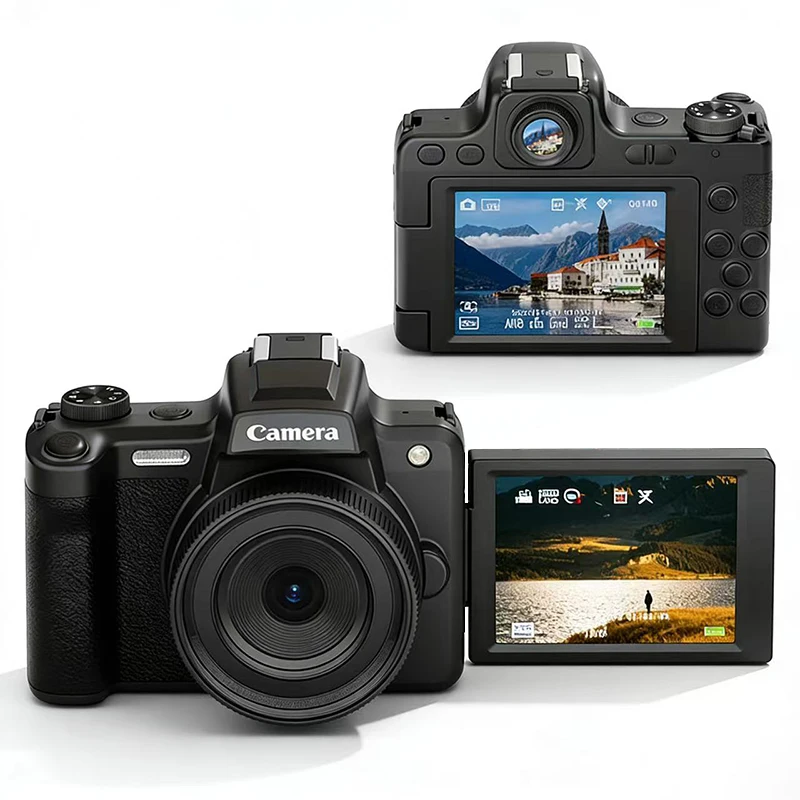
Brand trust is another major answer to why are used cameras so expensive. Companies such as Canon, Nikon, Sony, Fujifilm, Panasonic, OM System, and Leica have large user bases and strong lens systems.
A buyer is not only paying for the camera body. They are also buying access to an ecosystem. That ecosystem may include lenses, flashes, batteries, grips, adapters, software, repair services, and online support.
Popular brands also make resale easier. If you buy a well-known camera and later decide to upgrade, you may find a buyer quickly. This lowers the risk of ownership.
Some brands carry an extra premium because of:
• Strong color profiles
• Excellent autofocus
• Professional service networks
• High-quality lenses
• Long product support
• Loyal communities
Fujifilm cameras, for example, often attract buyers who like their film simulations and compact design. Sony models remain popular for autofocus and video. Canon and Nikon benefit from large lens collections and familiar controls.
Brand demand can make a used camera expensive even when another model offers similar technical features.

High Demand From Content Creators and Beginners
The growth of YouTube, TikTok, podcasts, online courses, and small businesses has increased demand for affordable cameras. Many people want better video and photos than their phones can provide.
A used camera often offers a low-cost path into content creation. It may provide:
• A larger sensor
• Better low-light performance
• Natural background blur
• Interchangeable lenses
• A microphone input
• More control over exposure
• Better handling during long shoots
This new demand affects older models. A camera that once served professional photographers may now be popular with vloggers, streamers, and students.
The same pattern appears when a respected creator recommends a certain camera. Searches rise, listings disappear, and prices increase. Used camera prices can move quickly because the market is smaller than the market for phones or laptops.

Limited Supply Makes Popular Used Cameras Costly
Supply is one of the clearest reasons why are used cameras so expensive. Camera companies produce fewer units than smartphone makers. When a model is discontinued, no new supply may enter the market.
If demand remains strong, prices can stay high for years.
Limited supply often affects:
• Older full-frame cameras
• Compact cameras with large sensors
• Weather-sealed travel cameras
• Cameras with strong video features
• Discontinued models with popular colors
• Small cameras with built-in lenses
The compact camera market shows this clearly. Many people now want a small camera for travel, but manufacturers have reduced production because smartphones took much of that market. As a result, some older compact cameras sell for surprisingly high prices.
Scarcity can create a gap between value and price. A rare camera is not always a better camera. It may simply be harder to find.
Lenses Make Used Camera Systems More Valuable
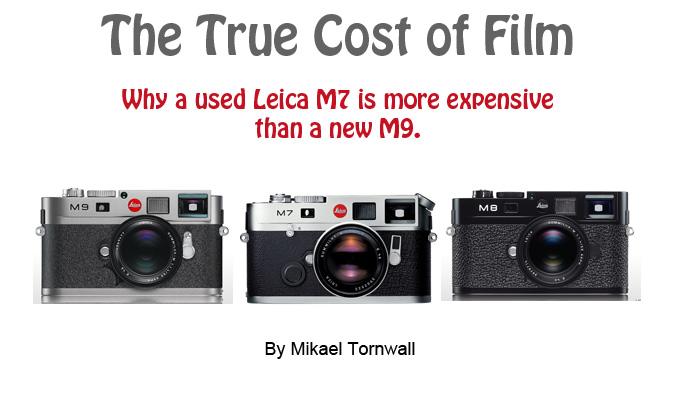
A camera body is only one part of the system. Lenses often hold their value even better than camera bodies because they can work across several generations.
A high-quality lens may last for decades. It can be used on multiple camera bodies with the same mount or with a suitable adapter.
Lenses remain expensive because they contain complex optical parts, including:
• Multiple glass elements
• Special coatings
• Fast apertures
• Image stabilization systems
• Silent autofocus motors
• Weather-resistant seals
• Precision metal mounts
A used camera may seem expensive when sold with a lens, but the bundle could still be fair. A good lens can cost hundreds or thousands of dollars when purchased new.
Before comparing prices, check whether the listing includes a kit lens, a fast prime lens, a telephoto lens, or professional glass. Two cameras with the same body may have very different values because of the lens attached.
Manufacturing Cameras Is Expensive
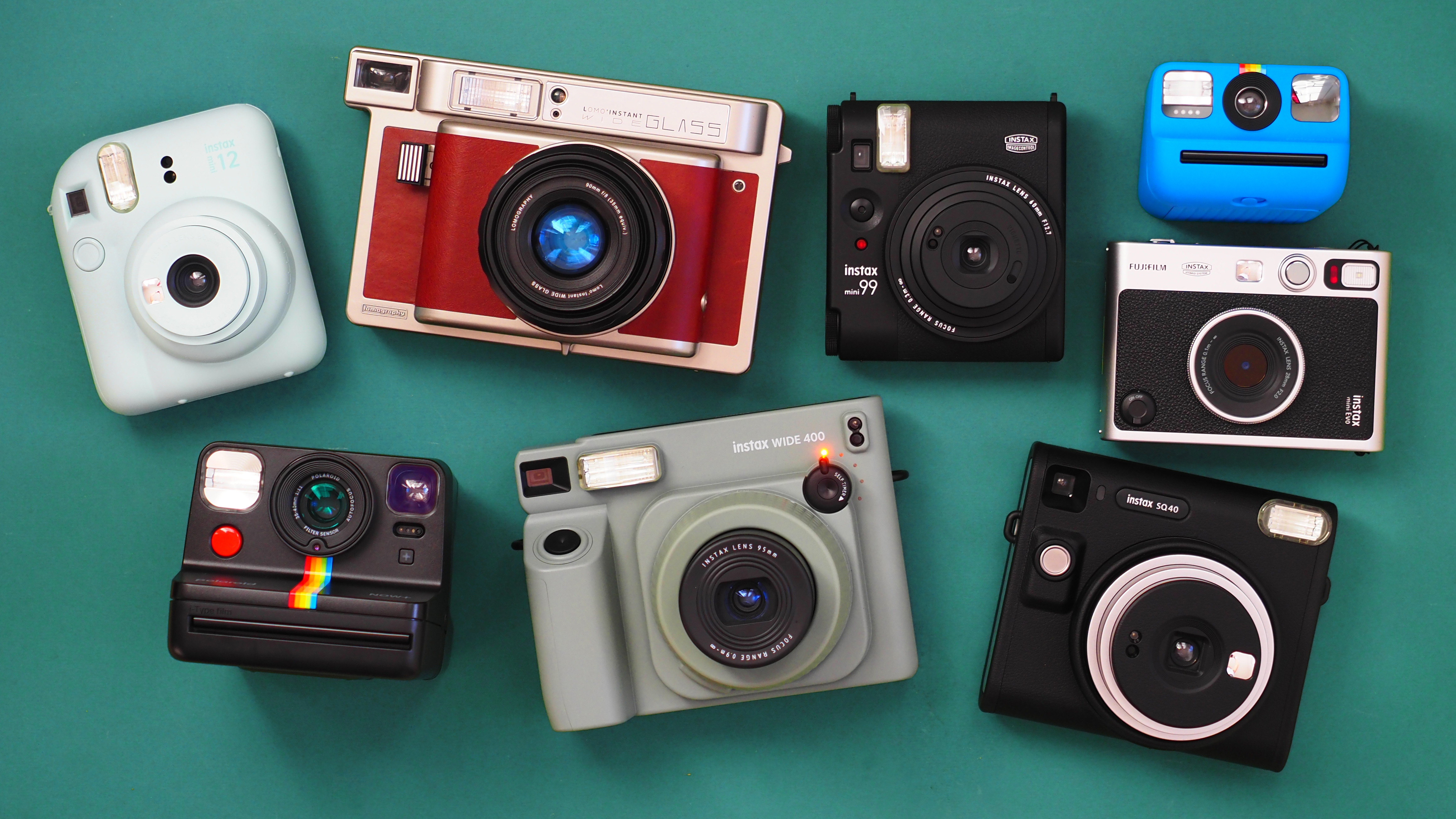
Cameras require precise parts and strict quality control. Manufacturers must produce a sensor, processor, shutter, autofocus system, screen, viewfinder, battery system, and body in a relatively small device.
The development cost is also high. Companies spend money on:
• Sensor design
• Image processors
• Autofocus research
• Firmware development
• Weather sealing
• Testing
• Lens design
• Professional support
Unlike smartphones, cameras do not always sell in huge volumes. The cost of research and manufacturing is spread across fewer units. This keeps the original retail price high.
Used cameras inherit part of that value. A model that cost $2,000 new may still offer professional performance years later. Its used price may fall, but it may not fall as quickly as the price of a mass-market gadget.

Used Camera Prices Depend on Condition
Condition can change a camera’s value by hundreds of dollars. Two identical models may have very different prices because one was gently used and the other worked in dusty, wet, or professional environments.
Check these areas before buying:
• Sensor: Look for scratches, dust, or unusual marks.
• Lens mount: Make sure it is not loose or bent.
• Shutter: Check the shutter count when the camera provides one.
• Screen: Look for cracks, dead pixels, or heavy scratches.
• Viewfinder: Check for haze, dust, and display problems.
• Buttons: Test every control and dial.
• Battery: Ask whether it holds a normal charge.
• Card slots: Test each slot with a compatible memory card.
• Ports: Check the USB, HDMI, microphone, and headphone ports.
• Lens: Look for fungus, haze, scratches, and stiff focus rings.
A high shutter count does not automatically make a camera a bad purchase. A camera with 100,000 releases may work perfectly, while a camera with fewer releases may have suffered moisture damage.
In one common buying mistake, people focus only on shutter count and ignore the lens and battery. Those parts can cost more to replace than the body is worth. Always judge the entire kit.

Professional Cameras Have Strong Resale Value
Professional cameras often cost more used because they were built for demanding work. They may include faster autofocus, dual card slots, stronger weather sealing, better viewfinders, and more reliable controls.
A working photographer may replace a camera because of business needs, not because the old model stopped working. That creates a healthy used market filled with capable equipment.
A professional body can also remain valuable because clients care about results. If a camera delivers sharp images, accurate color, and dependable operation, its age may not matter much.
This is especially true for studio photography, portraits, product work, and landscapes. These types of photography do not always require the newest autofocus system or the highest video resolution.
Used professional cameras are expensive because they offer practical performance, not just attractive specifications.
Camera Prices Rise When New Models Are Delayed
When a company delays a new release, buyers may turn to older models. This can raise prices in the used market.
Product shortages can also affect prices. Global shipping problems, chip shortages, factory delays, and currency changes may reduce the number of new cameras available. When new prices rise, used sellers often increase their prices too.
The used market reacts to expectations. If buyers believe a popular camera will soon be discontinued, they may purchase available units before prices rise. This can create short-term price jumps.
However, not every price increase lasts. Used camera prices may fall when:
• A replacement model launches
• More owners sell their old bodies
• New cameras go on sale
• A brand changes its lens mount
• A serious defect becomes widely known
Checking price history is useful. A single high listing does not prove that a camera is worth that amount.
Smartphone Cameras Affect Used Camera Demand
It may seem strange, but smartphones can help explain why are used cameras so expensive. Phone users have become more aware of image quality, computational photography, and video production. Some then move to dedicated cameras for more control and better optics.
A phone combines a small sensor with software. A dedicated camera usually offers a larger sensor and a real optical lens. This can create better results in low light, portraits, sports, and wildlife photography.
A dedicated camera also gives the photographer more control over:
• Depth of field
• Shutter speed
• Focal length
• Flash placement
• Raw files
• Manual focus
• Color grading
Phones are excellent for convenience. Cameras are better suited to people who want a deliberate process and more creative control. That difference keeps demand alive for both new and used cameras.
How to Tell Whether a Used Camera Is Fairly Priced
Understanding why are used cameras so expensive is useful, but you still need to decide whether a particular listing is fair. Start by comparing the same model in similar condition.
Use this process:
-
Search several retailers and private listings.
-
Compare body-only prices with complete kits.
-
Check shutter count and physical condition.
-
Confirm whether the battery and charger are included.
-
Research known faults or firmware issues.
-
Check the seller’s return policy.
-
Look at completed sales, not only active listings.
-
Add the cost of memory cards, batteries, and lenses.
A camera priced slightly above the lowest listing may be worth buying from a trusted dealer. A private seller may offer a lower price, but you take on more risk.
Avoid listings with unclear photos, vague descriptions, or pressure to pay quickly. A low price can be a warning sign when the seller refuses testing or provides no return option.
Tips for Getting a Better Used Camera Deal
You do not always need to pay the highest market price. Patience and careful research can reduce your total cost.
Try these practical methods:
• Shop during major holiday sales.
• Look for older models after a new release.
• Consider body-only listings if you already own lenses.
• Buy from reputable camera dealers with warranties.
• Ask about cosmetic wear and hidden faults.
• Compare local pickup with shipping costs.
• Consider refurbished equipment with testing included.
• Look at less popular colors or versions.
• Buy a model one generation older.
• Negotiate politely when the listing has been active for a long time.
Refurbished cameras can offer a useful middle ground. They are usually inspected, cleaned, and tested before resale. Read the warranty terms carefully, since coverage varies by seller.
A private sale may save money, but test the camera in person if possible. Take a photo of a plain wall at a narrow aperture to check for sensor dust. Test autofocus, video, flash, ports, dials, and every memory card slot.
Are Used Cameras Worth Buying?
Used cameras are often worth buying when you choose the right model and inspect it carefully. You can get excellent image quality for less money than buying new, especially with older full-frame and mirrorless cameras.
The biggest benefits include:
• Lower purchase cost
• Access to professional features
• A wider choice of lenses
• Slower depreciation
• More money left for accessories or travel
There are also risks. Used equipment may have hidden damage, worn batteries, outdated autofocus, limited warranty coverage, or no return policy.
A used camera is a good choice when its features match your needs. Do not buy a professional body simply because it looks impressive. A smaller camera with better battery life and the right lens may serve you better.
The best value is not always the cheapest listing. It is the camera that works reliably, fits your skills, and helps you take the photos or videos you want.
Common Mistakes When Buying Used Cameras
Many buyers overpay because they shop by popularity instead of purpose. A highly praised camera may not suit your style, lenses, computer, or budget.
Watch for these mistakes:
• Buying without checking the return policy
• Ignoring lens compatibility
• Assuming a low shutter count proves perfect condition
• Forgetting to budget for batteries and chargers
• Paying extra for features you will never use
• Trusting stock photos instead of real product photos
• Buying a rare model without checking repair support
• Confusing cosmetic wear with serious mechanical damage
• Choosing a camera that is too large to carry
• Skipping a test of video, autofocus, and card slots
I have found that buyers often spend too much on the body and too little on the lens. A modest camera with a sharp, bright lens can produce better results than an expensive body with a weak kit lens.
Think of the camera as the engine and the lens as the road. Both matter, but the lens has a major effect on the final image.
Frequently Asked Questions About Why Are Used Cameras So Expensive
Why are used cameras so expensive compared with new cameras?
Used cameras can remain expensive because they retain useful image quality, support popular lenses, and have strong demand. Limited supply can also keep prices high, especially for discontinued or compact models.
Do used cameras lose value over time?
Yes, but many cameras depreciate slowly compared with phones and computers. Condition, brand, shutter count, features, lens compatibility, and the release of a replacement model all affect the rate of depreciation.
Is it better to buy a used DSLR or a used mirrorless camera?
It depends on your needs. Used DSLRs often offer excellent value and long battery life, while used mirrorless cameras are usually smaller and provide newer autofocus, electronic viewfinders, and stronger video features.
What should I check before buying a used camera?
Check the sensor, shutter, lens mount, screen, viewfinder, battery, card slots, ports, autofocus, and dials. Also ask for the shutter count, original accessories, repair history, and a clear return policy.
Are expensive used cameras always better?
No. A high price may reflect rarity, brand demand, or low supply rather than better performance. Compare real features and condition with your own needs before buying.
Can I negotiate the price of a used camera?
Often, yes, especially with private sellers or listings that have been online for a while. Make a fair offer based on current completed sales, missing accessories, cosmetic wear, or needed repairs.
Conclusion
The question of why are used cameras so expensive has several answers. Cameras hold their value because they are durable tools, not short-lived gadgets. Strong brand ecosystems, limited supply, high lens costs, professional features, and growing demand from creators all support used camera prices.
You can still find a great deal by comparing completed sales, checking condition, testing every function, and choosing equipment that fits your actual needs. Take your time, protect yourself with a return policy, and invest in a good lens when possible. Explore trusted used-camera retailers, compare current listings, and share your buying experience in the comments.
Recent Posts
Parts of a 35mm Camera: Complete Guide to Every Key Part and Its Function
Learn the parts of a 35mm camera, what each part does, and how the lens, shutter, film chamber, viewfinder, and controls work together.
Parts of a Camera Canon: A Complete Guide to Canon Camera Parts and Functions
Learn the parts of a Canon camera, what each part does, and how the lens, sensor, shutter, controls, viewfinder, and screen work together.