
Some camera lenses are white because the light color reflects heat and helps protect large optical systems.
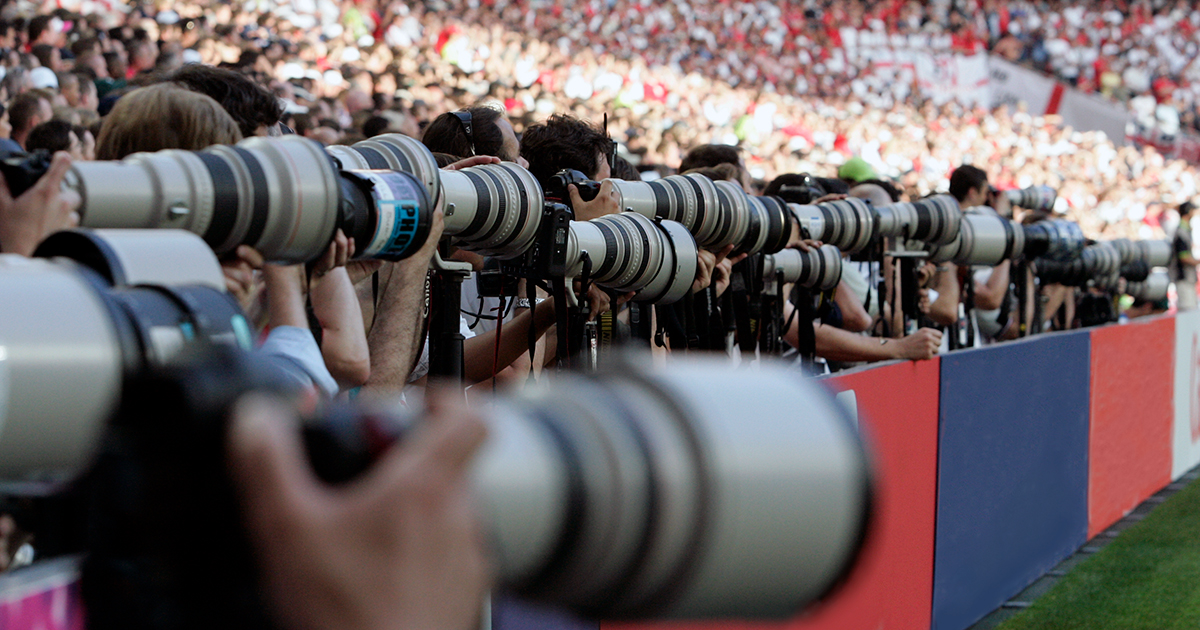
If you have watched sports, wildlife, or news photography, you have likely noticed long white lenses beside black camera bodies. Understanding why are some camera lenses white reveals more than a simple design choice. The color can improve heat control, support optical stability, strengthen brand identity, and help photographers work in bright outdoor settings.
The Main Reason Some Camera Lenses Are White
The main reason why are some camera lenses white is heat management. White surfaces reflect more sunlight than black surfaces, so they usually absorb less solar energy.
This matters most for large telephoto lenses. These lenses often have wide front elements, long barrels, many glass groups, and built-in electronics. A dark barrel left in direct sun can become very hot, much like a black car parked outside on a summer day.
A white or light gray finish helps slow that heat build-up. It does not keep the lens cold in every situation, but it can reduce the temperature rise. That small difference may help the lens perform more consistently.
Temperature can affect several parts of a lens:
• Optical glass can expand slightly.
• Metal and plastic parts can expand at different rates.
• Internal focus parts may change position.
• Lubricants can become thinner or thicker.
• Autofocus and image stabilization systems may face extra stress.
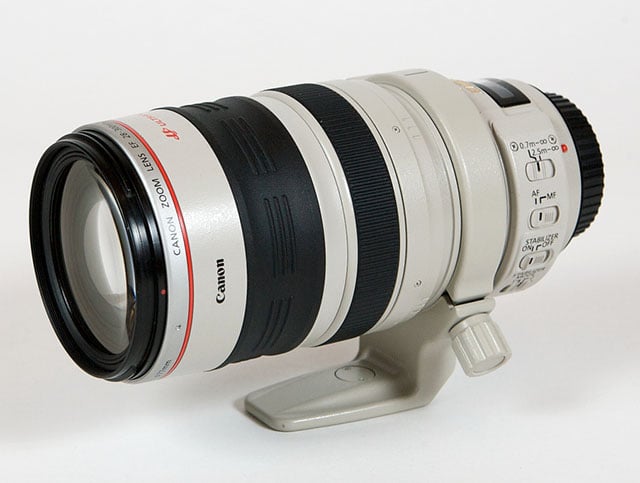
For a small 35mm lens, these changes are often minor. For a large 400mm, 600mm, or 800mm lens, even small shifts can matter. This is a key reason why are some camera lenses white, especially professional super-telephoto lenses.
How Heat Can Affect Lens Performance
Camera lenses are built with tight optical tolerances. The lens must keep each glass element in the right place while the photographer focuses, zooms, and tracks a subject.
When a lens heats up, its materials may expand. The change is usually tiny, but optical systems can be sensitive to tiny changes. Heat may also create air movement inside the barrel, which can slightly soften images in extreme conditions.
This effect is similar to the shimmer seen above a hot road. The air itself bends light as warm and cool layers mix. A hot lens barrel can create a smaller version of this problem near the optical path.
A light-colored lens barrel may help by:
• Slowing solar heating.
• Reducing temperature differences across the barrel.
• Limiting uneven expansion.
• Helping internal parts stay closer to their designed position.
• Improving comfort when the lens is handled outdoors.
White paint is not a complete thermal solution. A lens can still become hot under strong sunlight, especially in a desert, on a beach, or inside a vehicle. However, the color gives the lens a useful advantage before active cooling or shade becomes necessary.
This explains why are some camera lenses white without suggesting that every white lens will always produce sharper photos. The benefit is mainly about heat control and stability, not a magical improvement in image quality.
Why Large Telephoto Lenses Are Often White
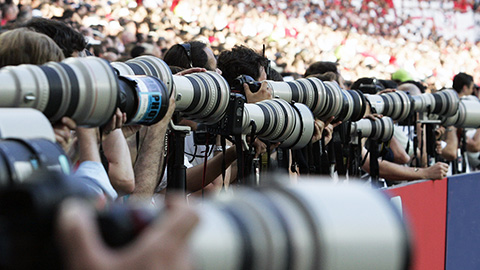
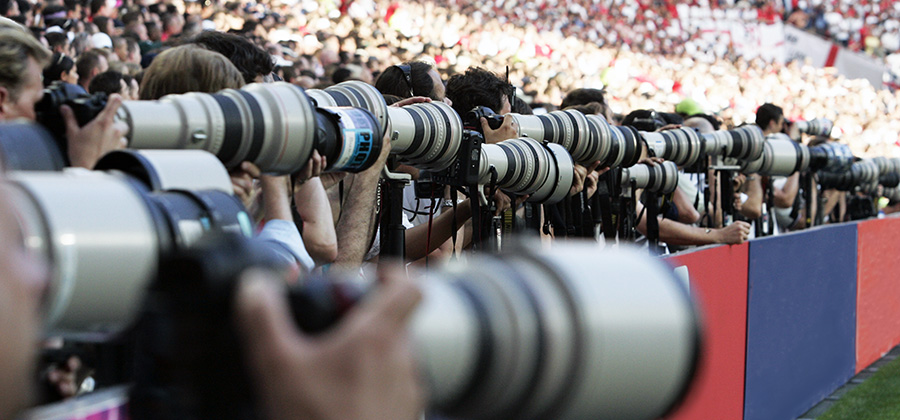
Professional telephoto lenses spend much of their time outdoors. Sports photographers may work under direct stadium lights or summer sun. Wildlife photographers may wait for hours in open fields, wetlands, or rocky landscapes.
These lenses are also physically large. A 600mm lens has far more surface area than a small 50mm lens. More surface area means more sunlight can heat the barrel.
The size of the internal optical system also matters. A long lens may contain:
• Large front and rear elements.
• Multiple focus groups.
• Image stabilization hardware.
• Ultrasonic or linear autofocus motors.
• Electronic control boards.
• Weather seals and moving parts.
Many of these components work best within a moderate temperature range. The lens may still operate outside that range, but extreme heat can affect comfort, battery use, focus behavior, and long-term reliability.
This is why are some camera lenses white in professional photography. The color is most useful when the lens is large, expensive, powerful, and used for long periods in changing outdoor conditions.
Does White Make a Lens Sharper?
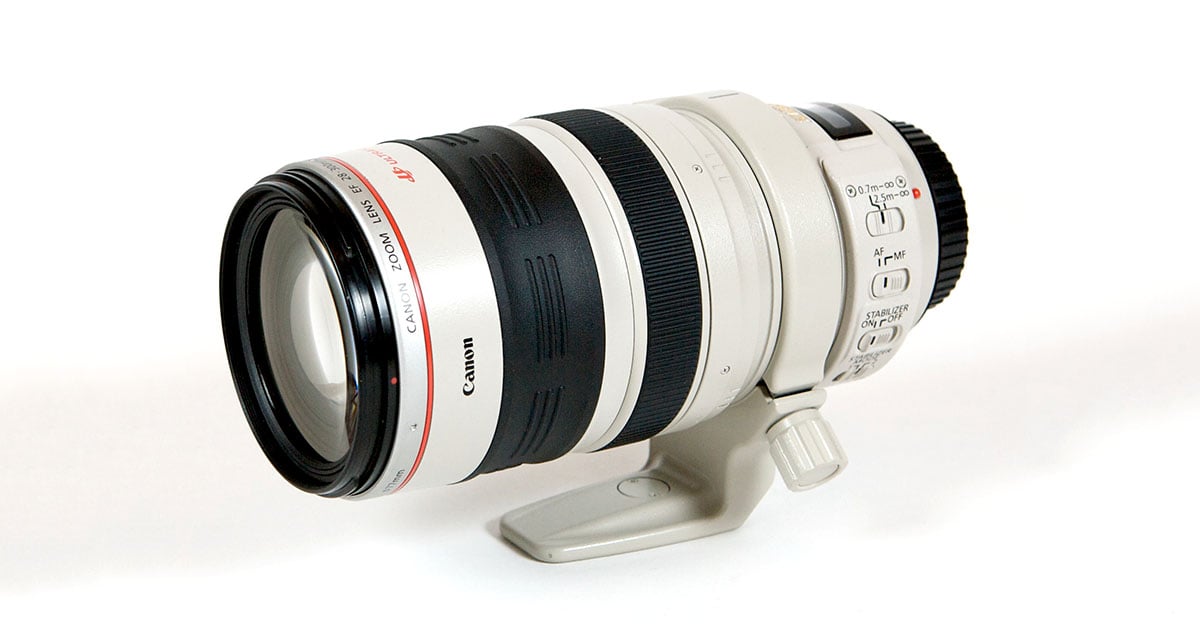
White paint does not directly make a lens sharper. Sharpness comes from optical design, glass quality, lens alignment, manufacturing accuracy, focus performance, and image stabilization.
The color may support sharpness indirectly by reducing heat-related changes. If the lens stays closer to its intended temperature, the optical elements may remain more stable. That can help preserve consistent performance in difficult conditions.
Think of it like a musical instrument. A white guitar is not automatically better than a black guitar. However, if the instrument is made with stable materials and kept at a steady temperature, it may stay in tune more reliably.
The same idea applies to camera lenses. The answer to why are some camera lenses white is not “because white lenses are sharper.” A better answer is that white finishes can help large lenses maintain stable working conditions.
A photographer should never choose a lens based on color alone. Compare these features instead:
• Optical sharpness across the frame.
• Autofocus speed and accuracy.
• Maximum aperture.
• Image stabilization.
• Weather sealing.
• Weight and balance.
• Compatibility with your camera system.
• Repair and service support.

Why Camera Companies Use White as a Brand Feature
Heat control is important, but it is not the only reason why are some camera lenses white. Brand identity also plays a major role.
For decades, light-colored super-telephoto lenses have been strongly linked with professional sports and wildlife photography. A large white lens can be recognized from a distance at a stadium or press event.
This creates a visual connection between the lens and professional use. When photographers see a light super-telephoto lens, they may think of major sporting events, bird photography, or agency work.
Companies also use distinctive colors to separate product lines. Some brands use white, cream, light gray, or off-white finishes. Others use black barrels for nearly every lens. The exact shade may change, but the goal can include:
• Creating a recognizable professional look.
• Showing that the lens belongs to a premium range.
• Making large lenses easier to identify.
• Connecting current products with earlier models.
Branding does not mean the design is fake or purely decorative. A company can use a recognizable color while also gaining real thermal benefits. Still, the marketing value should not be overlooked when explaining why are some camera lenses white.
Are White Lenses Better for Wildlife Photography?
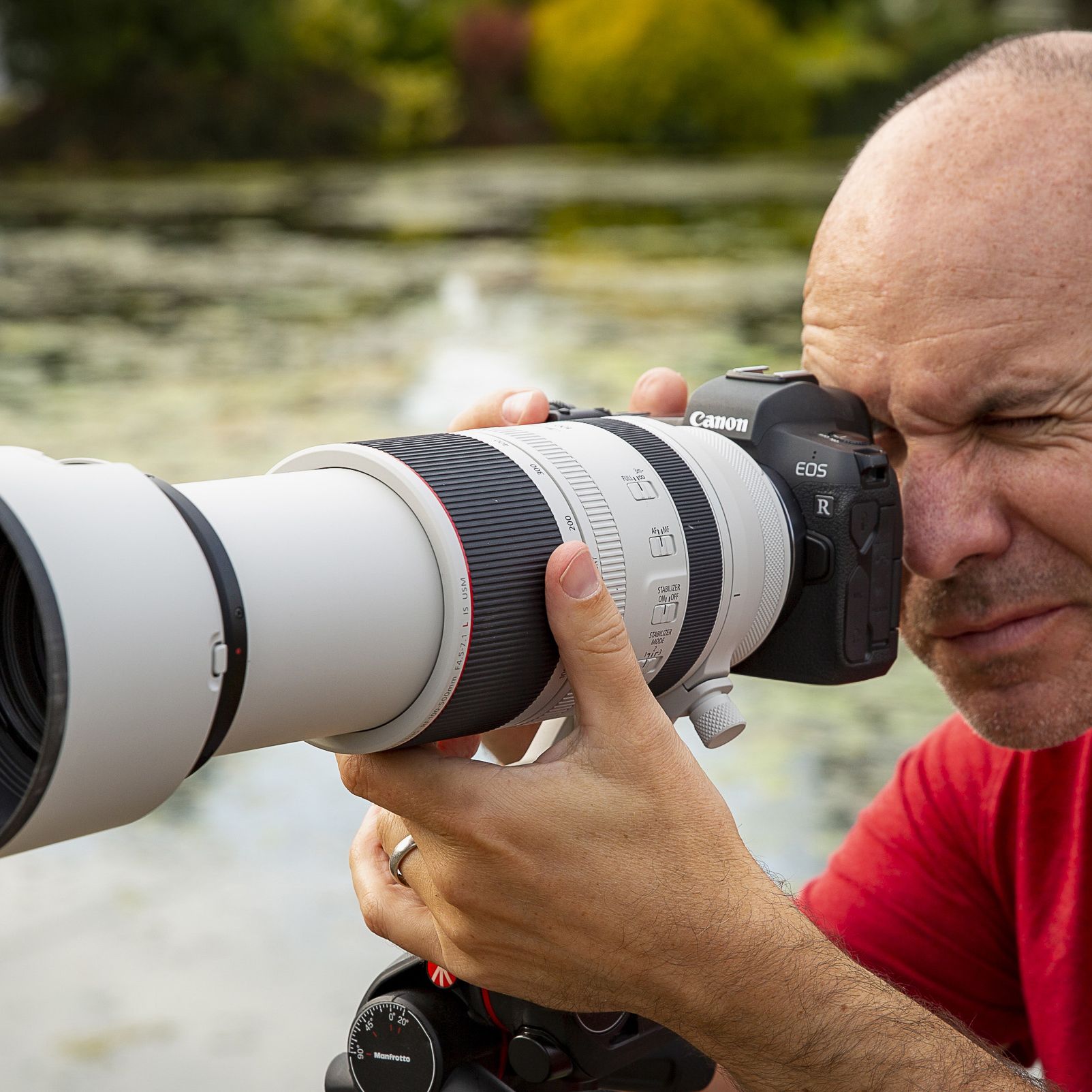
White lenses are not automatically better for wildlife photography, but they can be useful in long outdoor sessions. A light barrel may absorb less heat while you wait for an animal to appear.
Wildlife photographers often work in open areas with little shade. They may keep the lens mounted on a tripod for hours. In those conditions, every small heat-control benefit can help.
There is also a practical comfort benefit. A dark lens can feel very hot when carried or adjusted under direct sun. A lighter finish may be more comfortable to touch, although the focusing rings and tripod collar can still heat up.
However, some animals may notice a bright lens more easily. This is one reason wildlife photographers often use camouflage wraps or lens covers. A cover can reduce glare, protect the barrel, and make the lens less visually obvious.
A white lens can also reflect light toward the subject. The effect is usually small, but careful photographers may avoid sudden movements and bright reflections when working near cautious animals.
The best approach is simple:
-
Use a lens cover when you need a lower profile.
-
Keep the front element shaded with a lens hood.
-
Avoid leaving the lens in a hot car.
-
Let the lens adjust slowly when moving between cold and warm places.
-
Use a tripod or monopod for large lenses.
Why Some White Lenses Are Off-White or Gray
Many professional lenses are not pure white. They may use light gray, cream, or a slightly warm shade.
There are several practical reasons for this choice. A softer color can hide dust, small marks, and handling stains better than bright white paint. It may also reduce glare compared with a highly reflective white surface.
Lens manufacturers must balance heat reflection with durability. The coating needs to resist scratches, weather, cleaning, and regular contact with camera bags. A slightly gray finish may offer a useful balance between appearance and daily use.
The surface may also include special paint or coatings designed for outdoor equipment. The exact formula differs by manufacturer and model. Without factory testing, it is not safe to assume that one shade performs much better than another.
This is another detail that helps explain why are some camera lenses white. The color is usually part of a larger engineering decision involving temperature, durability, visibility, and product design.
Why Lens Hoods Are Usually Black
A white lens barrel often comes with a black lens hood. This may seem odd, but the two parts serve different jobs.
The lens barrel benefits from reflecting sunlight. The lens hood needs to block stray light from reaching the front element. A black, nonreflective hood is less likely to bounce light into the lens.
Stray light can reduce contrast and create flare. It may produce bright spots, washed-out colors, or a hazy look across the image. A matte black hood helps control these problems.
The hood also protects the front element from bumps and light rain. It can make a large lens easier to handle during a busy shoot.
So, the white barrel and black hood are not a design mistake. They work together:
• The light barrel helps reduce heat absorption.
• The dark hood helps reduce unwanted reflections.
• The hood provides physical protection.
• The lens cap protects the front element when the lens is stored.

White Versus Black Camera Lenses
Black lenses remain common for good reasons. Black is less noticeable in many settings, looks understated, and can hide minor marks. It may also be preferred for street photography, travel, and general-purpose shooting.
White lenses have a stronger connection with large professional telephoto designs. They can help with heat control, but they may also attract attention. A big white lens can make the photographer more visible in public places.
Here is a simple comparison:
• White or light gray: Reflects more sunlight and may reduce heat build-up.
• Black: Absorbs more sunlight but offers a discreet, classic appearance.
• Camouflage cover: Helps reduce visibility and protects the lens finish.
• Metallic finish: May reflect sunlight but can have different durability and heat behavior.
Color alone does not tell you how well a lens is built. Some black lenses have excellent thermal design. Some white lenses are made mainly for appearance or product identity. The lens materials, internal layout, and coatings matter more than color by itself.
This balanced view is important when asking why are some camera lenses white. White is useful, but it is only one part of a much larger design system.
Common Mistakes With White Telephoto Lenses
A white lens can handle outdoor work, but it is not immune to heat or damage. One common mistake is leaving it in a closed car. A light-colored barrel may heat more slowly, but the inside of a vehicle can still reach dangerous temperatures.
Another mistake is moving the lens quickly from a cold room into hot, humid air. Condensation may form on the outside and inside of the lens. In severe cases, moisture can affect electronics or encourage fungus growth over time.
Try these habits:
• Keep the lens in a padded bag when not in use.
• Use shade during long breaks.
• Avoid placing the lens on hot concrete or metal.
• Do not point the front element at the sun for long periods.
• Use a clean, fitted lens cover.
• Allow temperature changes to happen gradually.
• Follow the manufacturer’s cleaning and storage instructions.
In my experience with outdoor camera setups, photographers often worry about small scratches but overlook heat and moisture. A careful storage routine usually protects a lens better than gentle handling alone.
Another lesson is to avoid touching the front element with a shirt or tissue. Use a blower, a soft lens brush, and a proper microfiber cloth. The white barrel may show dirt clearly, but aggressive cleaning can cause more harm than the dirt itself.
How to Keep a White Lens Clean
White finishes can show dust and fingerprints more clearly than black finishes. That does not mean the lens needs constant deep cleaning.
For the exterior, start with a dry blower or a soft brush. Remove loose grit before wiping the surface. Fine grit can act like sandpaper if rubbed into the finish.
For a basic cleaning routine:
-
Remove loose dust with a blower.
-
Wipe the barrel with a clean microfiber cloth.
-
Use a small amount of approved lens cleaner only when needed.
-
Keep liquid away from buttons, switches, and seams.
-
Clean the front and rear elements with proper optical supplies.
-
Store the cloth separately after use.
Do not use household glass cleaner. It may damage coatings, rubber parts, paint, or seals. If the lens has sand, salt, or sticky residue, professional cleaning may be safer than repeated rubbing.
A camouflage lens cover can reduce cleaning work. It can also protect the finish from branches, rocks, and constant contact with a tripod or backpack.
Frequently Asked Questions About Why Are Some Camera Lenses White
Why are professional telephoto lenses white?
Professional telephoto lenses are often white because the light finish reflects sunlight and can reduce heat build-up. It also helps create a recognizable look for premium lens lines.
Are white camera lenses cooler than black lenses?
White lenses can become less hot than black lenses under the same sunlight because they generally absorb less visible light. The difference depends on the paint, weather, lens shape, exposure time, and surrounding temperature.
Do white lenses produce better photos?
A white finish does not directly improve image quality. It may help large lenses stay more thermally stable, but sharpness mainly depends on optical design, focus, stabilization, and camera technique.
Why are lens hoods black when the lens is white?
Black lens hoods help absorb stray light and reduce reflections that can cause flare. The white barrel manages heat, while the black hood controls unwanted light.
Can a white lens be used for wildlife photography?
Yes, white lenses are widely used for wildlife photography. If the color attracts attention or scares an animal, a camouflage cover can make the lens less visible.
Are all large camera lenses white?
No. Many large lenses are black, gray, or another color. The choice depends on the manufacturer, product line, thermal design, market style, and intended use.
Should I buy a white lens instead of a black lens?
Choose based on focal length, aperture, sharpness, autofocus, stabilization, weight, and price. Color can help with heat control, but it should not be the main buying factor.
Conclusion
The answer to why are some camera lenses white is a mix of engineering and design. Light-colored barrels reflect more sunlight, which can help reduce heat build-up in large telephoto lenses. This may support more stable optical performance during long outdoor shoots.
White also signals professional use and gives camera brands a recognizable identity. Still, a white lens is not automatically sharper or better than a black lens. Its real value depends on the full optical design, build quality, weather sealing, and how you use it.
If you shoot sports, birds, or wildlife, focus on the features that affect your work most. Use shade, lens covers, and safe storage to protect your equipment. Then compare trusted reviews and hands-on tests before buying your next lens, and share your own experience with white camera lenses in the comments.
Recent Posts
Parts of a 35mm Camera: Complete Guide to Every Key Part and Its Function
Learn the parts of a 35mm camera, what each part does, and how the lens, shutter, film chamber, viewfinder, and controls work together.
Parts of a Camera Canon: A Complete Guide to Canon Camera Parts and Functions
Learn the parts of a Canon camera, what each part does, and how the lens, sensor, shutter, controls, viewfinder, and screen work together.