
Full frame cameras cost more because they use larger sensors, stronger parts, advanced features, and costly research.
If you have ever asked, “why are full frame cameras so expensive ,” you are not alone. The price can seem hard to justify beside a cheaper APS-C or Micro Four Thirds camera. However, sensor size is only one part of the story. Manufacturing limits, image quality, autofocus systems, weather sealing, professional controls, and expensive full-frame lenses all affect the final cost. This guide explains where your money goes and when a full-frame camera makes sense.
What makes a full-frame camera different?
A full-frame camera uses an image sensor that is about the same size as a 35mm film frame. It measures roughly 36 by 24 millimeters. This area is much larger than the sensor in most APS-C cameras, which usually measure about 23.5 by 15.6 millimeters.
That larger surface gives the camera more room to collect light. Think of it like a larger window in a dark room. A bigger window can let in more light, which can help create cleaner images and smoother tones.
The main benefits of a full-frame sensor include:
• Better performance in low light
• More control over background blur
• Wider views with the same lens
• Higher image quality in many situations
• More room for cropping and large prints
Still, a full-frame sensor does not make every photo better. A skilled photographer with an APS-C camera can often create stronger images than a beginner with an expensive full-frame body.
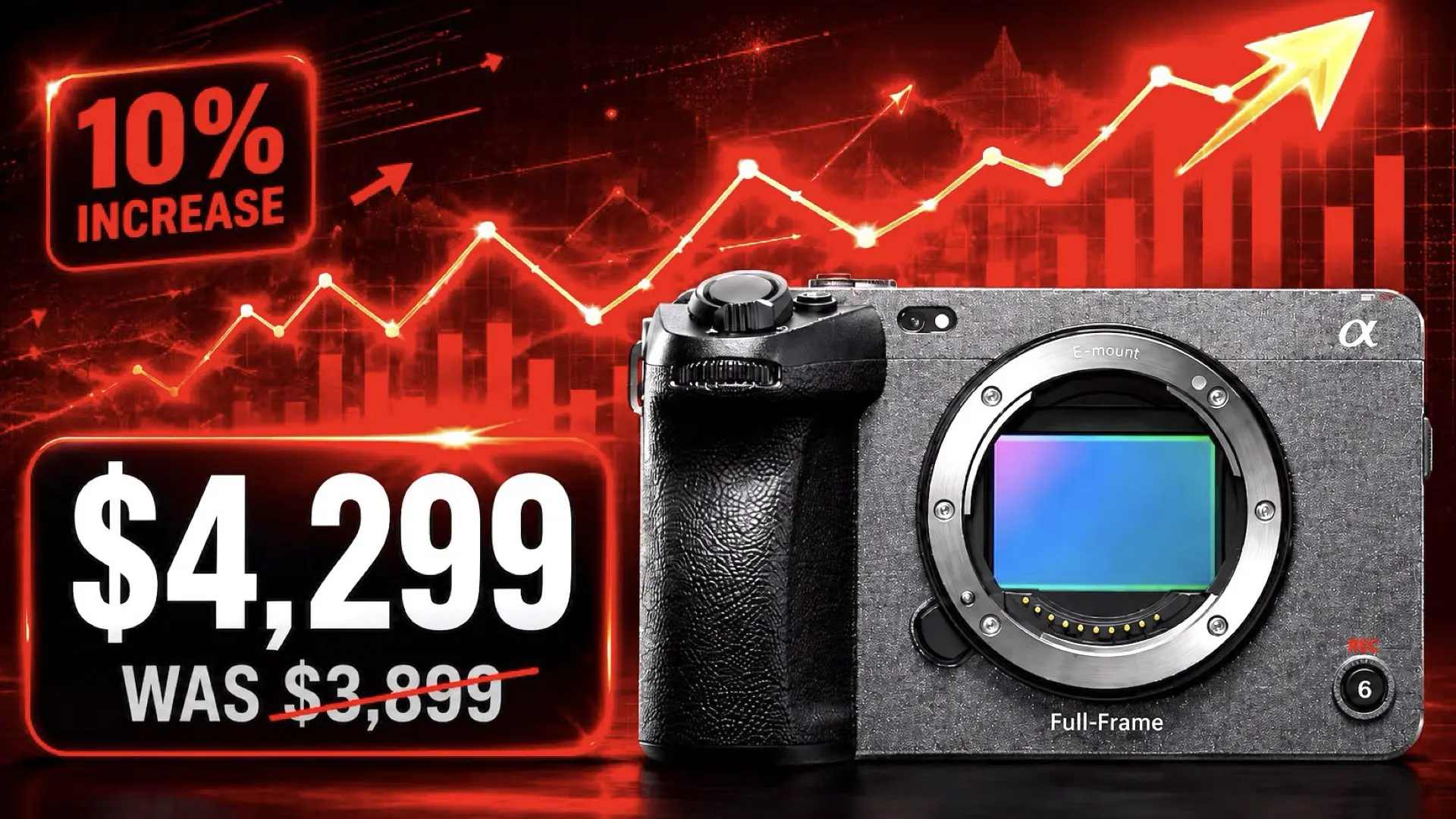
Why are full frame cameras so expensive?
The answer includes several connected costs. Manufacturers must design and build a larger sensor, add powerful processors, support more demanding lenses, and often include features made for professional use.
Here are the biggest reasons:
• Larger sensors cost more to produce and test.
• Advanced autofocus systems require complex software and hardware.
• Professional bodies use stronger materials and tighter construction.
• Research and development costs are spread across fewer cameras.
• Full-frame lenses need larger glass elements.
• New models often include expensive video and connectivity features.
• Brand reputation and professional support can raise the price.
The camera body is only the visible part of the cost. Behind it are years of design work, testing, factory equipment, firmware development, and quality control. These costs do not disappear just because the camera looks small in your hand.

Larger sensors are harder to manufacture
One major reason why are full frame cameras so expensive comes down to sensor production. A full-frame sensor uses far more silicon than a smaller sensor. It also needs a very clean manufacturing process.
A sensor wafer may contain many individual sensor chips. If dust, scratches, or manufacturing defects affect one part of a chip, that chip may fail inspection. Larger chips have a greater chance of containing a flaw. This lowers the number of usable sensors from each wafer.
That lower production yield increases the price of every sensor that passes quality control. The process is similar to cutting large sheets of glass. Small pieces are easier to produce without waste. Large pieces require more care and create more expensive losses when something goes wrong.
Sensor makers also spend heavily on:
• Photolithography equipment
• Clean-room facilities
• Color filter technology
• Microlens design
• Heat control
• Readout circuits
• Quality testing
A full-frame sensor is not simply a larger version of a phone sensor. It needs careful engineering to control noise, heat, power use, and data speed.
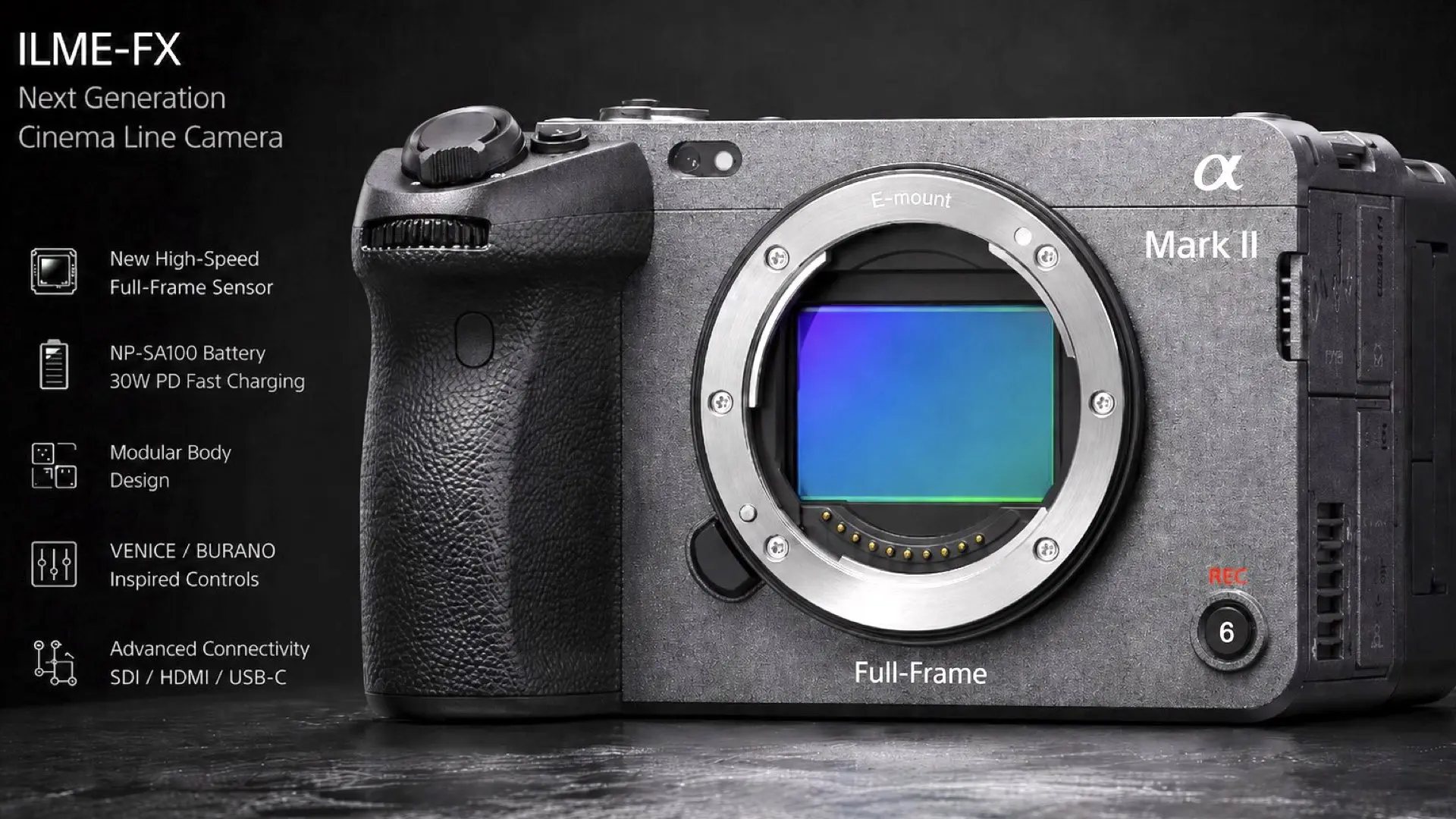
Full-frame cameras need faster processors
Modern cameras capture large amounts of data. A 24-megapixel full-frame image contains more information than a smaller image from many entry-level cameras. High-resolution models can capture 45, 60, or even more megapixels.
The camera must process this data quickly. It may need to perform several tasks at once:
• Read the sensor
• Focus on a moving subject
• Detect faces and eyes
• Apply noise reduction
• Record a high-quality preview
• Save a RAW file
• Record 4K or 8K video
• Control image stabilization
These jobs require powerful processors and fast memory. Better processors add to the price of the body. They also increase heat, which requires more advanced cooling and circuit design.
This is another reason why are full frame cameras so expensive. You are paying for a small computer that must handle demanding image tasks in real time.
Professional autofocus costs more
Autofocus has changed greatly in recent years. Many full-frame cameras can track eyes, faces, animals, vehicles, and aircraft. Some can predict subject movement and keep focus during fast action.
This system depends on more than a focus motor. It uses:
• High-speed sensor readings
• Dedicated image processors
• Machine-learning software
• Phase-detection pixels
• Advanced subject databases
• Precise lens communication
Developing this technology takes years. Engineers must test it in bright sunlight, dim rooms, rain, sports fields, and busy scenes. The system must also work with many different lenses.
A low-cost camera may focus well on a still subject. A professional full-frame camera must keep tracking a runner, bird, or wedding couple with far less room for error. That reliability is valuable to people who cannot repeat the shot.
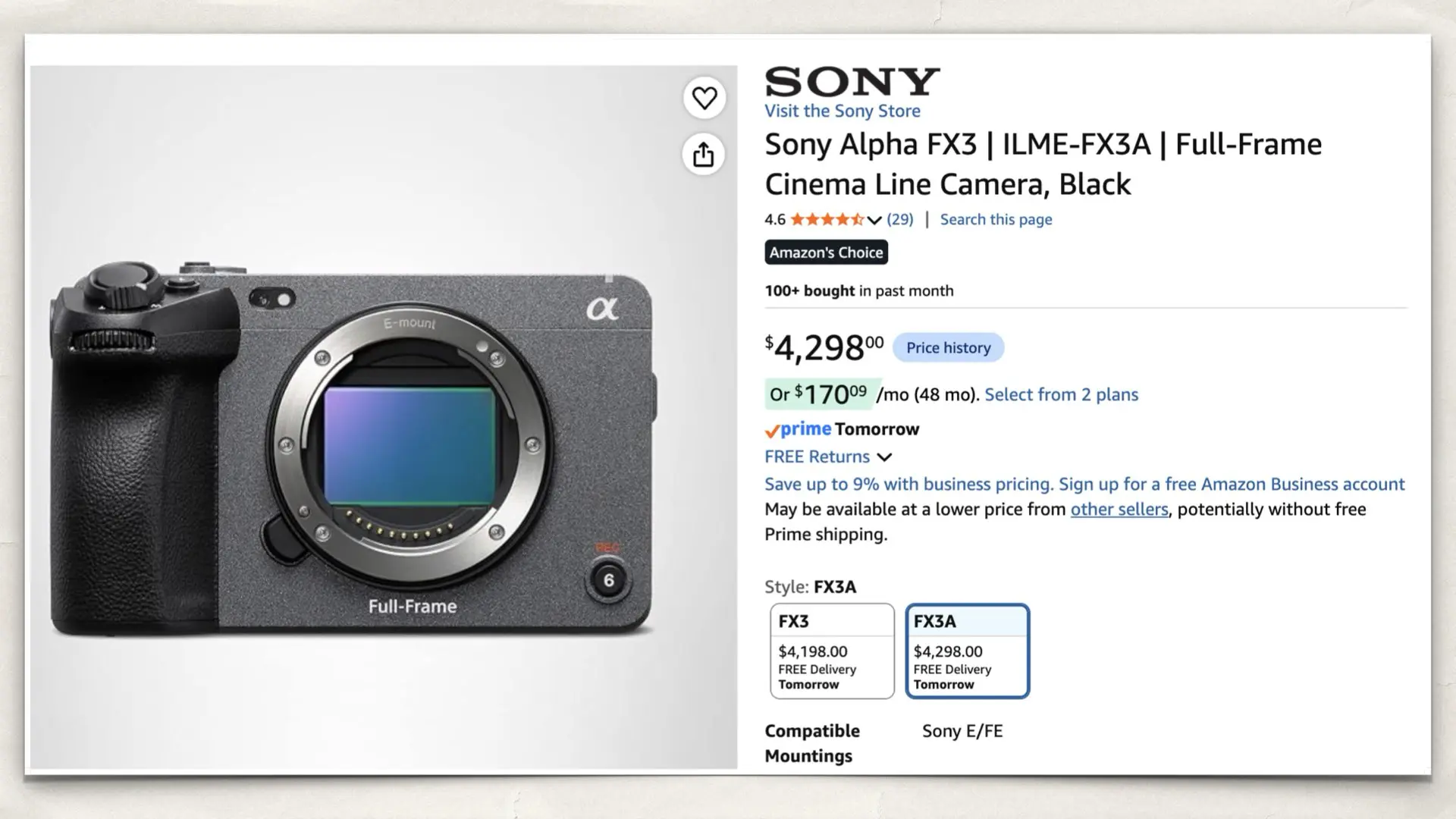
Better construction raises the price
Many affordable cameras use plastic bodies and simpler seals. That does not mean they are weak. It simply means they are designed for a different type of use.
Professional full-frame cameras often include a magnesium alloy frame. They may also have improved sealing against dust and moisture. Buttons, dials, card doors, and tripod mounts receive extra attention because professionals may use them every day.
A durable camera can survive:
• Long shooting sessions
• Frequent lens changes
• Cold weather
• Light rain
• Dusty locations
• Heavy professional lenses
• Years of regular use
Weather sealing does not mean a camera is waterproof. It also varies between models and lenses. Still, stronger construction can protect a costly investment and reduce downtime.
This practical durability helps answer why are full frame cameras so expensive. The body is built to work as a tool, not just as a consumer gadget.
Full-frame cameras often include more features
Price also reflects the number of controls and functions inside the camera. Many full-frame models offer features that are less common on entry-level bodies.
Examples include:
• Dual memory card slots
• High-speed electronic shutters
• Mechanical shutters rated for many cycles
• In-body image stabilization
• Fast burst shooting
• High-resolution electronic viewfinders
• Custom control buttons
• Advanced video profiles
• Headphone and microphone ports
• Ethernet or wireless transfer
• High-capacity batteries
A professional photographer may use two memory cards at once to create an instant backup. A filmmaker may need clean HDMI output, timecode support, and reliable heat control. A wedding photographer may value dual card slots more than extra megapixels.
You may not need these features. But their development and inclusion still affect the camera’s price.

Full-frame lenses are expensive too
A common mistake is to compare only camera body prices. The full system often costs more because full-frame lenses must project an image across a larger sensor.
A larger image circle usually requires larger glass elements. Large glass is heavier, harder to polish, and more expensive to coat. Fast lenses also need wide apertures, such as f/1.4, f/1.8, or f/2.8. These designs can require complex optical formulas.
Full-frame lens prices rise because of:
• Larger glass elements
• Wider apertures
• Optical stabilization
• Low-dispersion glass
• Special coatings
• Quiet autofocus motors
• Weather-resistant construction
• Complex zoom designs
For example, a basic full-frame kit may seem affordable. But adding a wide-angle lens, a telephoto zoom, and a fast portrait lens can cost more than the camera body.
This is one of the clearest answers to why are full frame cameras so expensive. The expense often belongs to the entire ecosystem, not just the sensor.
Research, development, and testing affect the price
Camera companies spend years developing new models. They must create the hardware, write firmware, test image quality, design menus, and ensure that the camera works with older accessories.
They also need to support:
• New sensor technology
• Improved autofocus
• Video recording
• Image stabilization
• Wireless apps
• Battery management
• Lens compatibility
• Safety and regulatory standards
A camera may sell for several years, but its development costs begin long before launch. The manufacturer must recover those costs from a limited number of units.
This matters because camera sales are much smaller than smartphone sales. A phone company may sell millions of units. A high-end camera maker may sell far fewer bodies. Each camera must carry a larger share of the development cost.
Brand reputation and professional support matter
Established camera brands charge more partly because they offer a complete support system. This may include firmware updates, repair centers, loaner programs, technical service, and a large lens range.
For a working photographer, support can save money. A camera that is repaired quickly may prevent a missed wedding, commercial job, or sports event. A large lens catalog also lets photographers build a system over many years.
Brand pricing can include:
• Service and repair networks
• Product testing
• Warranty coverage
• Professional support programs
• Lens development
• Accessories and software
• Long-term mount support
Brand reputation does not guarantee that every expensive camera is the best choice. It does mean the company may offer more infrastructure behind the product.
Are full-frame cameras worth the money?
Whether a full-frame camera is worth the money depends on your work, not on the sensor label. A full-frame model can be a smart choice for professional portraits, weddings, events, landscapes, studio work, and demanding video.
It may be worth the cost if you need:
• Strong low-light performance
• Very shallow depth of field
• High-resolution files
• Fast and reliable autofocus
• Professional weather protection
• Dual card slots
• Advanced video tools
• A wide range of premium lenses
However, a smaller sensor may be the better choice for travel, wildlife, sports, and casual photography. APS-C cameras often provide a lighter kit and extra reach with telephoto lenses. Micro Four Thirds systems can be even smaller and may offer excellent stabilization.
Before buying, ask yourself:
-
What do I photograph most often?
-
Do I print large images or sell client work?
-
Will I buy several full-frame lenses?
-
Do I need professional video or autofocus?
-
Is the extra weight comfortable for me?
If the answers are no, the camera may not provide enough real-world value.
Full frame versus APS-C: a practical comparison
The difference between full-frame and APS-C is not simply “professional versus beginner.” Both formats have strengths.
Full-frame cameras often offer:
• Better high-ISO performance
• More background blur at the same framing
• Wider views with wide lenses
• More high-end body options
APS-C cameras often offer:
• Lower purchase prices
• Smaller lenses
• Lighter camera bags
• Extra apparent reach for distant subjects
• Strong value for beginners and enthusiasts
For example, a 200mm lens on an APS-C camera gives a narrower field of view than it does on full frame. That can help with birds or field sports. On the other hand, a full-frame camera may be better for a wide interior photo or a dim wedding reception.
The best format depends on the job. Sensor size is a tool, not a measure of your skill.
How to reduce the cost of a full-frame system
You do not need to buy the newest camera and every premium lens. A careful plan can reduce the total cost.
Try these approaches:
• Buy a previous-generation body.
• Consider a reliable used camera from a trusted seller.
• Start with one versatile zoom lens.
• Buy used lenses with clean glass and working autofocus.
• Compare third-party lenses.
• Rent expensive lenses before buying them.
• Protect the camera with insurance and a good bag.
• Invest in batteries and memory cards only as needed.
Older full-frame cameras can still produce excellent images. A camera from several years ago may have more than enough quality for social media, client galleries, and large prints.
When buying used, inspect the sensor, mount, card slots, screen, viewfinder, ports, and battery. Check the shutter count when possible. Ask whether the camera has suffered water damage or repairs.
Common mistakes when buying a full-frame camera
Many buyers focus on megapixels and ignore the rest of the system. More megapixels do not automatically mean better photos. Lens quality, lighting, technique, focus accuracy, and editing often matter more.
Other mistakes include:
• Buying a body without budgeting for lenses
• Choosing a heavy kit that stays at home
• Ignoring battery life
• Forgetting the cost of memory cards
• Assuming weather sealing means waterproofing
• Buying features you will never use
• Replacing a good APS-C kit too soon
In my experience comparing camera systems, the biggest surprise is often the weight. A full-frame body may feel manageable at the store, but a large f/2.8 zoom can make the whole kit tiring during a full day.
Try renting the exact body and lens combination before buying. Carry it for several hours. That simple test can prevent an expensive mistake.
Does a full-frame sensor guarantee better image quality?
No. It can provide technical advantages, but the final image depends on many factors. Light, focus, lens quality, exposure, composition, and editing all play major roles.
A full-frame camera usually gives you more flexibility in difficult conditions. It may show less noise at high ISO or create softer background blur. But those benefits matter only when your subject and shooting style require them.
A well-used smaller camera is better than an expensive camera that feels too heavy or complicated. The best camera is often the one you carry, understand, and use with confidence.
Frequently Asked Questions About Why Are Full Frame Cameras So Expensive
Why are full frame cameras so expensive compared with APS-C cameras?
Full-frame cameras use larger sensors that are harder and more costly to manufacture. They also often include stronger bodies, faster processors, better autofocus, and more professional features.
Are full-frame cameras better in low light?
In many cases, yes. A full-frame sensor can collect more light and may produce cleaner images at high ISO, although sensor design, lens aperture, and software also affect the result.
Do I need a full-frame camera for professional photography?
Not always. Many professionals use APS-C or Micro Four Thirds cameras because they are smaller, lighter, and highly capable. Your client needs and shooting style matter more than the sensor format.
Are full-frame lenses more expensive?
They often are because they need larger optical elements and must cover a larger image circle. Fast apertures, stabilization, weather sealing, and advanced autofocus can raise the cost further.
Can an older full-frame camera still be good?
Yes. An older model can still deliver excellent image quality, especially for portraits, landscapes, studio work, and normal video. Check its autofocus, battery condition, card support, and overall wear before buying.
Is buying a used full-frame camera safe?
It can be safe when you buy from a trusted dealer or inspect the camera carefully. Check the sensor, shutter, lens mount, ports, card slots, screen, and signs of water or impact damage.
Why are full frame cameras so expensive if megapixels are similar?
Megapixels are only one part of a camera. Price can also reflect sensor size, autofocus speed, build quality, stabilization, video features, processing power, and professional support.
Conclusion
The answer to why are full frame cameras so expensive is larger than “because they have bigger sensors.” Manufacturing costs, low sensor yields, powerful processors, professional autofocus, durable construction, research, and expensive lenses all contribute to the price.
A full-frame camera can be a valuable tool for demanding work, but it is not the right choice for everyone. Compare the complete system, including lenses, weight, repairs, memory cards, and future upgrades. Choose the format that fits your real needs, then spend time improving your light, composition, and timing. Explore more camera guides, compare systems carefully, and share your experience with full-frame photography.
Recent Posts
Parts of a 35mm Camera: Complete Guide to Every Key Part and Its Function
Learn the parts of a 35mm camera, what each part does, and how the lens, shutter, film chamber, viewfinder, and controls work together.
Parts of a Camera Canon: A Complete Guide to Canon Camera Parts and Functions
Learn the parts of a Canon camera, what each part does, and how the lens, sensor, shutter, controls, viewfinder, and screen work together.