
Digital cameras are popular because they offer sharp photos, instant previews, easy sharing, and creative control.
The answer to why are digital cameras popular goes beyond image quality. Modern cameras combine fast results, smart features, long battery life, and strong creative tools in a small package. From family photos to professional work, they give people more control than traditional film while staying easier to use than ever.
Why Are Digital Cameras Popular Today?
Digital cameras are popular because they make photography quick, flexible, and affordable. You can take a photo, check it at once, and try again if the shot is not right. There is no film to buy, develop, or store.
A digital camera also turns photography into a more active experience. You can change the lens, adjust the light, control the background blur, or use automatic modes for simple snapshots.
The main reasons include:
• Instant image review after taking a photo
• Lower running costs than film photography
• Easy transfer to phones, tablets, and computers
• Better control over focus, light, and color
• High image quality in small and light bodies
• Large storage through memory cards
• Useful video features
• Many choices for beginners and experts
Digital cameras popular among many users because they meet different needs. A parent may want a simple point-and-shoot camera. A traveler may prefer a small mirrorless model. A sports photographer may need a fast professional camera with a long lens.
Instant Results Make Photography Easier
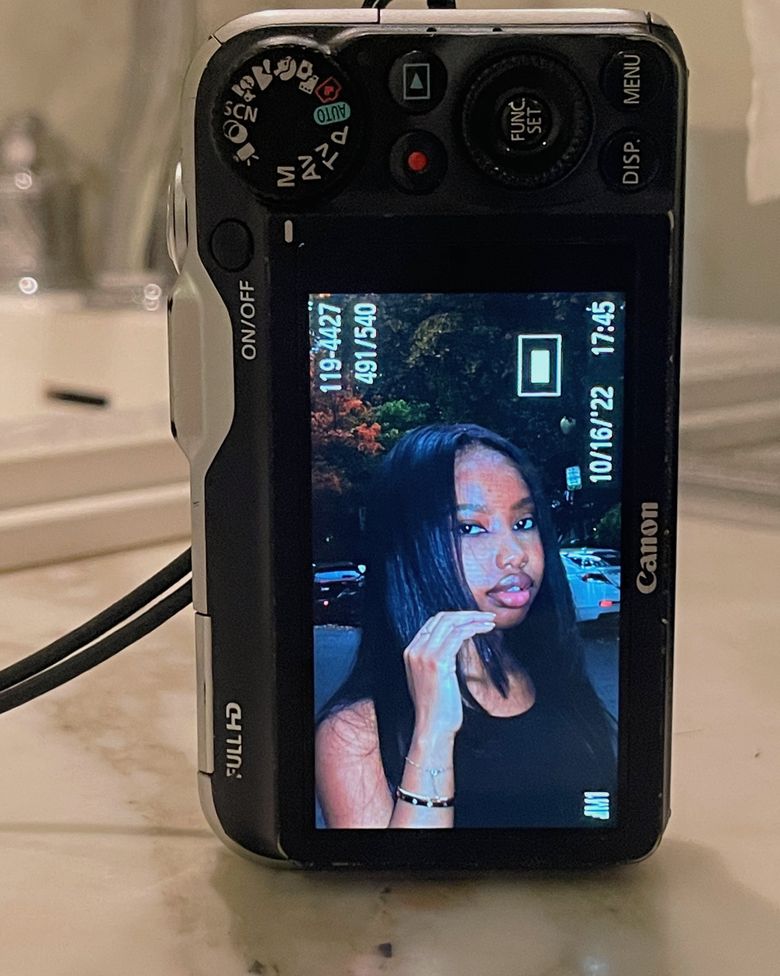
One of the biggest reasons digital cameras are popular is instant feedback. After taking a picture, you can review the image on the camera screen within seconds. This helps you check focus, facial expressions, brightness, and composition.
With film, you had to wait until the roll was processed. That delay could hide problems, such as a closed eye or a blurry subject. Digital photography removes much of that guesswork.
Instant review also helps people learn. Beginners can change one setting, take a photo, and study the result. Over time, this teaches how shutter speed, aperture, and ISO affect an image.
For example, if a moving dog looks blurry, you can raise the shutter speed. If a portrait looks too dark, you can add light or adjust exposure. The camera becomes both a tool and a learning device.
High Image Quality and Strong Detail
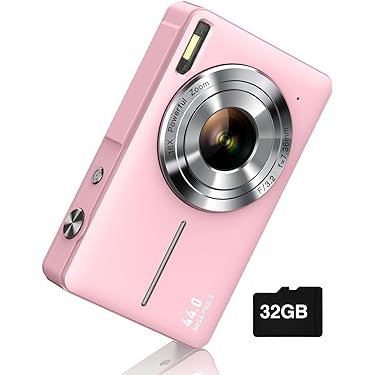
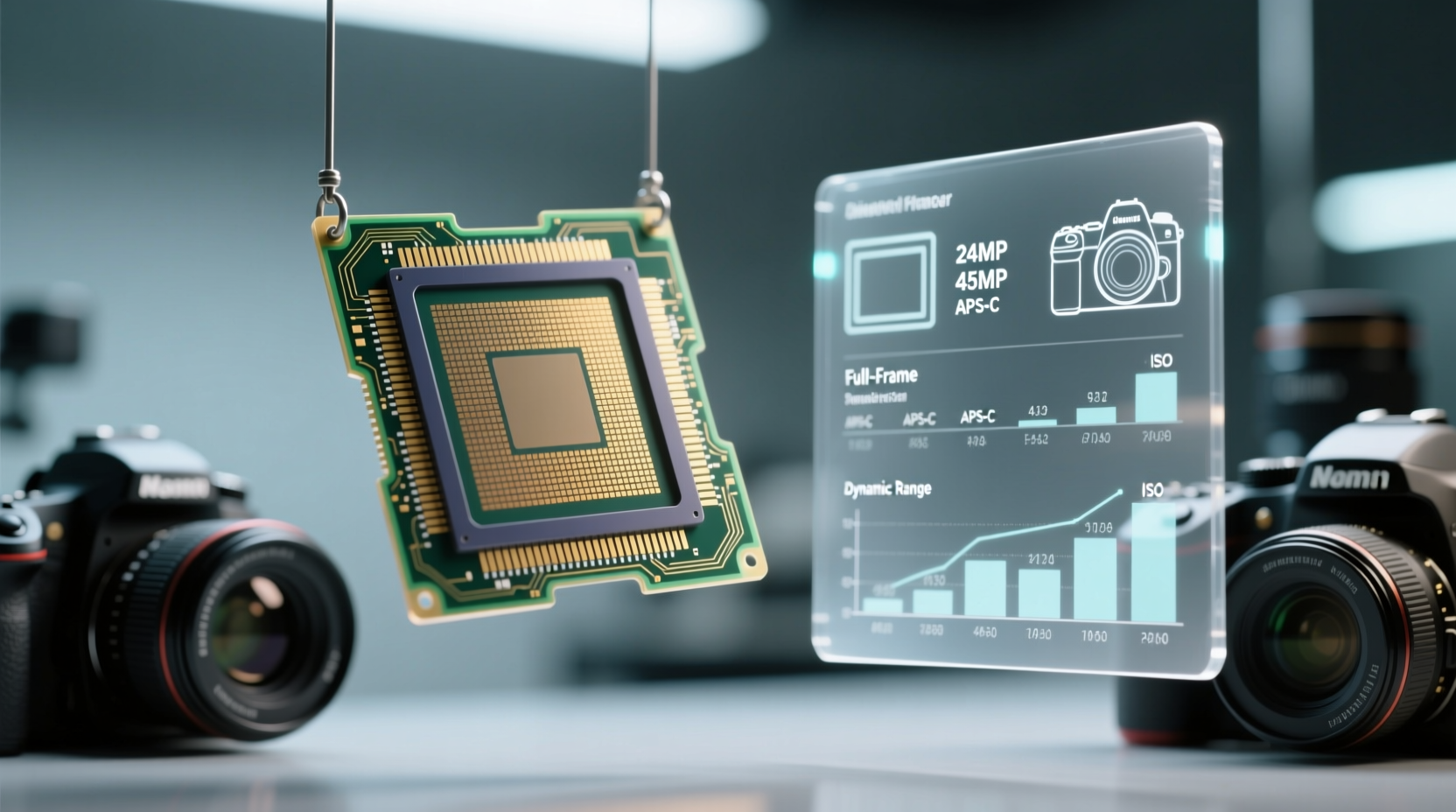
Modern digital cameras can capture a high level of detail. Many models use large sensors that collect more light than the small sensors found in most phones. This can produce cleaner images, especially indoors or at night.
Sensor size matters, but it is not the only factor. Lens quality, image processing, focus performance, and shooting technique also affect the final photo.
Digital cameras are popular with serious photographers because they offer:
• Sharp files for printing
• Better detail in bright and dark areas
• More natural background blur
• Lower image noise in low light
• Greater flexibility when editing
• Better results with telephoto and wide-angle lenses
A phone may create a great photo in good light. However, a camera with a larger sensor and a quality lens often gives you more detail and control in difficult conditions.
This does not mean every camera beats every phone in every situation. Phones are strong at automatic processing. Digital cameras often win when you need natural depth, fast action, long zoom, or careful control.
Easy Sharing and Digital Storage
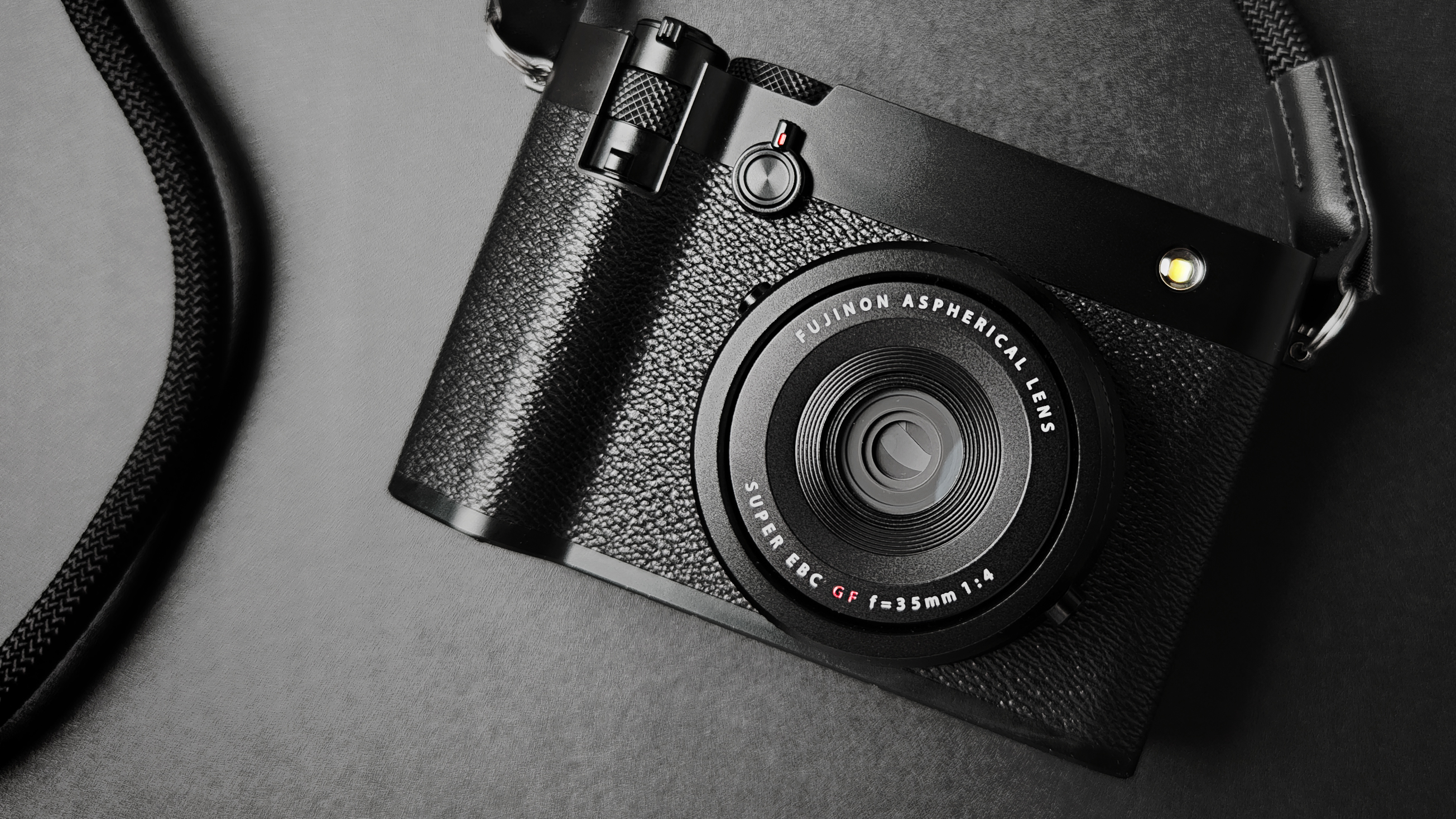
Digital photos are simple to move and share. Most cameras save images to memory cards, and many newer models include Wi-Fi or Bluetooth. You can send photos to a phone, back them up online, or post them on social media.
This convenience explains why digital cameras remain popular even in a phone-first world. A photographer can take a photo with a camera and share it minutes later.
Digital storage also saves physical space. A single memory card can hold hundreds or thousands of photos. You do not need shelves of film rolls or printed albums to keep every image.
Still, digital storage needs care. Memory cards can fail, and files can be deleted by mistake. A simple backup plan helps:
- Copy important photos to a computer.
- Keep a second copy on an external drive.
- Use cloud storage for valuable work.
- Format the memory card inside the camera after backing up.
- Avoid filling a card until it has no space left.
The best photo is not truly safe until it exists in more than one place.

More Creative Control Than a Smartphone
Another key reason why are digital cameras popular is creative control. Many cameras let you choose settings that change the mood and look of an image.
The three basic controls are:
• Aperture controls lens opening and background blur.
• Shutter speed controls motion and exposure time.
• ISO controls sensor sensitivity and affects image noise.
You can use a wide aperture for a soft background in a portrait. A fast shutter speed can freeze a soccer player in motion. A slow shutter speed can create smooth water or light trails.
Manual control may seem difficult at first. In practice, you can start with aperture priority or shutter priority mode. These modes let you control one important setting while the camera manages the rest.
This balance makes digital cameras popular with both new and skilled photographers. You can keep the process simple at first and add more control as your skills grow.
Interchangeable Lenses Expand Possibilities
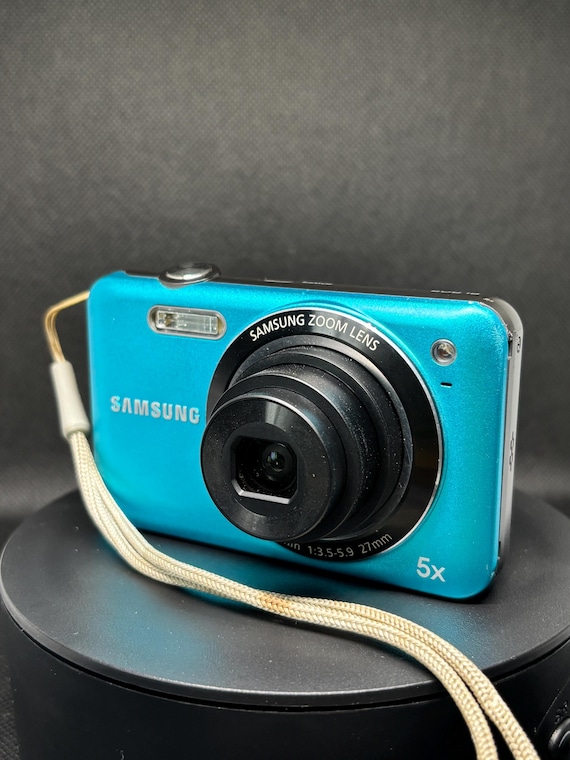
Many digital cameras use interchangeable lenses. This feature allows one camera body to serve many purposes.
A wide-angle lens works well for:
• Landscapes
• Buildings
• Travel scenes
• Group photos
A telephoto lens helps with:
• Wildlife
• Sports
• Concerts
• Distant subjects
A macro lens reveals small details in flowers, insects, jewelry, and food. A fast prime lens can create bright, sharp portraits with a soft background.
This flexibility is a major reason why digital cameras are popular with enthusiasts. Instead of buying a new camera for every type of photo, you can often add a lens that fits the task.
Lenses can cost as much as, or more than, the camera body. New users should avoid buying too much gear at once. A basic camera and one useful lens can teach more than a large bag of equipment.
Digital Cameras Support Video and Hybrid Work
Many digital cameras now record high-quality video. Mirrorless cameras and advanced compact models may offer 4K recording, strong autofocus, external microphones, and image stabilization.
This makes them useful for:
• YouTube videos
• Online classes
• Family films
• Travel content
• Interviews
• Small business marketing
• Short films and documentaries
The shift toward hybrid cameras has helped keep digital cameras popular. People no longer need one device for photos and another for video.
However, video creates extra demands. You need enough storage, steady support, good sound, and spare batteries. A camera with excellent photo quality may not be the best choice for long video sessions, so compare features before buying.
Better Autofocus Helps Capture Real Moments
Autofocus has improved greatly. Many digital cameras can detect faces and eyes, follow moving subjects, and switch focus quickly. This helps photographers capture moments that last only a second.
Eye detection is especially useful for portraits. Instead of moving the focus point by hand, the camera can look for a person’s eye and keep it sharp.
Tracking modes can help with:
• Children running
• Pets playing
• Athletes moving across a field
• Birds in flight
• Cars and motorcycles
• Wedding and event photography
Autofocus is not perfect. It can fail in very low light, through glass, or when several subjects overlap. Learning when to use single-point focus or manual focus remains useful.
In my own camera testing, I have found that autofocus works best when the subject stands out from the background. Good light and a clear subject still matter more than having the newest feature.
Digital Cameras Are Useful for Learning and Work
Digital cameras popular with schools, clubs, small businesses, and creative professionals because they support many types of work. Students can learn photography without paying for film processing. Businesses can create product photos, staff portraits, and social media content.
Photography also teaches useful visual skills. You learn to notice light, shape, color, balance, and timing. These skills can improve design, marketing, journalism, and video production.
Professionals choose digital cameras for more than image quality. They also value:
• Reliable performance
• Fast operation
• Durable bodies
• Accurate color
• Lens choices
• Large file formats
• Strong battery systems
RAW files are important for many serious users. A RAW file keeps more original image data than a compressed JPEG. This gives editors more room to correct exposure and color.
RAW files also use more storage and need editing software. For casual photos, JPEG may be easier. The best format depends on how you plan to use the image.
The Limits of Digital Cameras
Understanding why are digital cameras popular also means looking at their limits. They are powerful tools, but they are not always the easiest choice.
Common drawbacks include:
• Higher upfront cost than using a phone
• Extra weight from lenses and accessories
• A learning curve for manual settings
• Battery charging needs
• Large file sizes
• Dust on sensors or lenses
• More gear to carry while traveling
A camera can also create a false sense of security. Expensive equipment does not guarantee a great photo. Light, timing, composition, and practice still matter.
One mistake I often see is buying a professional camera before learning basic skills. A complex menu can make photography feel harder. For many people, a simple mirrorless camera or compact model is a better starting point.
Think about how you will use the camera before choosing one. A small camera that you carry is usually more useful than a powerful model that stays at home.
Digital Cameras Versus Smartphone Cameras
Smartphones are convenient, connected, and always nearby. They use software to combine several images, improve shadows, reduce noise, and create pleasing colors. For quick photos, a phone may be the best tool.
Digital cameras still offer advantages in several areas:
• Larger sensors
• Real optical zoom
• Interchangeable lenses
• Better control over exposure
• Longer shooting sessions
• More comfortable physical controls
• Stronger performance with moving subjects
The choice depends on the situation. Use a smartphone for casual photos, quick sharing, and everyday moments. Choose a digital camera when you want deeper control, high-quality prints, serious video, or a more focused photography experience.
Many people use both. A phone handles daily snapshots, while a digital camera serves as a creative or professional tool.
How to Choose a Digital Camera
If you are considering a digital camera, start with your goals rather than the most impressive specifications. Ask what you photograph, how often you travel, and whether you need video.
Use these steps:
-
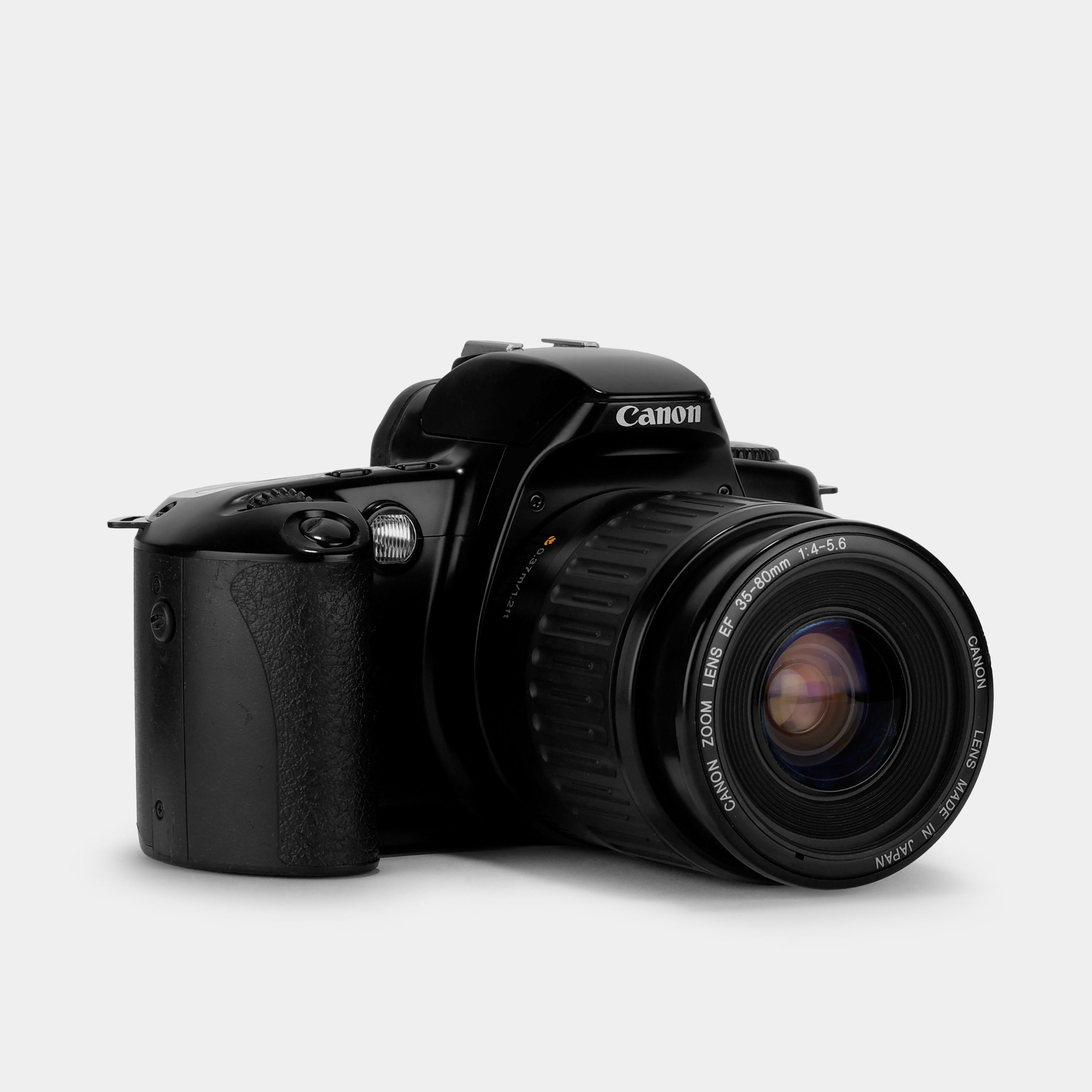
Choose the camera type. Compact cameras are easy to carry. Mirrorless cameras offer flexibility and smaller bodies. DSLRs can provide strong value on the used market.
-
Check the sensor size. Larger sensors often perform better in low light, but they can raise the cost and size.
-
Consider the lens system. A good lens may improve your photos more than a small increase in resolution.
-
Test the grip and controls. The camera should feel comfortable in your hands.
-
Review autofocus performance. This matters most for children, pets, sports, and events.
-
Plan for accessories. Include memory cards, batteries, a charger, and a protective bag.
-
Set a realistic budget. Leave room for a lens, not only the camera body.
Avoid choosing a camera based only on megapixels. Resolution matters, but it does not tell the whole story. Lens quality, sensor performance, autofocus, and ease of use often have a greater effect on your experience.
Frequently Asked Questions About Why Are Digital Cameras Popular
Why are digital cameras popular among beginners?
Digital cameras are popular with beginners because they provide automatic modes and instant feedback. New users can take good photos first and learn advanced settings over time.
Are digital cameras better than smartphone cameras?
Digital cameras are often better for lens choice, low-light work, action, and manual control. Smartphones are usually better for convenience, automatic editing, and instant sharing.
Why do photographers still use digital cameras?
Photographers use digital cameras for image quality, reliable controls, interchangeable lenses, and professional file formats. These features give them more control during shooting and editing.
Do digital cameras cost less than film cameras?
Digital cameras can cost more at first, but they do not require film or regular development. Over many years, this can make digital photography less expensive for frequent users.
What type of digital camera is best for travel?
A small mirrorless or compact camera is often best for travel. Look for a light body, a useful zoom range, good battery life, and easy phone connectivity.
Are digital cameras still worth buying?
Digital cameras are worth buying if you want better control, stronger zoom, high-quality video, or a more focused photography experience. They may not be necessary if your phone already meets all your needs.
Conclusion
Digital cameras are popular because they combine quality, speed, control, and easy storage. They help beginners learn, give professionals dependable tools, and let families capture important moments without film costs or long waits.
The best camera is the one that fits your real habits. Compare sensor size, lens options, autofocus, comfort, and total cost before you buy. Then practice with the equipment you have, explore trusted photography resources, and share your favorite camera experiences in the comments.
Recent Posts
Parts of a 35mm Camera: Complete Guide to Every Key Part and Its Function
Learn the parts of a 35mm camera, what each part does, and how the lens, shutter, film chamber, viewfinder, and controls work together.
Parts of a Camera Canon: A Complete Guide to Canon Camera Parts and Functions
Learn the parts of a Canon camera, what each part does, and how the lens, sensor, shutter, controls, viewfinder, and screen work together.