
Cameras used to be black and white because early film could record light more easily than true color.
The story behind why did cameras used to be black and white involves chemistry, cost, light, and technology. Understanding these limits shows why monochrome images were once the standard and why color photography later changed everyday life.
What “black and white cameras” really means
People often ask why did cameras used to be black and white, but the camera itself did not always look black and white. The phrase usually means that the camera produced black and white photographs.
Early cameras were often made from wood, brass, leather, or other materials. Some had polished metal parts, while others had dark wooden bodies. Their appearance depended on the maker and the period.
A black and white photograph is also more than an image with only pure black and pure white. It contains many gray tones. These tones show shape, texture, light, and shadow.
The camera lens focuses light onto a sensitive surface. In early photography, that surface could react well to the amount of light but could not separate light into accurate red, green, and blue colors. As a result, the scene appeared as tones from dark to light.
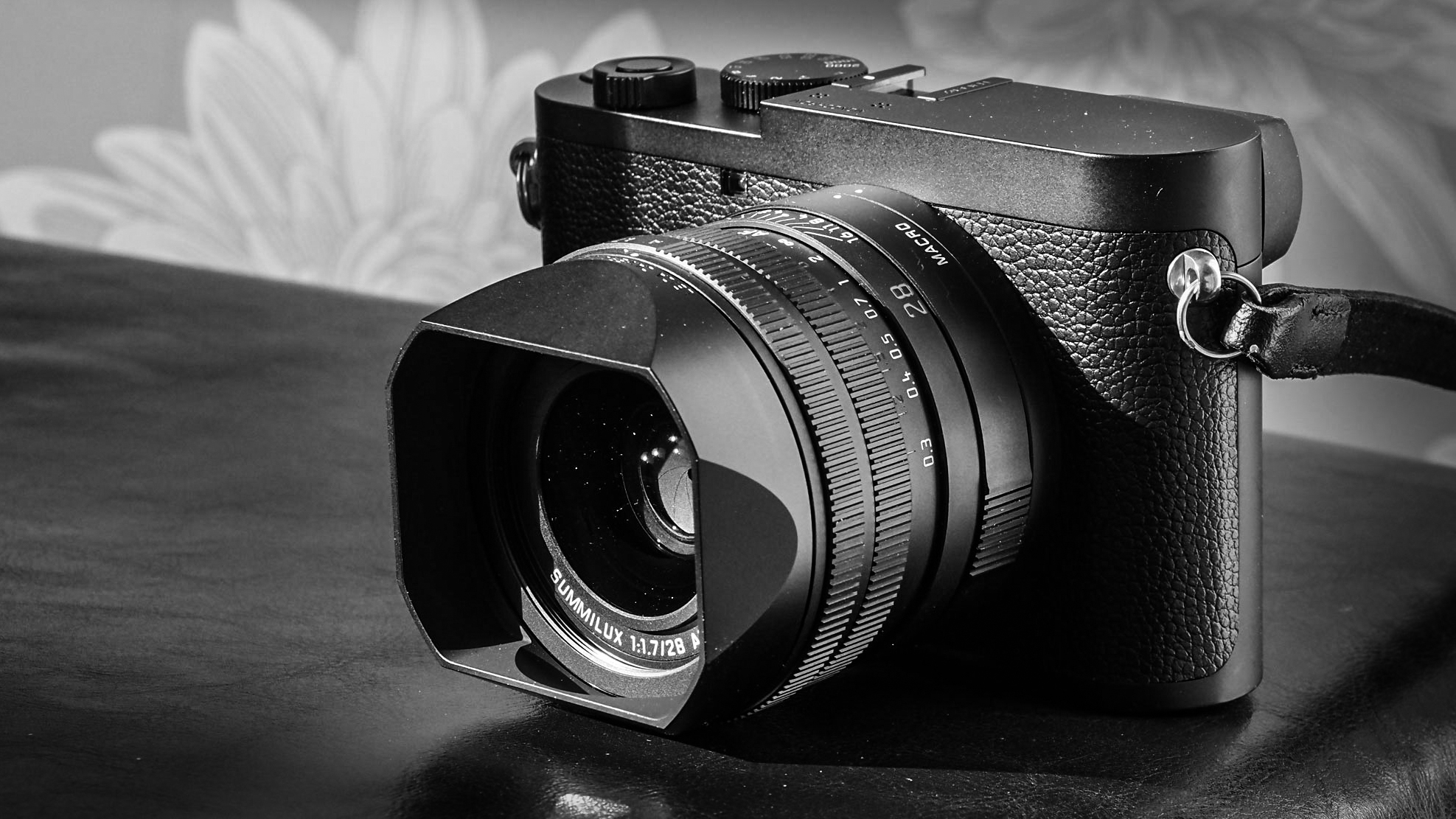
Why did cameras used to be black and white?
The main reason why did cameras used to be black and white is that monochrome photography was much easier to create with early chemical technology. Silver based materials could record changes in light with useful detail, but recording full color required several complex steps.
Early photographic plates had other limits as well. They needed long exposure times, strong light, and careful processing. A simple black and white image was already a major scientific achievement.
Color photography needed the film to respond to different parts of the light spectrum. It also needed a way to combine those color records into one realistic picture. That process was costly, slow, and difficult to control.
The biggest reasons included:
• Black and white film was easier to produce.
• Monochrome chemicals were more sensitive to available light.
• Early color methods often needed several exposures.
• Color film was more expensive to buy and process.
• Black and white prints were easier to develop at home.
• Newspapers and television systems first favored monochrome images.
In simple terms, early photography learned to measure brightness before it learned to measure color. It was like learning to draw with charcoal before learning to mix a full paint palette.
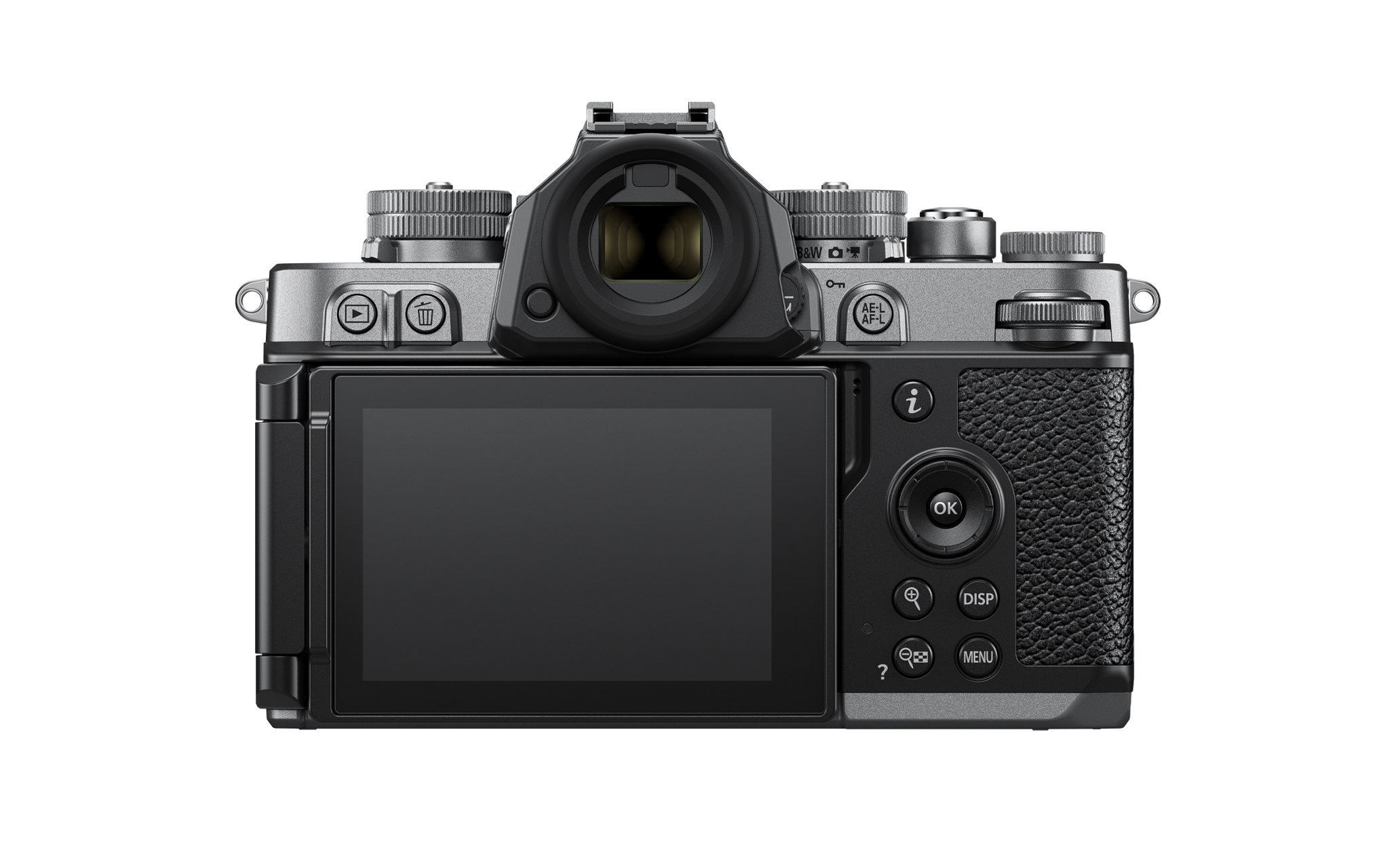
The chemistry behind early monochrome photography
Early photographic processes used light sensitive materials that changed when light touched them. Silver salts were especially useful because light could create a visible image on a treated plate or film.
The daguerreotype, introduced in the 1830s, created a detailed image on a silver coated metal plate. It did not produce color. Instead, the plate reflected light in a way that showed bright and dark areas.
Later processes used glass plates and paper negatives. The wet collodion process, introduced in the 1850s, created sharper images than many earlier methods. However, photographers had to coat, expose, and develop the plates while they were still wet.
This created a demanding workflow:
-
The photographer prepared the plate.
-
The plate went into the camera.
-
The subject stayed still during the exposure.
-
The photographer developed the plate soon after.
-
The final print showed light and dark tones.
Color required more than a stronger chemical reaction. The film needed separate records for different colors, plus filters, dyes, or layers. That made color photography harder to invent and harder to use.

Why color photography took so long to become common
Color photography existed much earlier than many people realize. Scientists and photographers experimented with color images during the 1800s. However, early color pictures were often difficult to make, expensive, or unsuitable for everyday use.
One early method used three separate photographs. Each image passed through a different color filter. The photographer then combined the records to create a color result.
Other processes used special plates or layers of color sensitive material. The Autochrome process became commercially available in the early 1900s. It produced attractive color images, but the plates were slow and often needed careful handling.
Color film became more practical with products such as Kodachrome in the 1930s. Even then, many families and professionals continued to use black and white film because it cost less and offered simple processing.
The answer to why did cameras used to be black and white is therefore not that inventors ignored color. They were working through major technical problems involving sensitivity, color accuracy, exposure, and printing.
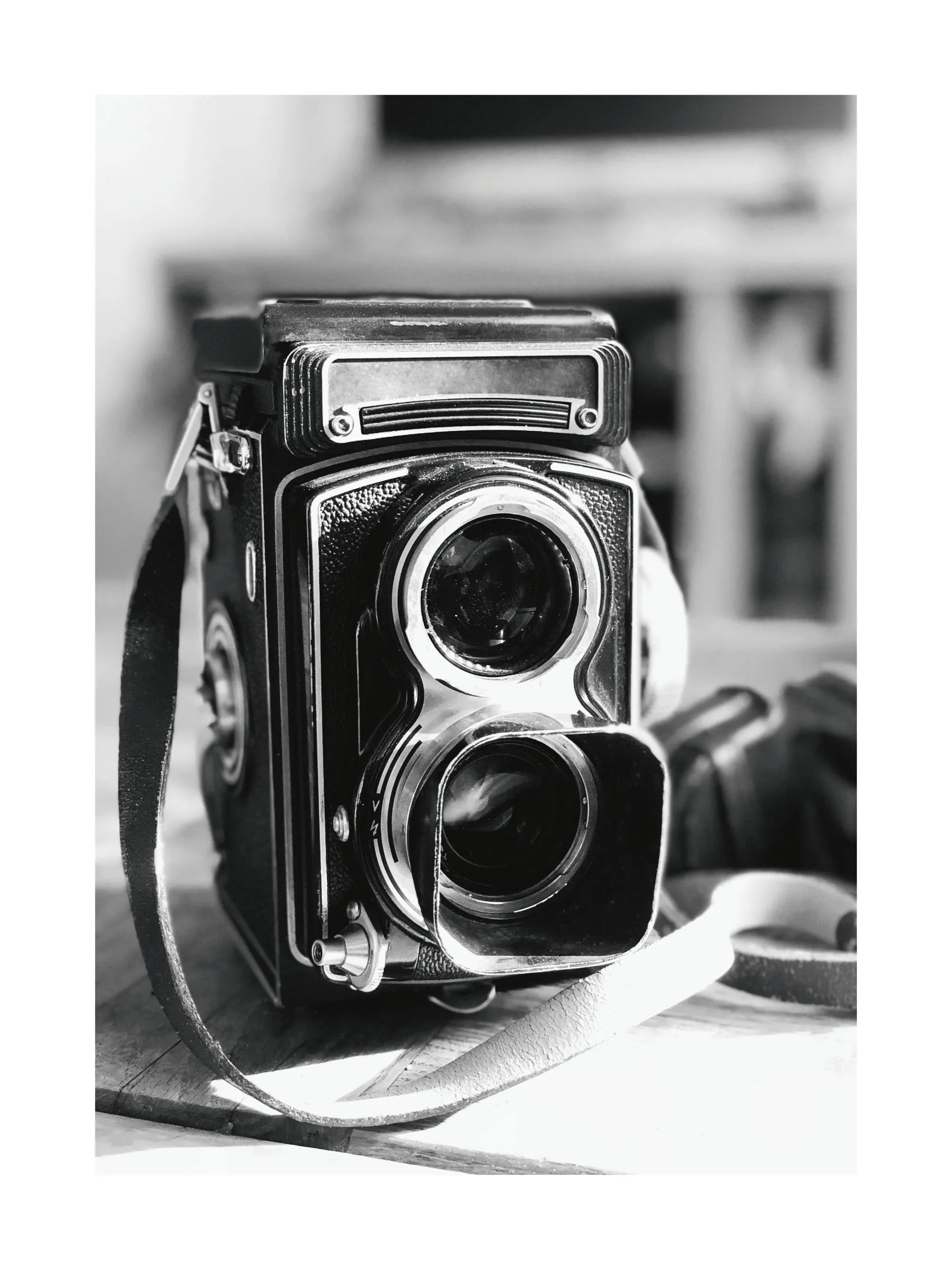
Black and white film worked better in low light
Light was a major challenge for early photographers. Film must receive enough light to create a clear image. Early color materials were often less sensitive than black and white film.
A photographer using early color film might need:
• A longer exposure
• A brighter lamp or flash
• A wider lens opening
• A very steady camera
• A subject that could remain still
These limits made portraits and moving scenes difficult. Black and white film usually offered more flexibility.
This difference mattered in real life. A family portrait could require a person to sit still for several seconds. A street scene could blur if a horse, child, or worker moved during the exposure.
Black and white film also gave photographers more control during printing. They could change contrast, brightness, and texture in the darkroom. Many photographers valued this control as much as color itself.
Cost and access made black and white photography popular
Price played a major role in why did cameras used to be black and white. A photographer needed more than a camera. They also needed film, chemicals, paper, darkroom tools, and time.
Black and white processing was often less expensive. It was also easier for newspapers, schools, police departments, studios, and hobby photographers to manage.
Many people could develop black and white film at home. A small darkroom could use basic trays, a safe light, developer, stop bath, fixer, and water. Color processing needed tighter temperature control and more specialized materials.
Printing costs mattered too. Black and white images were widely used in:
• Newspapers
• Books
• School yearbooks
• Government records
• Scientific reports
• Family albums
• Police and legal documents
When a technology becomes cheaper and easier, more people use it. Black and white photography became the practical choice long before it became an artistic choice.

Newspapers, television, and science favored monochrome images
Photography does not develop alone. It grows alongside other industries. For much of the 20th century, newspapers printed mostly in black and white because black ink and paper were affordable and reliable.
Television also began as a black and white medium. Early television systems could display brightness more easily than full color. Color broadcasting arrived later because it required new cameras, transmission systems, receivers, and production methods.
Scientific and technical fields also used monochrome images. Medical X rays, astronomy photographs, microscope images, and engineering records often focused on contrast and detail rather than natural color.
This helps explain why did cameras used to be black and white even after color methods existed. A color process could be available but still fail to offer enough value for a particular job.
For example, a newspaper might choose a sharp black and white photograph over a costly color image. A scientist might prefer a high contrast image that clearly shows a structure. The best format depended on the purpose.
Black and white images were useful, not just old-fashioned
It is easy to think that black and white photography was only a temporary stage before color. In reality, monochrome images offered important benefits.
Black and white removes color distractions. This can make the viewer notice:
• Facial expression
• Texture
• Shape
• Pattern
• Contrast
• Light direction
• Emotional mood
Many famous documentary and street photographs use monochrome tones because they create a strong visual focus. Black and white can make a modern image feel calm, serious, timeless, or dramatic.
There is also a practical benefit. Black and white photographs can hide small color differences caused by old lighting, faded paint, or uneven film. The image depends more on tone than on perfect color balance.
That is why black and white photography remains popular today. Digital cameras and smartphones can capture color, but photographers still choose monochrome for creative control.
Why old photographs sometimes look brown instead of black and white
Not every old photograph was truly neutral black and white. Many vintage images look brown, red brown, or warm gray because of the process used to make them.
Sepia toning replaced some silver in a print with a more stable compound. This created a warm brown color and could help the image resist fading. Sepia was also used because many viewers liked its soft, classic appearance.
Other old photographs changed color because of:
• Paper aging
• Poor storage
• Heat and humidity
• Exposure to sunlight
• Chemical residue
• Contact with wood, glue, or acidic materials
A faded black and white photograph may lose its deepest blacks and gain a warm tone. That does not always mean the original image was made in color.
When restoring an old photograph, it is wise to inspect the paper, edges, image layers, and processing marks. Guessing the original color can lead to an inaccurate restoration.
Did early cameras capture color at all?
Yes. Early cameras could capture color in limited ways, but color photography was not yet simple or widely available.
Some experiments used colored filters, multiple plates, or special viewing devices. These methods proved that color images were possible. They did not always create a convenient color print that ordinary families could make and store.
Color film became more useful as manufacturers improved:
• Light sensitivity
• Color separation
• Film layers
• Chemical stability
• Exposure accuracy
• Printing methods
• Processing services
By the middle of the 20th century, color photography was becoming common in advertising, magazines, travel pictures, and family snapshots. Even then, black and white remained important because it was cheaper and often easier to process.
The history shows a gradual change, not a sudden switch. Color photography grew as its benefits became worth the extra cost and effort.
Why cameras themselves were often black or dark
There is a second meaning behind the question why did cameras used to be black and white. Some people mean the physical color of old camera bodies.
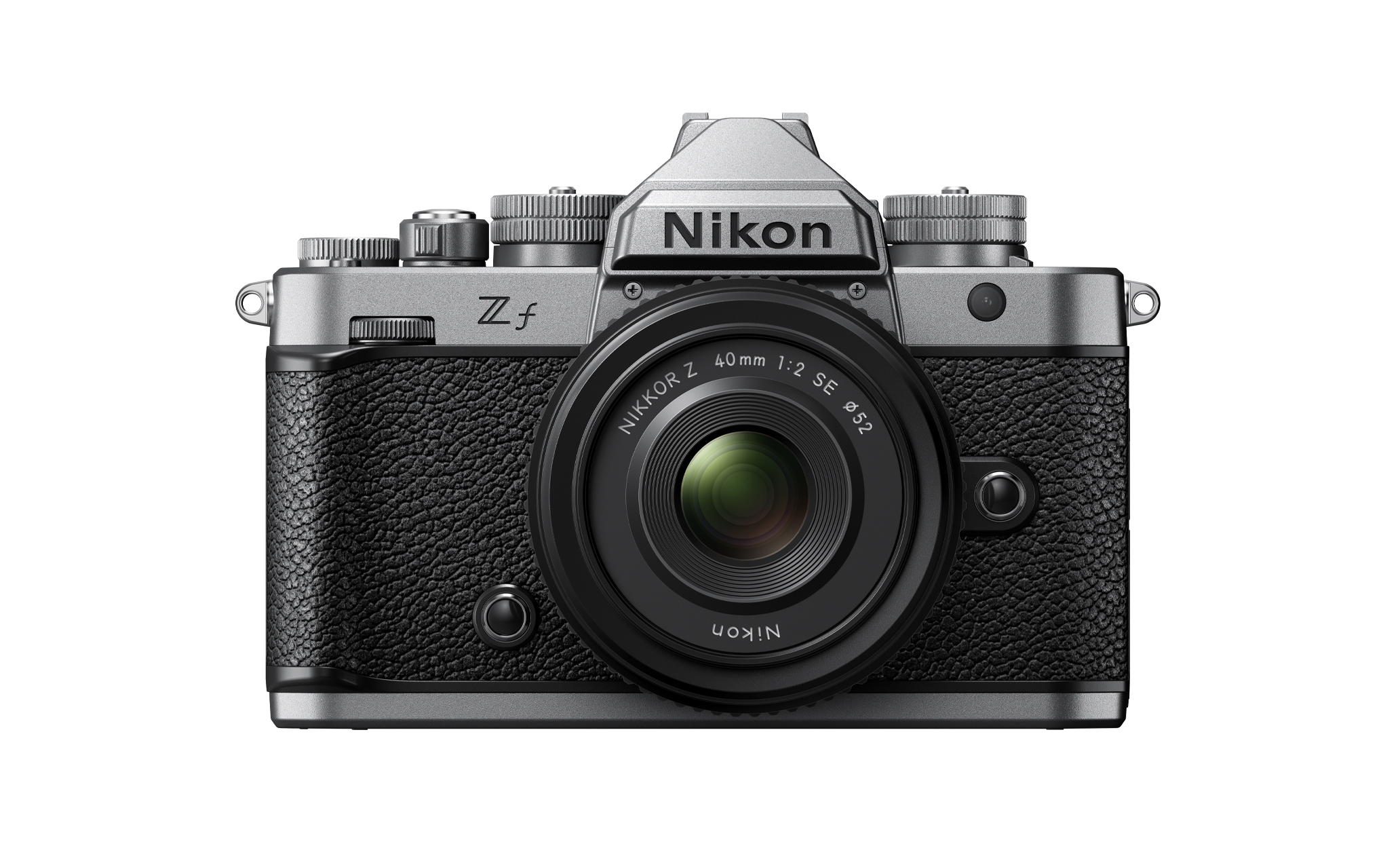
Many classic cameras were black, dark brown, silver, or chrome. Black bodies became common because they reduced reflections around the lens and viewfinder. A shiny camera could reflect light into the scene or distract the photographer.
Dark finishes also gave cameras a serious, professional appearance. Leather coverings and black metal became part of the classic camera design. Still, not every old camera was black. Some had silver bodies, polished brass, wood, or colorful coverings.
The color of the camera body had little to do with whether it captured color. A black camera could take color film, and a silver camera could take black and white film.
This distinction clears up a common misunderstanding. The image format and the camera’s outer finish were separate design choices.
My practical lessons from working with vintage photographs
When examining old photographs, I find that the image tells only part of the story. The paper, border, surface, and fading pattern can reveal how the photograph was made and stored.
A common mistake is to assume that every old picture was originally black and white. Some vintage color prints have faded so badly that only weak yellow or brown traces remain. Looking closely under natural light can help, but digital scanning and expert conservation provide better evidence.
Another useful lesson is to avoid “improving” an old photo too much. Modern editing tools can add sharpness and contrast, but excessive editing may remove real details or create false edges.
If you are scanning family photographs, use these simple habits:
-
Handle prints with clean, dry hands or cotton gloves.
-
Keep photographs away from direct sunlight.
-
Scan at a high resolution.
-
Save an untouched master file.
-
Make edits on a separate copy.
-
Record names, dates, and places while family members can confirm them.
These steps protect both the image and its story. A photograph is not only a picture. It is also a record of a person, place, and moment.
How digital cameras changed the black and white debate
Digital cameras changed photography by recording light with electronic sensors instead of chemical film. Most sensors measure light through red, green, and blue color filters. Software then combines that information into a color image.
This made color photography fast, flexible, and affordable. A digital camera can also create a black and white image by removing color information or applying a monochrome picture style.
Digital tools offer control that early photographers could only dream about. You can adjust exposure, contrast, shadows, highlights, and color after taking the picture. You can also make several black and white versions from one color file.
However, digital black and white is not exactly the same as film. Film grain, paper texture, chemical reactions, and darkroom printing create a distinct look. Digital editing can imitate parts of that look, but it may not reproduce every detail.
The key lesson from why did cameras used to be black and white is that technology shapes creative choices. When limits change, photographers do not stop using old styles. They use them with new tools.
Black and white photography today
Black and white photography remains useful for both art and practical work. It can help a beginner understand light because color does not distract from brightness and contrast.
Try converting a color photo to black and white when:
• The colors clash.
• The lighting is dramatic.
• The subject has strong texture.
• The background feels distracting.
• You want a timeless mood.
• The image relies on shape or expression.
A good black and white image needs more than a simple filter. Look for clear light, strong tones, and subjects with texture. A flat scene with weak contrast may appear dull after conversion.
When taking a photo, check the brightest and darkest areas. Think of the scene as a range of tones, from deep shadow to bright light. This approach connects modern digital work with the basic visual principles used by early photographers.
Frequently Asked Questions About Why Did Cameras Used to Be Black and White
Why were the first photographs black and white?
Early photographic materials could record brightness much more easily than separate colors. Chemical processes for monochrome images were simpler, more reliable, and more sensitive to light than early color methods.
When did color photography become common?
Color photography became more practical during the 1930s and became widely used after the 1950s. Cost, processing access, and improvements in film helped color move from a specialist process into everyday photography.
Did all old cameras take black and white photos?
No. A camera could often use different types of film, including black and white or color film. The camera body did not decide the image color; the film or recording method did.
Why do some old black and white photos look brown?
Many were intentionally sepia toned, while others changed color because of age, light, humidity, or poor storage. A brown appearance does not always prove that the original photograph was color.
Are black and white photographs better than color photographs?
Neither format is always better. Black and white can highlight shape, texture, mood, and light, while color can show realistic details and emotional clues that depend on hue.
Why are many old cameras black?
Black or dark camera bodies helped reduce reflections and became linked with professional equipment. Some old cameras were also silver, brass, wood, or brown, so black was common but not universal.
Conclusion
The answer to why did cameras used to be black and white comes down to practical limits. Early photographic materials could capture light and shadow long before they could record accurate color. Black and white film was cheaper, more sensitive, easier to process, and well suited to newspapers, science, television, and family photography.
Color photography eventually became common as film chemistry, printing, and processing improved. Yet monochrome images never became useless. They still offer strong control over mood, texture, contrast, and visual storytelling.
Try converting one of your own photos to black and white and study how the light changes the image. Then explore vintage photography techniques, scan an old family print, or share your favorite monochrome photograph in the comments.
Recent Posts
Parts of a 35mm Camera: Complete Guide to Every Key Part and Its Function
Learn the parts of a 35mm camera, what each part does, and how the lens, shutter, film chamber, viewfinder, and controls work together.
Parts of a Camera Canon: A Complete Guide to Canon Camera Parts and Functions
Learn the parts of a Canon camera, what each part does, and how the lens, sensor, shutter, controls, viewfinder, and screen work together.