
Single lens reflex cameras have played a major role in photography for decades. They give photographers a direct optical view of the scene through the camera lens. This design helps you frame a shot with a clear view and gives you direct control over focus, shutter speed, aperture, and lens choice.
The term SLR means single lens reflex. The word “reflex” refers to the mirror inside the camera. That mirror reflects light from the lens up into an optical viewfinder. When you press the shutter button, the mirror moves out of the way so light can reach the film or digital sensor.
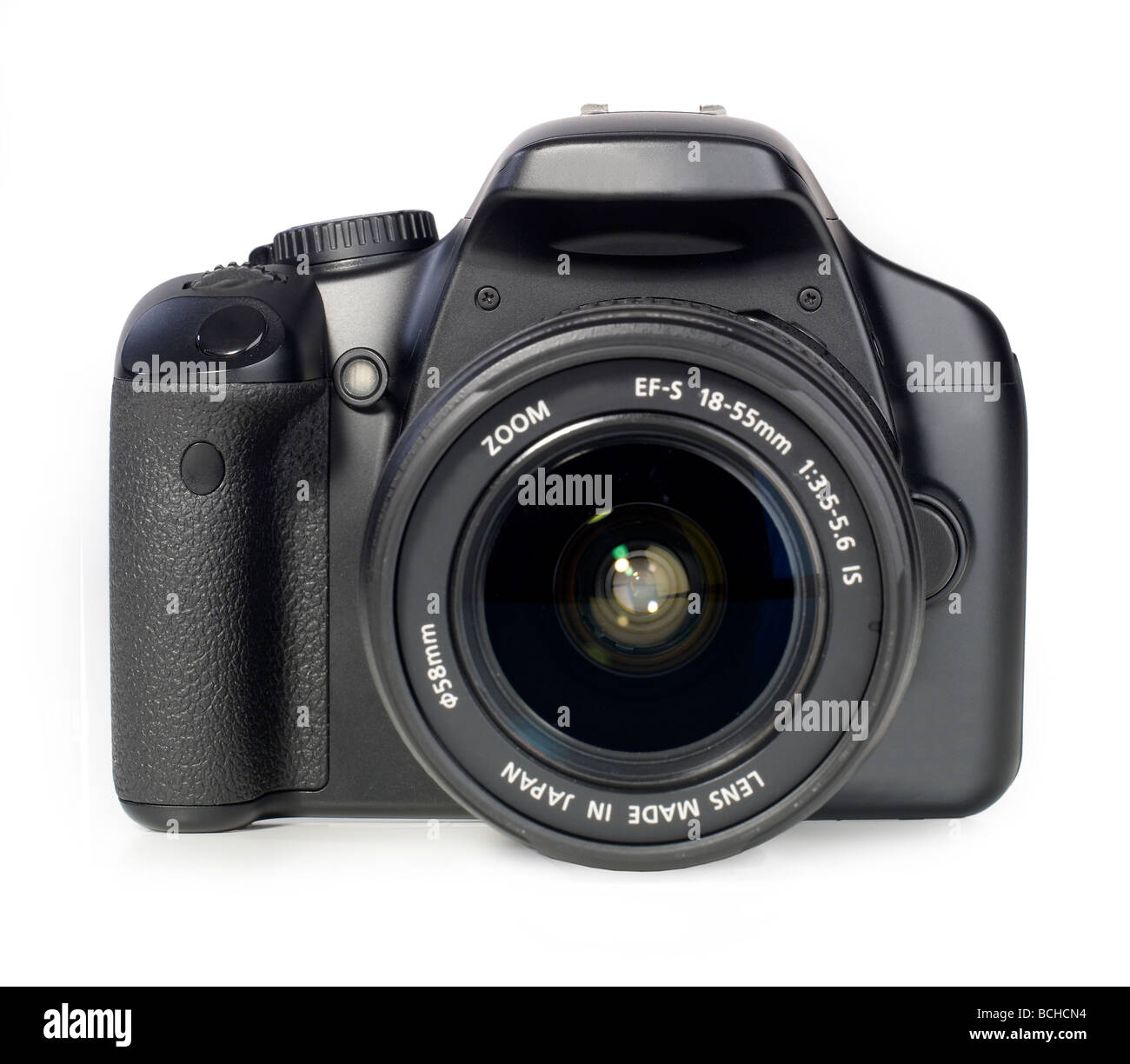
For a U.S. photographer, an SLR can still make sense for portraits, sports, wildlife, landscapes, events, and studio work. Digital SLR cameras, or DSLRs, also remain popular with photographers who want large grips, optical viewfinders, long battery life, and a wide range of lenses and accessories.
Modern mirrorless cameras have changed the market, but that does not make single lens reflex cameras hard to understand or useless. Knowing how the SLR system works helps you understand exposure, lenses, focusing, and many of the controls found on advanced cameras.
What Are Single Lens Reflex Cameras?
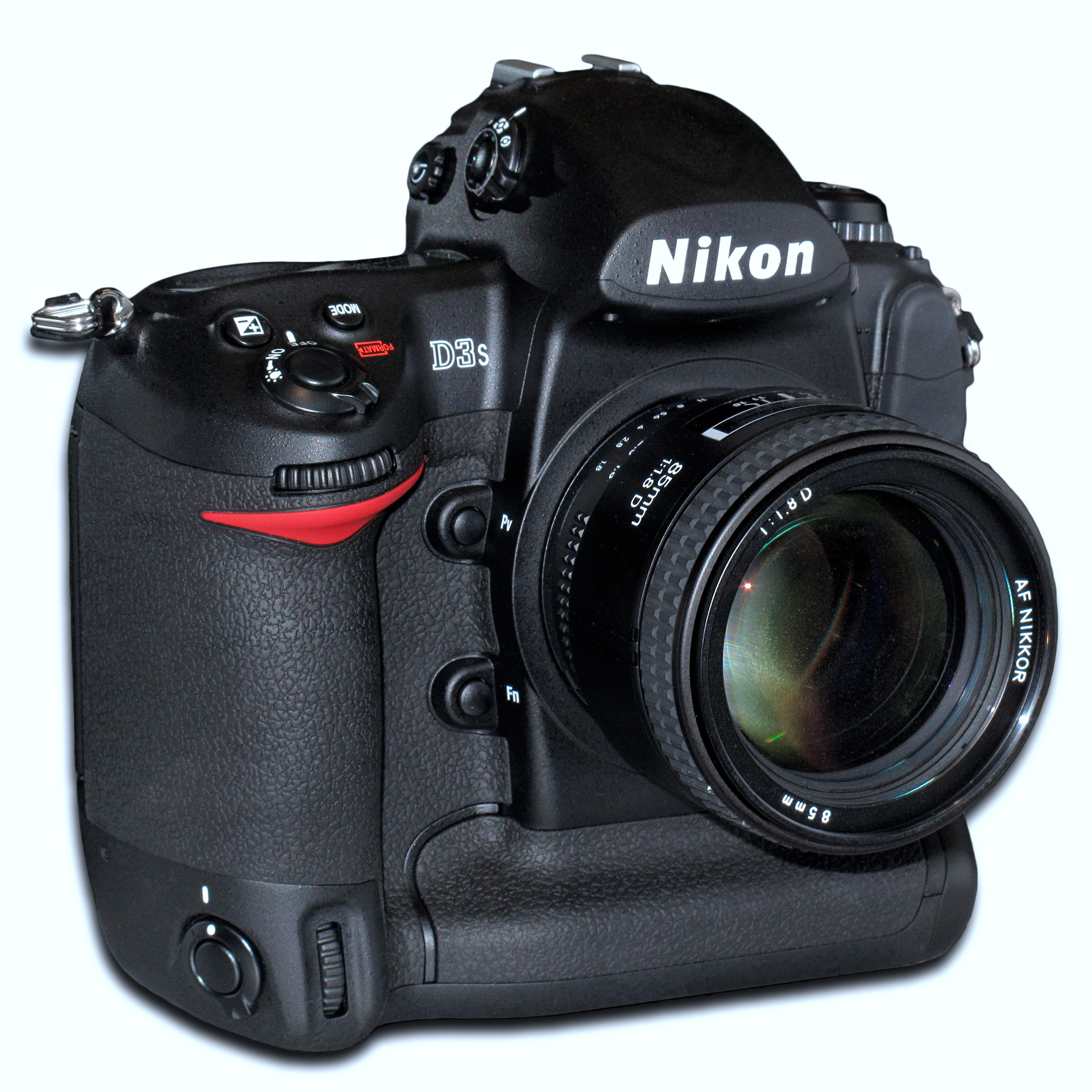
Single lens reflex cameras are cameras that use one main lens for both viewing and taking the picture. A mirror sits behind the lens and reflects light upward into an optical viewfinder. This lets the photographer see the scene through the taking lens.
Traditional SLR cameras use film to record the image. A DSLR uses a digital image sensor instead. The basic mirror and optical viewfinder system is similar, even though the recording method is different.
This design became popular because it solved a key problem in older camera systems. The photographer could see a view that closely matched what the camera would record through the lens.
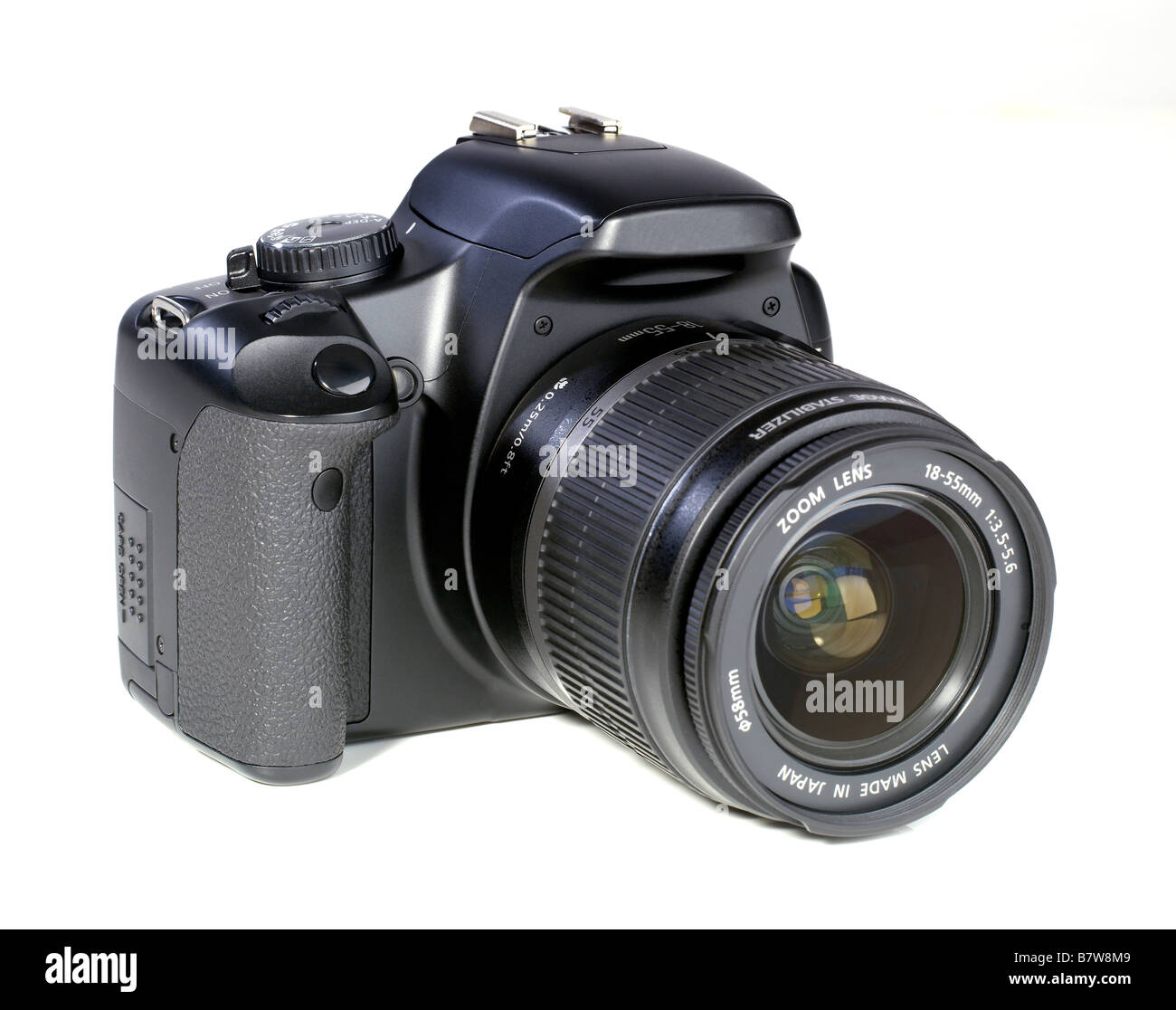
- ✦ Single lens
The same lens is used for viewing and capturing the image.
- ✦ Reflex mirror
A movable mirror reflects light from the lens toward the optical viewfinder.
- ✦ Optical viewfinder
The photographer looks through an optical system rather than viewing a digital preview screen.
- ✦ Interchangeable lenses
Most SLR systems allow photographers to change lenses for different subjects and shooting styles.
What Does SLR Stand For?
SLR stands for single lens reflex. “Single lens” means the camera uses one main lens for both viewing and exposure. “Reflex” describes the mirror that reflects light toward the viewfinder.
The name sounds complex, but the idea is simple. Light enters through the lens, hits the mirror, and moves upward into the viewfinder. The mirror then moves when the shutter fires.
SLR vs DSLR
An SLR normally records an image on film, while a DSLR records the image on a digital sensor. Both use the classic single lens reflex layout.
DSLR stands for digital single lens reflex. The digital version became common as digital photography replaced film for many everyday and professional uses.
- ✦ SLR
Usually refers to a film camera that uses the single lens reflex design.
- ✦ DSLR
A digital single lens reflex camera that uses an electronic image sensor instead of film.
How Do Single Lens Reflex Cameras Work?
The SLR system is built around a simple path for light. Light enters the lens and travels toward the camera body. Before the shutter is released, a mirror redirects that light upward toward the focusing screen and optical viewfinder.
When you press the shutter button, the mirror flips up. The shutter opens for a set amount of time, allowing light to reach the film or digital sensor. The mirror then returns to its viewing position.
This process happens very quickly. In a digital SLR, the sensor turns the incoming light into electronic data. The camera then processes that data into a digital image file.
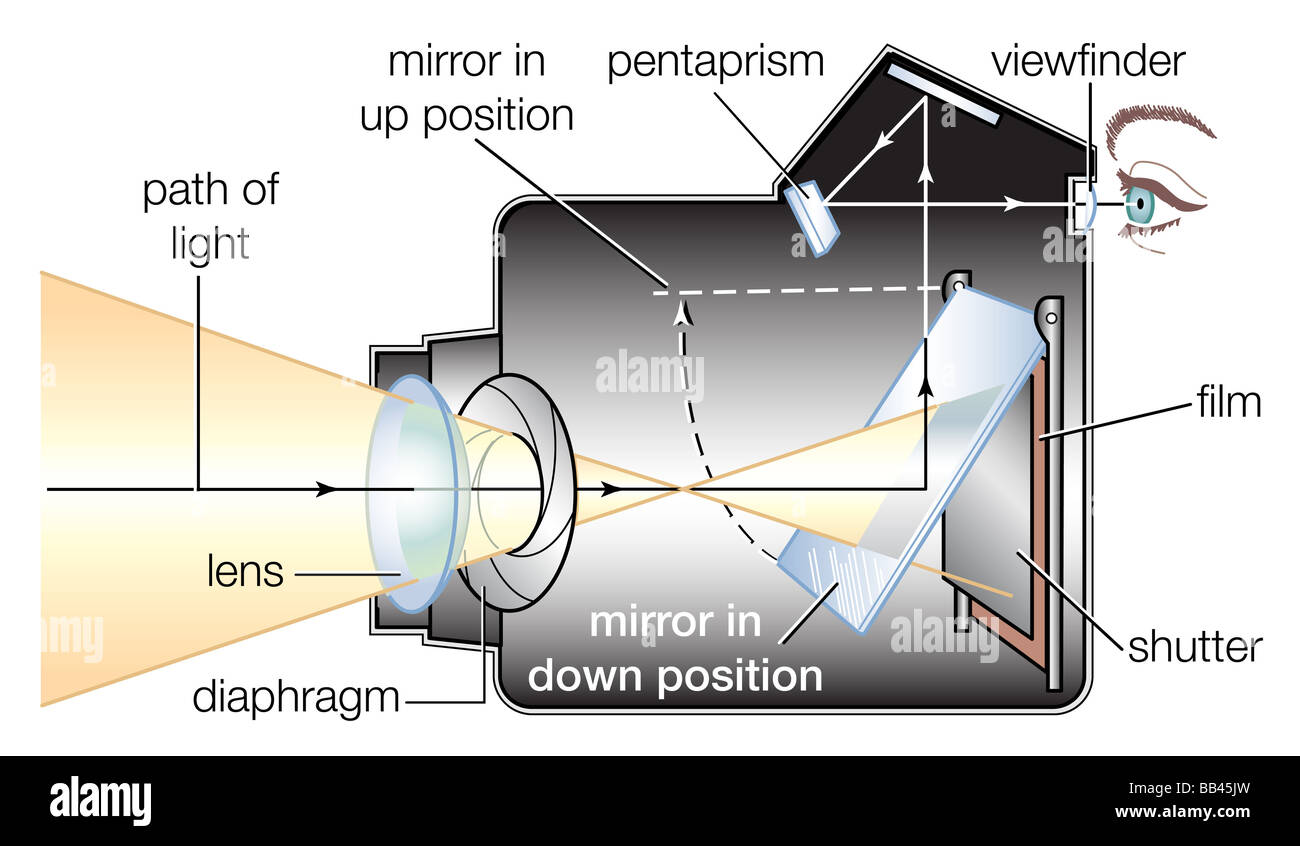
- ✦ Light enters the lens
The lens gathers light from the subject and sends it into the camera body.
- ✦ The mirror reflects the light
The mirror sends the light upward toward the optical viewfinder.
- ✦ You compose the shot
You look through the viewfinder and adjust focus, framing, and exposure settings.
- ✦ The mirror moves
The mirror flips upward when you press the shutter button.
- ✦ The image is recorded
The shutter opens and light reaches the film or digital sensor.
The Role of the Mirror
The mirror is the part that gives SLR cameras their name. It normally sits at an angle behind the lens. Its job is to redirect light into the optical viewing system.
The mirror does not record the image. It only helps you see the scene before the exposure. During the exposure, it moves out of the way so the recording surface can receive light.
The Role of the Prism
Many SLR cameras use a prism above the mirror to send the image into the viewfinder in the correct orientation. Without this optical system, the view would not be convenient to use.
Some simpler cameras use a system of mirrors instead of a glass prism. The goal remains the same: provide a usable optical view through the camera lens.
Main Parts of an SLR Camera
Understanding the main parts of single lens reflex cameras makes the system much easier to use. Each part has a clear job, from collecting light to recording the final image.
The exact layout varies by brand and model, but most SLR and DSLR cameras share the same core parts. Once you learn these parts, moving between many camera models becomes easier.
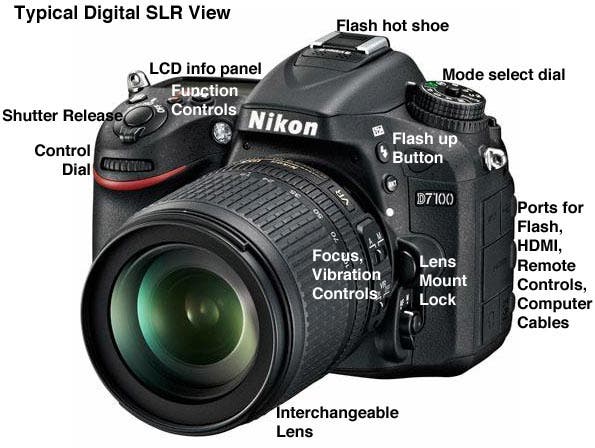
- ✦ Lens
The lens gathers and focuses light. Different lenses provide different focal lengths, apertures, and fields of view.
- ✦ Mirror
The mirror redirects light toward the optical viewfinder before the photo is taken.
- ✦ Viewfinder
The optical viewfinder lets you compose the scene through the camera’s optical system.
- ✦ Shutter
The shutter controls how long light reaches the film or digital sensor.
- ✦ Aperture
The aperture is an opening inside the lens that controls how much light enters and affects depth of field.
- ✦ Film or image sensor
Film records the image in a traditional SLR, while a DSLR uses a digital sensor.
- ✦ Autofocus system
Many SLR and DSLR cameras use autofocus systems to help lock focus on the subject.
- ✦ Hot shoe
The hot shoe can connect compatible accessories such as an external flash.
Why the Lens Matters So Much
The lens has a major effect on the look of a photograph. A wide lens can show more of a room or landscape. A telephoto lens can bring distant subjects closer and is useful for sports and wildlife.
A fast lens can also help in low light. Its wider maximum aperture lets more light reach the sensor or film. It can also create a softer background when the focus and distance are right.
Benefits of Single Lens Reflex Cameras
Single lens reflex cameras became popular because they offer a strong mix of control, image quality, and flexibility. For many photographers, the ability to choose a lens and set exposure by hand remains a major advantage.
DSLR models can also offer long battery life and large physical controls. These features can be useful during weddings, travel, outdoor work, sports events, and long photo sessions.
- ✦ Direct optical viewing
An optical viewfinder gives you a direct view of the scene through the lens without relying on a digital display.
- ✦ Wide lens selection
Popular SLR systems have many lenses, including wide-angle, standard, macro, and telephoto options.
- ✦ Strong manual control
Photographers can control shutter speed, aperture, ISO, focus, and other settings.
- ✦ Good handling
Many DSLRs have large grips and physical buttons that are easy to use while looking through the viewfinder.
- ✦ Long battery life
DSLR cameras can often operate for long periods because the optical viewfinder does not need a powered electronic display.
- ✦ Large sensor choices
Many DSLRs use APS-C or full-frame sensors, which can provide strong image quality and useful control over depth of field.
Why Professionals Still Use DSLRs
Some working photographers still use DSLR equipment because they already own lenses, flashes, and other accessories. A familiar camera can also make a job easier because the photographer knows its controls and behavior.
Used DSLR equipment can also offer strong value. A photographer who does not need the newest features may find an older camera body and quality lens useful for portraits, events, landscapes, or learning.
Limitations of Single Lens Reflex Cameras
Single lens reflex cameras also have limits. The mirror, prism, and optical viewfinder add physical parts to the camera. This can make an SLR larger and heavier than some modern mirrorless cameras.
The mirror must also move during an exposure. This creates a brief interruption in the optical view and can add mechanical movement and sound. For some types of photography, that is less convenient than a mirrorless design.
/iStock-607748488-59c9283c68e1a200148cf78b.jpg "Digital single lens reflex camera")
- ✦ Larger body
The mirror box and optical viewfinder require physical space inside the camera.
- ✦ More weight
A camera body, large lens, and accessories can become heavy during travel or long shooting sessions.
- ✦ Mechanical mirror movement
The mirror has to move during exposure, which creates sound and a short view interruption.
- ✦ Older live-view systems
Many older DSLRs offer slower live-view focusing than newer mirrorless cameras.
- ✦ Less current development
Most major camera makers now put much of their new development into mirrorless systems, so the newest features are often found there.
Are SLR Cameras Outdated?
Not necessarily. A camera does not become useless because a newer design exists. An older DSLR can still produce excellent photographs when paired with a good lens and used with sound exposure and focusing technique.
The main question is what you need from the camera. If you value an optical viewfinder, existing lenses, familiar controls, or a lower used-market price, an SLR or DSLR can still be a practical choice.
SLR vs DSLR vs Mirrorless Cameras
The three terms can sound confusing, but the basic differences are easy to understand. An SLR usually refers to a film camera with a mirror and optical viewfinder. A DSLR uses the same basic reflex idea but records images with a digital sensor.
A mirrorless camera removes the reflex mirror and optical viewing path. It uses an electronic viewfinder, a rear screen, or both. Each system has its own strengths, and the right choice depends on the photographer’s needs.

- ✦ Film SLR
Uses film, a reflex mirror, and an optical viewfinder. It is suited to photographers who enjoy traditional film photography.
- ✦ DSLR
Uses a digital sensor, reflex mirror, and optical viewfinder. It offers a mature system with many lenses and accessories.
- ✦ Mirrorless
Uses no reflex mirror. It sends the sensor’s live image to a screen or electronic viewfinder.
Optical Viewfinder vs Electronic Viewfinder
An optical viewfinder shows the scene through the camera’s lens and optical system. It does not need to create a digital preview of the scene.
An electronic viewfinder shows a digital feed from the image sensor. It can preview exposure, white balance, and other settings before you take the photo, depending on the camera.
Which System Should a Beginner Learn?
A beginner can learn photography well with an SLR, DSLR, or mirrorless camera. The core skills remain the same: understand light, compose the scene, focus carefully, and control exposure.
If you already own lenses or find a good used DSLR locally in the United States, there is little reason to dismiss it simply because newer mirrorless models exist.
Common Types of Lenses for SLR Cameras
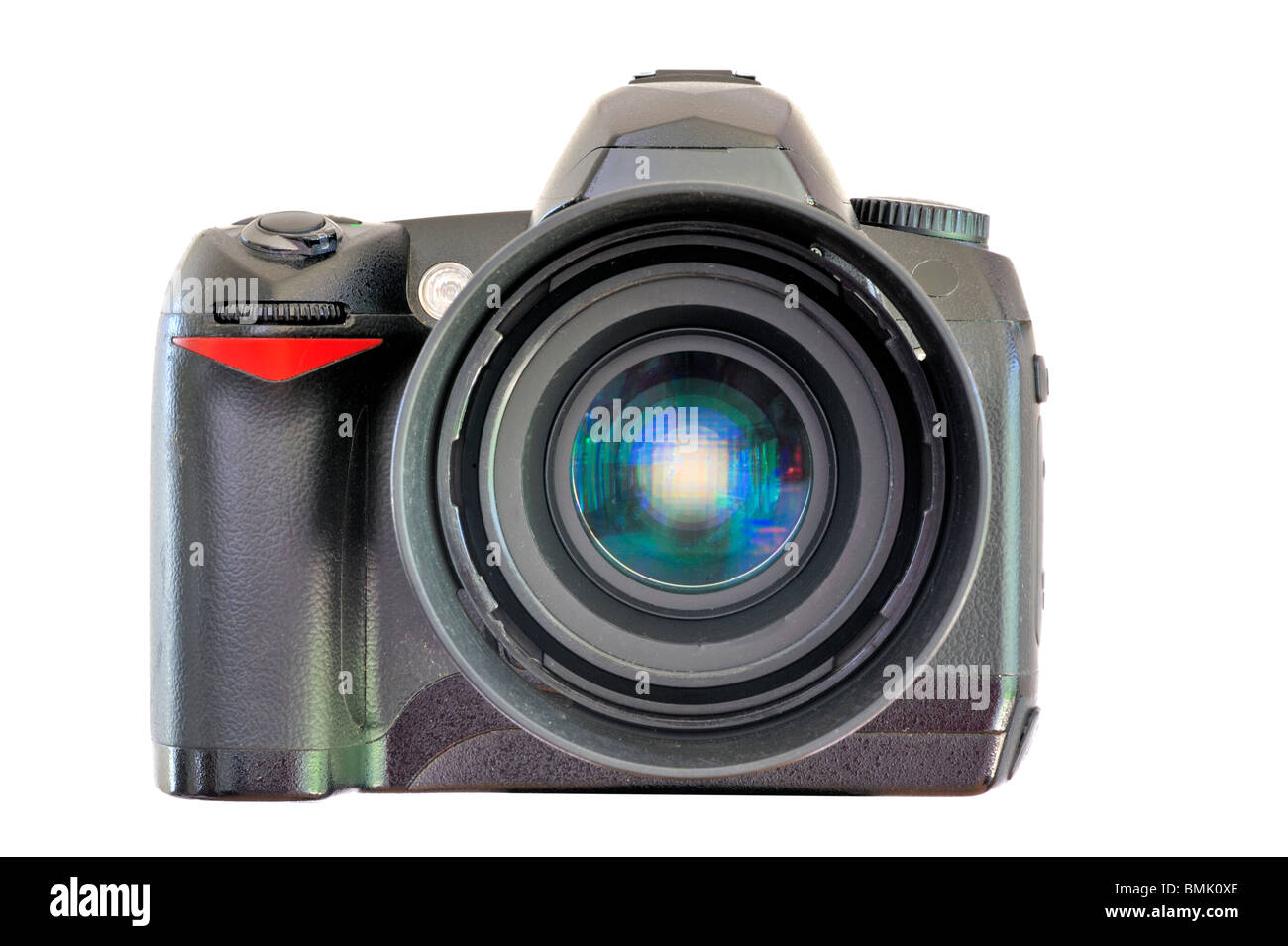
One of the biggest strengths of single lens reflex cameras is the ability to change lenses. The best lens depends on the subject, distance, available light, and desired look.
A beginner does not need a large collection. One standard zoom can cover many everyday situations. A second lens can then fill a clear gap, such as low-light portraits or distant wildlife.
- ✦ Standard zoom
A standard zoom covers a useful range for travel, family photos, street scenes, and everyday shooting.
- ✦ Wide-angle lens
A wide-angle lens shows more of the scene and works well for landscapes, buildings, and small rooms.
- ✦ Telephoto lens
A telephoto lens provides a narrower view and can bring distant subjects closer.
- ✦ Macro lens
A macro lens is designed for close-up subjects such as insects, flowers, products, and small objects.
- ✦ Prime lens
A prime lens has one fixed focal length. It can offer a wide aperture, compact design, and strong image quality.
How to Choose a Lens
Start with the subjects you photograph most often. A portrait photographer may want a fast prime lens. A wildlife photographer may need a long telephoto lens. A traveler may prefer a compact zoom.
Do not choose a lens only because it has a large zoom range. Check its maximum aperture, autofocus performance, size, weight, compatibility, and the focal lengths you will actually use.
How to Choose Single Lens Reflex Cameras
When shopping for single lens reflex cameras, start with the type of photography you plan to do. A camera for family photos does not need the same features as a body used for sports or wildlife.
For U.S. buyers, the used market can be especially useful for DSLR equipment. Check the camera condition, shutter count when available, sensor condition, battery health, lens compatibility, and whether the seller offers a return period.
- ✦ Sensor size
APS-C and full-frame sensors are common in DSLRs. Sensor size affects field of view, depth of field, camera size, and other aspects of the system.
- ✦ Autofocus
Look for an autofocus system that suits your subjects. Sports and wildlife often benefit from strong subject tracking.
- ✦ Burst speed
A higher continuous shooting rate can help capture fast action, but it is not important for every photographer.
- ✦ Video features
If you plan to record video, check resolution, frame rates, autofocus, microphone support, and recording limits.
- ✦ Lens ecosystem
The lenses you can use may matter more than small differences between camera bodies.
- ✦ Size and weight
A camera that feels comfortable in your hands is more likely to be carried and used often.
- ✦ Used condition
Inspect the body, sensor, mirror, viewfinder, battery compartment, ports, and lens mount before buying used equipment.
A Simple Buying Strategy
First, choose the type of photography you enjoy. Next, choose a lens that fits that work. Then choose a compatible camera body that gives you the controls and autofocus features you need.
This approach can prevent a common mistake: spending most of the budget on the camera body while leaving too little for a useful lens. In many cases, a solid body paired with a good lens is more useful than an expensive body with a poor or unsuitable lens.
Tips for Getting Better Results With an SLR
Good equipment helps, but technique matters more than many beginners expect. Learn how shutter speed, aperture, and ISO work together before buying more gear.
Use the optical viewfinder to pay attention to the edges of the frame. Check the background, watch for distractions, and make sure the subject is where you want it before pressing the shutter.
- ✦ Learn exposure
Practice changing shutter speed, aperture, and ISO so you can predict how each setting changes the image.
- ✦ Watch shutter speed
Use a fast enough shutter speed when photographing people, animals, or other moving subjects.
- ✦ Use aperture with purpose
A wider aperture can blur the background, while a smaller aperture can keep more of a scene sharp.
- ✦ Check focus
Place focus on the most important part of the subject, such as the eye in a portrait.
- ✦ Study the light
Soft window light, shade, and the light near sunrise or sunset can create very different results.
- ✦ Do not chase gear
Practice composition and timing before buying more equipment. Better technique
often produces a larger improvement than a new camera body.
A Practical Beginner Exercise
Pick one subject and photograph it three times. Keep the composition similar, but change the aperture each time. Then repeat the exercise with different shutter speeds.
Review the images on a computer or tablet. Look at background blur, motion, brightness, and sharpness. This simple exercise can make camera controls much easier to understand.
Frequently Asked Questions about single lens reflex cameras
Recent Posts
Advantages of DSLR Camera: 10 Key Benefits for Photographers
Discover the advantages of DSLR cameras, from image quality and lens choice to manual control, battery life, speed, and low-light performance.
Pros and Cons Mirrorless Camera: A Complete Guide for Photographers
Explore the pros and cons mirrorless camera buyers should know, from light weight and fast autofocus to battery life, cost, and lens choices.