
Mirrorless cameras have a shutter to control exposure, protect the sensor, and reduce image distortion.
If you are wondering why do mirrorless cameras have a shutter when they do not use a mirror, the answer is more useful than it first seems. A shutter still controls how long light reaches the sensor, manages flash timing, and can help create cleaner photos. This guide explains the different shutter types, when they matter, and how to choose the right setting in real-world shooting.
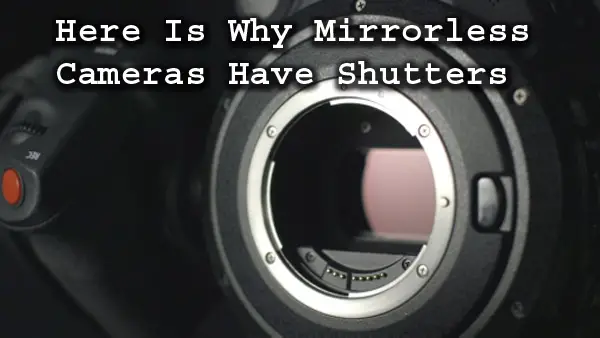
What does a camera shutter do?
A camera shutter is a device that controls the time light reaches the image sensor. It works much like a door that opens for a short moment, then closes.
The length of that opening is called the shutter speed. A speed of 1/1,000 second lets in light for a very short time. A speed of 1 second keeps the sensor exposed much longer.
The shutter affects three key parts of a photo:
• Exposure: It controls how bright or dark the image is.
• Motion: Fast shutter speeds can freeze movement.
• Blur: Slow shutter speeds can show motion blur or camera shake .
.
This basic job explains why do mirrorless cameras have a shutter. The camera still needs a way to control exposure, even without a mirror box.
A mirrorless camera uses an electronic viewfinder or rear screen to show the image from the sensor. However, the sensor still needs controlled exposure during many types of photography. The shutter provides that control.
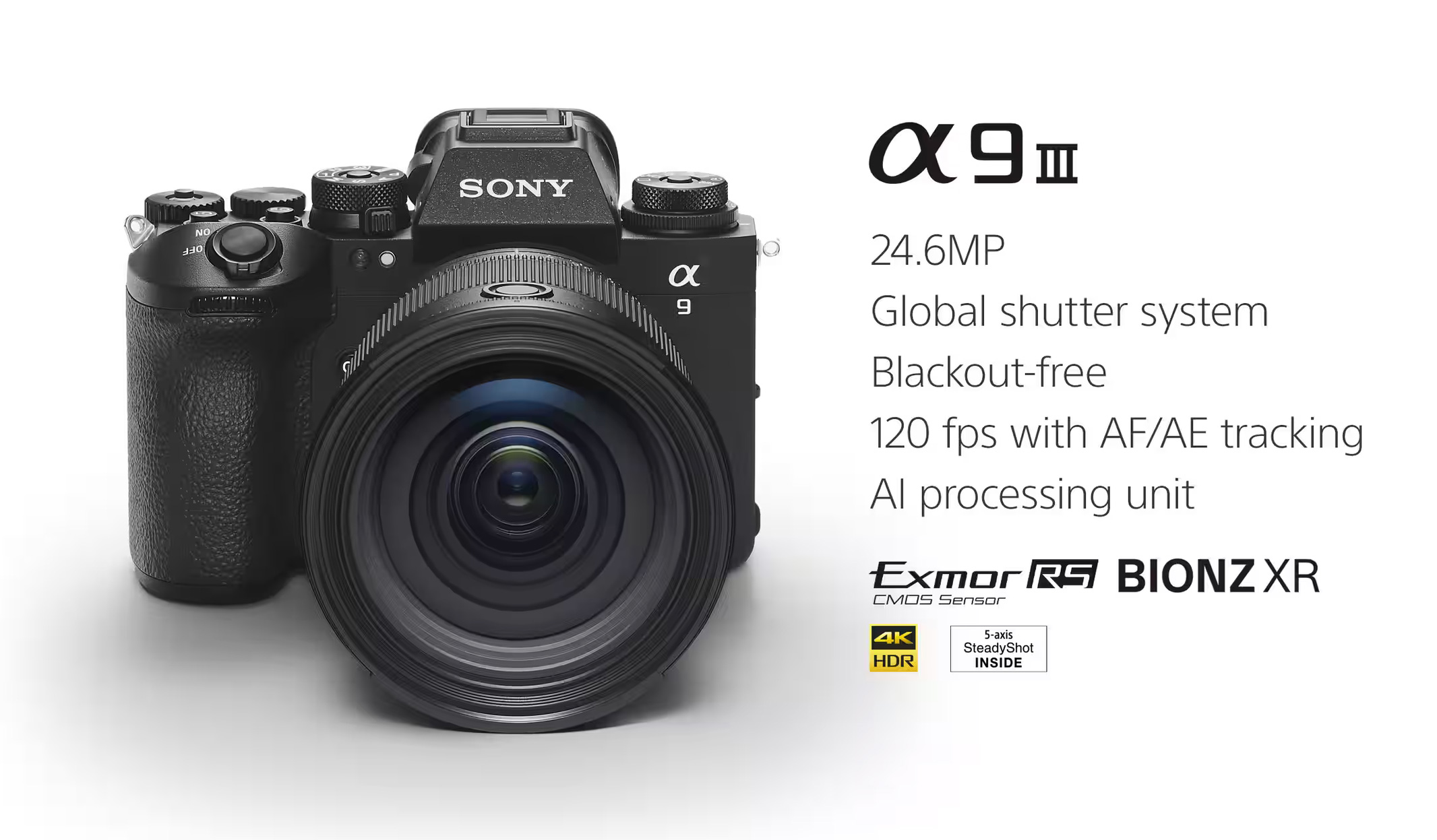
Why do mirrorless cameras have a shutter without a mirror?
The word “mirrorless” only describes the lack of a reflex mirror. It does not mean the camera has no shutter.
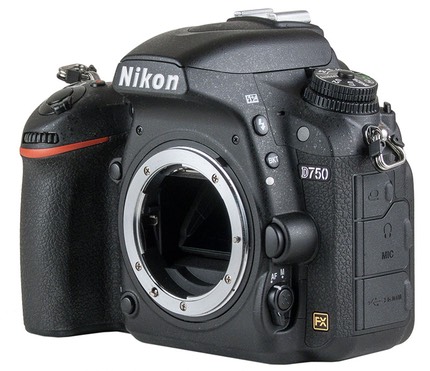
In a DSLR, the mirror reflects light into the optical viewfinder. It moves out of the way before the photo is taken. The shutter then opens and closes to expose the sensor.
A mirrorless camera skips the mirror. Light travels directly through the lens to the sensor. Even so, the camera may still use a mechanical shutter or an electronic shutter.
This is the central reason why do mirrorless cameras have a shutter: the shutter controls the sensor’s exposure, while the mirror was only part of the viewing system.
Think of the mirror as a window guide and the shutter as a timed curtain. Removing the window guide does not remove the need for the curtain.

Mechanical shutters in mirrorless cameras
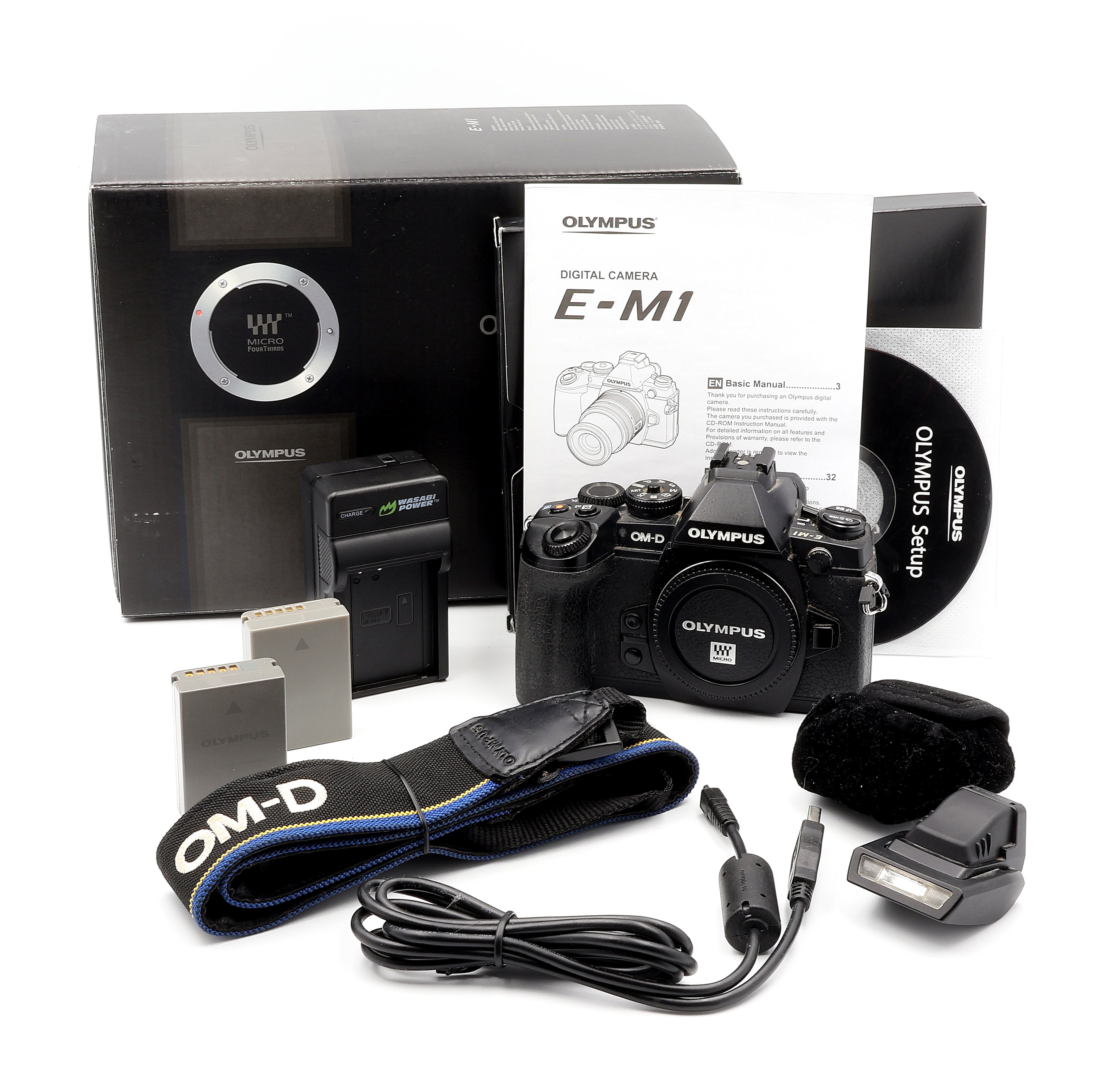
A mechanical shutter uses physical curtains that move in front of the image sensor. Most mirrorless cameras use two curtains.
The first curtain opens to begin the exposure. The second curtain follows it to end the exposure. Afterward, both curtains reset for the next picture.
Mechanical shutters remain popular because they offer several benefits:
• They provide predictable exposure.
• They work well with electronic flash.
• They can reduce some types of rolling shutter distortion.
• They support a familiar shooting process for photographers.
Many cameras use an electronic first curtain. In this mode, the exposure starts electronically, and only the second curtain moves. This can reduce vibration and shutter noise.
A fully mechanical shutter may be useful for fast action, studio flash, or situations where electronic shutter distortion could be a problem.

Electronic shutters in mirrorless cameras
An electronic shutter does not move physical curtains to make the exposure. Instead, the camera tells the sensor when to start and stop recording light.
This design can make a camera almost silent. It can also reduce mechanical wear and vibration.
Electronic shutters are useful for:
• Weddings and quiet events
• Wildlife that may react to sound
• Street photography
• Concerts and theater work
• Long bursts of action
However, electronic shutters do not always read the entire sensor at once. Many sensors scan from top to bottom in rows. This can create rolling shutter distortion.
For example, a fast-moving tennis racket may look bent. A car may appear to lean. A rotating fan may look strangely shaped.
This is one reason why do mirrorless cameras have a shutter option instead of using electronic capture all the time. A mechanical shutter can be safer when the subject moves quickly.
Mechanical shutter versus electronic shutter
Both systems control exposure, but they behave differently. The best option depends on the subject, light, and camera model.
| Feature | Mechanical shutter | Electronic shutter |
|---|---|---|
| Noise | Noticeable on many cameras | Often silent |
| Vibration | Can create small vibrations | Very low vibration |
| Flash use | Usually more reliable | May have limits |
| Moving subjects | Often more natural | Can show rolling shutter |
| Camera wear | Uses moving parts | Fewer moving parts |
| High-speed shooting | May be limited | Often supports fast bursts |
Electronic shutters are not automatically better. They are simply better for certain situations.
A practical rule is simple:
• Use a mechanical shutter for fast movement, flash, and difficult artificial light.
• Use an electronic shutter for quiet scenes, still subjects, and vibration-sensitive work.
Always check your camera manual. Some models have stacked sensors or fast sensor readout, which greatly reduces rolling shutter problems.
What is electronic front-curtain shutter?
Electronic front-curtain shutter, often called EFCS, starts the exposure electronically. A physical second curtain then closes at the end.
This design combines some benefits of both shutter types. It can lower vibration because the first curtain does not need to move. It also avoids some rolling shutter issues that can occur with a fully electronic shutter.
EFCS is helpful for:
• Landscapes on a tripod
• Macro photography
• Product photography
• Telephoto shots
• Low-light scenes where sharpness matters
There can be limits. At very fast shutter speeds or wide apertures, some cameras may show uneven exposure or a change in image character. The exact result depends on the camera and lens.
When learning why do mirrorless cameras have a shutter, EFCS is an important middle ground. It shows that modern cameras can mix physical and electronic control.

Does the shutter protect the camera sensor?
A mechanical shutter can protect the sensor when the camera is not taking a photo. This matters because mirrorless cameras expose the sensor directly whenever the lens is removed.
Some cameras close the shutter when powered off. This can help reduce dust reaching the sensor during lens changes. It is not a complete shield, but it offers extra protection.
Other cameras leave the shutter open. This may make sensor cleaning or repairs easier. It may also reduce stress on the shutter mechanism.
The shutter is not the only protection system. Many mirrorless cameras also use:
• Sensor coatings
• Dust reduction systems
• Sensor-shift cleaning
• Protective filters inside the camera
A closed shutter can be useful, but you should still change lenses in a clean place. Keep the camera mount pointed downward when possible, and avoid changing lenses in blowing dust or rain.
Why do mirrorless cameras have a shutter if they can use live view?
Live view and an electronic viewfinder show a live image from the sensor. They do not replace the exposure-control job of the shutter.
Before the photo, the sensor can continuously send preview data to the display. When you press the shutter button, the camera must still create one precise exposure.
It can do this in two ways:
-
Move mechanical shutter curtains.
-
Start and stop the sensor electronically.
The live preview tells you what the camera sees. The shutter determines how the final photograph is recorded.
This distinction clears up much of the confusion around why do mirrorless cameras have a shutter. Viewing and capturing are related, but they are not the same process.
How shutter speed affects mirrorless photos
Shutter speed controls both brightness and motion. A fast shutter speed lets in less light but helps freeze movement.
Common examples include:
• 1/1,000 second for birds in flight
• 1/500 second for sports
• 1/125 second for everyday portraits
• 1/30 second for careful handheld shots
• Several seconds for night scenes or light trails
These are starting points, not strict rules. Lens stabilization, subject speed, focal length, and your technique all affect the result.
For handheld photos, a common starting point is a shutter speed near the reciprocal of the lens focal length. With a 100mm lens, 1/100 second may be a reasonable starting point. Image stabilization may let you use slower speeds, but it cannot freeze a moving subject.
Why do mirrorless cameras have a shutter for flash photography?
Flash photography is one of the strongest reasons why do mirrorless cameras have a shutter. A mechanical shutter controls when the sensor is fully exposed to the flash.
Most cameras have a maximum normal flash sync speed. It is often near 1/200 second, though the exact number varies by model.
If the shutter speed is too fast, the second curtain may start closing before the first curtain has fully opened. The result can be a dark band across the image.
High-speed sync can solve this problem with compatible flashes. The flash pulses rapidly while the shutter curtains move across the sensor.
Electronic shutters may not support flash in the same way. Some cameras limit flash speed, while others disable flash with a fully electronic shutter. Read the camera manual before using this setup at an event or paid session.
How shutters affect camera lifespan
Mechanical shutters contain moving parts. Like any moving device, they can wear over time.
Camera makers often publish a tested shutter rating. This may be 100,000, 200,000, or more actuations, depending on the model. A rating is not a guaranteed failure point. Some shutters last longer, while others may need service sooner.
A shutter count measures how many times the shutter has operated. It does not perfectly measure camera condition.
Other factors matter too:
• Dust and moisture
• Temperature
• Heavy burst shooting
• Physical impact
• Maintenance history
Electronic shutters do not eliminate every camera component that can wear. The sensor, image processor, stabilization system, and other parts still work during electronic capture.
In my own camera testing, I have found that the best approach is not to fear shutter count. Use the shutter mode that suits the scene. A camera is a tool, and missed photos usually cost more than normal mechanical wear.
Common problems caused by the wrong shutter mode
Choosing the wrong shutter mode can lead to confusing results. These problems are usually easy to prevent.
Rolling shutter distortion
This appears when a moving subject changes position while the sensor scans. It is common with fully electronic shutters and fast movement.
Use a mechanical shutter or a camera with a faster sensor readout when photographing sports, vehicles, propellers, or quick camera pans.
Banding under artificial lights
Some LED, fluorescent, and other lights flicker at a speed too fast for your eyes to notice. An electronic shutter may capture uneven bands or changes in brightness.
Try a mechanical shutter or anti-flicker mode. Test the scene before an important shoot.
Shutter shock
The movement of a mechanical curtain can create small vibrations. This may reduce sharpness with macro work, long lenses, or slow shutter speeds.
Use EFCS, a fully electronic shutter, a tripod, or a self-timer when the subject is still.
Flash problems
A fully electronic shutter may not support flash at normal speeds. If the flash refuses to fire or the frame is partly dark, switch to a mechanical shutter and check the sync settings.
Practical tips for using a mirrorless camera shutter
You do not need to understand every internal circuit to choose the right shutter. Start with the scene in front of you.
-
Use mechanical shutter mode for sports, fast animals, and moving vehicles.
-
Use electronic shutter mode for quiet events and still subjects.
-
Try EFCS for tripod work and close-up photography.
-
Watch for bent lines when using an electronic shutter.
-
Check for light banding under indoor lights.
-
Use a mechanical shutter when working with flash unless your camera supports electronic flash correctly.
-
Turn on anti-flicker features when photographing under changing artificial light.
-
Review images at 100 percent when testing a new shutter mode.
One mistake I often see is using silent shutter for every situation. It sounds ideal, but silent shooting can create strange shapes or banding. Silent mode is powerful, not universal.
Do all mirrorless cameras have mechanical shutters?
No. Some mirrorless cameras use only an electronic shutter. Others include both mechanical and electronic options.
A mechanical shutter can add cost, weight, and moving parts. Some compact cameras and specialized models avoid it to keep the body smaller or simpler.
Cameras with stacked sensors often read image data much faster. This can make electronic shutter performance better for action. Still, the results vary by model, lighting, and subject movement.
If you are buying a camera, review these specifications:
• Mechanical shutter availability
• Electronic shutter readout speed
• Flash sync speed
• Maximum shutter speed
• Anti-flicker support
• Shutter durability rating
The answer to why do mirrorless cameras have a shutter is therefore not the same for every model. Some cameras need a physical shutter for performance and compatibility. Others can rely mostly or entirely on electronic capture.
Frequently Asked Questions About Why Do Mirrorless Cameras Have a Shutter
Why do mirrorless cameras have a shutter if they have no mirror?
Mirrorless cameras have no reflex mirror, but they still need to control how long light reaches the sensor. The shutter also helps with flash timing, motion control, and reducing some electronic shutter problems.
Can you use a mirrorless camera without a mechanical shutter?
Yes, many mirrorless cameras can take photos with an electronic shutter. This mode is quiet and reduces vibration, but it may cause rolling shutter distortion or banding under some lights.
Is an electronic shutter better than a mechanical shutter?
Neither is always better. An electronic shutter works well for quiet scenes and still subjects, while a mechanical shutter is often safer for fast motion, flash, and flickering artificial light.
Does a mirrorless shutter protect the sensor from dust?
A closed mechanical shutter can offer some protection when you change lenses, but it does not create a perfect seal. You should still change lenses in a clean area and keep the camera mount pointed down.
Does using the electronic shutter increase camera life?
Electronic shutter use can reduce operation of the mechanical shutter. However, other camera parts still operate, and electronic shutter mode may create distortion in fast-moving scenes.
What shutter mode should beginners use?
Mechanical shutter or automatic shutter mode is a reliable starting point. Once you understand your camera’s behavior, try electronic shutter for quiet work and EFCS for tripod shots.
Conclusion
Mirrorless cameras have a shutter because the sensor still needs precise exposure control, even without a mirror. A mechanical shutter uses physical curtains, while an electronic shutter controls the sensor without moving parts.
Mechanical shutters are useful for flash, fast movement, and difficult indoor lighting. Electronic shutters are excellent for silent shooting and low-vibration work, but they can cause rolling shutter distortion or banding.
The best choice depends on the scene, not on the camera’s label. Test each shutter mode with your own camera, watch for distortion, and use the option that gives you the cleanest result. Keep learning through your camera manual and real-world practice, and share your shutter experiences in the comments.
Recent Posts
Parts of a 35mm Camera: Complete Guide to Every Key Part and Its Function
Learn the parts of a 35mm camera, what each part does, and how the lens, shutter, film chamber, viewfinder, and controls work together.
Parts of a Camera Canon: A Complete Guide to Canon Camera Parts and Functions
Learn the parts of a Canon camera, what each part does, and how the lens, sensor, shutter, controls, viewfinder, and screen work together.