
Early cameras captured black-and-white images because color technology was complex, costly, and technically limited.
The history of photograph y explains why were cameras black and white for so long. Early photographers had to work with light-sensitive chemicals, glass plates, and film that could record brightness far more easily than color. Even after color film appeared, black-and-white photography stayed popular because it was cheaper, simpler, and often more artistic.
Why Were Cameras Black and White in the Beginning?
The first cameras were not truly “black-and-white cameras” in the modern sense. They were light-recording devices that could capture differences in brightness. The technology could show light, shade, and contrast, but it could not easily separate red, green, and blue light.
A camera works by allowing light to reach a sensitive surface. In early photography, that surface was often a metal plate, glass plate, or coated paper. The chemicals used on these surfaces reacted to the amount of light they received.
Bright areas created strong chemical changes. Dark areas created weak changes. The final image showed a range of tones from white to gray to black.
Color required much more information. A camera needed to record the strength of several colors at the same time. Early photographic materials were not ready for that task.
This is the main reason why were cameras black and white:
• Light-sensitive materials could record brightness more easily than color.
• Early lenses and chemicals were not designed for accurate color capture.
• Color photography needed more complex processing.
• Black-and-white prints were less expensive and easier to produce.
• Early cameras had limited exposure control and slow film speeds.
In simple terms, early photography could understand “how bright is this?” before it could understand “what color is this?”
How Early Photographic Technology Worked
The earliest successful photographs used long exposures. A subject had to remain still for several minutes or even hours. This made photography very different from taking a quick phone photo today.
Early processes included the daguerreotype, calotype, and wet-plate collodion process. Each used a surface treated with light-sensitive chemicals. The image appeared through a chemical reaction caused by light.
These methods had several limits:
• They needed bright daylight.
• Subjects had to stay still.
• The chemicals could be dangerous or difficult to handle.
• Plates had to be prepared and processed with care.
• The resulting images were usually monochrome.
The word “monochrome” means one color or one color family. A black-and-white photo may contain black, white, gray, brown, or blue-gray tones, depending on the process. So, some early photographs were not pure black and white, even though people describe them that way.
For example, daguerreotypes often had a silver-gray appearance. Some old prints developed warm brown tones over time. These shades came from the materials, chemicals, paper, and aging process.
The camera itself did not decide to make a black-and-white image. The photographic plate or film did. This distinction helps explain why were cameras black and white during the early years of photography.
Why Color Photography Was So Difficult
Color is not just an extra detail. It adds several layers of technical problems.
To create a color photograph, a system must measure different parts of the light spectrum. Most color systems use red, green, and blue information. The camera must then store, process, and display that information correctly.
Early photographic materials had poor color sensitivity. Some chemicals reacted strongly to blue light but weakly to red or green light. As a result, people and objects could appear with strange tones.
A red flower might look nearly black. Blue objects might appear much brighter than expected. Skin tones could also look unnatural.
Photographers needed several breakthroughs before color became practical:
-
Better light-sensitive chemicals
-
More accurate color filters
-
Improved film layers
-
Reliable color development
-
Better printing and viewing methods
-
Cameras with enough control for color exposure
Color photography was like trying to paint with three separate brushes at once. Each brush had to work at the same speed and meet the others in the right place. Black-and-white photography needed only one basic layer of light information, so it was far easier to control.
This technical gap is a major part of the answer to why were cameras black and white.
When Did Color Photography Begin?
Experiments with color photography began in the 19th century. Scientists and photographers created early color images, but these systems were often expensive, slow, and difficult to use.
One important early method used three separate photographs. Each image was taken through a different color filter. The three images were then projected or combined to recreate color.
This proved that color photography was possible. However, it was not yet convenient for everyday photographers.
Commercial color film became more practical during the 20th century. Improved film systems allowed photographers to capture color in one camera exposure. Even then, color film cost more and required careful processing.
Black-and-white film remained the standard for newspapers, schools, police work, science, and personal photography. It was dependable and familiar.
Color photography became common in homes later, especially after film companies made color film easier to buy and develop. Yet black-and-white photography never disappeared. Many professional photographers still use it because it creates strong mood and visual focus.
Why Black-and-White Film Was Cheaper
Cost played a huge role in the history of cameras and photography.
Black-and-white film usually needed fewer chemical layers and a simpler development process. A photographer could often process it at home with basic equipment. Color film required more precise temperatures, timing, and chemical control.
Printing also cost more for color photographs. A color print needed careful alignment and control of several color layers. A small error could create an unwanted color cast.
Black-and-white prints were easier to make in large numbers. This mattered to:
• Newspapers
• Government offices
• Schools
• Police departments
• Medical facilities
• Scientific laboratories
• Families with limited budgets
In my experience studying and working with older cameras, the biggest surprise is how practical black-and-white photography can be. A simple roll of monochrome film often gives a learner more freedom to experiment because processing is less intimidating and usually less costly.
That practical advantage helps answer why were cameras black and white even after color photography was available. Black and white was not only a technical compromise. It was also an affordable and useful choice.
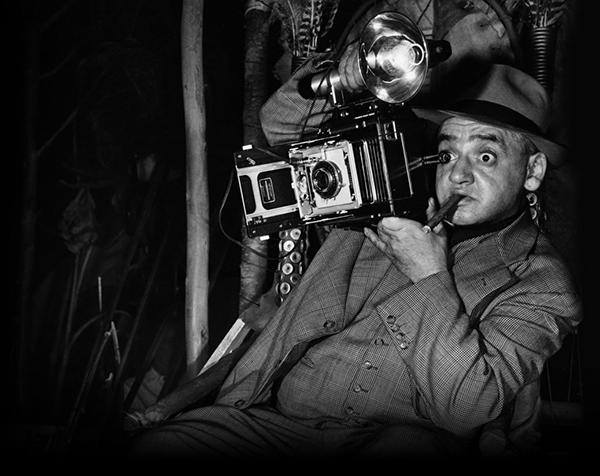
Why Black and White Was Used in Television
Still photography was not the only field affected by limited color technology. Early television also used black-and-white images.
Television had to capture a scene, turn it into an electronic signal, send that signal, and display it on a screen. Adding color made every stage more complex.
Black-and-white television had several benefits:
• The equipment was easier to build.
• Signals used less bandwidth.
• Sets were less expensive.
• Broadcast systems were simpler.
• Viewers could receive a stable picture with older technology.
Color television became popular later as broadcasting standards improved. The shift took time because households had to buy new televisions, broadcasters needed new equipment, and networks had to produce color programs.
This is another example of why were cameras black and white. The limitation was not always the camera alone. It was often part of a larger system that included film, broadcast signals, screens, and production costs.
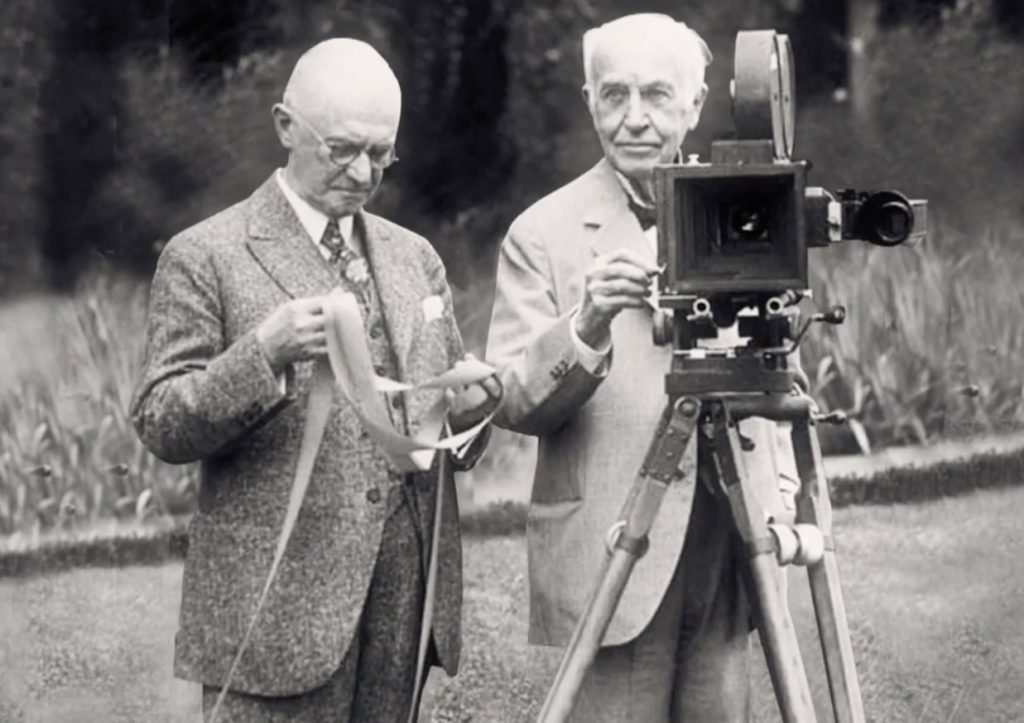
Why Surveillance Cameras Were Often Black and White
Many older security cameras produced black-and-white images because monochrome sensors performed well in low light.
A black-and-white surveillance camera could often show useful detail with less light than an early color camera. It also created a strong contrast between people, objects, and backgrounds.
This made it useful for:
• Nighttime monitoring
• Store security
• Building entrances
• Parking lots
• Industrial sites
• Traffic observation
Older security systems also had limited storage space. Black-and-white video required less data than full-color video in many setups. Lower data needs made recording easier and cheaper.
Modern cameras can record color in daylight and switch to infrared or monochrome at night. This automatic change is common in security systems today.
So, when people ask why were cameras black and white, surveillance technology provides a clear answer: black and white often offered better low-light performance, lower cost, and simpler recording.

Why Photographers Still Choose Black and White
Technology no longer forces most photographers to use black and white. Digital cameras can capture full color with ease. Still, many photographers select monochrome on purpose.
Black and white removes color from the visual story. This can make shape, texture, light, and emotion more noticeable.
A portrait may feel more timeless without bright clothing in the frame. A street photo may look stronger when color signs and cars no longer compete for attention. A landscape can gain drama from clouds, shadows, and rocky surfaces.
Black-and-white photography is especially effective for:
• Portraits
• Street scenes
• Architecture
• Documentary work
• Fine art
• Photojournalism
• Moody landscapes
When I compare a color image with its monochrome version, I often look first at the light. If the photo depends on color contrast, black and white may weaken it. If it depends on shape, mood, or texture, monochrome may make it stronger.
A common mistake is converting every photo to black and white. The best results usually begin with an image that already has clear light and dark areas.
Black and White Versus Color Photography
Both styles have strengths and limits. The right choice depends on the subject, mood, and purpose.
Benefits of black-and-white photography
• It highlights light and shadow.
• It can create a classic or timeless mood.
• It reduces visual distractions.
• It works well with texture and strong shapes.
• Black-and-white film can be processed at home.
• It often costs less to print.
Limitations of black-and-white photography
• It removes useful color information.
• Skin tones may look harsh without careful lighting.
• Some subjects lose their impact.
• Poor contrast can make an image look flat.
• Converting a weak color photo does not automatically improve it.
Benefits of color photography
• It records the world more naturally.
• It shows color-based details clearly.
• It works well for travel, food, fashion, and nature.
• It can guide the viewer through a scene.
Limitations of color photography
• Strong colors can distract from the subject.
• Color processing is often more complex.
• Incorrect white balance can make photos look unnatural.
• Color film and printing may cost more.
Knowing why were cameras black and white helps photographers choose the style with purpose. Black and white is not an outdated version of color. It is a different visual language.
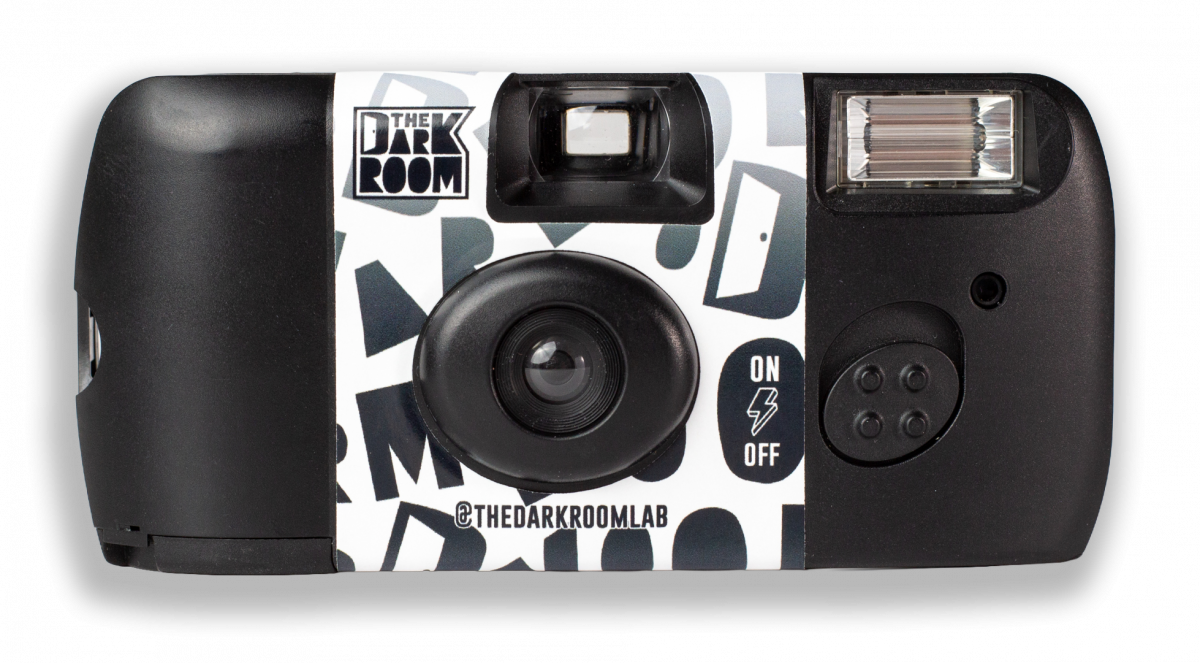
How Digital Cameras Create Black-and-White Images
Digital cameras use electronic image sensors. Most sensors record color through a pattern of red, green, and blue filters. The camera then combines this data to create a color image.
A digital camera can create black and white in several ways:
-
It can remove color from a finished image.
-
It can apply a monochrome picture style.
-
It can record raw data and allow later conversion.
-
It can use a sensor designed only for brightness.
Many cameras show a black-and-white preview while still saving the original color data. This gives photographers a useful preview without permanently losing the color image.
For serious editing, shooting in raw format provides more control. You can adjust brightness, contrast, and the strength of different colors before converting the image.
For example, a red filter effect can make a blue sky look darker. An orange effect can improve skin tones. A green effect can separate plants from other parts of a scene.
This digital process is more flexible than early film photography. However, the goal remains similar: control how light becomes tone.
Common Mistakes When Using Black-and-White Cameras
Black-and-white photography looks simple, but it still requires skill. Removing color does not remove the need for good composition.
Avoid these common mistakes:
• Ignoring the light: Flat light can produce a dull image.
• Forgetting contrast: Too little contrast can make the subject disappear.
• Overusing heavy editing: Excessive contrast can remove important detail.
• Shooting without a clear subject: Color may hide a weak composition, but black and white often reveals it.
• Neglecting skin tones: Portraits need gentle control of highlights and shadows.
• Treating every scene the same: A bright, colorful market and a quiet old building may need different approaches.
A helpful habit is to preview the scene in monochrome before you take the photo. Ask yourself whether the image still works through its shapes, lines, and light.
If it does, black and white may be a strong choice. If not, keep the color.
A Simple Timeline of Black-and-White Photography
The development of black-and-white cameras and film happened over many years.
• 1820s: Early permanent photographs were created with long exposures.
• 1830s: Daguerreotype photography became a practical public process.
• 1850s: Glass plate methods improved detail and image quality.
• Late 1800s: Dry plates and roll film made photography easier to use.
• Early 1900s: Portable cameras brought photography to more families.
• Mid-1900s: Color film became increasingly available and popular.
• Late 1900s: Digital sensors began changing photography.
• 2000s onward: Digital cameras made color capture normal, while black and white became a creative choice.
This timeline shows that why were cameras black and white has more than one answer. Chemistry, cost, engineering, broadcasting, and artistic taste all played a role.
Frequently Asked Questions About Why Were Cameras Black and White
Why did old cameras not capture color?
Old cameras used photographic materials that mainly recorded the amount of light. They could show brightness and darkness, but they could not easily record separate red, green, and blue information.
Were all early photographs completely black and white?
No. Some early images had silver, gray, brown, or blue-gray tones. Their appearance depended on the photographic process, paper, chemicals, and aging.
When did color cameras become common?
Color photography became more practical during the 20th century. It became common in homes after color film, processing services, and consumer cameras became easier to afford.
Why are some modern security cameras black and white at night?
Many security cameras switch to monochrome in low light because black-and-white sensors can show clearer detail in dark conditions. Infrared lighting also works well with monochrome video.
Is black-and-white photography better than color photography?
Neither style is always better. Black and white is often best for mood, texture, shape, and contrast, while color is better when color itself carries important meaning.
Can a digital camera take black-and-white photos?
Yes. Most digital cameras offer a monochrome picture style or black-and-white mode. Many photographers also shoot in color or raw format and convert the image later for greater control.
Why were cameras black and white in movies and television?
Early film and television systems could process and transmit brightness more easily than full color. Black-and-white equipment was also cheaper and simpler to operate.
Conclusion
The answer to why were cameras black and white comes down to technology, chemistry, cost, and purpose. Early photographic materials could record brightness long before they could capture accurate color. Even after color became possible, black and white remained useful because it was affordable, reliable, easier to process, and visually powerful.
Today, you can choose monochrome for creative reasons rather than technical limits. Try photographing a face, building, or street scene in black and white, then compare it with the color version. Explore more photography guides, practice with different lighting, and share your favorite monochrome image with others.
Recent Posts
Parts of a 35mm Camera: Complete Guide to Every Key Part and Its Function
Learn the parts of a 35mm camera, what each part does, and how the lens, shutter, film chamber, viewfinder, and controls work together.
Parts of a Camera Canon: A Complete Guide to Canon Camera Parts and Functions
Learn the parts of a Canon camera, what each part does, and how the lens, sensor, shutter, controls, viewfinder, and screen work together.