
A mirrorless camera gives you better portability, faster focus, quiet shooting, and a clearer view of your final image.
If you are asking why would i want a mirrorless camera, the answer depends on how you take photos, what you shoot, and how much gear you want to carry. After using mirrorless systems for travel, portraits, family moments, and video, I have found that their strongest appeal is simple: they make modern photography faster, smaller, and easier to control.
What Is a Mirrorless Camera?
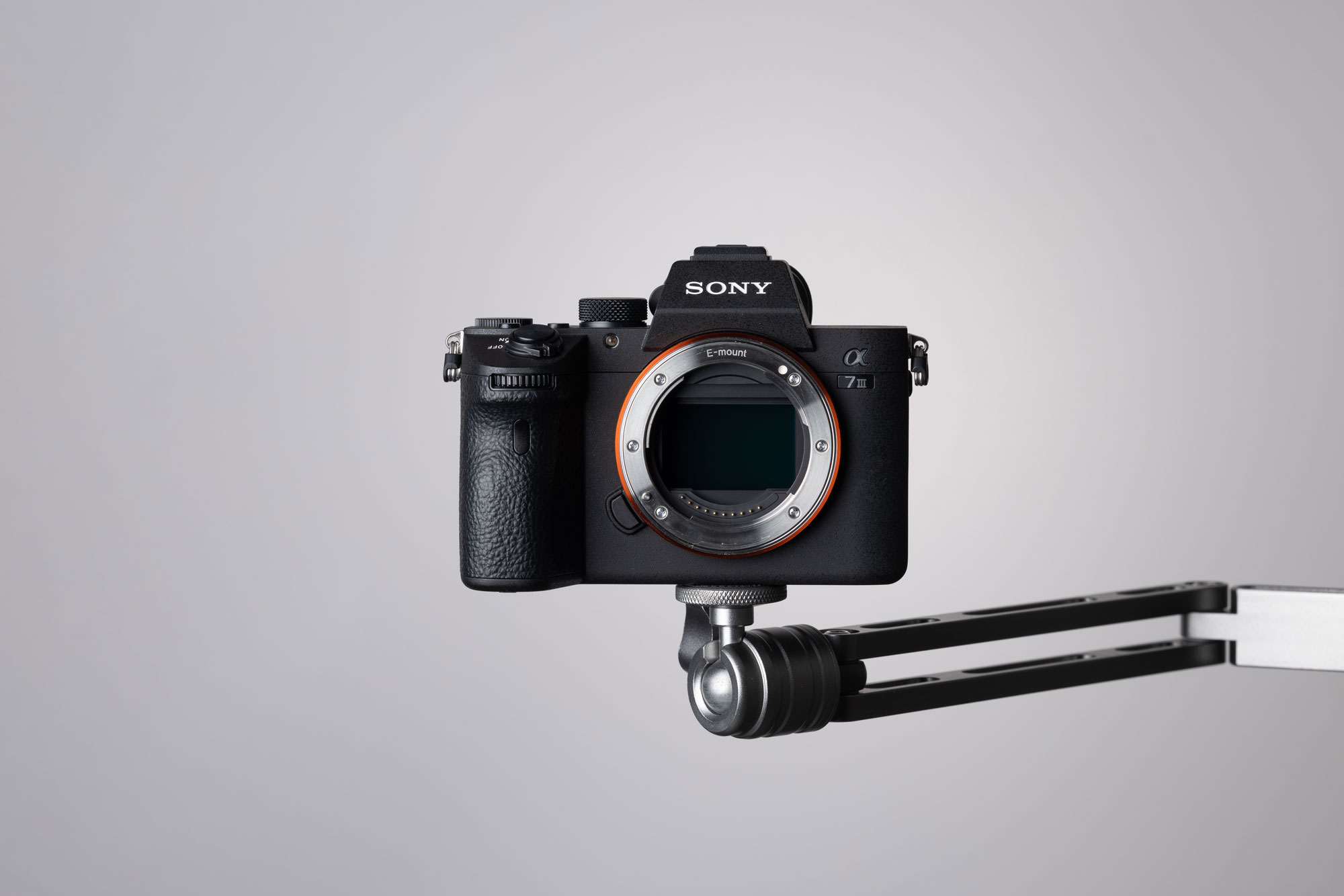
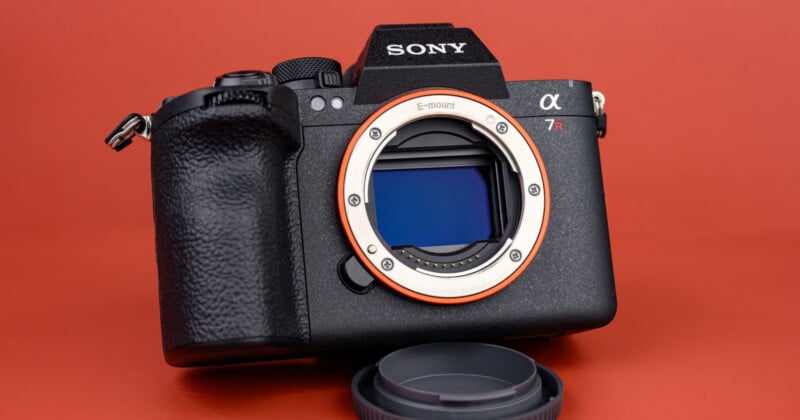
A mirrorless camera is a digital camera without the optical mirror and prism found inside a traditional DSLR. Light travels through the lens and reaches the image sensor directly.
You compose photos through either the rear screen or an electronic viewfinder. The electronic viewfinder shows a preview created by the sensor, so you can often see brightness, color, and depth of field before pressing the shutter.
This design explains why would i want a mirrorless camera for many photographers. Removing the mirror box allows manufacturers to build cameras that are often smaller, quieter, and more advanced in live view and video use.
Mirrorless cameras come in several sensor sizes:
• Full frame: Offers strong low-light performance and shallow depth of field.
• APS-C: Balances image quality, size, cost, and lens reach.
• Micro Four Thirds: Provides very compact bodies and lenses.
• Medium format: Delivers very high detail, but usually costs more and weighs more.
A mirrorless camera can be an entry-level model for a new photographer or a professional tool for weddings, sports, wildlife, studio work, and filmmaking.
Why Would I Want a Mirrorless Camera?
The main reason to choose a mirrorless camera is that it combines high image quality with useful digital tools. It can show your exposure before you take the photo, track moving subjects, record strong video, and accept interchangeable lenses.
Here are the most important reasons people switch to mirrorless systems.
You See the Exposure Before You Shoot
An electronic viewfinder can show a live preview of your final exposure. If the image looks too dark, you can adjust shutter speed, aperture, or ISO before taking the picture.
This is one of the clearest answers to why would i want a mirrorless camera. Instead of guessing how the photo may look, you receive a close preview in real time.
This feature helps in difficult light. For example, when photographing a sunset, you can watch the sky change as you adjust exposure compensation. You can also see how a wide aperture affects background blur.
The preview is not always perfect. Some viewfinders may look noisy in very dark scenes, and the screen can drain the battery faster. Still, the benefit is significant for beginners and experienced photographers.
Mirrorless Cameras Are Often Smaller
Without a mirror and optical prism, a camera body can be thinner and lighter. The total size also depends on the lens, but many mirrorless kits are easier to carry than similar DSLR kits.
This matters during travel. A camera that stays in your bag is more useful than a large camera left at home. I learned this after carrying a heavy DSLR kit through a full day in a busy city. By late afternoon, I stopped taking photos because my shoulder hurt.
A small mirrorless body and compact lens made me more willing to explore. That practical change improved my photography more than a small increase in image quality ever could.
However, small does not always mean light. A full-frame mirrorless camera with a large professional lens can still be heavy. Always compare the complete camera and lens kit, not just the body.
Autofocus Works Well for People and Animals
Modern mirrorless cameras often use advanced autofocus systems that can detect faces, eyes, animals, vehicles, and other subjects. The camera can track a subject across much of the frame.
This is useful for:
• Family photos
• Weddings
• Sports
• Birds and wildlife
• Pets
• Street photography
When I photograph a moving child or dog, eye detection saves time. I can focus more on timing and composition instead of moving a small focus point by hand.
Autofocus performance varies by brand, lens, lighting, and camera settings. A camera with excellent subject detection may still struggle in darkness, behind objects, or when the subject moves toward the camera very quickly.
Electronic Viewfinders Offer Helpful Information
An electronic viewfinder can display more than the scene in front of you. Depending on the camera, it may show:
• A histogram
• Exposure warnings
• Focus peaking
• A level guide
• White balance changes
• Custom shooting information
Focus peaking highlights areas that appear sharp. It is useful when using manual focus for landscapes, macro photos, or video.
A histogram shows how light is spread across the image. It helps you avoid losing detail in bright skies or deep shadows. These tools can make learning photography feel less like guessing and more like reading a helpful map.
Mirrorless Cameras Are Excellent for Video
Most current mirrorless cameras are designed with video in mind. Many offer 4K recording, microphone inputs, headphone outputs, image stabilization, and advanced autofocus.
A mirrorless camera can be a strong choice if you want one device for both photos and video. You can use interchangeable lenses, control depth of field, and create a more cinematic look than many basic point-and-shoot cameras.
For video, look for features such as:
• 4K recording at a useful frame rate
• Reliable autofocus
• In-body image stabilization
• A microphone input
• Headphone monitoring
• A fully articulating screen
• Good heat control
Video has limits, too. Some cameras crop the image in certain recording modes. Others may overheat during long clips. Read the technical specifications and independent reviews before buying.

Mirrorless Camera Benefits for Different Photographers
The question why would i want a mirrorless camera has a different answer for each type of photographer. Your best choice depends on your subject, habits, budget, and comfort with technology.
For Beginners
A mirrorless camera can help beginners understand exposure. The live preview shows how settings affect the image, which makes concepts such as aperture and exposure compensation easier to learn.
You also gain access to interchangeable lenses. A basic zoom lens can cover travel and family photos, while a prime lens can teach you about composition and low-light shooting.
A beginner does not need the most expensive body. A simple APS-C or Micro Four Thirds camera may provide everything needed to build strong skills.
For Travel Photographers
Travel photographers often value low weight, good battery life, and flexible lenses. A mirrorless camera can provide high image quality in a smaller package.
A compact zoom lens may cover wide landscapes, street scenes, and distant details. A small prime lens can make the kit even lighter for evenings and casual walks.
Weather sealing is worth considering if you travel in rain, dust, or snow. Remember that a sealed camera needs a sealed lens to provide the best protection.
For Portrait Photographers
Mirrorless cameras are popular for portraits because of eye autofocus and their wide range of bright lenses. A lens such as a 50mm, 85mm, or similar portrait option can create soft background blur.
Full-frame models make it easier to achieve a shallow depth of field, but sensor size is not the only factor. Lens choice, distance from the subject, and background distance also affect blur.
For portraits, skin tones and color depend on lighting, exposure, and editing as much as the camera body. A better camera cannot replace good light and clear communication with your subject.
For Sports and Wildlife Photographers
Fast burst shooting, subject tracking, and silent electronic shutters can make mirrorless cameras useful for action. Some high-end models can capture many frames per second while maintaining autofocus.
A silent shutter helps when photographing birds, theater, golf, or quiet indoor events. It also prevents the mechanical sound from distracting the subject.
Electronic shutters may create rolling-shutter distortion with very fast movement or artificial lights. If straight lines look bent, switch to a mechanical shutter or a faster sensor-readout mode when available.
For Content Creators
A mirrorless camera can improve video quality for YouTube, social media, interviews, and product demonstrations. Many models also support clean HDMI output for streaming.
A flip-out screen helps when you record yourself. A microphone input improves sound, which is often more important than a small increase in image resolution.
Good lighting and audio still matter. A basic mirrorless camera with a microphone and soft light may produce better content than an expensive camera used in a dark room with poor sound.
Mirrorless vs. DSLR: Which Is Better?
Mirrorless cameras and DSLRs can both produce excellent photos. The right choice depends on what you value.
Key Differences
| Feature | Mirrorless camera | DSLR |
|---|---|---|
| Viewfinder | Electronic | Optical |
| Size | Often smaller | Often larger |
| Video autofocus | Usually very strong | Varies by model |
| Battery life | Often shorter | Often longer |
| Lens selection | Growing and extensive | Very extensive |
| Silent shooting | Common | Less common |
| Live exposure preview | Yes | Usually through the screen |
| Used-market value | Often current technology | Can be very affordable |
An optical viewfinder shows the real scene through the lens. It does not need power, and many photographers enjoy its natural look.
An electronic viewfinder shows a digital preview. It can display exposure and focus information, but it uses battery power and may have a slight delay on some older models.
So why would i want a mirrorless camera instead of a DSLR? Choose mirrorless if you want modern autofocus, strong video tools, a live exposure preview, and a system built around newer technology.
Choose a DSLR if you prefer long battery life, an optical viewfinder, lower used prices, or an existing collection of compatible lenses.
You do not need to replace a working DSLR just because mirrorless cameras are popular. A camera that you know well can be more valuable than a newer camera that you rarely use.
The Limitations of Mirrorless Cameras
A balanced answer to why would i want a mirrorless camera must include the drawbacks. Mirrorless systems are powerful, but they are not perfect.
Battery Life Can Be Shorter
The electronic viewfinder and rear screen use power. Many mirrorless cameras offer fewer shots per charge than comparable DSLRs.
You can manage this by carrying spare batteries, turning off wireless features, lowering screen brightness, and using sleep mode. For travel or long events, extra batteries are not optional for many users.
Lenses Can Still Be Large
A small camera body does not guarantee a small kit. Fast zoom lenses and professional telephoto lenses can be large and heavy.
Before choosing a system, visit a camera store if possible. Hold the body with the lens you expect to use. Comfort matters more than specifications during a long shoot.
Electronic Viewfinders May Feel Different
Some photographers love electronic viewfinders because they show exposure and focus tools. Others prefer the clean, direct view of an optical finder.
Try both before buying. The viewfinder is where you spend much of your time, so personal comfort matters.
New Systems Can Cost More
Many mirrorless systems use newer lens mounts. Native lenses may be expensive, especially professional models.
Adapters can let you use older DSLR lenses, but autofocus speed and handling may change. Check compatibility before assuming every older lens will work perfectly.
Menus Can Feel Complex
Mirrorless cameras often include many settings for autofocus, video, stabilization, wireless transfer, and custom controls. This can feel overwhelming.
Start with a simple setup:
-
Set the camera to aperture priority or program mode.
-
Turn on face and eye detection when suitable.
-
Use automatic ISO with a reasonable upper limit.
-
Save a custom mode for your most common type of shooting.
-
Learn one new setting at a time.
How to Choose the Right Mirrorless Camera
The best answer to why would i want a mirrorless camera starts with your real needs, not a long list of technical features.
Ask yourself these questions:
• What do I photograph most?
• Do I need strong video tools?
• How much weight will I carry?
• Do I need weather protection?
• Can I afford future lenses?
• Will I edit raw files or use JPEG images?
• Do I need a full-frame sensor?
Choose the Sensor Size
A full-frame sensor can offer excellent low-light performance and background blur. It is often a good fit for professional portraits, weddings, events, and demanding low-light work.
APS-C cameras are smaller and often less expensive. They provide excellent quality for travel, family photography, sports, and everyday use.
Micro Four Thirds cameras offer very small lenses and useful reach for wildlife and travel. Their smaller sensors may show more noise at high ISO compared with larger sensors, but modern models can still produce excellent results.
Choose the Lens System
The lens system may matter more than the camera body. Look at the lenses you may want in the next three years.
Check the cost and size of:
• A standard zoom
• A wide-angle lens
• A portrait lens
• A telephoto lens
• A macro lens
A camera body lasts for a few years, but lenses can stay with you much longer. Build around a system that fits your budget and style.
Check Stabilization
In-body image stabilization helps reduce blur from your hand moving during a photo. It is especially useful for landscapes, interiors, night scenes, and handheld video.
Stabilization does not freeze a moving subject. If a person moves, you still need a faster shutter speed. Think of stabilization as helping with your hands, not with the subject.
Consider the Controls
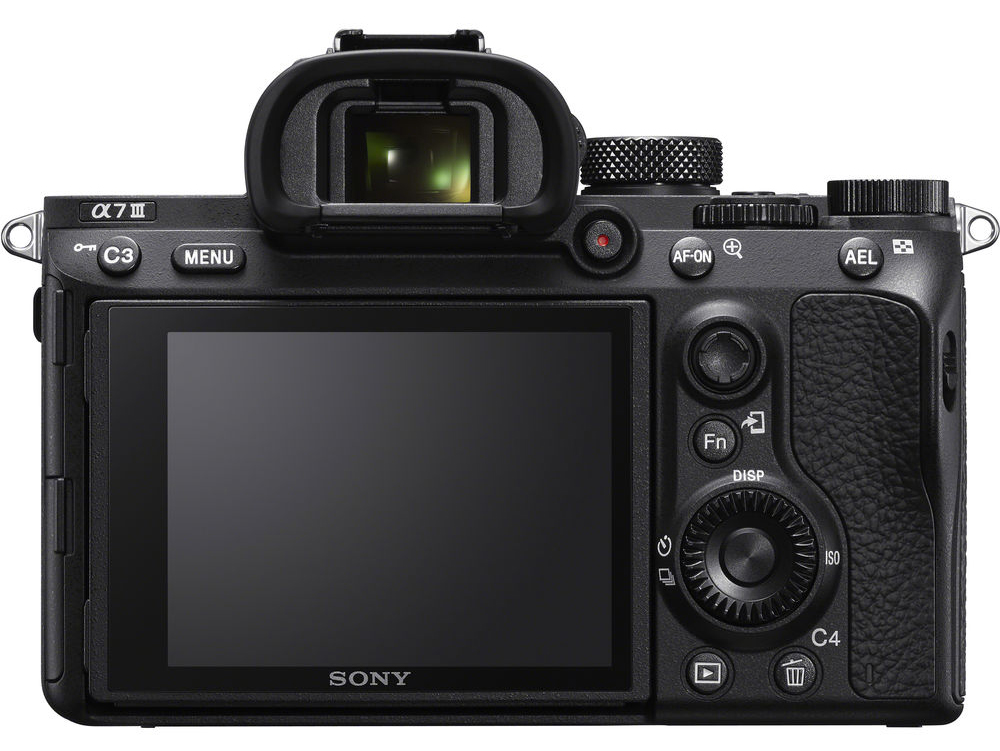
A good camera should feel comfortable. Look for a grip that fits your hand, buttons you can reach, and menus that make sense to you.
Weather sealing, battery life, screen movement, card slots, and connection options also matter. A camera with fewer headline features may be the better choice if it feels easier to use.

Practical Tips for Buying Your First Mirrorless Camera
If you now understand why would i want a mirrorless camera, use these steps before spending your money.
-
Set a total budget for the body, lens, batteries, memory card, and bag.
-
Choose the lens before becoming distracted by camera specifications.
-
Compare the complete kit weight.
-
Read independent reviews that test autofocus, battery life, overheating, and image quality.
-
Handle the camera in person if possible.
-
Buy from a seller with a clear return policy.
-
Consider a quality used camera from a trusted dealer.
-
Leave money for a spare battery and a comfortable strap.
One mistake I often see is buying a high-end body with a weak kit lens. A midrange body with a bright prime lens can create better portraits and low-light photos.
Another mistake is chasing megapixels. More resolution can help with large prints and heavy cropping, but it does not automatically improve focus, lighting, composition, or storytelling.
Do not forget the cost of storage and editing. Raw files use more space, and video files can fill a drive quickly. Include memory cards, backup storage, and software in your long-term budget.

My Experience Using Mirrorless Cameras
When I first moved to a mirrorless system, I expected the smaller size to be the main benefit. It helped, but the exposure preview and autofocus made the bigger difference.
I could walk into a room, adjust exposure, and see the result before taking a photo. That reduced missed shots and made me more comfortable in difficult light.
The first lesson was to carry spare batteries. During one long travel day, I relied on a single battery and lost power before sunset. Since then, I charge batteries the night before and keep one in a small pouch.
The second lesson was to avoid buying too much gear too soon. A camera bag full of lenses can make photography feel like work. One camera, one flexible lens, and one small prime often cover most everyday situations.
The best system is the one that encourages you to take photos. If a mirrorless camera feels comfortable, fits your budget, and supports the subjects you enjoy, it can become a helpful creative partner rather than another complicated device.
Frequently Asked Questions About Why Would I Want a Mirrorless Camera
Is a mirrorless camera better than a DSLR?
Neither is always better. A mirrorless camera usually offers newer autofocus, better video features, and a live exposure preview, while a DSLR may provide longer battery life and a familiar optical viewfinder.
Why would i want a mirrorless camera for travel?
A mirrorless camera can deliver interchangeable-lens image quality in a smaller package. A compact body and lens can reduce weight while still giving you more control than a phone or basic compact camera.
Are mirrorless cameras good for beginners?
Yes. The electronic viewfinder can show exposure changes before you take the photo, which makes learning easier. Choose a simple model with comfortable controls rather than the most expensive option.
Do mirrorless cameras take better pictures?
A mirrorless camera does not automatically take better pictures. Image quality depends on the sensor, lens, lighting, focus, settings, and photographer, although modern mirrorless systems offer excellent tools.
Do mirrorless cameras have poor battery life?
Many use more power because the electronic viewfinder and screen stay active. Spare batteries, lower screen brightness, and power-saving settings can make battery life much easier to manage.
Should I buy a full-frame mirrorless camera?
Buy full frame if you need strong low-light performance, shallow depth of field, or a professional lens system. APS-C and Micro Four Thirds models may be better if you value lower cost, smaller size, and lighter lenses.
Can I use DSLR lenses on a mirrorless camera?
Often, yes, with a mount adapter. Results vary by brand and lens, so autofocus, stabilization, or other features may not work exactly as they do with native lenses.
Is a mirrorless camera worth it if I already have a smartphone?
It can be worth it if you want optical zoom, better low-light control, interchangeable lenses, faster handling, or high-quality video. If your phone meets your needs, there is no need to buy a dedicated camera.
Conclusion
Why would i want a mirrorless camera? You may want one for its compact design, electronic viewfinder, advanced autofocus, strong video features, quiet shooting, and wide lens options.
It is not the right choice for everyone. Battery life, lens costs, menu complexity, and electronic viewfinder preferences deserve careful thought. The smartest purchase matches your subjects, budget, and willingness to carry and learn the system.
Try a few cameras in person, compare the full lens kits, and choose the model that makes you want to take more photos. Explore trusted reviews, test your preferred lenses, and share your experience in the comments.
Recent Posts
Parts of a 35mm Camera: Complete Guide to Every Key Part and Its Function
Learn the parts of a 35mm camera, what each part does, and how the lens, shutter, film chamber, viewfinder, and controls work together.
Parts of a Camera Canon: A Complete Guide to Canon Camera Parts and Functions
Learn the parts of a Canon camera, what each part does, and how the lens, sensor, shutter, controls, viewfinder, and screen work together.