A DSLR gives you better control, sharper images, fast lenses, and room to grow as a photographer.
If you are asking why buy a dslr camera, the answer goes beyond image quality. A DSLR can help you understand light, improve your skills, and capture moments that a phone may miss. This guide explains the real benefits, limits, costs, and practical reasons to choose one.
Why buy a DSLR camera?
A DSLR, or digital single-lens reflex camera, uses a mirror and optical viewfinder to show you the scene through the lens. When you press the shutter button, the mirror moves, and the camera records light on a digital image sensor.
The main reason to buy a DSLR camera is control. You can choose the shutter speed, aperture, ISO, focus mode, and lens. These settings let you shape an image instead of simply accepting the result chosen by automatic software.
A DSLR also gives you:
• More control over exposure and focus
• Interchangeable lenses for different subjects
• Larger sensors than most smartphones
• Better battery life in many cases
• Clear optical viewing in bright light
• Strong performance for action, portraits, and landscapes
• A comfortable grip and physical control buttons
Modern phones are excellent for casual photos. However, a DSLR still works like a toolbox. Each setting and lens has a clear purpose, and you can use them together to create a specific look.

Better image quality in difficult light
One of the strongest answers to why buy a dslr camera is its performance in poor light. Many DSLRs use APS-C or full-frame sensors. These sensors are often much larger than the sensors found in phones and inexpensive compact cameras.
A larger sensor can collect more light. This may produce cleaner images with less digital noise, especially indoors, at night, or during a sunset. It can also preserve more detail in shadows and bright areas.
For example, imagine taking photos at a school play. A phone may raise its ISO and brighten the image, but the result can look soft or grainy. A DSLR with a bright 50mm lens can capture a clearer face while keeping the background less distracting.
Image quality also depends on the lens, light, technique, and camera settings. A high-end camera cannot fix poor focus or harsh light. Still, a DSLR gives you more tools to solve those problems.
Interchangeable lenses create creative freedom
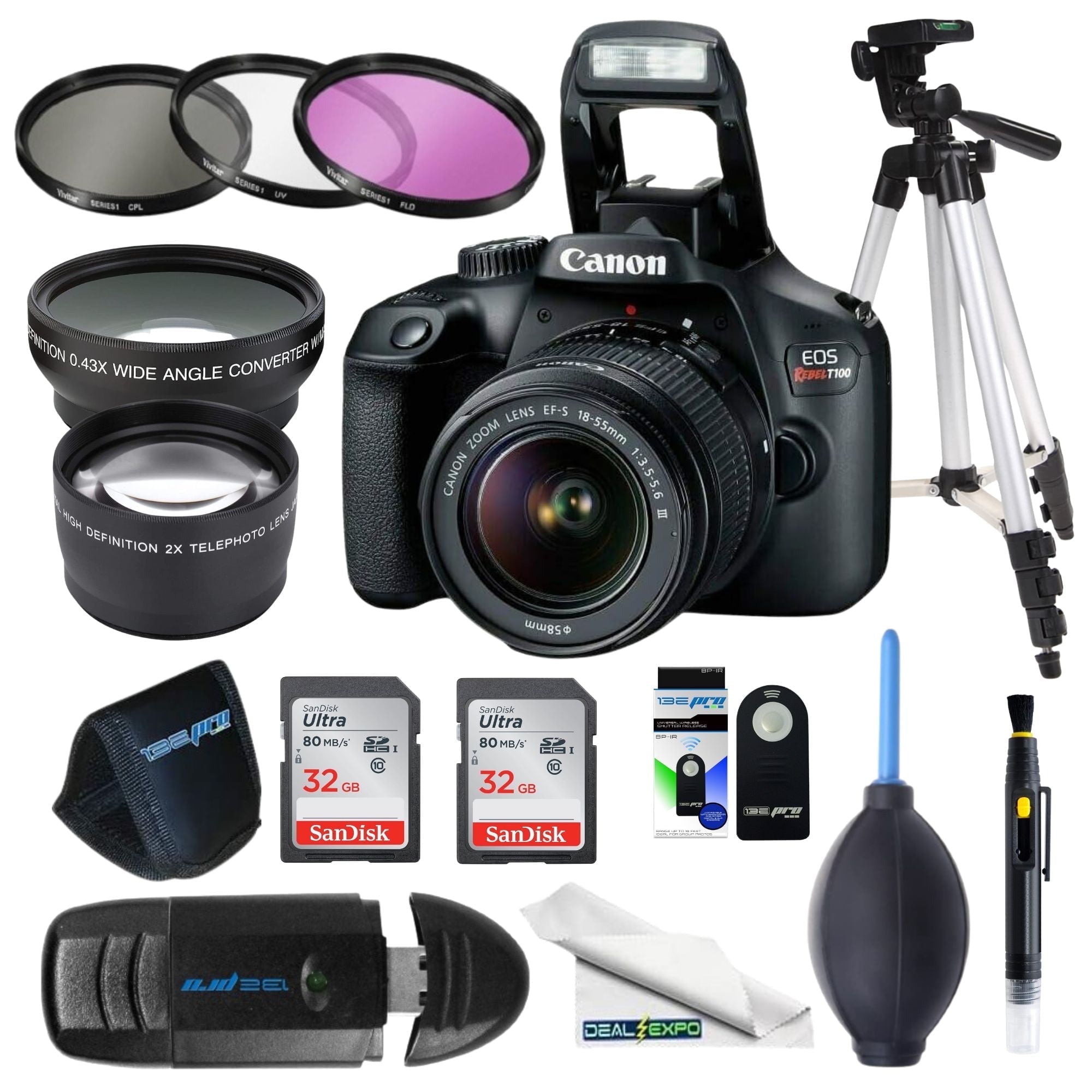
Another important reason to buy a DSLR camera is the wide range of interchangeable lenses. A single camera body can work with several lenses, each designed for a different job.
Common lens types include:
• Wide-angle lenses for landscapes, buildings, and interiors
• Standard lenses for travel, street scenes, and daily photos
• Telephoto lenses for sports, wildlife, and distant subjects
• Macro lenses for flowers, insects, and small products
• Fast prime lenses for portraits and low-light scenes
• Zoom lenses for flexible travel and event photography
A 50mm prime lens may help you create natural-looking portraits with a soft background. A 70–300mm telephoto lens can bring a distant bird closer. A wide-angle lens can fit an entire room or mountain range into one frame.
This flexibility is one reason many photographers continue using DSLR systems. You do not need to replace the whole camera when your interests change. You can add a lens that matches your next goal.
Manual settings help you learn photography
A DSLR is also a learning tool. Automatic mode is useful, but manual control teaches you how photography works.
The three main exposure settings are:
• Aperture controls the lens opening and affects background blur
• Shutter speed controls how long the sensor receives light and affects motion blur
• ISO controls sensor sensitivity but may add image noise at high values
These settings work together in what photographers call the exposure triangle. If you use a faster shutter speed to freeze a runner, you may need a wider aperture or higher ISO to keep the photo bright.
This process can feel slow at first. With practice, it becomes natural. You begin to predict which settings will work before you press the shutter.
When I first learned photography, I made the common mistake of changing only ISO. My night photos became bright but noisy. Later, I learned to use a wider aperture, steady my camera, and choose a slower shutter speed when the subject was still. That lesson improved my photos more than buying a new body.
DSLRs are useful for many types of photography
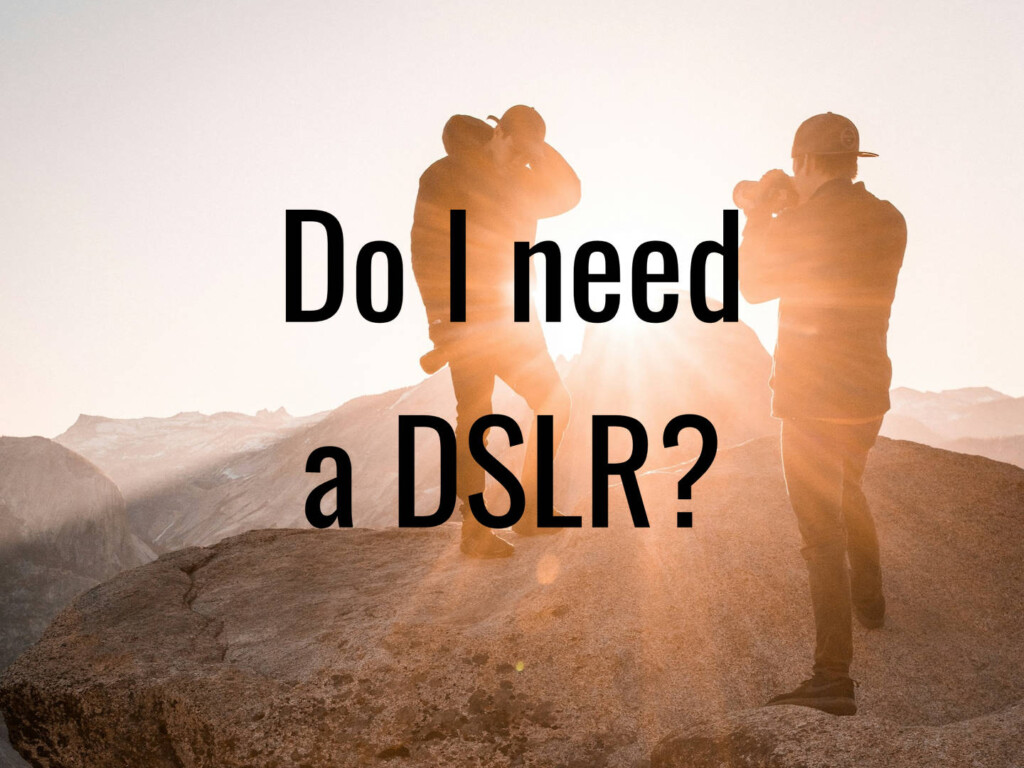
People often ask why buy a dslr camera when they mainly take family photos or travel pictures. The answer is that a DSLR can adapt to many situations.
For portraits, a wide aperture can separate the subject from the background. For sports, a fast shutter speed and continuous autofocus can help freeze movement. For landscapes, a low ISO and narrow aperture can create sharp detail across the frame.
A DSLR can also work well for:
• Weddings and special events
• Food and product photography
• Wildlife and bird photography
• School activities and family gatherings
• Real estate and interior photos
• YouTube videos and online content
• Travel and outdoor adventures
Your choice of lens matters as much as the camera body. A basic DSLR with a good lens can produce better results than an expensive body paired with a poor or unsuitable lens.
Optical viewfinders offer a direct shooting experience
Most DSLRs use an optical viewfinder. It lets you see the scene through the actual lens without relying on a screen preview.
This can be helpful in bright sunlight. Screens may look dim or reflective, while an optical viewfinder remains clear. The viewfinder also lets you hold the camera close to your face, which can provide better stability.
An optical viewfinder has a natural feel. You see the subject with very little delay, which matters when photographing sports, children, or moving animals.
There are trade-offs. An optical viewfinder does not always show the exact final exposure before you take the photo. Mirrorless cameras often provide a live electronic preview instead. This difference is worth considering when comparing camera systems.
DSLR autofocus and speed can support action photography
Why buy a dslr camera for sports or wildlife? A DSLR can offer responsive autofocus, a fast shutter, and continuous shooting. These features help you capture a brief moment, such as a basketball player jumping or a bird taking flight.
The camera body is only part of the system. A suitable telephoto lens, correct focus mode, and fast shutter speed are also important.
For moving subjects, try these steps:
- Select continuous autofocus.
- Use a faster shutter speed, such as 1/1000 second for fast action.
- Choose a focus area that matches the subject.
- Use burst mode when the key moment is difficult to predict.
- Keep the subject in the viewfinder and follow its movement.
Practice matters. At first, you may take many missed shots. That is normal. Good action photography often comes from preparation, timing, and patience rather than luck.
DSLR cameras can offer strong value
Buying a DSLR does not always mean buying the newest or most expensive model. The used market has many capable cameras from well-known brands.
A used DSLR may offer:
• A larger sensor at a lower price
• Access to affordable older lenses
• Good image quality for beginners
• A wide selection of accessories
• Useful manual controls and learning features
Before buying used, inspect the camera carefully. Check the sensor for marks, test every button, review the shutter count when available, and examine the lens for haze, fungus, or deep scratches.
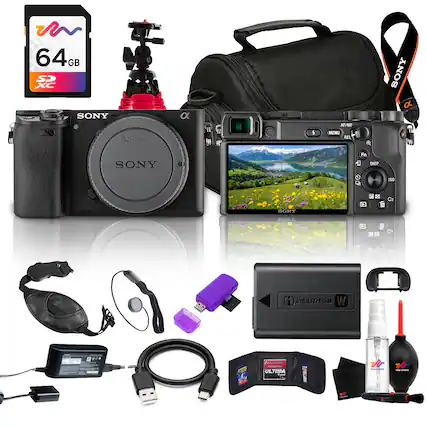
Do not spend your entire budget on the camera body. Set money aside for a memory card, spare battery, camera bag, lens, and basic cleaning supplies.
One lesson I learned early was that accessories can quietly increase the total cost. A camera bag, extra battery, tripod, and lens can cost as much as the original body. Planning the full system helps prevent an unpleasant surprise.
DSLR limitations you should understand
A balanced answer to why buy a dslr camera must include the disadvantages. DSLRs are often larger and heavier than phones and compact cameras. Carrying one all day may become tiring, especially with a telephoto lens.
Other limitations include:
• Many DSLR models are no longer the main focus of new product development
• Live-view autofocus may be slower on older models
• Large lenses take up space in a travel bag
• Advanced features may require more practice
• Video autofocus may not match newer mirrorless systems
• Used batteries and older parts may need replacement
A DSLR may not be the best choice if you want a tiny camera, silent shooting, advanced video tools, or the latest autofocus technology. A mirrorless camera may suit those needs better.
Phones also remain a smart choice for many people. If you mainly share quick photos online and do not want to carry extra equipment, your phone may be enough. The best camera is the one you will use often.
DSLR versus mirrorless camera
When comparing why buy a dslr camera with why buy a mirrorless camera, focus on your needs rather than trends.
DSLR advantages often include:
• Optical viewfinder
• Long battery life
• Comfortable handgrip
• Large used-camera selection
• Reliable performance for still photography
Mirrorless advantages often include:
• Smaller and lighter designs
• Electronic viewfinders with exposure previews
• Strong video features
• Advanced subject tracking on many newer models
• Quiet or silent shooting options
Neither system is automatically better. A DSLR may be a better value for a beginner who wants to learn still photography. A mirrorless model may be better for a traveler who values low weight and modern video features.
Try holding both types before you buy. Comfort matters. If the camera feels awkward, you may use it less, no matter how impressive its specifications look.
How to choose the right DSLR
The best answer to why buy a dslr camera depends on your goals, budget, and experience. Start by deciding what you plan to photograph most often.
Use this simple guide:
• For family and travel photos, choose an entry-level APS-C DSLR with a kit zoom lens.
• For portraits, consider a camera with a bright 50mm or 85mm lens.
• For sports, look for fast autofocus, burst shooting, and a compatible telephoto lens.
• For landscapes, prioritize good dynamic range, a sturdy tripod, and a wide-angle lens.
• For video, check microphone support, screen movement, resolution, and autofocus behavior.
• For used gear, inspect condition and confirm that the lens mount and battery work properly.
Megapixels are not the only factor. A camera with 20 megapixels can produce excellent prints and online images. Lens quality, lighting, composition, and focus often have a greater effect on the final photo.
Choose a system with lenses you can afford. A camera brand may look attractive at first, but expensive lenses can make future upgrades difficult.
Practical tips for getting better DSLR photos
Buying a DSLR camera is only the first step. Your results will improve faster when you build simple habits.
Try these practices:
- Learn aperture, shutter speed, and ISO one at a time.
- Shoot in aperture priority before using full manual mode.
- Review photos at full size to check focus.
- Watch the background, not just the subject.
- Use natural light near a window for simple portraits.
- Keep your shutter speed fast enough for handheld photos.
- Format memory cards in the camera after backing up your images.
- Clean the lens with a proper microfiber cloth.
- Back up important photos in two separate places.
- Practice the same subject in different light.
Avoid changing settings without knowing what they do. Also, do not buy new gear every time a photo fails. Ask whether the problem came from focus, light, timing, composition, or camera movement.
Better technique often produces a bigger improvement than a more expensive camera.
Frequently Asked Questions About Why Buy a DSLR Camera
Is a DSLR camera still worth buying?
Yes, a DSLR can still be worth buying if you want strong image quality, manual control, and affordable access to interchangeable lenses. Used DSLR models can provide excellent value for portraits, travel, landscapes, and general photography.
Why buy a DSLR camera instead of using a phone?
You may want to buy a DSLR camera for better lens control, stronger performance in difficult light, faster handling, and more natural background blur. A phone is smaller and more convenient, but a DSLR gives you more control over the image-making process.
Are DSLR cameras good for beginners?
Yes, DSLRs can be very good for beginners because they offer automatic modes while allowing you to learn manual settings over time. An entry-level model with a kit lens is often enough to build strong photography skills.
Do DSLR cameras take better pictures than mirrorless cameras?
Not automatically. Image quality depends on the sensor, lens, light, focus, and photographer, although both DSLR and mirrorless cameras can produce excellent results.
How long can a DSLR camera last?
A well-maintained DSLR can last for many years. Its lifespan depends on shutter use, weather exposure, storage, battery condition, and general care.
What should I check when buying a used DSLR?
Check the camera body, sensor, lens mount, shutter, buttons, screen, battery, and memory card slot. Test the camera with a lens and review sample images for focus and exposure problems.
Conclusion
The best reason to buy a DSLR camera is the control it gives you. You can change lenses, manage exposure, improve in low light, freeze action, and develop skills that apply to many camera systems.
A DSLR is not the smallest or newest option. It may also require more learning than a phone. Yet for many beginners, hobbyists, families, and serious still photographers, it remains a powerful and affordable choice.
Before you buy, compare the complete cost of the body, lens, battery, card, and accessories. Choose equipment that fits your goals and feels comfortable in your hands. Then practice often, study your results, and share your photography journey in the comments or explore more camera guides to keep learning.
Recent Posts
Parts of a 35mm Camera: Complete Guide to Every Key Part and Its Function
Learn the parts of a 35mm camera, what each part does, and how the lens, shutter, film chamber, viewfinder, and controls work together.
Parts of a Camera Canon: A Complete Guide to Canon Camera Parts and Functions
Learn the parts of a Canon camera, what each part does, and how the lens, sensor, shutter, controls, viewfinder, and screen work together.