
Canon cameras stand out for their reliable autofocus, rich image quality, strong lenses, and user-friendly design.
The question of why Canon cameras are the best has more than one answer. Canon combines decades of optical experience with modern features such as advanced subject detection, excellent color science, and a wide range of cameras and lenses. Whether you shoot family moments, weddings, wildlife, video, or travel, Canon offers a practical path from beginner gear to professional equipment.
Why Canon Cameras Are the Best for Many Photographers
Canon cameras are popular because they make photography feel simple without removing creative control. A beginner can use automatic modes and get sharp, pleasing images, while an experienced photographer can adjust shutter speed, aperture, ISO, focus, and color settings.
That balance is a major reason why Canon cameras are the best choice for many people. The brand does not focus on one type of user. Its lineup includes small mirrorless cameras, full-frame models, professional sports cameras, cinema cameras, and affordable DSLRs.
Canon also has a long history in photography. Its experience in lens design, camera electronics, and image processing helps create systems that work well as a whole. The camera body, lens, autofocus system, and software are designed to support one another.
Still, “best” depends on your needs. Another brand may offer a better fit for a specific budget, lens type, or video feature. Canon’s strongest advantage is its complete and dependable ecosystem.

Excellent Image Quality and Natural Color
Image quality is one of the clearest answers to why Canon cameras are the best. Canon cameras are known for producing detailed images with pleasing skin tones and natural color. This matters when you want photos that look good with little editing.
Canon’s color science is especially useful for portraits, weddings, family photos, and events. Skin can look warm and balanced without requiring hours of computer work. Of course, lighting still matters, and no camera can fix poor exposure in every situation.
Modern Canon mirrorless cameras use APS-C or full-frame sensors. A full-frame sensor is larger and often performs better in low light. An APS-C sensor is smaller, lighter, and usually more affordable.
Here are some common benefits:
• Strong detail in well-lit scenes
• Clean results at moderate ISO settings
• Attractive skin tones for portraits
• Good dynamic range for recovering some shadow and highlight detail
• High-resolution files that allow cropping
A camera does not create a great photograph by itself. Light, timing, composition, and lens choice remain vital. However, Canon gives photographers a strong technical base for capturing those elements.
Fast and Reliable Autofocus
Autofocus is another major reason why Canon cameras are the best for everyday shooting and demanding work. Many current Canon mirrorless cameras use Dual Pixel CMOS autofocus, a system designed for fast and smooth focusing.
Depending on the model, Canon cameras can detect and track:
• People
• Faces and eyes
• Dogs, cats, and birds
• Cars and motorcycles
• Aircraft and trains
• Other moving subjects
Eye detection can be very helpful for portraits. Instead of moving a focus point over the subject’s face, the camera can track the eye while you compose the image. This gives you more freedom to focus on expression and timing.
In my experience with modern autofocus systems, the biggest lesson is that tracking works best when the subject is clear and the settings match the scene. For example, animal tracking may need a suitable subject mode, enough light, and a fast shutter speed. Autofocus is powerful, but it is not magic.
Canon’s autofocus also helps video creators. Smooth focus changes can make footage look more professional, especially when recording interviews, family videos, and product demonstrations.

A Wide Range of Canon Lenses
A camera body is only part of the system. The lens affects sharpness, background blur, perspective, low-light performance, and the overall feel of an image. Canon offers a large selection of lenses for different cameras and shooting styles.
Canon’s RF lenses are made for its newer mirrorless cameras. EF lenses were made for Canon DSLRs, and many can work with Canon mirrorless cameras through an adapter. This gives photographers more choices when upgrading systems.
Popular lens types include:
• Wide-angle lenses for landscapes, buildings, and travel
• Standard zoom lenses for daily use
• Telephoto lenses for sports, wildlife, and distant subjects
• Fast prime lenses for portraits and low-light scenes
• Macro lenses for flowers, insects, and small details
• Professional zoom lenses for weddings, news, and commercial work
This lens choice helps explain why Canon cameras are the best for photographers who want to grow over time. You can begin with a basic camera and kit lens, then add a portrait lens or telephoto lens later.
One practical tip is to buy the lens you will use most, not the lens that simply looks impressive. A modest camera with a good lens can produce better results than an expensive body paired with a poor or unsuitable lens.

Strong Choices for Beginners
Canon is often a good starting point for new photographers because its controls are easy to understand. Menus are generally clear, and the cameras offer helpful automatic modes. A beginner can take photos right away and learn manual settings at a comfortable pace.
Entry-level models often include:
• Guided menus
• Touchscreen controls
• Built-in Wi-Fi and Bluetooth
• Automatic scene detection
• Simple creative settings
• Electronic viewfinders on many mirrorless models
These features reduce the learning curve. You can start by changing one setting at a time, such as exposure compensation or aperture. This approach is less stressful than trying to understand every control at once.
The best beginner camera is not always the cheapest camera. A slightly better body may offer improved autofocus, a more comfortable grip, or better video tools. It may also help you avoid upgrading too soon.
That said, beginners should not feel pressure to buy professional gear. A basic Canon camera can teach composition, light, focus, and timing. Those skills matter far more than the price of the body.
Professional Performance and Reliability
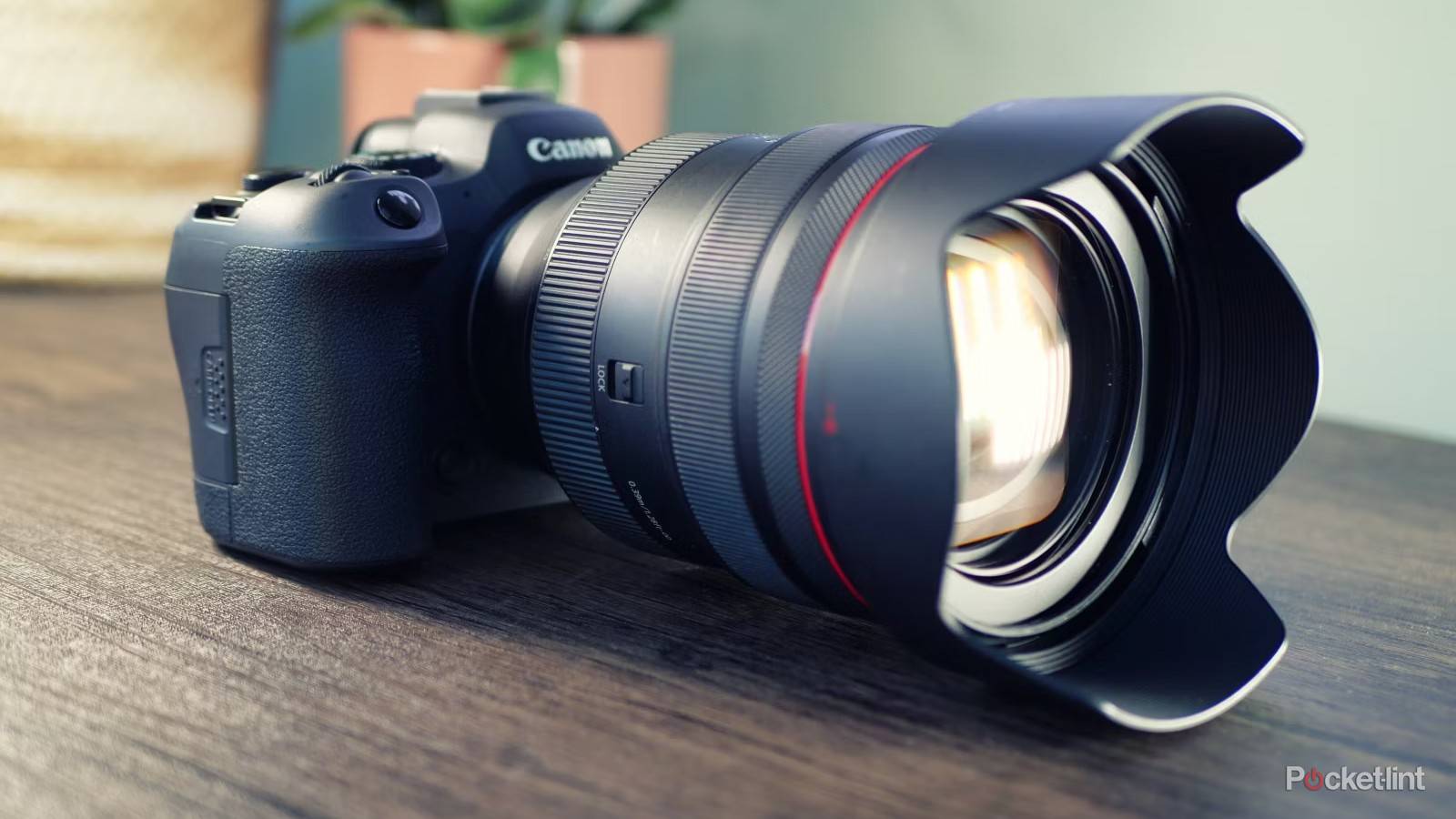
Professional photographers often need equipment that performs for long hours and in difficult conditions. Canon’s higher-end cameras are built for demanding work such as sports, news, wildlife, weddings, and commercial photography.
Professional features may include:
• Fast continuous shooting
• Large buffers for long bursts
• Weather-resistant construction
• Dual memory card slots
• High-capacity batteries
• Bright electronic or optical viewfinders
• Advanced subject tracking
• Strong low-light performance
Reliability is one reason why Canon cameras are the best for working photographers. When a wedding moment happens once, the camera must respond quickly. When a wildlife subject appears for only a few seconds, there may be no chance to repeat the shot.
Professional reliability also includes the wider support network. Canon has service centers, repair options, accessories, batteries, flashes, and lenses in many markets. Availability can vary by country, but a well-supported system is valuable when equipment is part of your income.
No camera is completely failure-proof. Professionals still carry spare batteries, memory cards, and sometimes a second body. Good preparation is part of reliable photography.
Great Low-Light Results
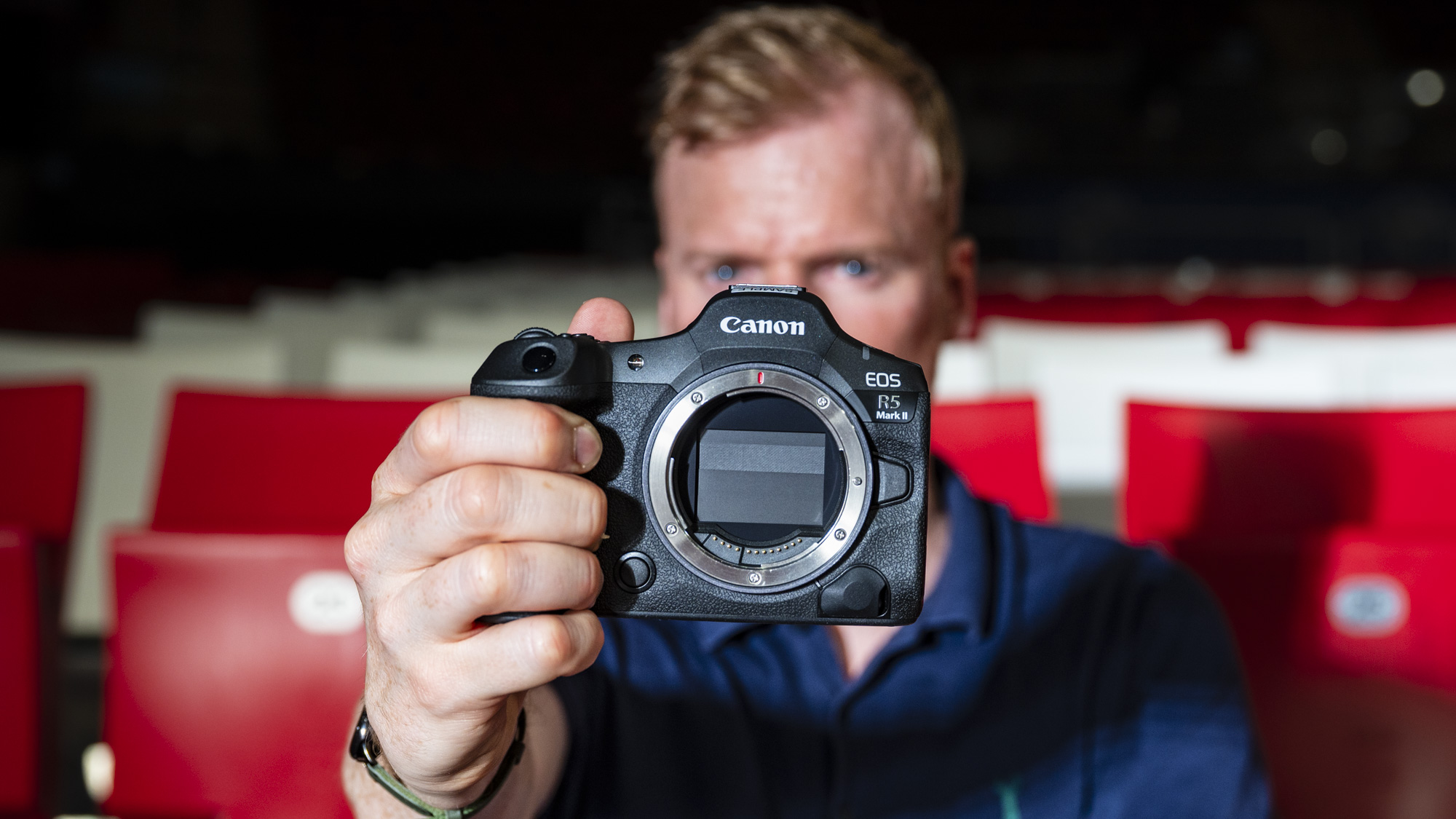
Low-light performance is important for indoor events, concerts, restaurants, street scenes, and night photography. Canon’s full-frame cameras can produce clean images in dim conditions, especially when paired with a fast lens.
A fast lens has a wide maximum aperture, such as f/1.8 or f/2.8. It lets in more light and can help create a softer background. Image stabilization can also reduce blur caused by camera movement when photographing still subjects.
A useful low-light setup may include:
• A full-frame Canon camera
• A 35mm, 50mm, or 85mm prime lens
• A wide aperture
• A shutter speed suited to the subject
• Auto ISO with a sensible maximum limit
Remember that image stabilization does not freeze a moving person. It can reduce camera shake, but a moving subject may still require a fast shutter speed. This is a common mistake among new photographers.
Canon cameras are the best for low-light work when the body and lens are chosen as a pair. Spending all your budget on the camera while using a slow lens may limit your results.
Excellent Video Features
Canon has become a strong choice for video creators, vloggers, filmmakers, and businesses. Many Canon mirrorless cameras offer 4K recording, microphone input, headphone monitoring, image stabilization, and reliable autofocus.
Canon’s video strengths often include:
• Smooth face and eye tracking
• Natural skin tones
• Flip-out screens on many models
• Clear 4K recording options
• External microphone support
• Picture profiles for color grading
• Compact bodies for travel and content creation
For creators, autofocus can be more useful than an impressive specification on paper. A camera that records high resolution but constantly loses focus can create more problems than it solves.
Canon cameras are the best for many video users because they offer a friendly mix of image quality and ease of use. However, you should check the exact model before buying. Some cameras have recording time limits, crop factors in certain modes, rolling shutter, or overheating concerns.
A simple test can help. Record yourself walking toward the camera, speaking near a window, and filming for at least 20 minutes. Check focus, sound, battery life, and comfort before making a final decision.
Comfortable Design and Easy Controls
A camera should feel natural in your hands. Canon is known for comfortable grips, logical button placement, and menus that many users find easy to learn. This matters during long shoots.
A comfortable design can help you:
• Hold the camera more steadily
• Change settings without removing your eye
• Carry the camera for longer periods
• React quickly to changing light
• Avoid hand fatigue during events
Small details often make a large difference. A well-placed control dial may save time. A clear touchscreen may make low-angle shots easier. A deep grip may feel safer when using a heavy telephoto lens.
When testing a camera, do not judge it only by specifications. Hold it with the lens you plan to use. Try the viewfinder. Open the battery door. Move through the menu. These simple checks can reveal whether the camera fits you.
This is one area where the best camera is personal. Canon’s design works well for many people, but hand size, shooting style, and lens weight still matter.
Canon Cameras Offer a Clear Upgrade Path
A good camera system should support your progress. Canon allows many users to begin with an affordable body and later move into better lenses or a more advanced camera.
A sensible upgrade path might look like this:
-
Begin with an entry-level APS-C camera and kit lens.
-
Learn exposure, focus, and composition.
-
Add a fast prime lens for portraits or low light.
-
Add a telephoto lens for sports or wildlife.
-
Upgrade the camera body when your skills or work require it.
-
Keep useful lenses and accessories as part of the system.
This path can save money because lenses may remain useful for many years. It also prevents a common mistake: replacing the camera every time an image does not look right.
Why Canon cameras are the best for long-term users often comes down to this flexibility. The system can grow with your interests, from casual photography to paid work.
Before buying new equipment, review your current problems. If images are blurry, you may need a faster shutter speed. If backgrounds are not soft enough, you may need a wider aperture. If the camera feels slow, then a body upgrade may make sense.
Canon Cameras Are Not Perfect for Everyone
A trustworthy review should explain the limits as well as the benefits. Canon cameras are strong, but they are not automatically the best choice for every photographer.
Possible limitations include:
• Some advanced RF lenses are expensive
• Third-party lens choices may vary by mount and model
• Certain cameras have crop factors or recording limits in specific video modes
• Small bodies may feel less comfortable with large lenses
• High-end models can be costly for casual users
• Older DSLR systems may be less convenient for new buyers than mirrorless systems
Canon also competes with brands that may offer stronger battery life, more compact bodies, faster electronic shutters, or different video features. A photographer who mainly records long-form video may prefer a camera with fewer heat limits. A traveler may prioritize a lighter system.
The fair answer to why Canon cameras are the best is not that Canon wins every comparison. The stronger answer is that Canon offers a balanced, reliable, and well-supported system for a wide range of users.
How to Choose the Best Canon Camera
Start with your subject and budget. Do not begin with the most expensive model. Begin with the work you want the camera to do.
Use this simple process:
-
Choose your main subject, such as portraits, travel, wildlife, sports, or video.
-
Decide whether an APS-C or full-frame sensor fits your budget and needs.
-
Set aside money for at least one useful lens.
-
Check autofocus, stabilization, battery life, and video features.
-
Hold the camera in person if possible.
-
Read independent tests that measure image quality and autofocus.
-
Check the price of extra batteries, memory cards, adapters, and lenses.
For many beginners, an entry-level mirrorless model is enough. Enthusiasts may prefer a mid-range camera with better controls and a larger battery. Professionals may need weather sealing, dual card slots, fast burst shooting, and strong service support.
Why Canon cameras are the best becomes easier to judge when you compare the complete cost. The camera body is only the first purchase. Include lenses, storage, batteries, a bag, and possible repairs in your budget.
Practical Tips for Better Canon Photos
Even the best camera needs thoughtful use. These simple habits can improve your results quickly:
• Use a fast enough shutter speed for moving subjects.
• Keep the focus point over the most important part of the scene.
• Shoot in RAW when you want more editing control.
• Use JPEG when you need quick sharing and small files.
• Clean the lens before important work.
• Format memory cards in the camera after backing up your files.
• Carry a spare battery for long shoots.
• Learn exposure compensation before moving fully into manual mode.
• Test new settings before an important event.
One lesson I often share with photographers is to practice before the pressure arrives. Do not wait until a wedding, vacation, or once-in-a-lifetime trip to learn eye autofocus or change card settings.
Take the same subject in bright light, shade, and indoors. Review the files on a computer. This helps you understand what the camera can do and where your technique needs work.
Why Canon cameras are the best is only part of the story. Your habits, patience, and willingness to learn have an even bigger effect on the final image.
Frequently Asked Questions About Why Canon Cameras Are the Best
Are Canon cameras good for beginners?
Yes, Canon offers beginner-friendly cameras with automatic modes, guided controls, touchscreens, and simple menus. These features help new photographers learn without feeling overwhelmed.
Are Canon cameras better than other brands?
Canon is not objectively better for every person or every use. It is a leading choice because of its autofocus, lens range, color quality, design, and broad selection of camera bodies.
Why do photographers like Canon colors?
Many photographers enjoy Canon’s natural skin tones and balanced color output. The final look still depends on lighting, exposure, picture settings, and editing.
Are Canon mirrorless cameras better than Canon DSLRs?
Canon mirrorless cameras offer newer autofocus systems, electronic viewfinders, and modern video features. Canon DSLRs can still provide excellent image quality, long battery life, and access to many affordable EF lenses.
Which Canon camera is best for portraits?
A Canon camera with reliable eye detection and a fast lens is a strong choice for portraits. A 50mm, 85mm, or similar prime lens can create attractive background blur and flattering perspective.
Are Canon cameras good for video?
Yes, many Canon mirrorless cameras provide 4K recording, face and eye autofocus, microphone support, and flip-out screens. Always check the specific model for overheating, crop, recording time, and stabilization limits.
Why are Canon lenses important?
The lens controls perspective, sharpness, light intake, and background blur. A good lens can improve your images more than moving from one camera body to another.
Conclusion
Canon cameras are the best fit for many photographers because they combine dependable autofocus, pleasing image quality, strong lens choices, comfortable controls, and a clear upgrade path. They work well for beginners, enthusiasts, professionals, photographers, and video creators.
The brand is not perfect, and the right choice depends on your budget, subject, and preferred features. Compare the complete system, test the camera in your hands, and choose the lens that supports the way you really shoot.
Start with the camera you can use confidently, then practice often and grow over time. Explore Canon’s current lineup, compare independent reviews, and share your favorite Canon photography tips in the comments.
Recent Posts
Parts of a 35mm Camera: Complete Guide to Every Key Part and Its Function
Learn the parts of a 35mm camera, what each part does, and how the lens, shutter, film chamber, viewfinder, and controls work together.
Parts of a Camera Canon: A Complete Guide to Canon Camera Parts and Functions
Learn the parts of a Canon camera, what each part does, and how the lens, sensor, shutter, controls, viewfinder, and screen work together.