
A digital camera delivers better image quality, creative control, and lasting value than most phone cameras.
If you are wondering why buy a digital camera in a world filled with powerful smartphones, the answer comes down to control, clarity, and purpose. After comparing camera systems, lenses, sensors, and real-world shooting needs, it is clear that a dedicated camera still offers major benefits for travel, family memories, wildlife, portraits, and creative work. This guide explains the strongest reasons to make the switch and the limits to consider before you spend money.
Why buy a digital camera today?
The main reason to buy a digital camera is that it gives you more control over the image. A phone often chooses the shutter speed, focus, exposure, and color for you. A digital camera lets you make those choices yourself.
That control matters when the light is low, the subject is moving, or the scene needs a special look. You can adjust shutter speed to freeze a child running, change the aperture to blur a background, or raise the ISO when shooting indoors.
A dedicated camera also has a larger sensor than most phones. The sensor is the part that captures light. A larger sensor can usually produce cleaner images, smoother background blur, and better detail in shadows and highlights.
Here are the main reasons many people still choose a digital camera :
:
• Better image quality in many shooting conditions
• More control over exposure and focus
• Interchangeable lenses for different subjects
• Stronger zoom for sports, wildlife, and travel
• Better handling with physical dials and grips
• Higher-quality files for editing and printing
• Longer battery life during serious shooting
• A more focused and enjoyable photography experience
A phone is like a small multitool. It is useful almost everywhere. A digital camera is more like a well-made tool built for one job. It takes more effort, but it can produce a better result when used well.

Digital camera image quality and sensor size
Image quality is one of the clearest answers to why buy a digital camera. Modern phones can take excellent photos in good light, but dedicated cameras still have an advantage in many difficult scenes.
Digital cameras often use larger sensors, such as Micro Four Thirds, APS-C, or full frame. These sensors can collect more light than the tiny sensors found in most phones. More captured light can mean less noise, more natural detail, and better color transitions.
This advantage becomes easy to see in certain situations:
• Indoor events with limited light
• Night scenes with bright lights and dark shadows
• Portraits with a soft, natural background
• Landscapes that need fine texture and detail
• Wildlife photos that require heavy cropping
• Large prints for a wall or exhibition
Phones use computational photography to improve small-sensor images. They combine several frames, sharpen details, reduce noise, and brighten shadows. This technology is impressive, but it can sometimes create artificial textures, halos, or overly smooth faces.
A digital camera usually gives you a more natural starting file. RAW files preserve more image information than standard JPEG files. This gives you greater freedom to correct exposure, white balance, and color during editing.
Still, image quality depends on more than the camera body. The lens, light, focus, technique, and editing skill all matter. A costly camera will not fix poor composition or missed focus.
More creative control over every photo
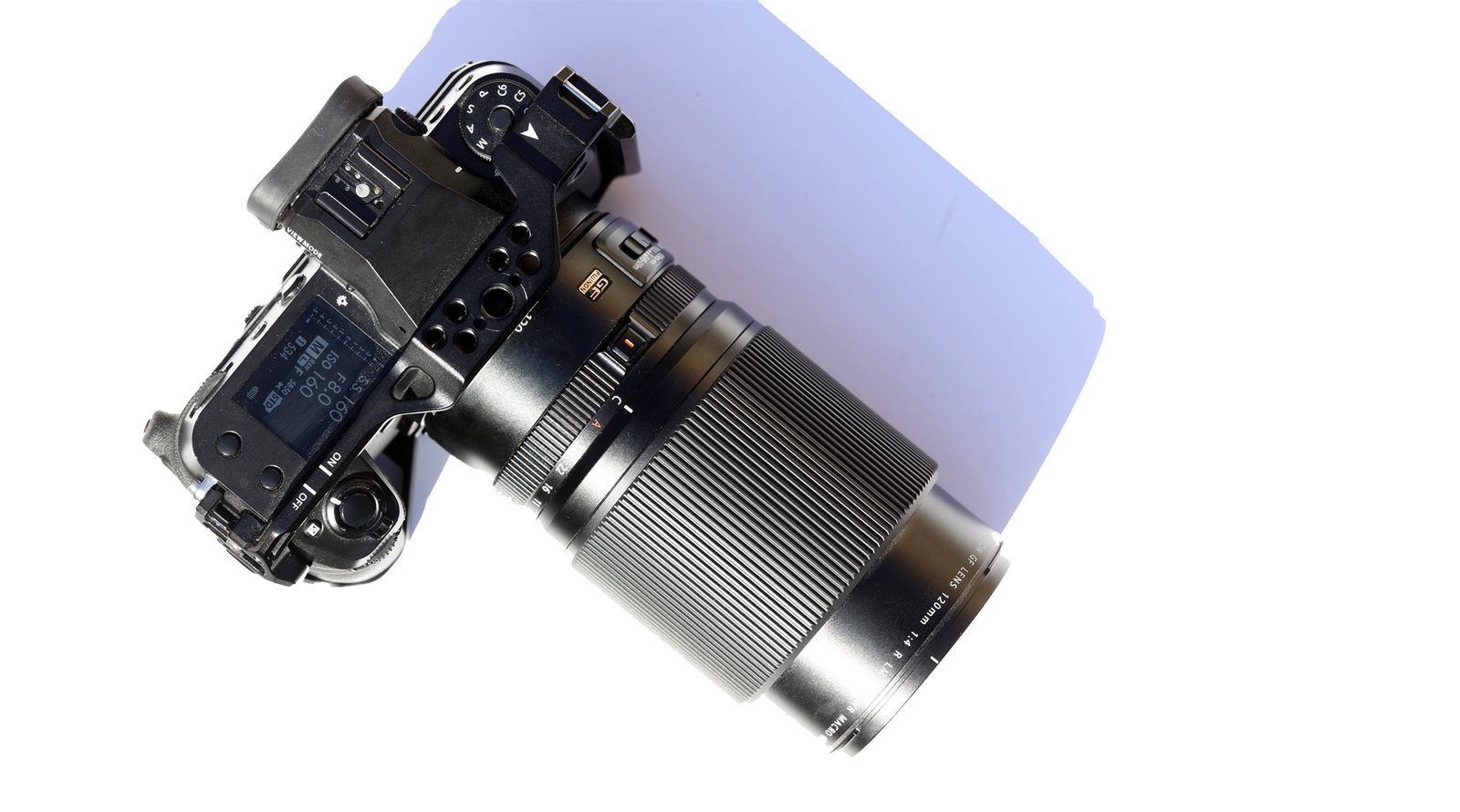
One major reason to buy a digital camera is creative control. Photography becomes more than pressing a button. You can shape the image before you take it.
The three main exposure settings are aperture, shutter speed, and ISO. Together, they control how bright the photo looks and how motion and depth appear.
Aperture
Aperture controls the opening inside the lens. A wide aperture, such as f/1.8, lets in more light and can create a soft background. A narrow aperture, such as f/8, keeps more of the scene sharp.
Shutter speed
Shutter speed controls how long the camera records light. A fast speed can freeze a bird in flight. A slow speed can show smooth movement in waterfalls, traffic, or moving lights.
ISO
ISO controls how strongly the camera uses the available light. A higher ISO helps in dark places, but it can also add grain or noise. Larger sensors often handle high ISO settings better.
Learning these settings may feel difficult at first. In practice, the process is rewarding. You begin to understand why an image looks bright, dark, sharp, blurry, flat, or dramatic.
This is where a camera becomes a creative instrument. It gives you the ability to make a photo match your idea instead of accepting whatever result an automatic mode produces.

Interchangeable lenses expand your options
Another strong answer to why buy a digital camera is the lens system. A phone normally offers a few built-in camera views. A mirrorless or DSLR camera can use many lenses for different purposes.
Common lens types include:
• Wide-angle lenses for buildings, landscapes, and interiors
• Standard lenses for street photos and daily use
• Telephoto lenses for sports, wildlife, and distant subjects
• Macro lenses for insects, flowers, and small objects
• Portrait lenses for flattering facial images
• Fast prime lenses for low light and background blur
A lens can change the mood of a photograph as much as the camera body. A wide lens can make a room feel open. A telephoto lens can compress distance and make a mountain appear closer. A macro lens can reveal details that your eyes may miss.
Interchangeable lenses also let you grow over time. You can start with one affordable lens, learn its strengths, and add another when your interests become clear. This is often better than buying the most expensive equipment at the start.
One mistake many new photographers make is spending too much on the camera body and too little on the lens. A simple camera with a sharp, useful lens can often create better photos than a premium body paired with a weak lens.
Better performance for action, wildlife, and events
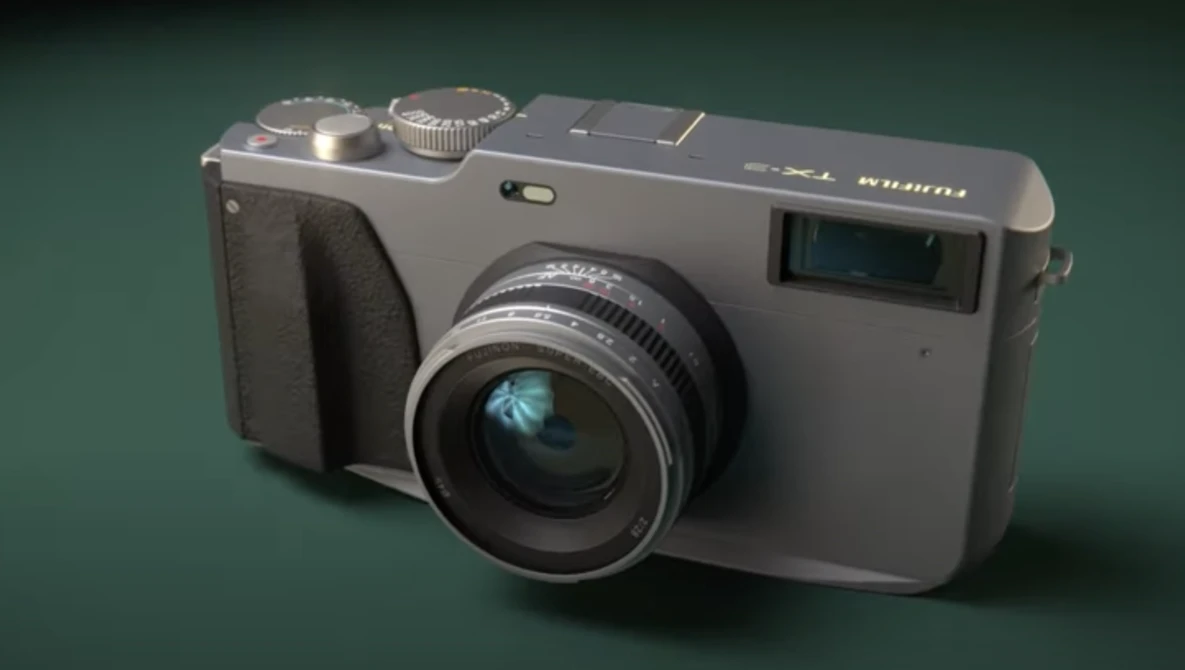
Phones work well for still subjects and quick snapshots. They can struggle when the subject moves fast or stands far away. A digital camera often provides faster autofocus, better burst shooting, and longer optical reach.
Optical zoom uses the lens to magnify the subject. Digital zoom enlarges part of the image and may reduce detail. A camera with a real telephoto lens can capture distant subjects with much better clarity.
A dedicated camera can help with:
• Children playing at sports events
• Birds flying across a bright sky
• Dogs running in a park
• Musicians performing on stage
• Cars moving on a track
• Weddings and other important events
Autofocus systems vary by model. Many modern mirrorless cameras include subject detection for people, animals, cars, and birds. These features can help, but they are not magic. You still need to choose a suitable focus mode and learn how the camera behaves.
From a practical standpoint, this is one of the best reasons to buy a digital camera. Missing a once-only moment is frustrating. A camera with a fast lens, responsive autofocus, and a useful viewfinder can give you a better chance of getting the shot.
A digital camera can improve your photography skills
A phone makes photography easy, which is useful. A digital camera makes you more aware of the process, which can help you improve.
Physical controls encourage you to think about light, distance, focus, and timing. You can adjust a dial without opening a menu. You can look through a viewfinder and block out distractions. This creates a more focused shooting experience.
Many new photographers learn faster when they practice simple exercises:
- Photograph the same subject at several apertures.
- Use different shutter speeds to show or freeze motion.
- Take one scene at low, medium, and high ISO settings.
- Compare a wide lens with a telephoto lens.
- Review missed shots and identify the cause.
A common lesson from photography practice is that better gear helps only after you understand the basics. Composition, light, timing, and patience remain more important than brand names.
The camera also makes it easier to study your work. You can review RAW files, inspect focus, and see how small changes affect the final result. Over time, this turns random snapshots into deliberate photographs.

Digital cameras are useful for travel and family memories
Travel is another practical reason to buy a digital camera. A camera can capture a place with more detail and give you a consistent set of images from a trip.
A compact camera may fit easily in a small bag. A mirrorless camera can offer strong quality without the size of some larger DSLR kits. For travel, consider weight, weather protection, battery life, and lens range before choosing a model.
A digital camera can be especially useful for:
• City streets and historic buildings
• Landscapes and sunsets
• Family gatherings
• Food and local markets
• Outdoor adventures
• Museums and indoor spaces where photography is allowed
There is also an emotional benefit. Using a camera can help you slow down and notice your surroundings. Instead of taking dozens of rushed phone photos, you may look for one strong frame.
However, do not buy a camera that is too large for your lifestyle. If the equipment stays at home, it cannot record your memories. A smaller camera that you carry often may be a better choice than a professional kit that feels heavy.
Digital camera photos are better for editing and printing
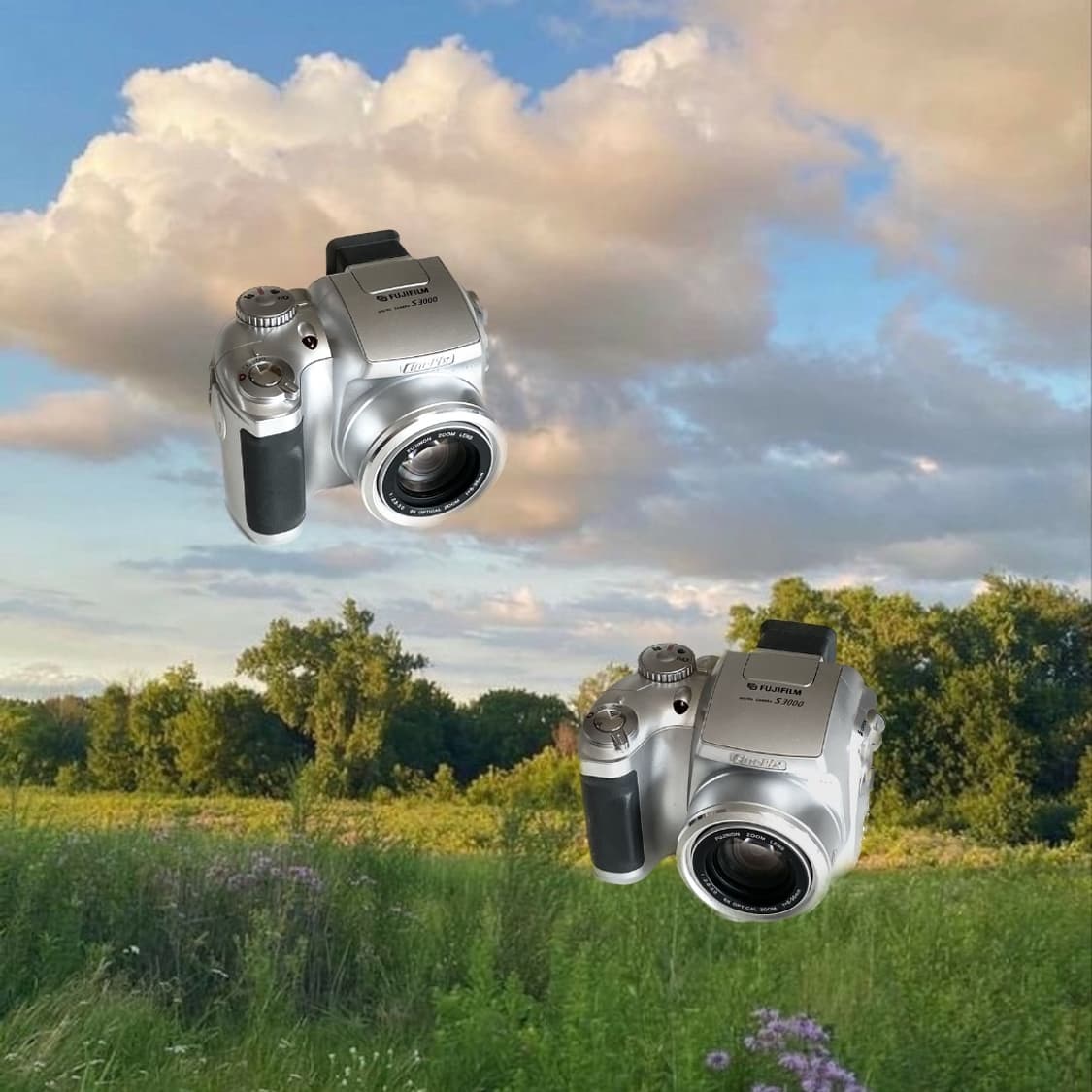
If you plan to edit photos or create large prints, a digital camera can offer important advantages. Larger files provide more detail and more room to crop.
RAW files are especially useful for serious editing. They can preserve information in bright and dark areas that may be lost in a compressed JPEG. With editing software, you can adjust exposure, color, contrast, highlights, and shadows.
This does not mean every photo must be edited heavily. Small changes can make an image look more natural and balanced. A good workflow often includes:
• Backing up files in two places
• Keeping original RAW files
• Applying basic exposure and color corrections
• Exporting smaller copies for social media
• Saving high-quality versions for printing
Digital camera files can also support photo books, framed prints, calendars, and gifts. Images that look fine on a phone may appear soft when printed large. A camera with enough resolution gives you more flexibility.
File size is a limitation. RAW files use more storage and need processing. You may also need a computer, card reader, and backup drive. These costs should be part of your budget.
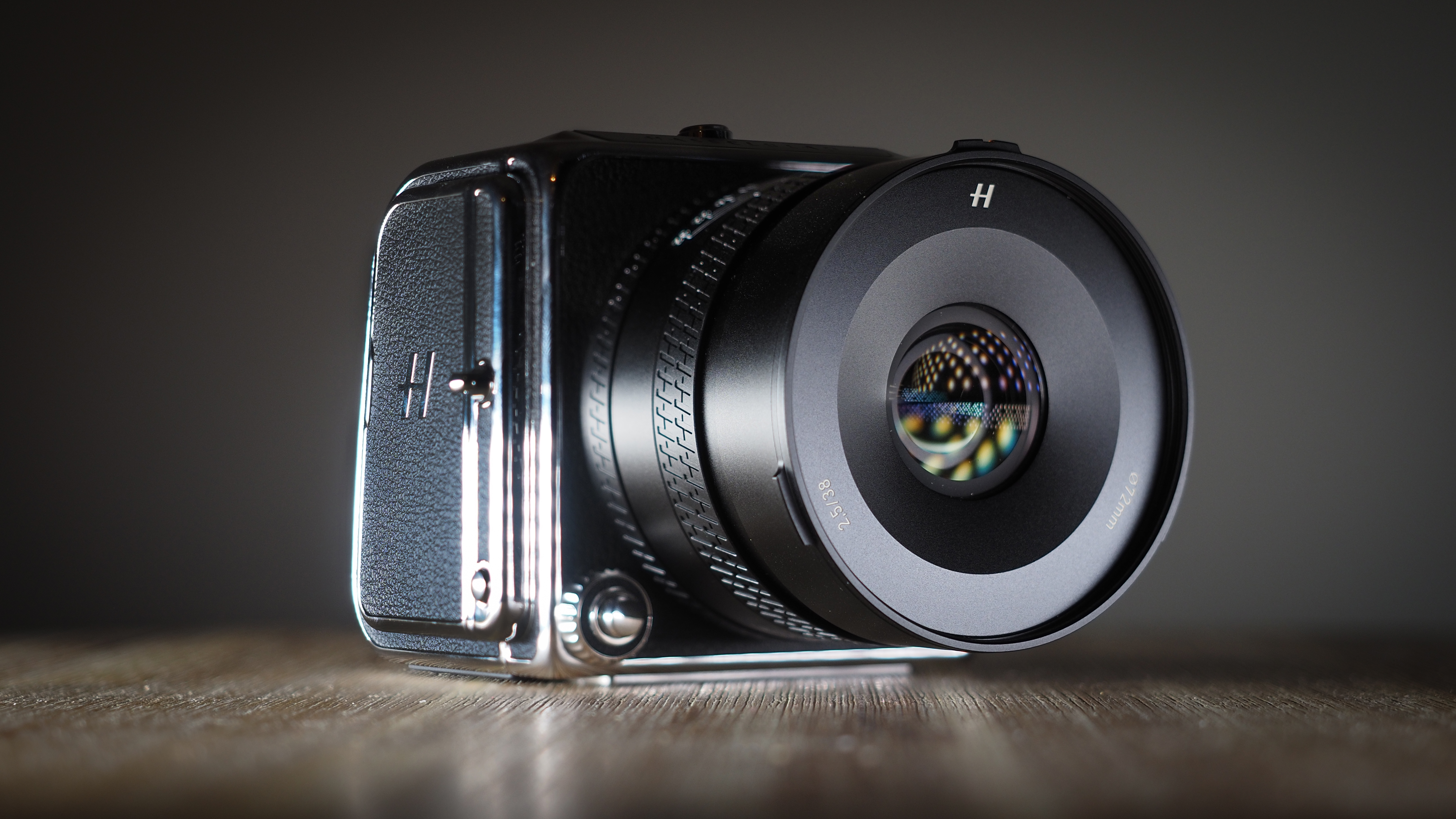
Digital camera versus smartphone camera
The choice between a phone and a digital camera depends on your needs. Neither option wins in every situation.
A smartphone is usually better for speed, convenience, automatic sharing, and casual photos. It is always with you and can produce attractive results with little effort.
A digital camera is usually better for control, lens choice, long zoom, natural depth of field, fast action, and high-quality editing. It also offers a more comfortable grip and dedicated controls during long shooting sessions.
Choose a smartphone if:
• You want simple point-and-shoot photos
• You share images at once
• You value a light travel setup
• You do not want to learn manual settings
• Most of your photos are for small screens
Consider a digital camera if:
• You want to learn photography
• You photograph sports or wildlife
• You need strong low-light performance
• You want to print large images
• You need interchangeable lenses
• You enjoy making photos, not just recording moments
For many people, the best answer is to use both. Your phone can handle everyday snapshots, while your camera can serve special trips, creative projects, and important events.
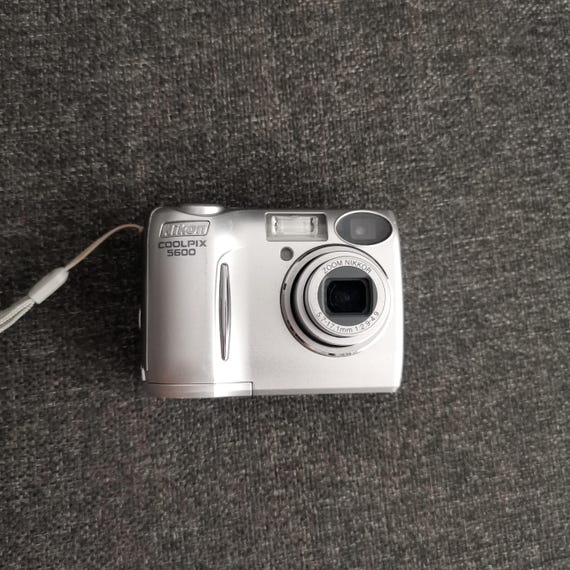
What are the limits of buying a digital camera?
A balanced guide to why buy a digital camera must also discuss the disadvantages. Dedicated cameras require more money, time, and care than phones.
The total cost may include:
• Camera body
• One or more lenses
• Memory cards
• Spare batteries
• Camera bag
• Tripod
• Cleaning tools
• Editing software
• Storage and backup drives
There is also a learning curve. You may need time to understand exposure, focus modes, lens choice, and file management. The camera may feel confusing during the first few weeks.
Size is another concern. A camera and lens can be heavier than a phone. Some models also attract attention in public places. Weather, theft, and damage are real risks when carrying expensive equipment.
Technology changes as well. New models may offer better autofocus, video features, or sensors. This can make it tempting to upgrade too often. In most cases, improving your technique and buying a better lens will provide more value than replacing a working camera every year.
How to choose the right digital camera
The best camera is the one that fits your goals, hands, and budget. Start with your subject, not the brand.
Use this simple process:
- Decide what you photograph most.
- Set a complete budget for the body and lens.
- Choose between a compact, mirrorless, or DSLR design.
- Test the grip, buttons, menu, and viewfinder if possible.
- Check lens prices and availability.
- Read independent reviews and sample image tests.
- Buy only the features you will use.
Mirrorless cameras are popular because they are often compact and offer modern autofocus and electronic viewfinders. DSLRs can still be excellent, especially on the used market, with strong battery life and a large range of affordable lenses. Compact cameras are useful when portability matters most.
Look for features that match your needs:
• Weather sealing for outdoor work
• Image stabilization for handheld shooting
• A tilting screen for low or high angles
• A good electronic viewfinder
• Comfortable controls
• Reliable autofocus
• 4K video if you plan to record video
• Wi-Fi or Bluetooth for easy transfers
Try to hold the camera before buying it. Comfort is not a minor detail. A camera that feels natural will encourage you to use it more often.
Mistakes to avoid when buying a digital camera
Many buyers focus on megapixels alone. Megapixels describe image resolution, but they do not tell the whole story. Sensor size, lens quality, autofocus, image processing, and shooting technique also affect the result.
Other common mistakes include:
• Buying a professional body without learning basic settings
• Choosing a heavy kit for casual travel
• Ignoring the cost of lenses
• Skipping spare batteries and memory cards
• Failing to back up important photos
• Buying based only on online popularity
• Expecting automatic modes to solve every problem
• Spending more on gear than your needs require
A useful rule is to leave part of your budget for practice and accessories. A basic photography course, extra battery, or reliable storage drive may help more than a small upgrade in camera resolution.
Used equipment can offer excellent value. Check the shutter count when relevant, inspect the sensor and lens glass, test all buttons, and buy from a seller with a clear return policy. Avoid deals that seem far below the normal market price.
Is buying a digital camera worth it?
Buying a digital camera is worth it when you want more than convenience. It can be a smart investment in a skill, a creative hobby, or a professional service.
The value is not only in the camera. It is in the moments you learn to see. A camera can encourage you to explore light, visit new places, document family life, or build a portfolio.
It may not be worth it if you only need quick photos for messaging and social media. In that case, a modern smartphone may meet your needs with less cost and effort.
The best choice depends on how often you will use it. Ask yourself:
• What subjects do I want to photograph?
• What does my phone fail to capture well?
• Will I carry a camera often?
• Do I want to learn manual control?
• Can I afford the full system, not just the body?
If your answers point toward creative control, better reach, or stronger image quality, buying a digital camera can be a rewarding choice.
Frequently Asked Questions About Why Buy a Digital Camera
Why buy a digital camera instead of using a phone?
A digital camera offers a larger sensor, better lens choices, manual controls, and stronger performance for many low-light or action scenes. A phone is more convenient, but a camera gives you greater control and flexibility.
Are digital cameras still worth buying?
Yes, digital cameras are still worth buying for photography enthusiasts, travelers, families, and professionals who need quality and control. Modern phones are excellent for casual use, but they do not replace every camera and lens combination.
Is a mirrorless camera better than a DSLR?
Neither is always better. Mirrorless cameras often provide newer autofocus systems and smaller designs, while DSLRs can offer long battery life, optical viewfinders, and good value on the used market.
Do digital cameras take better pictures than smartphones?
They can, especially in low light, with moving subjects, at long distances, or when large prints are needed. However, a skilled photographer using a phone can still create better photos than a beginner using expensive camera equipment.
What should a beginner look for in a digital camera?
A beginner should look for comfortable handling, simple controls, reliable autofocus, affordable lenses, and useful stabilization. Choose a camera that fits your budget and interests rather than buying the most advanced model.
Do digital cameras need expensive lenses?
Not always. Many affordable kit lenses produce sharp and useful images. As your skills grow, you can add specialized lenses for portraits, wildlife, landscapes, or low-light photography.
Conclusion
The strongest reasons to buy a digital camera are better control, larger sensors, interchangeable lenses, improved action performance, and greater editing flexibility. A camera can also make photography more engaging by helping you slow down, learn, and create images with purpose.
A smartphone may be enough for quick daily photos, but a digital camera is a better fit when you want to explore photography or capture challenging subjects. Start with a camera that feels comfortable, choose one useful lens, and practice often.
Compare a few models, set a realistic budget, and focus on the type of photos you want to make. Then take your first camera on a real outing and share your favorite results with others.
Recent Posts
Parts of a 35mm Camera: Complete Guide to Every Key Part and Its Function
Learn the parts of a 35mm camera, what each part does, and how the lens, shutter, film chamber, viewfinder, and controls work together.
Parts of a Camera Canon: A Complete Guide to Canon Camera Parts and Functions
Learn the parts of a Canon camera, what each part does, and how the lens, sensor, shutter, controls, viewfinder, and screen work together.