
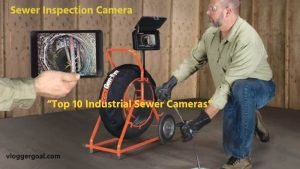
When it comes to inspecting clogged or damaged pipes, nothing beats the precision and convenience of a sewer inspection camera. Whether you’re a professional plumber, a maintenance technician, or a DIY homeowner, having the best sewer inspection camera can save you hours of guesswork and hundreds of dollars in unnecessary repairs.
These advanced cameras allow you to see inside your drain and sewer lines in real time, helping you identify blockages, cracks, root intrusions, and other hidden issues without digging or dismantling pipes. But with so many models available, choosing the right one can be confusing. Should you go for a wired system or a wireless one? Do you need a long cable, 1080p resolution, or a recording feature?
In this article, we’ll explore everything you need to know before buying the best sewer inspection camera, including key features, top-rated models, and expert recommendations to help you make a smart and informed choice for your next plumbing inspection.
What is a sewer camera?
A sewer camera is one of the most essential and revolutionary tools in modern plumbing. Simply put, it’s a specialized, waterproof camera attached to a flexible cable that plumbers use to see exactly what’s happening inside your pipes, drains, and sewer lines without having to dig up your yard.
This technology has transformed how plumbing issues are diagnosed and resolved, moving the industry away from guesswork and towards pinpoint accuracy.
How Does a Sewer Camera Work?
The operation of a sewer camera is quite straightforward, making it highly effective:
Insertion: The plumber inserts the camera, which is mounted on the end of a long, flexible push cable, into the sewer line through an access point, such as a cleanout.
Navigation: The plumber gently maneuvers the cable through the pipe system, often covering hundreds of feet of pipe. The flexibility of the cable allows it to navigate tight bends and elbows.
Illumination and Recording: The camera is typically equipped with powerful LED lights to illuminate the dark interior of the pipes. It transmits a live video feed to a monitor viewed by the technician above ground. Most systems can also record the footage for later review or for sharing with homeowners and insurance companies.
Pinpointing Location: Advanced sewer cameras often feature a built-in radio transmitter. When the camera reaches a problem area, the technician can use a locating device above ground to pinpoint the camera’s exact location, depth, and distance. This is crucial for no-dig repairs.
Best sewer inspection camera
Industrial sewer inspections demand cameras that are rugged, accurate, and feature-rich. In 2025, several models stand out for their performance, usability, and reliability in harsh environments. Below are ten top-rated industrial sewer cameras, along with pros, cons, and key use-case notes.
1. Ridgid SeeSnake: Compact M40 Reel Sewer Camera
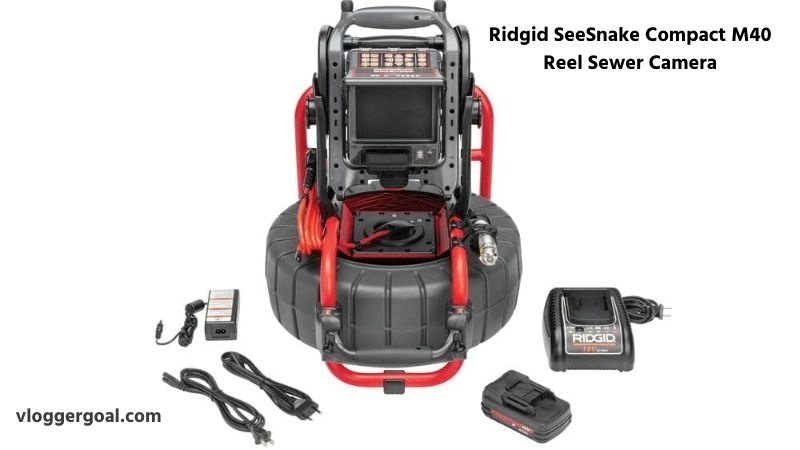
Why it’s a top pick: A self-leveling camera with TruSense technology makes it excellent for diagnosing issues in drains without confusion over orientation.
Main Highlights:
- Built for professionals with rugged design
- Compatible with longer cable reels
- High-contrast LCD monitor
- cable reels and accessories make full systems bulky
- plumbing professionals who need reliable industrial gear
- It’s listed on Home Depot among highly rated sewer camera systems.
2. Milwaukee M18/M12: Modular Pipeline Sewer Camera Kits
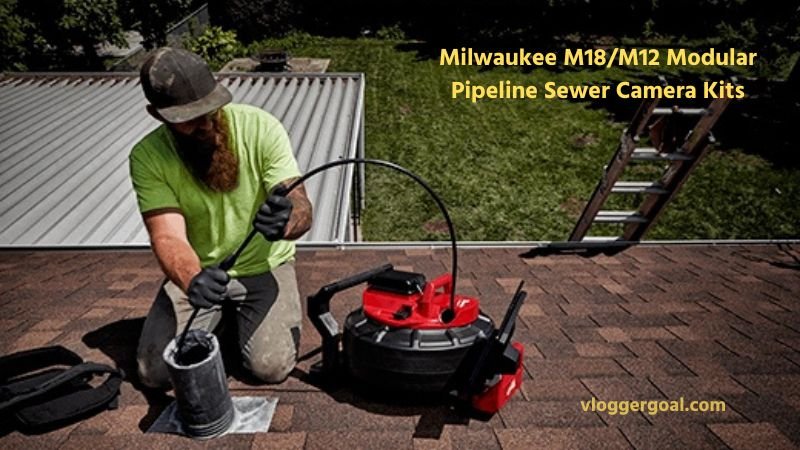
Why it stands out: Offers modular flexibility with battery-powered operation, making it more portable for large-scale job sites.
Main Highlights:
- Operates on 18V or 12V battery systems
- Designed for deeper pipes and longer runs
- LED lighting and durable construction
- Battery life under heavy use might require spares
3. Ridgid CA-25: Micro Visual Inspection Camera
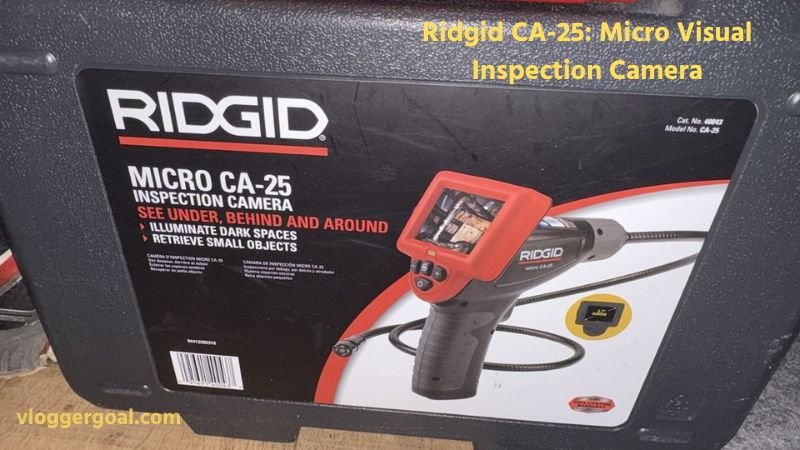
Why it’s useful: A compact inspection head ideal for starting points or tight-entry applications.
Main Highlights:
- 2.7″ color display
- Waterproof cable
- Useful as a diagnostic “probe” before deploying large reels
- Short reach only, not for deep runs
- quick checks or pipe junctions
4. Hathorn Industrial Sewer Camera Systems
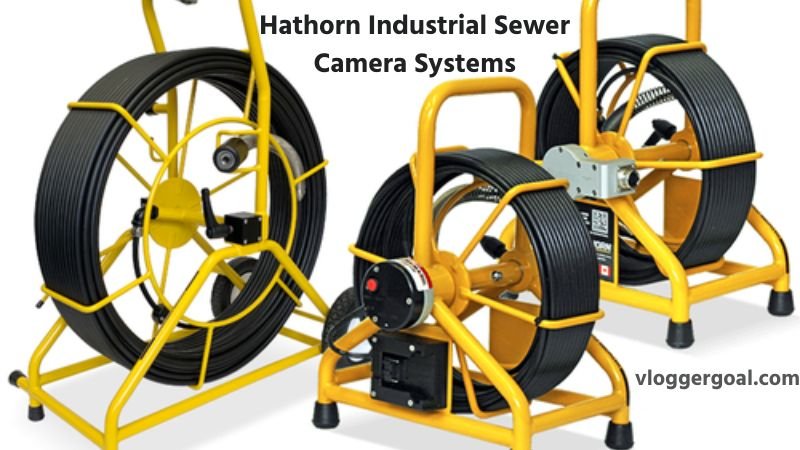
Why choose it: Known for industrial-grade robustness, long push rods, and advanced control modules.
Main Highlights:
- Push rods up to 500 feet
- Rugged DuraCAM heads
- Ultrawide LED lighting
- High cost, suited for large systems
- municipal or large infrastructure inspections
- Hathorn is marketed as durable, precise, and top-tier for professionals.
5. Qyteco: Compact HD Sewer Camera Systems
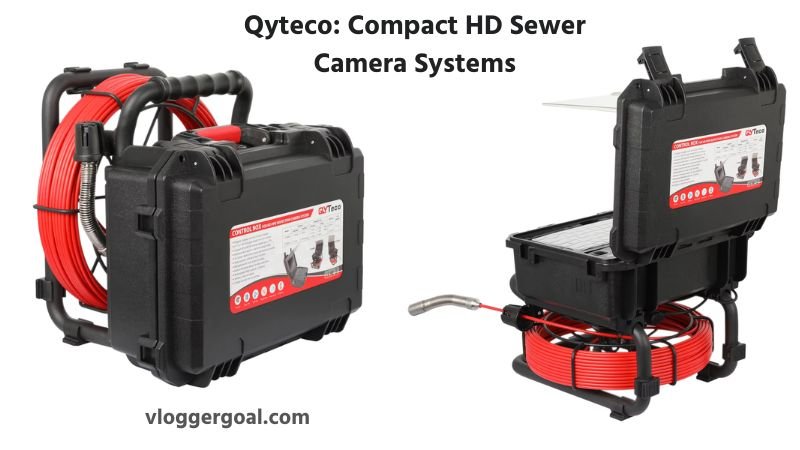
Why it’s notable: Combines high-definition imaging, self-leveling, and a 512 Hz sonde in a compact form.
Main Highlights:
- 13.3″ monitor options
- 6.8 mm cable push rod
- Price–performance balance for industrial use
- Smaller camera head limited to certain pipe diameters Best for: industrial users needing HD visuals in constrained spaces
- Qyteco lists compact models with self-leveling technology.
6. VEVOR: Sewer Pipe Camera
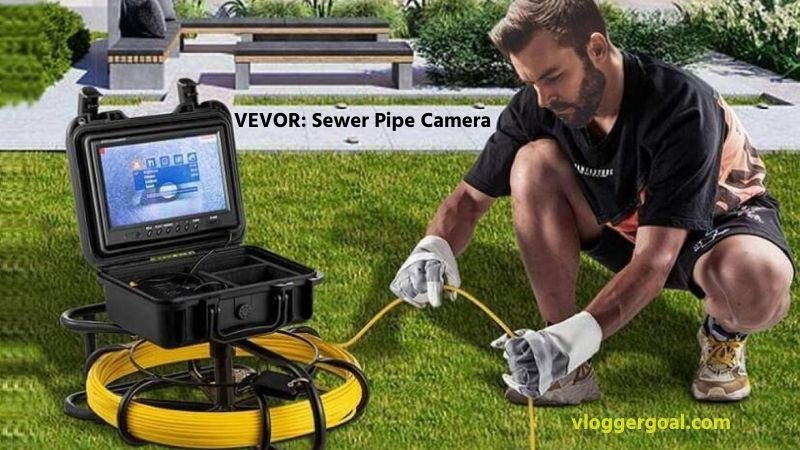
Why it’s highlighted: Offers a large screen and long cable at a cost-effective price.
Main Highlights:
- 720p camera head
- 300 ft cable with DVR and 512 Hz locator
- Head resolution lower than HD; suitability depends on inspection precision
- mid-to-larger industrial runs where reach is critical
- User reviews note the screen brightness works well outdoors.
7. Ridgid SeeSnake: CA-350 & High-End Reel Systems
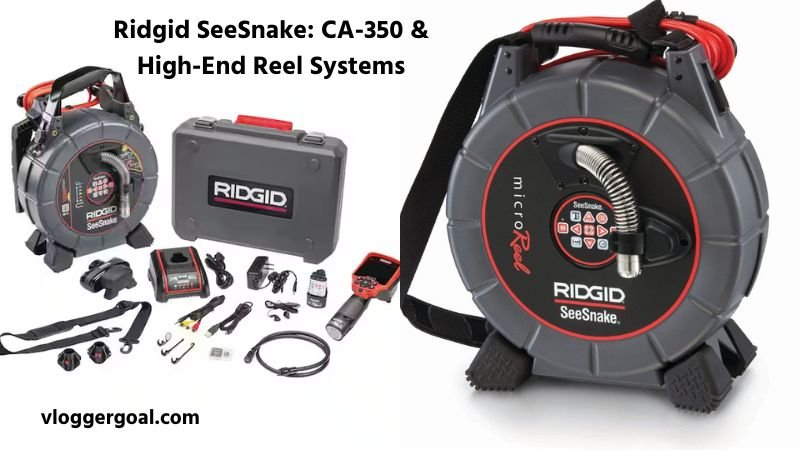
Why recommended: The CA-350 is great for 1.5″ to 6″ drains, while full SeeSnake reel systems can reach deeper sewers.
Main Highlights:
- Uses 17 mm imager
- Expandable into full reels for deeper inspections
- Rugged design
- Extension reels needed for large sewer lines
- hybrid usage across small- to medium-sized piping systems
- Endorsed by plumbing tool suppliers for routine pipeline inspections.
8. Forbest: Professional Sewer Camera Systems
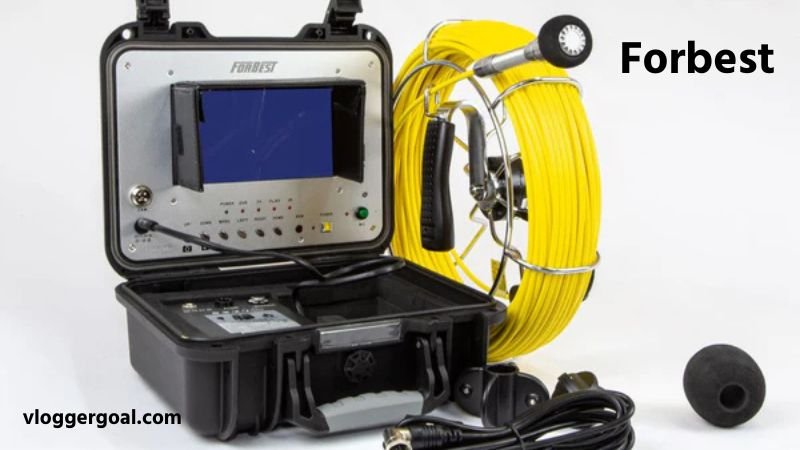
Why it makes the list: Known in plumbing circles for precision systems with features like real-time distance tracking.
Main Highlights:
- Large color monitor
- Long push cables
- Professional-grade build
- Requires full kit investment
- contractors who document inspections and require advanced utility features
- Forbest cameras are sold through plumbing suppliers.
9. Rothenberger: ROCAM & ROSCOPE Series
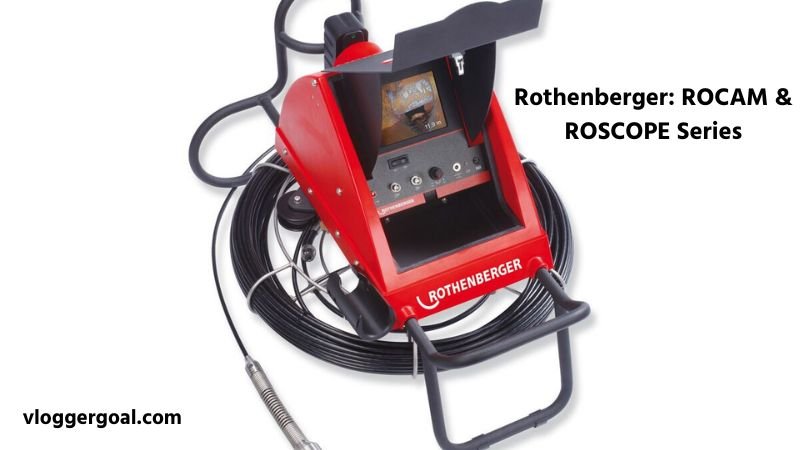
Why it’s a professional staple: Built for heavy-duty use, with interchangeable camera heads and robust control modules.
Main Highlights:
- Large monitors, long reels
- Durable, interchangeable heads
- High-end image quality
- Price more suited to professional shops
- industrial plumbing firms & large infrastructure
- Rothenberger appears in plumbing inspection guides as top-tier gear.
10. Bosch: Professional Inspection Cameras
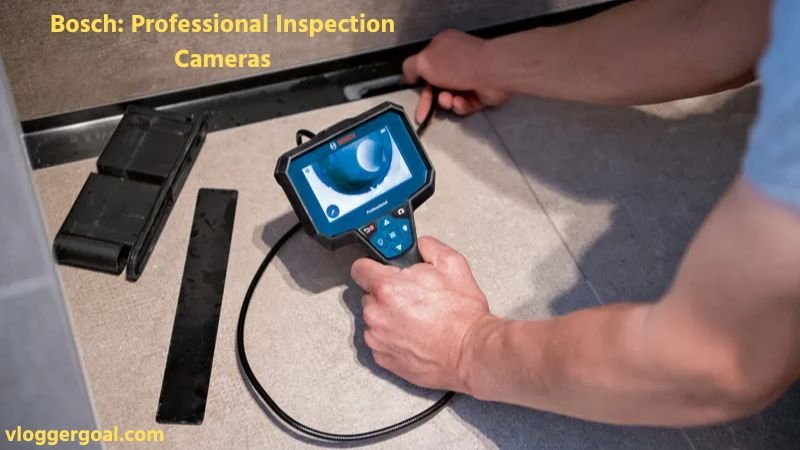
Why it makes sense: Bosch’s inspection gear integrates into their existing tool ecosystem, which is good for medium industrial tasks.
Main Highlights:
- Wireless & wired inspection options
- Integrated memory and live feed
- Durability from tool-grade build
- Lower cable reach compared to full reel systems
- teams already using Bosch power tool ecosystems
- Bosch is listed in inspection camera guides.
Selecting the right sewer camera depends on the specific needs of your inspections. For high-resolution imaging and durability, models like the Ridgid SeeSnake Compact M40 and Insight Vision Opticam 4K are top choices. If budget is a concern, the Anysun 165 ft Sewer Camera and Kngiybo 9″ Sewer Camera offer essential features at a more affordable price point. Consider the scale of your inspections, desired features, and budget to choose the best sewer camera for your needs.
How to Choose the Best Sewer Camera?
Selecting the best sewer camera is not just about price; it’s about performance, durability, and accuracy. Whether you’re a professional plumber or a homeowner who loves DIY maintenance, understanding the key features will help you make a smart investment. Let’s dive into the essential factors you should consider before purchasing your next sewer inspection camera.
Choosing the best sewer camera system requires understanding the features that truly determine performance underground. A cheap camera might offer a picture, but a quality system offers reliable diagnostics. Here are the key specifications you must evaluate:
1. Screen (Monitor) Size and Resolution
The monitor is your window to the pipe, making its size and quality paramount for accurate diagnosis.
- Optimal Size: While smaller, portable screens (7-inch) are common, look for monitors in the 9-inch to 10-inch range. A larger screen minimizes eye strain and makes subtle defects much easier to spot.
- Resolution: Opt for high-definition or at least monitors offering high resolution. Poor resolution can turn a crucial pipe defect into a blurry smudge, leading to a misdiagnosis.
- Sun Visor and Brightness: Ensure the monitor has an adjustable sun visor and adequate brightness controls, as most inspections happen outdoors.
2. Camera Head Specifications
The camera head is the “eye” of the system, and its design dictates what you can see and where you can go.
- Diameter: The head’s diameter determines which pipes you can inspect. Common sizes range from 0.9 inches (23 mm) to 1.5 inches (38 mm). If you frequently inspect residential drains, choose a smaller head for navigating residential traps and bends. For municipal or large industrial lines, a larger, heavier head is necessary.
- Illumination: The camera must have powerful, adjustable LED lights. Proper lighting is essential to overcome the pitch blackness of drain lines and accurately capture pipe condition.
- Lens Material: Look for a durable lens protected by scratch-resistant sapphire glass to withstand abrasion from sediment and debris inside the pipes.
3. Built-in Battery Life and Portability
Reliability often comes down to battery life, especially on long jobs or when access to power is limited.
- Duration: Choose a camera with a long-lasting, built-in rechargeable Li-ion battery. A battery life of 5 to 8 hours is considered standard and reliable for a full day of inspections.
- Portability: The entire system, including the cable reel and monitor, should be housed in a durable, weatherproof case that is easy to transport across rough terrain.
4. Distance Counter Function
This is one of the most critical diagnostic features. The meter counter tracks how far the camera head has traveled inside the pipe.
- Functionality: The counter displays the distance directly on the screen’s live feed.
- Value: When the camera reaches a blockage or break, the plumber notes the exact distance. This data is essential for pinpointing the location for repair or cleaning, ensuring you dig in precisely the right spot.
5. 512 Hz Transmitter and Receiver
This pair is crucial for no-dig diagnostics and cost-effective repairs.
- 512 Hz Sonde: This is a small radio transmitter embedded in the camera head. When activated, it emits a specific, low-frequency radio signal (512 hertz).
- Receiver: The technician uses a handheld locator tool (receiver) above ground to track and “read” the 512 Hz signal. This allows them to mark the exact surface point directly above the camera head, along with its depth.
- Benefit: This function eliminates guesswork and enables highly targeted excavation or trenchless repair. If you plan to perform repairs, this feature is non-negotiable.
6. Self-Leveling Function
The self-leveling feature ensures the video feed is always upright, regardless of how the camera head rotates within the pipe.
- Functionality: The camera head uses internal weights or gyroscopic technology to keep the image consistently level on the monitor.
- Value: This dramatically improves the clarity of the inspection report. Instead of seeing upside-down or sideways images, the technician can accurately document the top and bottom of the pipe, making it easier to identify issues like water lines or pipe sag.
7. Waterproof Rating and Durability
The entire system must be built to withstand extremely harsh, wet, and abrasive environments.
- IP Rating: Look for a high IP rating, such as IP68. This rating confirms the camera head is fully sealed and protected against continuous immersion in water and fine particulate matter.
- Cable Material: The push rod or cable coil should be constructed from a strong, non-kinking fiberglass or nylon composite to ensure it maintains rigidity for pushing but remains flexible for navigating bends.
8. Coil (Push Rod) Length
The length of the cable determines how far into the system you can inspect.
- Standard Residential: For typical residential lateral lines, a coil of 100 to 130 feet is often sufficient.
- Commercial/Municipal: For longer runs or commercial properties, you may need a coil ranging from 200 feet to 400 feet.
- Consideration: Longer coils are heavier and more cumbersome, so match the coil length to your typical job requirements to maximize portability.
Choosing the best sewer inspection camera means finding a balance between clarity, durability, and functionality. Features like self-leveling, distance counter, and 512 Hz transmitter may seem advanced, but they can save hours of work and deliver more accurate results.
Whether you’re inspecting residential drains or industrial pipelines, understanding these features will help you select the perfect camera for your job—one that delivers reliability, precision, and long-term performance.
Best 5 Sewer Camera Brands in 2025
Finding the right sewer camera isn’t just about buying a tool; it’s about investing in diagnostic accuracy, job efficiency, and client trust. As technology advances in 2025, the market demands better battery life, higher resolution, and seamless integration with locating equipment.
We’ve analyzed the market leaders based on durability, technological innovation, customer support, and overall performance in tough underground conditions. Here are the best 5 sewer camera brands of 2025, chosen for their reliability and cutting-edge features.
1. RIDGID
RIDGID remains the undisputed heavyweight champion in the professional plumbing space. The brand’s presence is synonymous with job-site durability and reliable performance.
- Why They Lead: RIDGID’s SeeSnake line is the benchmark for professional-grade systems. They are known for their rugged construction, making them nearly indestructible in harsh sewer environments.
- 2025 Edge: Their integrated systems work seamlessly, providing crystal-clear digital images that interface directly with the powerful RIDGID SeekTech locators, ensuring minimal time spent searching for breaks.
- Best For: Plumbers and contractors requiring the highest level of reliability, legendary durability, and widespread service support.
2. CUES
CUES cameras are designed for large-scale, heavy-duty inspection, often favored by municipal utility departments and specialized industrial contractors.
- Why They Lead: CUES systems are engineered for inspecting large diameter pipes (up to 72 inches) and offer unparalleled precision and robust features not typically found in standard commercial units.
- 2025 Edge: They lead in robotics and high-definition tilting/panning camera heads, offering the capability to inspect lateral joints and perform detailed structural analysis within massive mainline sewers.
- Best For: Municipalities, large-scale industrial projects, and specialized pipe inspection firms that need heavy-duty, state-of-the-art diagnostic power.
3. VIVAX-METROTECH
Vivax-Metrotech is highly respected not just for their cameras but for their exceptional locating technology, which is the other half of the diagnostic equation.
- Why They Lead: Their camera systems are designed to integrate perfectly with their industry-leading locators. The focus is on providing the most accurate depth and location reading possible for the camera head’s transmitter.
- 2025 Edge: VIVAX systems often feature advanced distance-measuring capabilities and robust, flexible push rods that are excellent for navigating complex residential and commercial traps and bends.
- Best For: Plumbers who prioritize pinpoint locating accuracy and require dependable performance in both small-diameter residential lines and commercial lateral inspections.
4. FORBEST
Forbest has carved out a strong position in the market by offering robust, feature-rich cameras without the premium price tag of RIDGID or CUES. They represent excellent value for the money.
- Why They Lead: They consistently deliver necessary professional features, such as self-leveling heads, 512 Hz transmitters, and long battery life, packaged in durable, portable cases.
- 2025 Edge: Forbest is popular among independent contractors and service technicians for its competitive pricing, making advanced diagnostic technology accessible to mid-sized businesses and serious DIY property managers.
- Best For: Independent plumbers, new companies, and contractors seeking a reliable, high-value camera system that delivers professional results without overspending.
5. WOHLER
Wohler, a German-engineered brand, is gaining significant traction for its focus on compact design, superior image quality, and excellent ergonomics, making fieldwork less taxing.
- Why They Lead: Their inspection systems are often lighter, easier to carry, and feature intuitive, high-resolution monitors. The quality of the components is often top-tier.
- 2025 Edge: Wohler emphasizes smart design, with modular components that allow technicians to quickly swap out camera heads or adjust cable lengths for different pipe sizes, maximizing on-site versatility.
- Best For: HVAC and chimney specialists who also inspect drains, or plumbers looking for a premium, ergonomically designed system optimized for tight residential access points.
Final Verdict
- Choosing the “best” brand ultimately depends on your application:
- For the highest durability and industry-wide support, go with RIDGID.
- For the best balance of professional features and budget, FORBEST is an excellent choice.
- If your business hinges on locating buried lines, look to VIVAX-METROTECH.
Regardless of the brand, always confirm the camera you select includes 512 Hz locating capabilities and a self-leveling camera head to ensure accurate, profitable inspections in 2025.
Benefits of Sewer Camera Inspection
A sewer camera inspection isn’t just a troubleshooting step; it’s a vital piece of preventive maintenance and diagnostic technology that saves homeowners and businesses significant time, money, and hassle. By inserting a waterproof camera into your drainage pipes, plumbers can gather comprehensive, visual data about the health of your system.
Here are the most significant benefits of opting for a video pipe inspection:
1. Pinpoint Accuracy, Zero Guesswork
The days of digging up a yard to “find the leak” are over. The primary benefit of a camera inspection is the ability to precisely locate the problem.
- Accurate Identification: The live video feed clearly shows the exact nature of the blockage, whether it’s tree roots, grease buildup, debris, or a foreign object.
- Exact Location: Modern sewer cameras are equipped with a radio transmitter. This allows the technician above ground to pinpoint the camera’s precise location and depth, meaning any required digging or repair is confined to a tiny, specific area.
2. Significant Cost Savings
While an inspection has an upfront cost, it almost always leads to massive savings on repairs and future damages.
- Avoid Unnecessary Digging: Because the problem is precisely located, you avoid the high cost and extensive landscaping damage associated with trenching. Plumbers can often use less invasive, trenchless repair methods.
- Faster Repair Times: Diagnosis is immediate and definitive, allowing the repair team to arrive with the right tools and materials, drastically reducing labor time and overall cost.
3. Early Detection and Prevention
A camera inspection acts as a preventative health check for your plumbing system, catching small issues before they become disastrous and expensive emergencies.
- Identifying Structural Damage: The camera can spot minor cracks, offsets, deteriorated joints, or pipe corrosion before they lead to serious leaks or a complete pipe collapse.
- Preventing Backups: By identifying early signs of grease or sediment buildup, the plumber can recommend targeted drain cleaning (like hydro-jetting) to prevent future, costly sewage backups into your home.
4. Essential Pre-Purchase Due Diligence
For anyone buying a new or old property, a sewer scope inspection is non-negotiable and provides critical peace of mind.
- Negotiating Power: If the inspection reveals major pipe damage, you gain crucial leverage to negotiate the sale price or demand the seller cover the repair costs.
- Avoiding Hidden Liabilities: You won’t inherit an expensive, hidden problem. An inspection reveals the true condition of the home’s connection to the main municipal sewer line, saving you from a surprise $10,000+ repair bill shortly after moving in.
In summary, a sewer camera inspection transforms pipe maintenance from a risky guessing game into a clear, strategic process. It is the smartest way to protect your property value and your wallet.
FAQs
What is the best sewer inspection camera?
The best sewer inspection camera is one that offers clear video quality, long cable reach, a durable waterproof design, and easy connectivity. Popular choices include models from Teslong, Ridgid, Depstech, and Anysun, depending on your budget and usage type.
What features should I look for in a sewer inspection camera?
When choosing the best camera, look for:
- High-resolution lens (1080p or higher)
- LED lighting for dark pipes
- Long flexible cable (50–200 feet)
- Waterproof and durable design
- Real-time video display or wireless app support
- Recording and storage options
Which sewer inspection camera is best for professionals?
For plumbers and contractors, the Ridgid SeeSnake, HeyeFox Pro, or Forbest Drain Camera System are considered the best professional-grade options. They offer high-quality imaging, long cables, and rugged construction for heavy use.
What is the best budget sewer inspection camera for home use?
For DIY homeowners, affordable models like the Teslong USB Endoscope or Depstech WiFi Inspection Camera offer great value. These models connect easily to smartphones or tablets and work well for small drain and pipe inspections.
Are wireless sewer inspection cameras reliable?
Yes. Wireless sewer inspection cameras are reliable for short to medium pipe lengths. They connect via WiFi or Bluetooth, allowing users to view live footage on smartphones. However, for long pipes, a wired system provides a more stable signal.
How much does a high-quality sewer inspection camera cost?
The price of a top-rated sewer camera ranges from $150 to $2,000 depending on quality, cable length, and professional features. DIY models are cheaper, while industrial-grade systems are more expensive due to advanced technology and durability.
Can I record video with a sewer inspection camera?
Yes, most modern sewer cameras include built-in DVR or SD card recording features. This allows you to review footage later or share it with clients, contractors, or insurance companies.
Are sewer inspection cameras waterproof?
Absolutely. All sewer inspection cameras are designed to be fully waterproof (IP67 or higher) to withstand wet, dirty, and corrosive pipe environments during inspections.
How long should a good sewer inspection camera cable be?
For residential use, a 50–100 ft cable is usually enough. For commercial or industrial plumbing work, look for cameras with 150–300 ft cable length to inspect long sewer lines efficiently.
Where can I buy the best sewer inspection camera?
You can buy top-rated sewer inspection cameras from Amazon, Home Depot, Lowe’s, or manufacturer websites like Ridgid or Teslong. Always check user reviews and warranty details before purchasing.
Conclusion
Choosing the best sewer inspection camera ultimately depends on your needs, budget, and how frequently you plan to use it. For professional plumbers and contractors, investing in a durable, high-resolution camera with a long cable and recording capability is well worth the cost. On the other hand, DIY homeowners can easily find affordable yet reliable options that provide excellent visibility and wireless connectivity.
A good sewer camera not only helps you detect blockages, leaks, and damages quickly but also saves you time, effort, and expensive repair costs in the long run. Whether you’re inspecting your home drainage system or tackling a commercial plumbing job, having the right inspection camera ensures accuracy and peace of mind.
By understanding the key features and comparing top-rated models, you can confidently choose the best sewer inspection camera that fits your purpose—one that delivers clear visuals, reliable performance, and long-lasting durability for years to come.
Recent Posts
Parts of a 35mm Camera: Complete Guide to Every Key Part and Its Function
Learn the parts of a 35mm camera, what each part does, and how the lens, shutter, film chamber, viewfinder, and controls work together.
Parts of a Camera Canon: A Complete Guide to Canon Camera Parts and Functions
Learn the parts of a Canon camera, what each part does, and how the lens, sensor, shutter, controls, viewfinder, and screen work together.