The DJI Osmo Pocket 3 is the best blogger camera for smooth video, clear sound, and easy travel shooting.
You may know the problem: your phone feels too limited, while a large camera feels hard to carry and slow to set up. A good blogger camera solves that gap. It should start fast, keep your face in focus, record steady video, and fit into a small bag. I compared these cameras for travel vlogs, YouTube videos, TikTok clips, product reviews, and daily content. I looked at image tools, sound options, screen design, ease of use, battery details, and overall value.
See the differences between my top picks at a glance.
| Camera | Video Focus | Screen / Lens | Best For | Quick View | Buy |
|---|---|---|---|---|---|
| DJI Osmo Pocket 3 | 4K up to 120fps | 1-inch sensor, 3-axis gimbal | Serious vloggers | Best overall | View on Amazon |
| Sony ZV-1F | 4K video | 1-inch sensor, 20mm lens | Wide selfie video | Best Sony option | View on Amazon |
| CGXUED Mini Camcorder | Portable vlog video | 180-degree rotating lens |
Simple travel use | Best low-cost kit | View on Amazon |
| 4K 330° Pocket Camera | 4K video, face tracking | 1.72-inch touch screen | TikTok and YouTube | Feature-rich value | View on Amazon |
| Lmzour 4K Vlogging Camera | 4K video | 330-degree rotating lens | Travel creators | Best starter bundle | View on Amazon |
| Duluvulu 4K Camera | 4K video and photos | 180-degree flip screen | Photos and family vlogs | Best simple camera | View on Amazon |
| 4K Pocket Camera with 128GB | 4K at 30fps | 330-degree lens, touch screen | Long recording days | Best included storage | View on Amazon |
| 2K Rotating-Lens Camera | 2K video | 180-degree lens, 1.69-inch screen | Basic daily vlogs | Best budget pick | View on Amazon |
DJI Osmo Pocket 3 Creator Combo
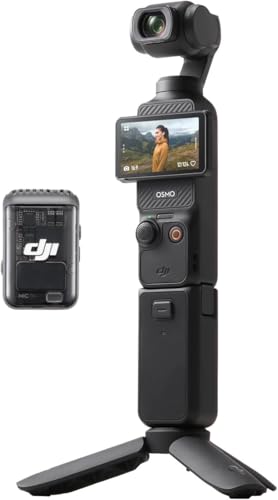
The DJI Osmo Pocket 3 is the strongest all-around choice in this guide. Its 1-inch sensor can capture more light than the small sensors found in many basic pocket cameras. That helps when you film indoors, at sunset, or in a room with mixed light. The built-in 3-axis gimbal also helps keep walking footage smooth.
The camera supports 4K video up to 120 frames per second in the listed slow-motion mode. Its rotating screen makes it easy to switch from a normal view to a selfie view. The Creator Combo adds useful tools for sound and shooting, including a microphone option. I recommend it for creators who want a polished result without carrying a large mirrorless camera.
Pros:
- Large 1-inch sensor for stronger low-light results
- Built-in 3-axis stabilization for smooth walking shots
- 4K video with a high-frame-rate slow-motion mode
- Rotating screen helps with self-recording
- Fast focusing and subject-following tools
- Creator Combo offers a more complete filming setup
Cons:
- Costs more than basic compact vlog cameras
- Small body may take time to learn
- Small batteries and high-quality video can increase power use
What Amazon Buyers Are Saying
Buyer feedback commonly focuses on the smooth gimbal, sharp video, compact size, and simple setup. Many users like the way the camera follows a person while they move. Some buyers also value the included sound tools in the Creator Combo. Common concerns include the higher price, small controls, and the need to learn the best settings for each shooting mode.
My Recommendation
I recommend the DJI Osmo Pocket 3 for serious YouTube creators, travel vloggers, and anyone who wants strong video in a tiny body. It is worth the higher cost if smooth footage and clean sound matter to you.
Sony ZV-1F Compact Digital Camera

The Sony ZV-1F is a compact camera made with creators in mind. Its 1-inch sensor gives it a clear advantage over many low-cost digital cameras. The fixed 20mm lens gives a wide view, which helps when you hold the camera at arm’s length. It also works well for indoor talking videos and desk-based content.
This Sony model records 4K video and offers features aimed at vlog work. The wide lens can include more of your room, a guest, or a product in the frame. Its simple design suits users who want better control than a phone but do not need an interchangeable lens system. Keep in mind that a fixed lens gives less framing choice than a zoom camera.
Pros:
- 1-inch sensor supports clear detail and better light control
- Wide 20mm lens suits selfie recording
- 4K video for YouTube and social media
- Compact body fits small camera bags
- Strong brand support and a familiar creator-focused design
Cons:
- Fixed lens limits close and distant framing choices
- Built-in stabilization is not the same as a gimbal
- Extra sound and grip accessories may raise the total cost
What Amazon Buyers Are Saying
Amazon feedback often praises the image quality, wide view, small size, and ease of use. Buyers who move from a phone tend to like the added camera controls. Some users report that the fixed lens needs careful placement in small rooms. Buyers also point out that a small camera battery may require a spare battery or a USB power source during long sessions.
My Recommendation
The Sony ZV-1F is a strong choice for indoor creators, solo vloggers, and users who want a wide selfie view. It is worth buying when you prefer Sony image quality and do not need a zoom lens.
CGXUED Mini Camcorder

The CGXUED mini camcorder aims to keep vlogging simple. Its 180-degree rotating lens helps you frame yourself without guesswork. The one-button recording design can help new users start quickly. The listed package includes a 32GB card, which gives you a ready-to-use setup for short trips and daily clips.
Another useful point is the listed seven-hour battery claim. Actual use can vary with screen brightness, recording mode, and battery age, so I would still carry a power bank for a long day. This camera makes more sense for casual videos than for demanding professional work. It is small, direct, and easy to share with a new creator or student.
Pros:
- 180-degree lens supports easy selfie framing
- One-button recording is friendly for beginners
- Listed seven-hour battery rating suits long casual sessions
- 32GB card adds value at setup
- Small body works well for travel and daily clips
Cons:
- Small camcorder sensor may struggle in low light
- Video tools are less advanced than those on DJI or Sony
- Included storage may fill fast with high-quality clips
What Amazon Buyers Are Saying
Buyer comments for this type of mini camcorder often focus on its light body, simple controls, included card, and useful rotating lens. New creators usually value the quick start process. The most common limits buyers mention with budget cameras are low-light softness, basic built-in sound, and a less polished result than a premium camera. Check current reviews for the latest user experience before buying.
My Recommendation
I recommend the CGXUED for casual vloggers who want a low-cost kit with useful basics. It is a practical first camera, but serious creators should choose DJI or Sony for stronger image control.
4K 330-Degree Pocket Vlogging Camera

This pocket camera combines several features that new social creators often want. The listing highlights 4K video, face tracking, fast autofocus, Wi-Fi, and a 1.72-inch touch screen. Its 330-degree rotating lens gives you more freedom when you change from front-facing to outward-facing shots. The camera also lists a high photo-resolution mode for still images.
I see this model as a feature-rich budget option. Face tracking can help keep a speaker in the frame, though results may change with movement and light. Wi-Fi can make transfers easier, but phone apps and wireless speeds vary. It fits TikTok, YouTube Shorts, travel clips, and simple product demonstrations well.
Pros:
- 4K video option for sharper online content
- 330-degree rotating lens offers flexible framing
- Face tracking helps with solo recording
- Fast autofocus suits moving subjects
- Wi-Fi supports convenient sharing
- Touch screen keeps menu control simple
Cons:
- High photo numbers do not guarantee better image quality
- Digital zoom can reduce detail when used heavily
- Small sensors may need good light for the best result
What Amazon Buyers Are Saying
Feedback around this style of camera often praises the rotating lens, touch screen, and easy phone sharing. Users who make short clips tend to like the number of tools offered at a low price. Some buyers may find that autofocus and face tracking work best in bright scenes. As with many compact budget cameras, sound quality and low-light output deserve close review.
My Recommendation
This is a good pick for a beginner who wants many creator features without paying for a premium camera. I would choose it for social clips and travel videos, not for demanding cinematic work.
Lmzour 4K Vlogging Camera

The Lmzour 4K camera is built for creators who want a small bundle. The product listing includes a 16GB card, mini tripod, and carrying bag. Its 330-degree rotating lens helps with front and rear shooting. Auto subject framing and Wi-Fi sharing can make a simple travel workflow faster.
The included mini tripod is useful for desk videos, hotel-room updates, and group shots. The 4K label sounds appealing, but I suggest filming in good light and testing sound before an important trip. This camera offers good starter value for users who want to begin without buying many accessories.
Pros:
- 4K recording option for online video
- 330-degree rotating lens supports flexible shooting
- Auto subject framing helps solo creators
- 16GB card is included
- Mini tripod and carrying bag improve the starter kit
- Wi-Fi sharing supports quick transfers
Cons:
- 16GB storage is modest for long 4K sessions
- Small camera sensors need good lighting
- Built-in audio may not suit noisy outdoor scenes
What Amazon Buyers Are Saying
Buyers usually look for convenience in bundles like this one. The tripod, bag, rotating lens, and wireless sharing are the features most likely to attract new vloggers. Users may also note that the camera is easy to carry and set up. Complaints with entry-level kits often relate to storage limits, app connection steps, and sound in busy places, so read current reviews with your intended use in mind.
My Recommendation
I recommend the Lmzour for travel beginners who want a complete kit at a sensible price. It is a better value when you need a tripod and bag right away.
Duluvulu 4K Digital Camera

The Duluvulu 4K digital camera focuses on simple photography and video. It lists autofocus, a 180-degree flip screen, two batteries, an SD card, and 16X digital zoom. The 3-inch screen gives you a larger view while you frame a shot. That makes it useful for family videos, beginner photography, and basic YouTube work.
The flip screen is the key creator feature. It lets you check your position while recording yourself. Two batteries can also reduce downtime during a day out. I would not treat the 48MP number as a full measure of image quality; lens quality, light, focus, and processing matter just as much.
Pros:
- 4K video supports detailed online clips
- 180-degree flip screen helps with self-recording
- Two batteries are useful for travel days
- Autofocus makes basic shooting easier
- 3-inch display is comfortable for framing
- Digital zoom adds reach for casual subjects
Cons:
- Digital zoom can lower image detail
- Small-sensor performance may drop in dim rooms
- It lacks the gimbal stabilization found on the DJI
What Amazon Buyers Are Saying
Buyers who want an affordable camera for family use and beginner content often value the two-battery package and flip screen. The simple controls can appeal to teens and first-time users. Some users may expect premium results from the high photo-resolution claim and then notice limits in low light. Good lighting and steady hands will help this camera produce its best work.
My Recommendation
The Duluvulu is a sensible starter camera for photos, family videos, and simple vlogs. Buy it when ease and included batteries matter more than advanced stabilization or professional control.
4K Pocket Camera with 128GB Card

This 4K pocket camera stands out because the listed package includes a 128GB card and tripod. It records 4K at 30 frames per second and includes a 330-degree rotating lens. Face tracking, Wi-Fi, a 1.7-inch touch screen, and 18X digital zoom add useful tools for new creators.
The large memory card can help if you record many short clips before transferring files. Still, storage does not replace battery life, and 4K files can use space quickly. The included tripod suits fixed shots, desk content, and group photos. I see this as a practical kit for YouTube Shorts, TikTok, and casual travel videos.
Pros:
- 4K video at 30fps for everyday content
- 128GB card gives generous included storage
- 330-degree rotating lens supports self-shooting
- Face tracking helps keep the subject visible
- Tripod adds useful hands-free recording
- Wi-Fi supports file sharing
Cons:
- Digital zoom may reduce clarity at high levels
- 1.7-inch screen is smaller than some compact cameras
- Low-light results may not match a premium 1-inch camera
What Amazon Buyers Are Saying
Buyers often appreciate the generous card, tripod, small body, and number of features in this kit. These extras can lower the cost of starting a channel. Some users may find the menu or wireless connection less smooth than a major camera brand. As with other budget models, buyers should test the included card, battery, and audio before an important recording.
My Recommendation
I recommend this camera for creators who want long recording capacity and useful accessories in one box. It offers strong starter value, especially for short-form video and travel diaries.
2K Rotating-Lens Vlogging Camera

This 2K vlogging camera is aimed at buyers who want a low-cost, simple tool. The 180-degree rotating lens helps with selfie videos, while the 1.69-inch screen gives you a direct view of the shot. The listing also includes Wi-Fi app control, a 32GB card, and a seven-hour battery claim.
Its 2K video output sits below the 4K models in this guide, but it can still suit social posts and daily diaries. Lower video demands may also make file handling easier for a new user. I would choose this model for casual use, children, travel notes, and a first step into content creation. Keep expectations realistic in low light and busy scenes.
Pros:
- Lower price can suit first-time creators
- 180-degree lens helps with selfie framing
- Listed seven-hour battery supports longer casual use
- 32GB card is included
- Wi-Fi app control can simplify transfers
- Compact body is easy to carry
Cons:
- 2K video has less detail than 4K options
- Small screen may feel tight for precise framing
- Basic sound and low-light performance may limit advanced use
What Amazon Buyers Are Saying
Budget-camera buyers often like the low price, simple controls, rotating lens, and included storage. The compact body also works well for casual travel. Some users may find that app pairing takes patience or that the camera needs strong light for clean footage. If you plan to build a professional channel, I would spend more on a camera with better stabilization and sound support.
My Recommendation
This is the best budget blogger camera in the group for simple daily clips. It is worth buying for beginners, but it is not my first choice for polished YouTube work.
How to Choose the Best Blogger Camera
The best blogger camera depends on your filming style. A travel creator needs a small body and steady video. A desk creator may care more about sound, autofocus, and a flip screen. Before you buy, match the camera to the way you plan to shoot.
1. Match the Sensor and Video Mode to Your Content
Resolution matters, but it is not the only measure of quality. A 4K camera can give you more detail than a 2K model, yet light and lens quality still affect the final clip. A larger sensor, such as the 1-inch sensor in the DJI Osmo Pocket 3 and Sony ZV-1F, usually gives you more room in difficult light.
For outdoor travel videos, 4K is useful if your computer and editing app can handle the files. For quick social posts, 2K may be enough. Also check frame rates. A higher frame rate can help with smooth slow motion, while 30fps suits many normal talking videos.
2. Check Selfie Framing, Focus, and Stabilization
A blogger camera should make solo filming easy. A flip or rotating screen lets you see your face before you press record. Face tracking and autofocus can help when you walk, show a product, or move around a room.
Stabilization matters most for travel and walking shots. The DJI uses a 3-axis gimbal, which gives it a clear advantage for movement. Budget cameras may rely on digital or electronic tools, so use a mini tripod or grip when possible. A wide lens also helps, but it can show more of the room behind you.
3. Compare Sound, Battery, Storage, and Total Value
Viewers may forgive a small drop in image quality, but poor sound can make a video hard to watch. Check whether the camera supports an external microphone or includes a microphone in the package. Film a short test before you record a full project.
Battery life depends on the mode, screen, temperature, and wireless use. Carry a spare battery or power bank for long days. Look at the included card, too. A 128GB card holds more video than a 16GB card, but storage needs vary by resolution and recording time.
Finally, compare the full kit price. A low-cost camera may need a tripod, card, light, and microphone. A more expensive bundle may include many of these tools. The best value is the camera that gives you the features you will use often.
Final Verdict: Which Should You Buy?
The DJI Osmo Pocket 3 is my top choice and the best blogger camera for most serious creators. Choose the Sony ZV-1F for a wide selfie view, or a budget pocket model for simple daily clips.
Buy for your real filming style, not just a high megapixel number. The right blogger camera should make recording easy, steady, and enjoyable.
FAQs Of best blogger camera
What is the best blogger camera for beginners?
The DJI Osmo Pocket 3 is the best overall choice, but the CGXUED or 2K rotating-lens camera may suit beginners with a smaller budget.
Is 4K necessary for a blogger camera?
No. 4K gives more detail, but 2K or Full HD can work well for social posts and simple daily videos.
Which blogger camera is best for travel?
The DJI Osmo Pocket 3 is excellent for travel because it is small and has built-in 3-axis stabilization. The Lmzour is also useful when you want a tripod and carrying bag.
Does a blogger camera need a flip screen?
A flip or rotating screen helps you check your face and framing while recording alone. It is not required, but it makes solo filming easier.
Should I choose a camera with a large megapixel number?
No. Sensor size, lens quality, light, focus, and image processing often matter more than the listed megapixel number.
How can I improve sound from a blogger camera?
Record in a quiet place, stay close to the camera, and use an external microphone when the camera supports one.
Recent Posts
Wondering what camera do most vloggers use? Compare popular vlogging cameras, key features, and budget-friendly options before you buy.
Find out what is the most popular vlogging camera and compare the best features, performance, and value for creating standout videos.