
Mirrorless cameras are taking over because they offer faster performance, smarter features, and smaller bodies than most DSLRs.
The shift from DSLR to mirrorless is not just a passing trend. It reflects a major change in how photographers work, travel, record video, and share images. After years of testing different camera systems, I have seen mirrorless models grow from a niche choice into the main option for beginners, professionals, and content creators. This guide explains why are mirrorless cameras taking over, where they still have limits, and how to decide if one fits your needs.
What Is a Mirrorless Camera?
A mirrorless camera is a digital camera that does not use the mirror and optical viewfinder system found in a DSLR. Light passes through the lens and reaches the image sensor directly.
The sensor sends a live image to an electronic viewfinder or the rear screen. This design removes several mechanical parts and allows the camera body to be smaller, quieter, and more flexible.
A DSLR uses a mirror to reflect light into an optical viewfinder. When you press the shutter, the mirror flips up before the photo is captured. A mirrorless camera skips this step, which helps explain why are mirrorless cameras taking over so quickly.
Key features of a mirrorless camera include :
:
• An electronic viewfinder that shows a live preview
• Real-time exposure and white balance previews
• Fast autofocus across much of the image area
• Electronic or mechanical shutter options
• Smaller and lighter camera bodies
• Easy access to modern wireless features
Mirrorless cameras are available with Micro Four Thirds, APS-C, full-frame, and medium-format sensors. This range gives buyers many choices, from small travel cameras to high-end professional systems.

Why Are Mirrorless Cameras Taking Over?
The main reason why are mirrorless cameras taking over is simple: they combine image quality, speed, video performance, and smart technology in one system.
DSLRs are still capable cameras. Many produce excellent photos and have long battery life. Yet mirrorless cameras have gained ground because they match or exceed DSLR performance in several areas that matter to modern users.
The change is also linked to the way people create content today. A camera may be used for still photography, live streaming, short videos, interviews, social media, and travel. Mirrorless systems are built for this mixed workflow.
Industry shipment reports have shown a long-term decline in DSLR production and sales, while mirrorless camera demand has grown. Camera makers have also shifted research, marketing, and lens development toward mirrorless systems. That support gives buyers more reasons to move.
Smaller and lighter camera bodies
A mirror box and optical prism take up space inside a DSLR. Mirrorless cameras remove those parts, so the body can often be shorter and lighter.
The size difference is not always dramatic, especially with a large lens. Still, a small camera body can make a real difference during a long trip, wedding, hike, or street photography session.
I noticed this during travel shoots. A lighter body made it easier to carry a second lens and spare battery. I was also more likely to bring the camera with me, which matters because the best camera is often the one you actually carry.
Better electronic viewfinders
An electronic viewfinder, or EVF, shows a digital preview of the image. It can display exposure, color, focus, and shooting information before you press the shutter.
This is useful for beginners because the viewfinder can show how bright or dark the final image may look. It also helps experienced photographers work faster in changing light.
A modern EVF may offer:
• Exposure simulation
• Focus peaking
• A live histogram
• Face and eye detection indicators
• White balance previews
• Review images without lowering the camera
An EVF does not feel exactly like an optical viewfinder. Some photographers still prefer the clear, natural view of a DSLR. However, the EVF advantage is one of the clearest answers to why are mirrorless cameras taking over.
Faster and smarter autofocus
Autofocus has changed greatly in recent years. Early mirrorless cameras were often criticized for weak tracking and poor performance in low light. Current models are much better.
Many mirrorless cameras can detect and track:
• Human eyes
• Faces
• Birds
• Dogs and cats
• Cars and motorcycles
• Aircraft
• Trains
• Insects
The camera can recognize a subject and keep focus on it as it moves. This is valuable for sports, wildlife, family photos, events, and video.
DSLRs can still focus quickly through their dedicated autofocus sensors. Yet mirrorless cameras can use the main imaging sensor for focus across a wider part of the frame. That gives photographers more freedom to place a subject away from the center.
Excellent video performance
Video is a major reason why are mirrorless cameras taking over. Many mirrorless cameras support 4K recording, high frame rates, log profiles, microphone inputs, headphone monitoring, and advanced autofocus.
A DSLR can record good video, but mirrorless systems tend to offer a more complete video experience. The electronic viewfinder and rear screen also make it easier to monitor exposure and focus while recording.
A hybrid shooter can use one camera for:
• Family photos
• YouTube videos
• Product reviews
• Weddings
• Interviews
• Travel films
• Livestreams
This flexibility is important in a market where photographers are often expected to create both photos and video.
Silent shooting
Many mirrorless cameras offer an electronic shutter mode. This can let you take photos with little or no sound.
Silent shooting is useful at:
• Weddings
• Museums
• Theaters
• Wildlife locations
• Quiet ceremonies
• Street scenes
It is not perfect for every situation. Fast movement can produce rolling shutter distortion, where straight lines appear bent. Artificial lights can also cause flicker or banding. Still, silent shooting adds a valuable option that many photographers enjoy.
Real-time exposure previews
With a DSLR optical viewfinder, you see the scene as it appears to your eyes. With an EVF, you can preview the effect of shutter speed, aperture, ISO, and exposure compensation.
This helps reduce guesswork. If you raise the exposure compensation, the viewfinder can show a brighter preview. If you use a slow shutter speed, you can see how the image may look before taking it.
For beginners, this can shorten the learning curve. For professionals, it can speed up work in difficult light.

Mirrorless Cameras Offer More Than Smaller Size
It is easy to think that the mirrorless advantage is only about size. In reality, the technology inside the camera changes how you shoot.
Mirrorless cameras work more like small computers with lenses attached. Their sensors, processors, and software help with focus, stabilization, image processing, and subject recognition.
In-body image stabilization
Many mirrorless cameras include in-body image stabilization, often called IBIS. The camera moves the sensor to reduce the effect of hand shake.
IBIS can help you use slower shutter speeds when photographing still subjects. It is useful in low light, indoors, and during handheld video.
Stabilization does not freeze a moving person or animal. It only reduces camera movement. You still need a fast shutter speed for action.
Some systems combine sensor stabilization with optical stabilization in the lens. When both work together, the result can be very effective.
Advanced computational features
Mirrorless cameras increasingly use software to improve the shooting process. These features may include subject recognition, focus stacking, pixel-shift modes, in-camera upscaling, and automatic correction of lens flaws.
Some cameras can also pre-capture images before you fully press the shutter. This can help with unpredictable moments, such as a bird taking flight or a child blowing out birthday candles.
These tools do not replace skill. They act more like helpful assistants. You still need to choose the right composition, light, lens, and timing.
Improved connectivity
Wi-Fi, Bluetooth, smartphone apps, and USB streaming are now common in mirrorless cameras. You can transfer photos, control the camera, update firmware, or use the camera as a webcam.
This matters to creators who need a fast path from camera to phone or computer. A travel photographer may edit a photo on a phone and share it within minutes.
This connected workflow is another reason why are mirrorless cameras taking over among younger photographers and online creators.

Why Camera Companies Are Moving to Mirrorless
Camera buyers do not make this shift alone. Manufacturers are also guiding the market toward mirrorless systems.
Developing and supporting two major systems, DSLR and mirrorless, requires large investments. Companies must design bodies, lenses, accessories, firmware, sensors, and production lines.
Many leading brands now focus their newest technology on mirrorless cameras. New autofocus systems, high-resolution sensors, video features, and professional lenses often appear first in mirrorless models.
This creates a clear cycle:
-
Companies release more advanced mirrorless cameras.
-
Customers see stronger performance and more lens choices.
-
More photographers buy into the system.
-
Manufacturers invest in more mirrorless products.
-
The system becomes even more attractive.
DSLR lenses can sometimes work on mirrorless bodies with an adapter. However, native mirrorless lenses often focus faster and communicate better with the camera. Over time, new buyers may prefer a system built around current technology.
The transition does not mean DSLR cameras are suddenly useless. It means the center of development has moved.
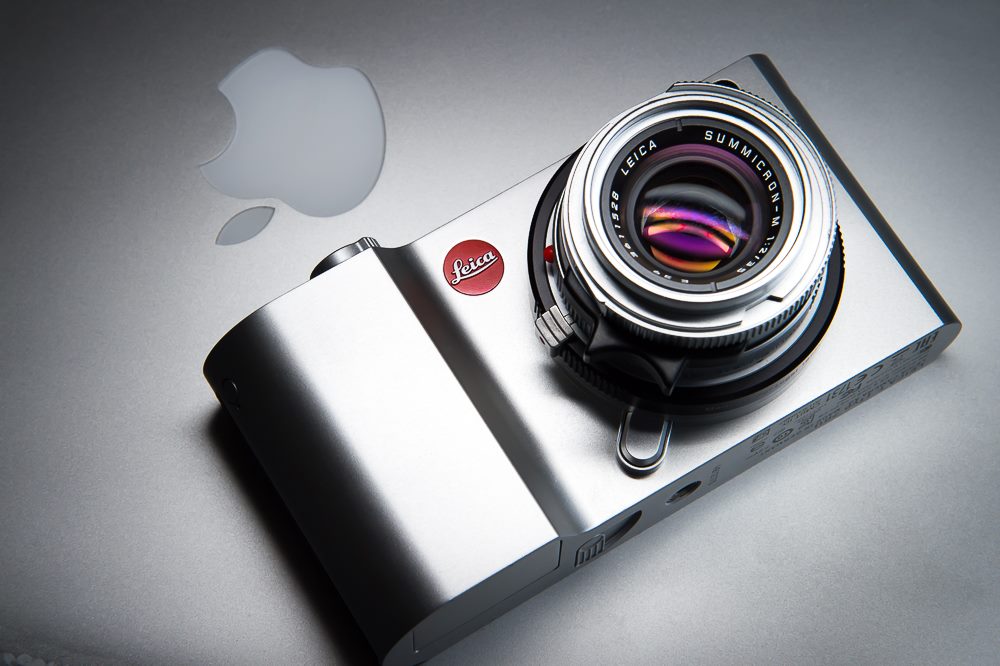
Mirrorless vs. DSLR: Key Differences
The best system depends on your priorities. Mirrorless cameras are often more modern, but DSLRs still have strengths.
| Feature | Mirrorless camera | DSLR |
|---|---|---|
| Viewfinder | Electronic live preview | Optical view |
| Body size | Often smaller | Often larger |
| Video tools | Usually more advanced | Varies by model |
| Autofocus | Strong subject tracking | Very strong through viewfinder |
| Battery life | Often shorter | Often longer |
| Silent shooting | Common on many models | Limited |
| Lens choices | Growing quickly | Large used and new market |
| Startup experience | Can vary | Often simple and direct |
| Professional use | Excellent | Still reliable |
Advantages of mirrorless cameras
• Smaller bodies
• Strong video performance
• Advanced subject detection
• Real-time exposure previews
• Wide autofocus coverage
• Electronic shutter options
• Modern wireless features
• Newer lens designs
Advantages of DSLRs
• Long battery life
• Familiar optical viewfinders
• Large selection of used lenses
• Strong durability in many models
• Often lower prices on the used market
• No electronic viewfinder lag or display noise
A camera should serve your work, not define it. A skilled photographer can make excellent images with either system.

The Main Limitations of Mirrorless Cameras
The answer to why are mirrorless cameras taking over should include the drawbacks. No camera system is perfect.
Shorter battery life
An electronic viewfinder and rear screen use power. As a result, many mirrorless cameras use batteries faster than comparable DSLRs.
You can manage this by carrying two or three spare batteries. A USB power bank can also help with long video sessions or travel.
Turn off wireless features when you do not need them. Lowering screen brightness and using power-saving settings can extend battery life.
Electronic viewfinder concerns
An EVF may show noise in very dark scenes. It can also have a slight delay during fast action, although newer models have reduced this issue.
Some photographers simply prefer the natural view of an optical finder. That choice is personal, much like preferring vinyl records or digital music.
Try both types before buying if the viewfinder experience matters to you.
Rolling shutter
Electronic shutters scan across the sensor rather than capturing the whole frame at once. If the subject or camera moves quickly, shapes may look distorted.
For fast action, use the mechanical shutter or a fast sensor readout mode when available. Many high-end mirrorless cameras now reduce rolling shutter, but the issue has not disappeared.
Lens and accessory costs
A new mirrorless system can become expensive. The camera body may be affordable, but lenses, batteries, memory cards, and adapters add to the total cost.
Before buying, check the full lens range. Look for affordable prime lenses, third-party options, and used equipment. A modest camera with a good lens may produce better results than an expensive body with a weak kit lens.
Menu complexity
Modern cameras have many features. That can feel overwhelming at first.
Start with a simple setup:
-
Choose aperture priority or program mode.
-
Set automatic white balance.
-
Turn on face or eye detection only when needed.
-
Assign one button to autofocus control.
-
Learn one menu section at a time.
The goal is not to use every feature. The goal is to make the camera feel invisible while you take pictures.

Are Mirrorless Cameras Better for Beginners?
For many beginners, yes. The live exposure preview and intelligent autofocus can make the learning process easier.
A beginner can see how exposure changes before taking a photo. Eye detection can also help keep people in focus, which reduces frustration during family or event photography.
However, an entry-level mirrorless camera can still feel complex. A smartphone is simpler because it makes many decisions automatically.
A good beginner setup should include:
• A comfortable body
• A basic zoom lens
• Simple control layouts
• Reliable autofocus
• An easy-to-use smartphone app
• A clear learning path
Do not buy a camera only because it has the highest megapixel count. Handling, lens quality, autofocus, and comfort often matter more.
In my own learning process, I made the mistake of chasing advanced specifications instead of improving light and composition. A basic camera used often taught me more than an expensive camera left at home.

Are Mirrorless Cameras Better for Professionals?
Mirrorless cameras are now fully capable of professional work. Photographers use them for weddings, sports, wildlife, fashion, journalism, commercial projects, and film production.
Professional benefits include:
• Fast subject tracking
• High-resolution sensors
• Dual memory card slots
• Weather-resistant bodies
• Strong video support
• Custom controls
• Large professional lenses
• High-speed continuous shooting
• Reliable wireless transfer
Some professionals still use DSLRs because they already own a large lens collection or prefer optical viewfinders. Changing systems can cost thousands of dollars, so there is no need to switch without a clear benefit.
A working photographer should ask:
• Will the new system save time?
• Does it improve focus or video work?
• Can existing lenses be adapted?
• Will clients notice a useful difference?
• Is the upgrade worth the total cost?
The answer to why are mirrorless cameras taking over is not that every professional needs one today. It is that mirrorless systems now meet the demands of most professional workflows.

How Mirrorless Cameras Affect Photography Styles
Different photographers benefit in different ways.
Wildlife photography
Animal detection and eye autofocus can help track birds and mammals. High-speed shooting can capture brief moments, such as a bird spreading its wings.
Still, technique remains important. You need to learn animal behavior, use the right shutter speed, and avoid relying entirely on autofocus.
Street photography
A compact body and quiet shutter make mirrorless cameras useful for street work. A small prime lens can keep the setup light and less intimidating.
The electronic viewfinder also lets you check exposure before taking the shot. This is helpful when moving between bright streets and dark shops.
Wedding photography
Silent shooting can help during ceremonies. Eye autofocus can keep attention on the couple, while dual card slots provide an extra layer of file protection.
Wedding photographers should test electronic shutter behavior under indoor lighting. Some LED lights can create uneven exposure or bands.
Travel photography
The smaller body, image stabilization, and wireless transfer tools can make travel easier. You can photograph a city in the morning, record video during the afternoon, and send a finished image to your phone at night.
A compact lens kit is still important. A lightweight camera with three huge lenses may not feel lightweight for long.
Video creation
Mirrorless cameras are popular with vloggers, educators, and filmmakers because they combine interchangeable lenses with strong video controls.
A good microphone, stable support, and soft light often improve a video more than a more expensive camera body. Audio quality is especially important. Viewers may forgive a slightly soft image, but poor sound can make them leave quickly.
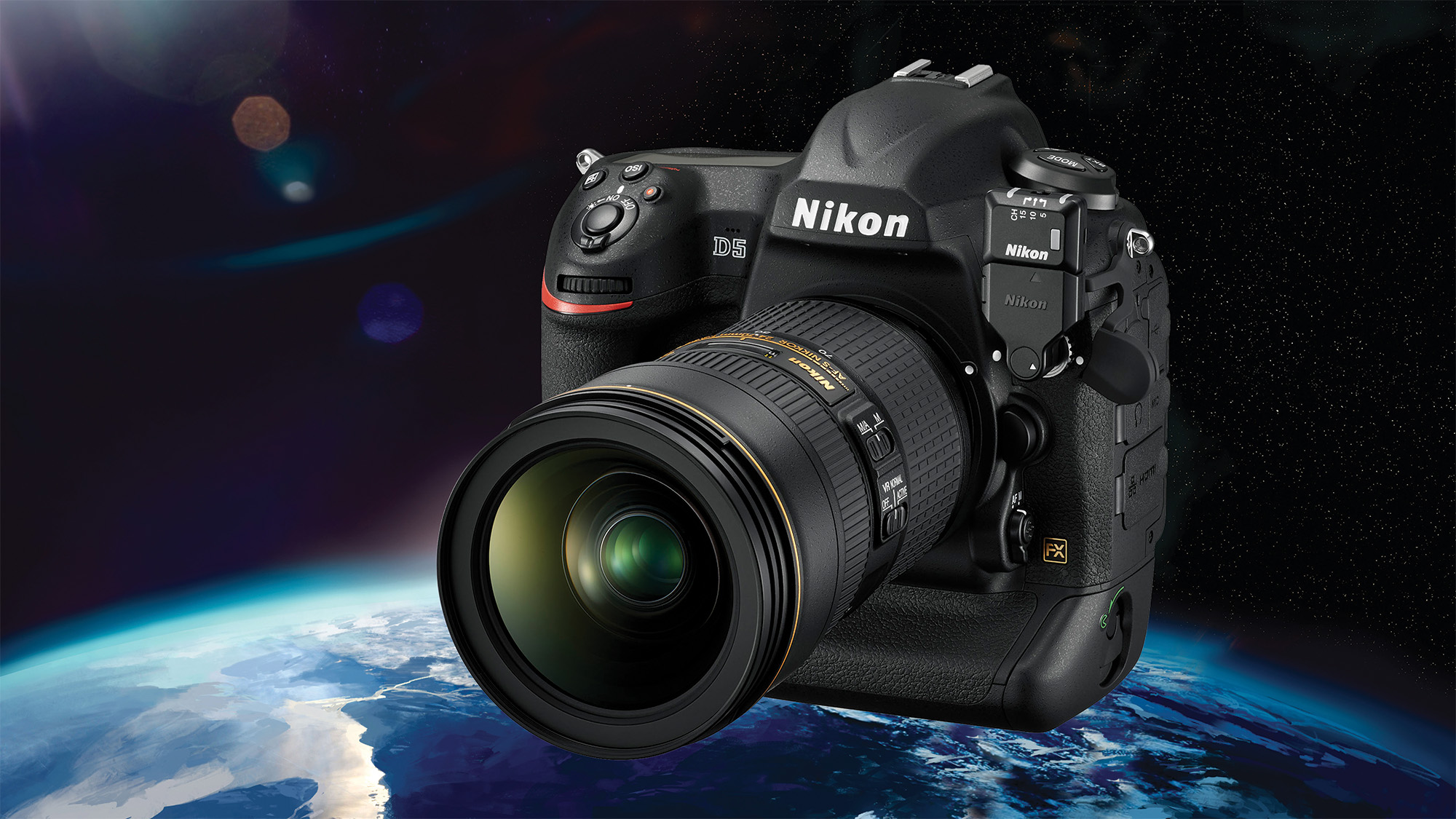
What to Check Before Buying a Mirrorless Camera
Do not choose a camera based on popularity alone. Use your actual needs as the guide.
1. Pick the right sensor size
Full-frame sensors perform well in low light and can create strong background blur. APS-C cameras are often smaller and less expensive. Micro Four Thirds systems can be very compact and offer a wide lens range.
Each format has trade-offs. A larger sensor does not automatically create better photos.
2. Review the lens system
Look at the lenses you may want in the next three years. Check prices, weight, autofocus quality, and third-party support.
A camera system is a long-term purchase. The lens mount may matter more than the camera body.
3. Test the grip and controls
Hold the camera in a store if possible. Check whether your fingers fit well and whether you can reach key controls.
Comfort affects how often you use the camera. A camera that causes hand strain may stay in the bag.
4. Check autofocus needs
If you photograph people, pets, sports, or wildlife, study the autofocus system. Read independent reviews and watch real-world tests.
Do not judge autofocus only by a list of detected subjects. Tracking performance can change with light, lens choice, and subject movement.
5. Consider battery and storage
Look at battery ratings, card types, file sizes, and charging options. High-resolution video and rapid shooting can fill cards quickly.
Budget for extra batteries and reliable memory cards.
6. Think about your total budget
Include the cost of:
• Camera body
• One or two lenses
• Extra batteries
• Memory cards
• A camera bag
• A tripod or support
• A microphone for video
• Editing software or storage
A realistic budget prevents disappointment after the initial purchase.
Common Mistakes to Avoid With Mirrorless Cameras
Many new users blame the camera for problems that come from setup or technique.
Relying on autofocus for everything
Autofocus is powerful, but it can choose the wrong subject. Learn how to move the focus area or switch subject detection modes.
Ignoring shutter speed
Image stabilization cannot freeze a moving person. For people, pets, and sports, use a shutter speed that matches the action.
Buying too much gear
More lenses do not always mean better photos. Start with one camera and one versatile lens. Learn what you truly need before expanding.
Forgetting electronic shutter limits
Use the mechanical shutter when photographing fast movement under difficult artificial light. Check your images for distortion or banding.
Leaving the camera in automatic mode forever
Automatic modes are useful, but learning aperture, shutter speed, and ISO gives you more control. You do not need to master everything at once.
Neglecting backups
A mirrorless camera can produce beautiful files, but memory cards can fail. Back up important photos to at least two separate locations.
The Future of Mirrorless Cameras
The shift toward mirrorless cameras will likely continue, but progress may become more gradual.
Future models may improve:
• Sensor readout speed
• Artificial intelligence autofocus
• Battery efficiency
• Global shutter technology
• Internal video recording
• Heat control
• Smartphone integration
• Computational photography
Global shutters could reduce rolling shutter problems by capturing the whole frame at once. Better processors may also improve subject detection and video quality without making cameras harder to use.
Yet physical limits remain. More processing creates more heat and uses more power. Higher resolution creates larger files. Advanced lenses can be expensive and heavy.
This is why are mirrorless cameras taking over as a platform rather than as a perfect solution. The system is evolving quickly, but buyers should still compare practical benefits with cost.
Frequently Asked Questions About Why Are Mirrorless Cameras Taking Over
Why are mirrorless cameras taking over from DSLRs?
Mirrorless cameras offer smaller bodies, advanced autofocus, strong video features, electronic viewfinders, and modern connectivity. Camera companies are also directing most new development toward mirrorless systems.
Are mirrorless cameras better than DSLR cameras?
Mirrorless cameras are often better for video, subject tracking, silent shooting, and real-time exposure previews. DSLRs may still be better for battery life, optical viewfinders, and affordable access to older lenses.
Do professional photographers use mirrorless cameras?
Yes. Professionals use mirrorless cameras for weddings, sports, wildlife, travel, commercial photography, and video production. The right choice depends on the photographer’s workflow, lens collection, budget, and preferred controls.
Are mirrorless cameras good for beginners?
Yes, especially because the electronic viewfinder can preview exposure and many models offer helpful autofocus modes. Beginners should choose a comfortable camera with affordable lenses rather than focusing only on advanced specifications.
Do mirrorless cameras have better image quality?
Image quality depends on the sensor, lens, lighting, settings, and photographer. Mirrorless cameras can deliver excellent image quality, but a mirrorless design alone does not guarantee better photos.
Do mirrorless cameras have a future?
Yes. The major camera brands continue to release new mirrorless bodies, lenses, and accessories. Improvements in autofocus, video, stabilization, and sensor technology are likely to keep the system growing.
Conclusion
Why are mirrorless cameras taking over? They offer a strong mix of portability, autofocus, video power, stabilization, silent shooting, and smart features. These benefits suit the way people create images today, from family photos and travel clips to professional campaigns.
DSLR cameras remain useful, and there is no need to replace one that still serves you well. If you are buying your first interchangeable-lens camera, compare the full system, test the handling, and choose lenses that match your real interests.
Start with a simple setup, practice often, and learn one feature at a time. Explore trusted camera reviews, visit a local store, and share your experience or questions in the comments.
Recent Posts
Parts of a 35mm Camera: Complete Guide to Every Key Part and Its Function
Learn the parts of a 35mm camera, what each part does, and how the lens, shutter, film chamber, viewfinder, and controls work together.
Parts of a Camera Canon: A Complete Guide to Canon Camera Parts and Functions
Learn the parts of a Canon camera, what each part does, and how the lens, sensor, shutter, controls, viewfinder, and screen work together.