Pick a backpack by matching its size, fit, carrying style, and features to your main activity. The right backpack should hold what you need without being unnecessarily heavy, uncomfortable, or difficult to organize.
Across the United States, people use backpacks for many purposes, from students carrying books to commuters traveling with laptops, travelers moving through airports, and outdoor enthusiasts carrying gear on trails. Because these uses have different requirements, the best backpack is not the same for every person.
The most reliable way to choose a backpack is to start with how you will use it, then evaluate capacity, fit, materials, organization, comfort, and durability. A backpack designed for a short daily commute may not provide the support or weather protection needed for hiking, while a large outdoor pack may be unnecessary for school or office use.
Source: initibag.com
Start by Choosing the Right Backpack Type for Your Main Use
The first step in picking a backpack is identifying its primary purpose. Backpack designs differ because school, work, travel, and outdoor activities require different storage layouts, materials, and support systems.
A backpack that fits one activity well may perform poorly in another. For example, a lightweight daypack may work for short walks but may lack the frame support needed for carrying heavier hiking loads.
Source: i.ytimg.com
School backpacks
School backpacks should provide enough room for books, notebooks, supplies, and possibly a laptop while maintaining comfortable weight distribution.
Work and laptop backpacks
Office backpacks usually prioritize padded laptop compartments, organization pockets, professional styling, and protection for electronics.
Travel backpacks
Travel backpacks often focus on larger compartments, security features, carry-on compatibility, and easy access while moving between locations.
Hiking backpacks
Outdoor backpacks are designed around load support, ventilation, weather resistance, and carrying equipment for longer periods.
Ask These Questions Before Buying
Before selecting a backpack, consider what you carry every day, how long you carry it, where you use it, and what conditions it must handle.
Daily load
List your regular items, such as books, electronics, clothing, water bottles, or outdoor equipment.
Environment
Consider whether the backpack will be used indoors, outdoors, in rain, during travel, or in crowded areas.
Choose the Correct Backpack Size and Capacity
Backpack size is usually measured in liters, which describes the approximate carrying capacity of the main compartments. The correct size depends on what you carry and how long you need supplies to last.
A larger backpack is not always better. Extra space can encourage overpacking and make the bag heavier than necessary.
Source: i.pinimg.com
Small backpacks
Packs around 10 to 20 liters often work for essentials such as a wallet, phone, small electronics, and light daily items.
Medium backpacks
Packs around 20 to 35 liters are common for school, work, commuting, and short trips because they balance capacity and portability.
Large backpacks
Packs above 35 liters are generally better for travel, camping, or carrying larger amounts of gear.
Use Your Carrying Needs Instead of Guessing
A practical method is to gather everything you normally carry and compare it with the backpack’s listed capacity. This helps avoid buying a bag that is too small or unnecessarily bulky.
Example
A student carrying textbooks, a laptop, lunch, and personal items may need a medium backpack, while someone carrying only a tablet and charger may need much less space.
Check Backpack Fit and Comfort Before Buying
A backpack should fit your body comfortably because poor adjustment can make carrying heavy loads harder. The most important fit features are shoulder straps, back support, and adjustment options.
Try the backpack with weight inside whenever possible. A bag that feels comfortable when empty may feel very different when loaded.
Source: terrainul.ca
Shoulder straps
Look for padded straps that can be adjusted so the backpack sits close to your body without restricting movement.
Back panel
A padded or ventilated back panel can improve comfort, especially during longer carrying periods.
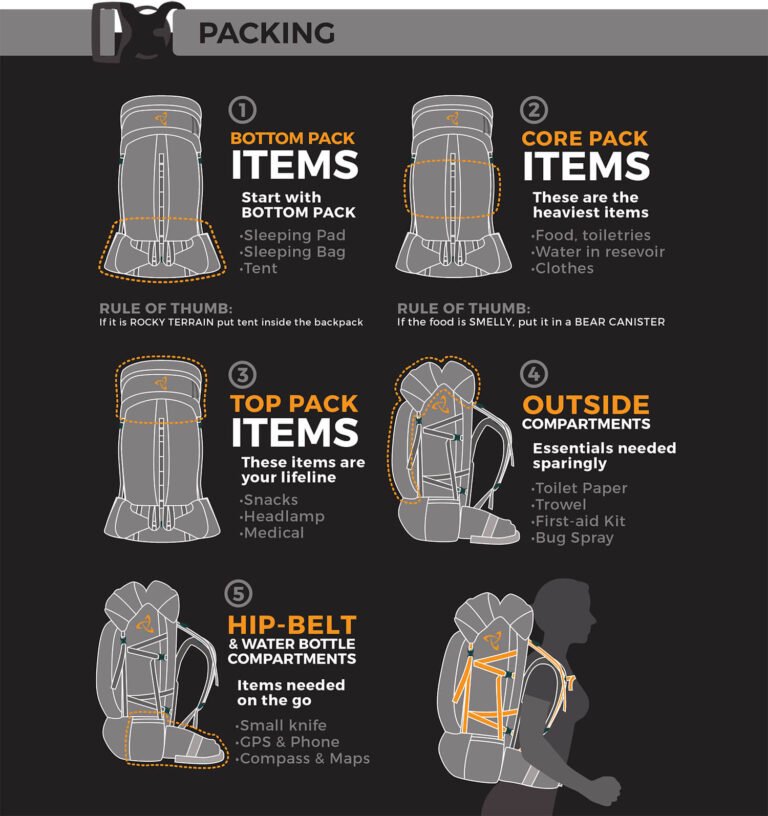
Weight distribution
Heavier items should generally sit closer to your back to reduce pulling and improve balance.
Signs a Backpack Fits Correctly
A properly fitted backpack should stay stable while walking, allow normal shoulder movement, and avoid creating pressure points.
Good fit signs
The backpack rests comfortably against your back, straps stay secure, and the load does not pull strongly backward.
Poor fit signs
The bag hangs too low, shifts constantly, causes discomfort, or forces you to lean forward.
Evaluate Materials, Durability, and Weather Protection
Backpack materials affect durability, weight, water resistance, and maintenance needs. Common backpack materials include nylon, polyester, canvas, and specialized outdoor fabrics.
Material choice should match the conditions you expect. A commuter who mostly travels indoors may need different protection than someone hiking in changing weather.
Source: genietravel.com
Nylon
Nylon is commonly used because many versions offer a balance of strength, abrasion resistance, and relatively low weight.
Polyester
Polyester backpacks are often affordable and widely available for everyday use.
Water resistance
Water-resistant materials or rain covers can help protect contents, but many backpacks are not completely waterproof unless specifically designed for that purpose.
Do Not Judge Durability Only by Appearance
A thick-looking backpack is not automatically stronger. Construction details such as stitching quality, zipper design, strap attachment points, and material specifications also affect long-term performance.
Inspect
Check seams, zippers, handles, and areas that receive frequent stress before purchasing.
Select Features That Match How You Use the Backpack
Backpack features should solve specific problems rather than simply add complexity. Extra pockets and accessories can be useful, but they may also add weight and increase cost.
Source: omaska.com
Laptop compartment
Useful for students and workers who regularly carry computers or tablets.
Organization pockets
Helpful when you need quick access to chargers, pens, documents, or small items.
Security features
Travel users may benefit from lockable zippers or concealed compartments depending on their situation.
External attachment points
Outdoor users may need straps or loops for carrying additional equipment.
Avoid Paying for Features You Will Not Use
A backpack with many compartments is not automatically better. Choose features based on your daily routine and the items you actually carry.
Simple is often practical
A lighter backpack with fewer features may be more comfortable for everyday users.
Frequently Asked Questions
Q
What size backpack should I buy?
Choose a backpack size based on what you carry and how long you need it. Everyday school and work backpacks commonly fall in the medium range, while travel and outdoor activities may require larger capacities.
Q
How do I know if a backpack fits correctly?
A backpack fits correctly when it sits comfortably against your back, the straps can be adjusted properly, and the weight does not create excessive pressure or imbalance.
Q
Is a waterproof backpack necessary?
A waterproof backpack is not necessary for everyone. Water resistance may be enough for occasional rain, while people exposed to heavy weather may need stronger protection.
Q
Should I choose a backpack with many pockets?
Choose pockets based on your organization needs. More compartments can help some users but may add unnecessary weight and complexity for others.
Q
How much should I spend on a backpack?
The right budget depends on materials, construction, intended use, and expected lifespan. A basic daily backpack and a specialized outdoor backpack usually have different price ranges because they are designed for different demands.
✦ Wrapping Up
Conclusion
Learning how to pick a backpack starts with understanding your purpose, carrying needs, and comfort requirements. The best backpack is the one that fits your body, holds your essentials, and provides the features you actually need.
Before buying, compare capacity, fit, materials, and organization instead of choosing only by appearance. A carefully selected backpack can provide better comfort and usefulness for years of regular use.
💡 Key Takeaway
Write down what you carry most often, choose the appropriate backpack type and size, then test the fit with weight inside before making a final decision.
Learn how to choose a backpacking pack based on trip length, capacity, fit, frame type, weight, comfort, and features. This USA-focused guide explains what to look for before buying a hiking backpack.
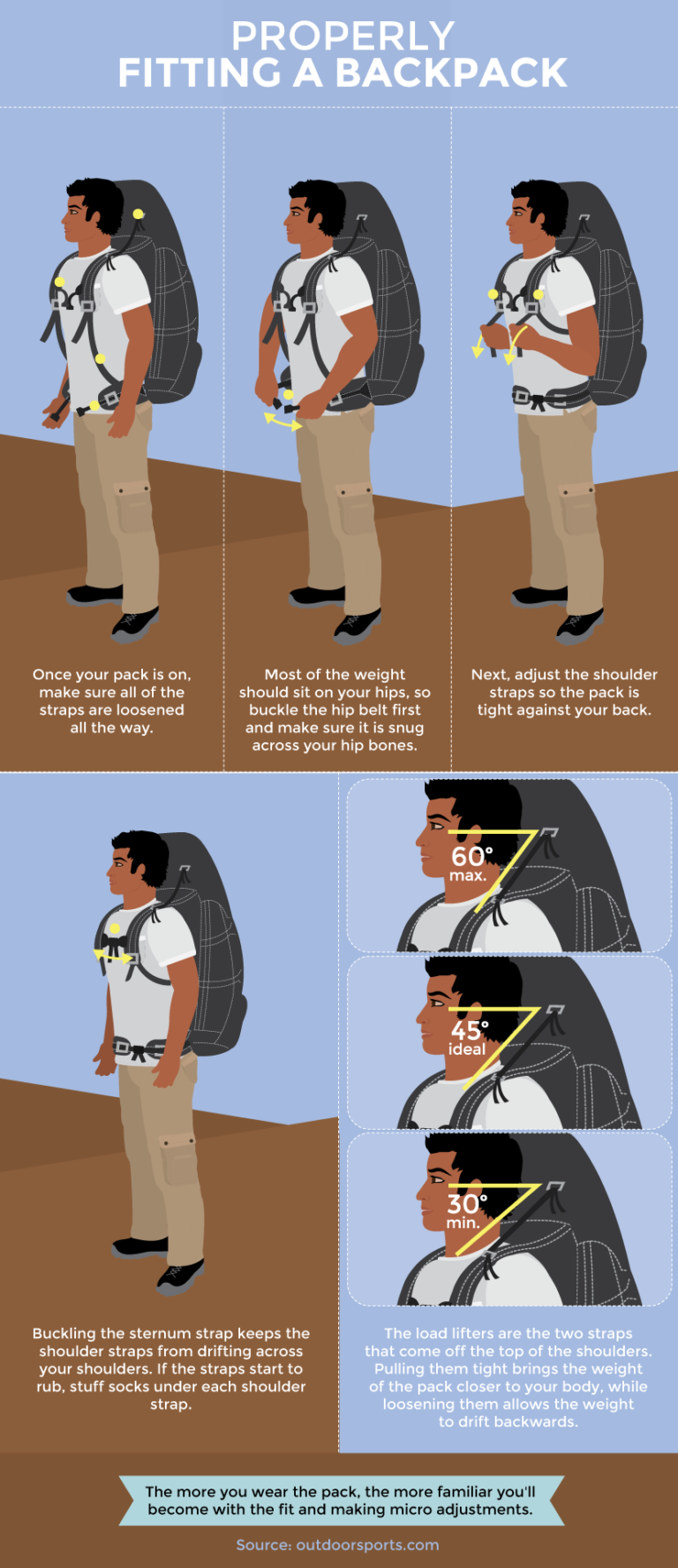
Learn how to fit a backpack for hiking with proper torso sizing, hip belt adjustment, shoulder strap positioning, load lifter settings, and troubleshooting tips for a comfortable trail experience.