Choose a school backpack based on the student’s size, daily workload, comfort needs, organization preferences, and durability requirements. The right backpack should fit properly, carry school supplies safely, and avoid unnecessary weight or strain.
Across schools in the United States, students use backpacks every day to carry textbooks, laptops, notebooks, lunch items, and personal supplies. Choosing the right backpack is not only about appearance; it affects comfort, organization, and how easily students can manage their school routine.
A good school backpack should match the student’s age, body size, and typical load. The most important factors are proper fit, adjustable straps, supportive construction, useful compartments, and materials that can handle daily use. A larger backpack is not always better because extra space can encourage carrying unnecessary weight.
The correct backpack size depends on the student’s body frame and the items they need to carry. Elementary school students usually need smaller backpacks, while middle school, high school, and college students may need more capacity for larger books, folders, and electronics.
A backpack should sit comfortably against the back without extending far below the waist. A bag that is too large can encourage excess loading, while a bag that is too small may force books and supplies to be packed inefficiently.
Source: www.wxyz.com
Small backpacks
Suitable for younger students carrying lighter supplies such as folders, lunch containers, and small books.
Medium backpacks
A common choice for middle and high school students who carry textbooks, notebooks, and everyday school materials.
Large backpacks
Useful for college students or students who regularly carry laptops, larger textbooks, sports clothing, or additional equipment.
How Many Liters Should a School Backpack Be
School backpack capacity is commonly measured in liters. Younger students may need around 10 to 20 liters, many middle and high school students use approximately 20 to 30 liters, and college students may prefer 25 to 35 liters depending on their schedule and equipment.
Match capacity to daily items
Choose enough space for required supplies but avoid buying a much larger bag that encourages unnecessary weight.
Prioritize Comfort and Proper Fit
Comfort is one of the most important features when choosing a school backpack because students may wear the bag for extended periods while walking between classrooms, buses, and activities.
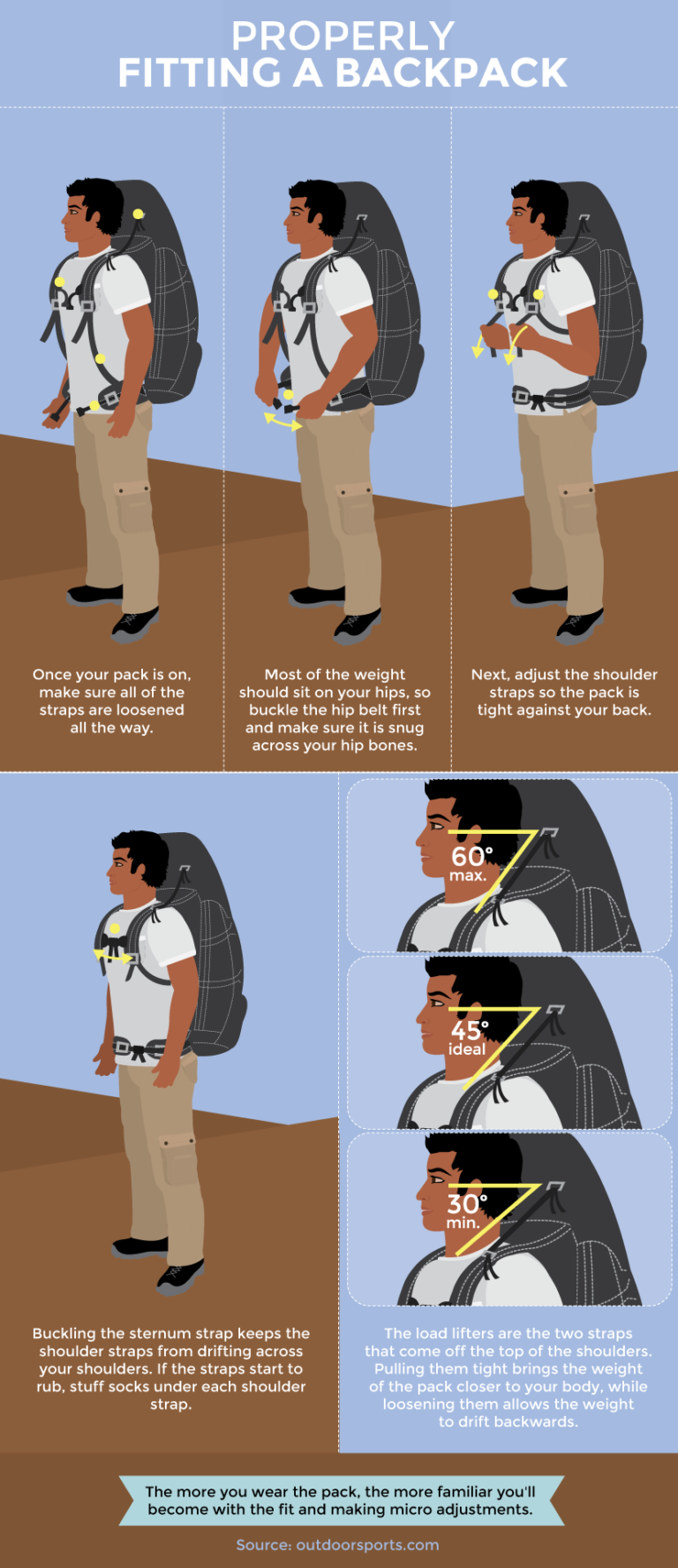
A properly fitted backpack should have adjustable straps that allow the bag to rest close to the upper and middle back. Padded straps and a padded back panel can improve comfort, especially when carrying heavier loads.
Source: osgwbag.com
Adjustable shoulder straps
Allow the backpack to fit different body sizes and help distribute weight more evenly.
Padded back support
Adds comfort and helps prevent hard objects inside the bag from pressing directly against the back.
Chest or sternum straps
Can provide additional stability for some larger backpacks, especially during walking or outdoor activities.
Signs a Backpack Does Not Fit Correctly
A backpack may be a poor fit if it hangs too low, causes shoulder discomfort, requires leaning forward, or creates pressure points. Adjusting the straps or selecting a different size may solve the problem.
Backpack sits too low
Tighten straps or choose a shorter backpack that better matches the student’s torso length.
Choose Materials and Construction That Match Daily Use
A school backpack should withstand repeated use, including being placed on classroom floors, carried outdoors, and loaded with books or electronics. Durable fabric, reinforced seams, and reliable zippers are important features for long-term use.
The best material depends on the student’s environment and needs. Water-resistant fabrics can help protect contents from light rain, while stronger materials may be useful for students who carry heavier loads.
Source: mommysnippets.com
Fabric durability
Look for sturdy materials that resist tearing and abrasion during everyday school use.
Strong stitching
Reinforced seams can reduce failure around shoulder straps and heavily used areas.
Quality zippers
Smooth, durable zippers help protect supplies and make frequent opening easier.
Backpack Features for Electronics
Students who carry tablets or laptops should look for a dedicated padded compartment designed to separate electronics from books and other items. The correct size compartment should match the device dimensions rather than leaving excessive empty space.
Laptop sleeve
Provides a separate area for protecting compatible devices from impacts and scratches.
Consider Organization and Daily School Needs
The best backpack layout depends on what the student carries. Multiple compartments can make it easier to separate books, technology, writing supplies, lunch items, and personal belongings.
Too many compartments can also make a backpack harder to use if the student cannot remember where items are stored. Choose organization features that support the student’s routine.
Source: skysper.com
Main compartment
Holds larger items such as textbooks, binders, folders, and notebooks.
Small accessory pockets
Useful for storing pens, chargers, calculators, keys, and other small items.
Water bottle pocket
Keeps drinks separate and easier to access during the school day.
Common Backpack Selection Mistakes
Many students choose backpacks based only on color, trends, or maximum size. These factors matter for personal preference, but they should come after fit, comfort, and practical requirements.
Buying too large
A larger bag may become unnecessarily heavy when filled with extra items.
Ignoring fit
A stylish backpack that does not fit correctly can become uncomfortable during daily use.
Use Backpack Safety Practices
Backpack safety focuses on preventing unnecessary strain and making sure the bag is used correctly. Students should carry only what they need and adjust the backpack so the weight stays close to the body.
A heavy backpack can become uncomfortable, especially when carried incorrectly. If a student regularly experiences discomfort, reducing the load or changing the backpack setup can help.
Source: storage.googleapis.com
Remove unnecessary items
Clean out the backpack regularly to avoid carrying unused books, papers, or supplies.
Use both shoulder straps
Wearing both straps helps distribute weight more evenly than carrying a backpack on one shoulder.
Final Checklist Before Buying
Before purchasing a school backpack, check the fit, storage space, materials, and features against the student’s actual needs.
Fit check
Make sure the backpack sits comfortably and straps adjust properly.
Capacity check
Confirm it can hold daily supplies without unnecessary extra space.
Frequently Asked Questions
Q
What size backpack is best for elementary school students?
Elementary school students usually need smaller backpacks that fit their body size and hold basic supplies such as folders, notebooks, and lunch items. The correct size depends on the student’s height and daily requirements.
Q
How should a school backpack fit?
A school backpack should sit close to the back, rest comfortably between the shoulders and waist, and have adjustable straps that allow the student to carry it without leaning forward.
Q
Is a heavier backpack better quality?
Not necessarily. A heavier backpack may include stronger materials, but weight alone does not indicate quality. A good backpack balances durability, comfort, and practical design.
Q
What features should a college backpack have?
College students often benefit from backpacks with laptop protection, enough space for books and folders, comfortable straps, and organization features that match their schedule.
Q
How often should a school backpack be replaced?
A backpack should be replaced when it no longer fits properly, has damaged straps or zippers, cannot protect contents, or no longer meets the student’s storage needs.
✦ Wrapping Up
Conclusion
Choosing a backpack for school requires balancing size, comfort, durability, and organization. The right backpack is not necessarily the largest or most expensive option; it is the one that fits the student and supports their daily routine.
Parents and students should evaluate what the backpack needs to carry, how it fits the body, and whether its construction can handle regular school use before making a decision.
💡 Key Takeaway
Measure the student’s needs first, choose a properly fitted backpack, and prioritize comfort and useful features over appearance alone.
Learn how to fit a backpack for hiking with proper torso sizing, hip belt adjustment, shoulder strap positioning, load lifter settings, and troubleshooting tips for a comfortable trail experience.
Learn How Many Pounds Can My Checked Bag Be, including common airline weight limits, overweight fees, exceptions, and tips to avoid extra charges before your flight.