Choose a camping backpack by matching its capacity, fit, carrying system, and features to your trip length, gear load, and outdoor conditions. A comfortable pack with the right volume will carry your equipment more efficiently and reduce strain during hikes.
For campers across the United States, choosing the right backpack starts with understanding the type of trips you plan to take. A weekend camping trip in a U.S. national forest may require a different pack than a multi-day backcountry trip in areas such as the Appalachian Trail, Rocky Mountains, or Pacific Northwest.
The best camping backpack is not simply the largest or most feature-packed option. The correct choice balances storage capacity, weight, durability, weather protection, and how well the pack fits your body. A properly fitted backpack helps distribute weight through the hips and torso instead of placing excessive pressure on the shoulders.
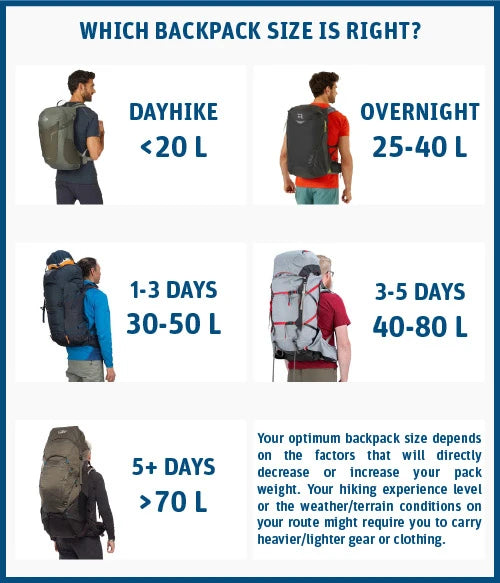
The correct backpack size depends mainly on how long you will camp, how much gear you carry, and whether you use lightweight or traditional camping equipment. Backpack capacity is usually measured in liters, which describes the available storage volume.
For most camping trips, a backpack between 40 and 70 liters covers common needs. Smaller packs work for short trips with minimal equipment, while larger packs are better for longer trips or situations where you must carry extra clothing, food, shelter, or winter gear.
Source: backpackersland.com
20 to 40 liters
Suitable for day hikes, overnight trips with lightweight equipment, or campers who use compact gear.
40 to 60 liters
A versatile range for weekend camping trips and many two- to three-day backpacking trips.
60 to 80 liters
Better for extended trips, colder weather, family camping equipment, or carrying larger loads.
Consider What You Need to Carry
Before choosing a backpack, make a list of your typical camping equipment. A sleeping bag, tent, sleeping pad, cooking equipment, clothing, food, water, and emergency supplies all affect the required capacity.
Minimalist camping
Requires less space because lightweight shelter, cooking, and sleeping systems reduce pack volume.
Traditional camping
May require a larger backpack because standard equipment often takes more room and weighs more.
Choose a Backpack That Fits Your Body Correctly
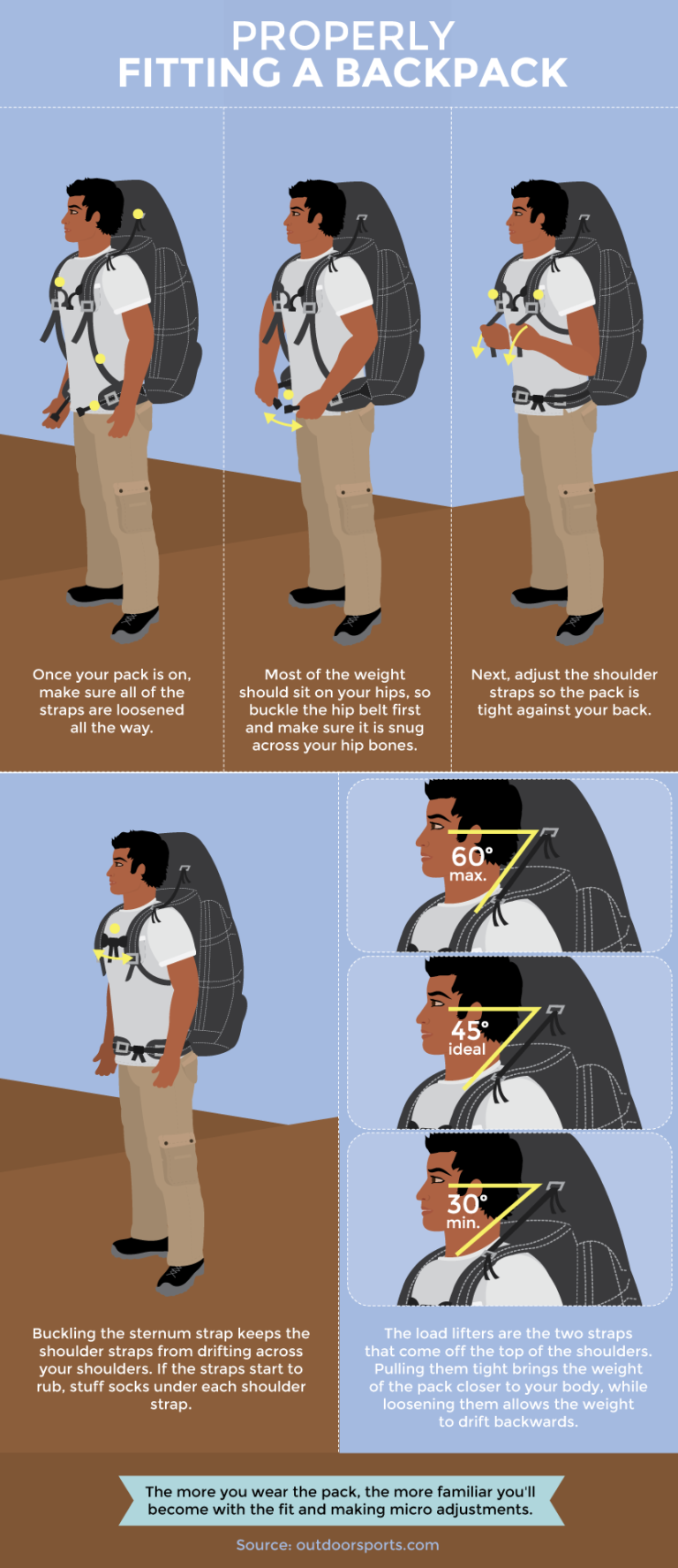
A backpack that fits your body properly can improve comfort and reduce fatigue during long hikes. Backpack fit depends more on torso length than overall height because people with the same height can have different torso measurements.
Most outdoor backpacks include adjustable suspension systems, different torso sizes, and padded hip belts. These features help transfer much of the load from the shoulders to the hips, where the body can support weight more efficiently.
Source: miro.medium.com
Measure torso length
Use the distance from the base of your neck to the top of your hip bones to select an appropriate pack size.
Check the hip belt
The hip belt should sit securely around your hips and feel comfortable when carrying a loaded pack.
Adjust shoulder straps
Shoulder straps should hold the backpack close without creating uncomfortable pressure points.
Signs Your Backpack Fits Properly
A correctly fitted camping backpack should feel stable while walking, keep the load close to your body, and avoid causing sharp pressure or numbness.
Balanced weight
The backpack should not pull excessively backward or shift from side to side.
Comfortable movement
You should be able to walk naturally without restricted shoulder or hip movement.
Evaluate Backpack Features Before Buying
Camping backpacks vary in features, and the most useful options depend on your environment and camping style. Extra features can improve convenience, but unnecessary additions may increase weight and cost.
Focus on features that solve real problems during outdoor use, such as organizing equipment, carrying water, improving comfort, and protecting gear from weather.
Source: in4adventure.com
Internal frame
Provides structure and helps distribute heavier loads more comfortably.
Multiple compartments
Makes it easier to organize sleeping gear, food, clothing, and frequently used items.
Water resistance
Helps protect equipment during rain, although many backpacks still require a rain cover for heavy weather.
Ventilation system
Can improve airflow between your back and the backpack during warm-weather hiking.
Decide Between Lightweight and Durable Materials
Lightweight materials can reduce carrying weight, but durability and abrasion resistance may be more important for rugged environments. The best balance depends on where and how often you camp.
Frequent backcountry use
Durability may be more valuable because the backpack experiences repeated outdoor wear.
Occasional camping
A lighter, simpler backpack may provide enough performance without unnecessary features.
Match Your Backpack to Your Camping Style
The right camping backpack changes depending on whether you camp near your vehicle, hike into remote areas, travel in cold conditions, or carry equipment for multiple people.
Understanding your typical camping situation prevents buying a backpack that is too small for your needs or unnecessarily large for simple trips.
Source: alladventurecompany.com
Car camping with short walks
A smaller backpack may be enough because most equipment stays at the campsite.
Backpacking trips
Requires a supportive backpack designed to carry shelter, food, and overnight equipment.
Cold-weather camping
Usually needs more capacity because winter clothing and sleeping systems take more space.
Avoid Choosing a Backpack Based Only on Capacity
A larger backpack does not automatically make camping easier. Extra space can encourage carrying unnecessary items and create a heavier load. Choose enough capacity for your normal equipment rather than the maximum possible amount.
Pack weight matters
A comfortable backpack loaded with excessive weight can still cause fatigue.
Test and Adjust Your Camping Backpack Before a Trip
Before heading into the wilderness, load your backpack with similar weight and equipment to what you expect during your trip. Testing at home allows you to identify uncomfortable areas before they become problems outdoors.
Small adjustments to straps, packing order, and weight distribution can significantly improve comfort.
Source: inspiredcamping.com
Place heavy items correctly
Keep heavier gear close to your back and centered to improve balance.
Secure loose equipment
Prevent shifting items from creating instability while walking.
Practice adjustments
Learn how to change straps and organize compartments before your trip begins.
Common Backpack Selection Mistakes
Many camping problems come from choosing a backpack based on appearance or advertised capacity instead of personal fit and intended use.
Buying too large
A large pack can add unnecessary weight and encourage overpacking.
Ignoring fit
An uncomfortable suspension system can make even a high-quality backpack difficult to use.
Frequently Asked Questions
Q
What size backpack do I need for camping?
Most campers choose between 40 and 70 liters depending on trip length, equipment, and weather conditions. Short trips generally need less space, while longer or colder trips require more capacity.
Q
Is a hiking backpack the same as a camping backpack?
The terms often overlap because many camping backpacks are designed for hiking and carrying overnight equipment. The best choice depends on the load, distance, and features needed.
Q
How heavy should a camping backpack be?
The ideal weight depends on the camper, equipment, and trip difficulty. Reducing unnecessary gear is usually more effective than choosing a backpack based only on its empty weight.
Q
Do I need a waterproof camping backpack?
A water-resistant backpack or rain cover can help protect equipment, but many camping setups still use waterproof bags or liners inside the backpack for sensitive gear.
Q
How do I know if a camping backpack fits correctly?
A properly fitted backpack should feel stable, keep weight supported through the hips, and avoid uncomfortable pressure on shoulders, back, or waist.
✦ Wrapping Up
Conclusion
Choosing a camping backpack requires matching the pack to your trip, body size, equipment, and outdoor conditions. Capacity matters, but comfort and fit often determine whether a backpack works well on longer hikes.
Before buying, consider your typical camping style, measure your torso, test the loaded backpack, and prioritize features that solve your specific needs.
💡 Key Takeaway
Choose a camping backpack by starting with the trip you plan to take, then select the capacity, fit, and features that support that exact use.
Learn how a backpack should fit for comfort, support, and safety. Discover proper strap adjustment, hip belt positioning, sizing tips, and common backpack fitting mistakes.