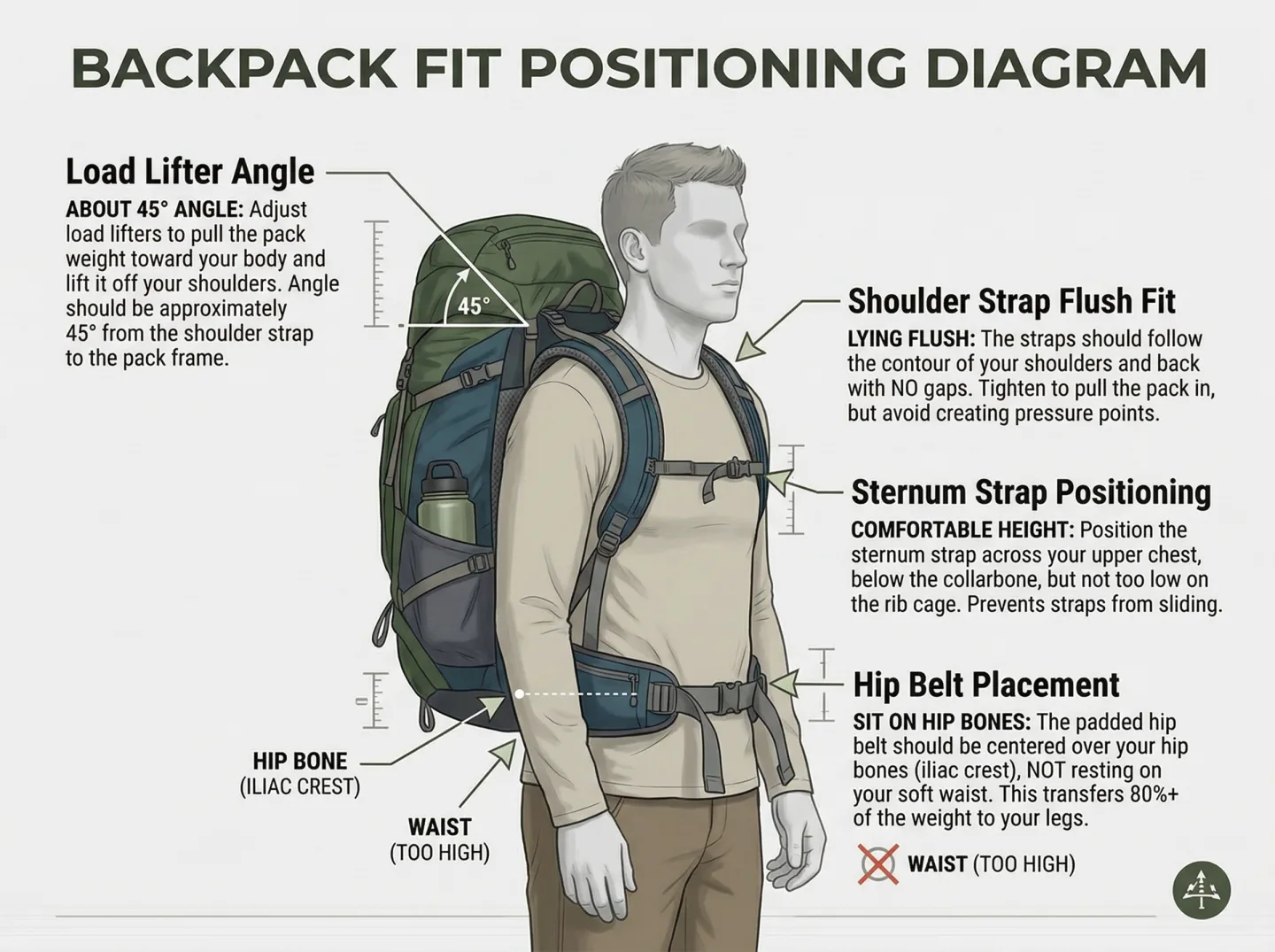
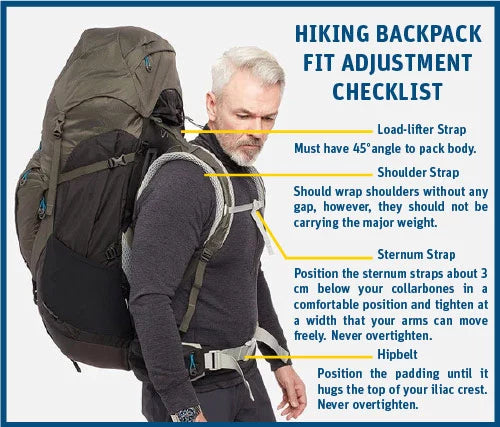
A hiking backpack fits correctly when the hip belt carries most of the load, the torso length matches your body, the shoulder straps sit comfortably without gaps, and the pack stays stable while you move.
For hikers in the United States preparing for day hikes, overnight trips, or multi-day backpacking routes, a properly fitted backpack can make a major difference in comfort and endurance. Whether you are exploring national parks, local trails, or backcountry routes, the pack should move with your body instead of pulling against it.
Fitting a hiking backpack requires more than tightening every strap. The process involves choosing the correct pack size, measuring torso length, positioning the hip belt, adjusting shoulder straps, and fine-tuning the load balance. A poor fit can contribute to pressure points, shoulder fatigue, rubbing, and unnecessary strain during long hikes.
Source: hikesandtrails.com
Understand What a Proper Hiking Backpack Fit Should Feel Like
A properly fitted hiking backpack should feel stable and comfortable when walking uphill, downhill, and on uneven terrain. The pack should rest close to your body without restricting breathing or movement.
The primary goal of backpack fitting is to transfer weight from your shoulders to your hips. Larger hiking backpacks are designed with supportive hip belts and frames that help distribute heavier loads more efficiently.
Source: alpenglowgear.com
Weight distribution
Most of the backpack load should be supported by the hip belt rather than hanging from the shoulders.
Body movement
The backpack should remain stable while your upper body rotates and your legs move naturally.
Comfort signals
A good fit avoids numbness, sharp pressure points, excessive rubbing, and shoulder discomfort.
Signs Your Backpack Fits Correctly
A correctly fitted backpack feels balanced and does not constantly pull backward or downward. You should be able to walk normally without adjusting straps repeatedly during the hike.
Stable load
The pack stays close to your back and does not sway excessively from side to side.
Comfortable shoulders
Shoulder straps contact your body without creating painful pressure or large gaps.
Measure Your Torso Length Before Fitting a Hiking Backpack
Torso length is one of the most important measurements for backpack fit because backpack frames are designed around the distance between your shoulders and hips. A pack that is too long or too short may place weight in the wrong areas.
To measure torso length, locate the top of your hip bones and the bony area at the base of your neck. Measure along your spine between these points. Many backpack manufacturers use this measurement to determine available pack sizes.
Source: alpenglowgear.com
Why torso length matters
A correct torso size allows the hip belt, shoulder straps, and frame system to work together.
Height is not enough
Two people of the same height can have different torso lengths and require different backpack sizes.
Check Adjustable Backpack Features
Some hiking backpacks include adjustable suspension systems that allow the torso length to be changed. These systems can improve fit when the backpack is shared or when a user’s measurements fall between standard sizes.
Adjustable frame
Allows changes to shoulder strap height and torso positioning.
Follow the Correct Order to Adjust Your Hiking Backpack
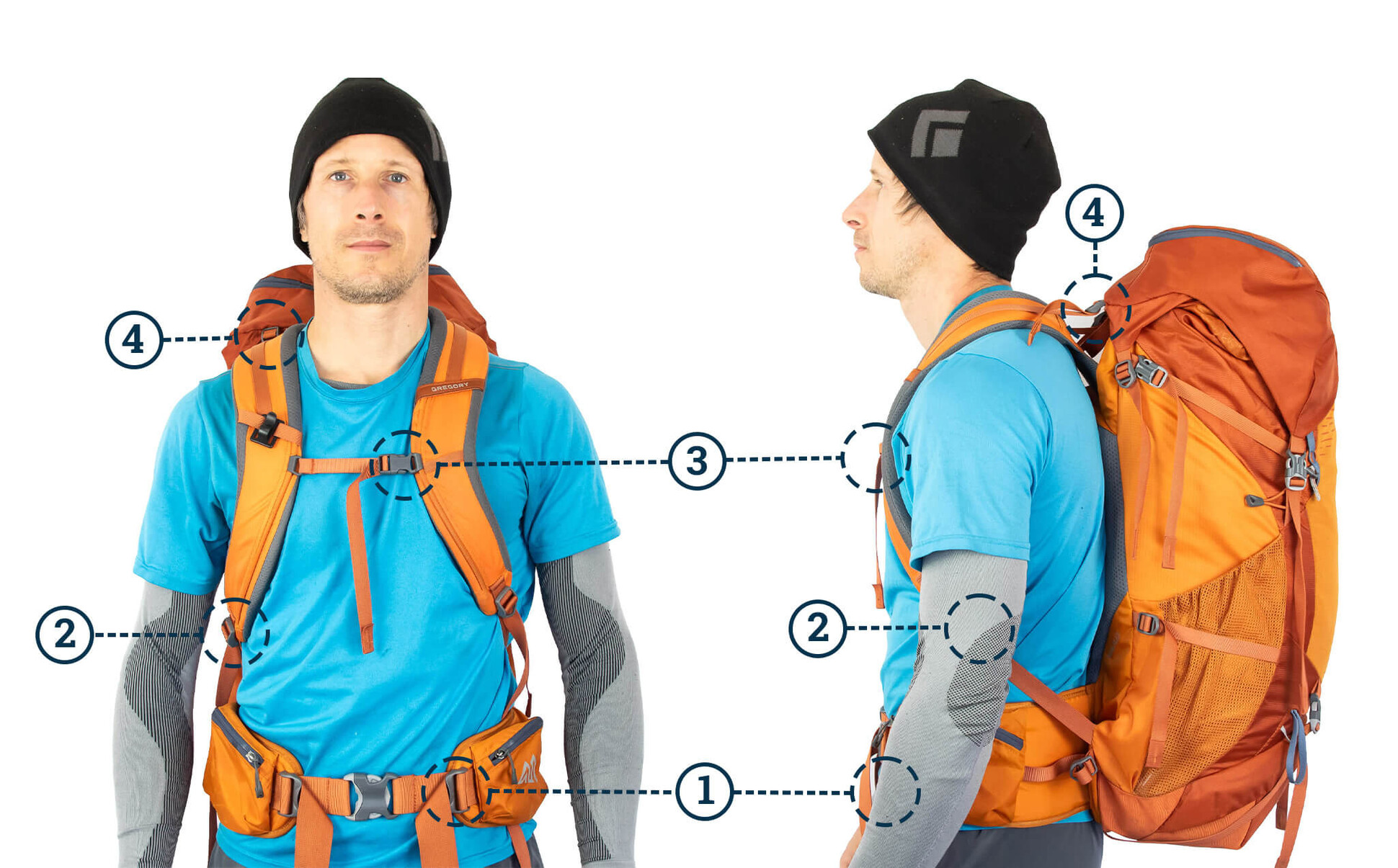
Adjusting backpack straps in the correct sequence helps create a balanced fit. Start with the parts that control weight distribution before fine-tuning smaller adjustments.
Source: storage.googleapis.com
Step 1: Loosen all straps
Before putting on the pack, loosen the hip belt, shoulder straps, sternum strap, and load lifters so you can adjust them from the beginning.
Step 2: Position and tighten the hip belt
Place the hip belt so it wraps over the top of your hip bones and tighten it firmly without restricting movement.
Step 3: Adjust shoulder straps
Pull the shoulder straps downward and backward until they contact your shoulders without carrying excessive weight.
Step 4: Adjust load lifters
Tighten load lifter straps to bring the upper part of the pack closer to your body and improve stability.
Step 5: Set sternum strap position
Place the sternum strap comfortably across your chest to help keep shoulder straps aligned.
Test the Fit With Your Actual Hiking Gear
A backpack should be fitted while carrying a realistic hiking load. The way an empty pack feels can change significantly after adding water, food, clothing, and equipment.
Walk and adjust
Take several minutes to walk, climb stairs, or move naturally before finalizing adjustments.
Watch for problems
Pain, slipping straps, or pressure points usually indicate that adjustments are needed.
Fix Common Backpack Fit Problems on the Trail
Many backpack discomfort issues come from incorrect adjustment rather than a defective pack. Small changes can often improve comfort without replacing equipment.
Source: in4adventure.com
Shoulder pain
Possible causes include a loose hip belt, incorrect torso length, or shoulder straps carrying too much weight.
Hip discomfort
The hip belt may be positioned incorrectly or tightened too much in one area.
Pack pulling backward
The load may be too far from your back, or load lifter straps may need adjustment.
Pack movement while hiking
Check hip belt tightness, sternum strap position, and overall weight distribution.
When a Different Backpack Size May Be Needed
If repeated adjustments do not solve discomfort, the backpack may not match your torso length, body shape, or intended load. A different size, frame design, or capacity may provide a better fit.
Persistent pressure points
Continued pain after proper adjustment suggests the pack shape may not match your body.
Frequently Asked Questions
Q
How tight should a hiking backpack hip belt be?
The hip belt should be snug enough to hold the backpack securely over your hips but not so tight that it restricts breathing or movement. It should support the majority of the pack weight without causing discomfort.
Q
Should a hiking backpack sit on your hips or shoulders?
A hiking backpack should primarily sit on your hips through the hip belt. The shoulder straps help stabilize the pack and maintain positioning but should not carry most of the load.
Q
How do I know if my backpack torso length is wrong?
A wrong torso length can cause shoulder strap gaps, poor hip belt placement, or discomfort around the upper back. Measuring your torso and comparing it with the manufacturer’s sizing guide can help identify the issue.
Q
Should I fit my backpack with weight inside?
Yes. Adjust your backpack while carrying a realistic hiking load because weight placement affects how the suspension system performs.
Q
Can a poorly fitted backpack cause pain?
An incorrectly fitted backpack can contribute to discomfort such as shoulder pressure, rubbing, and uneven load distribution. Adjusting the fit or choosing a better size may help reduce these problems.
✦ Wrapping Up
Conclusion
Learning how to fit a backpack for hiking starts with the correct torso size and continues with careful adjustment of the hip belt, shoulder straps, load lifters, and sternum strap. A good fit improves stability and helps distribute weight more effectively during outdoor activities.
Before heading onto a trail, test your backpack with your planned gear and make small adjustments while walking. A properly fitted pack should feel secure, balanced, and comfortable throughout your hike.
💡 Key Takeaway
Measure your torso, adjust your hip belt first, fine-tune the remaining straps, and test the loaded backpack before your next hiking trip.
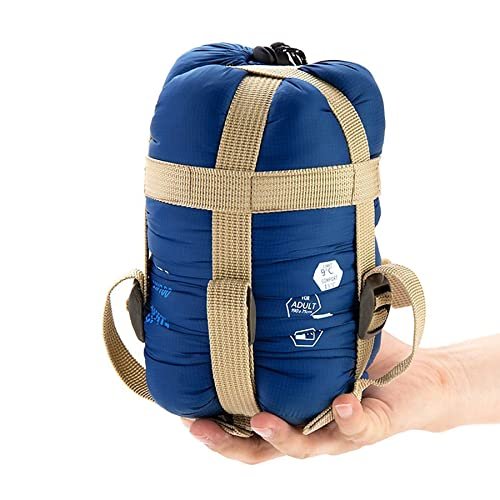
Compare nine lightweight sleeping bags and travel liners for hot-weather trips. Find options for clean hotel stays, camping, backpacking, and humid nights.