Choose a rucksack based on your activity, required capacity, body fit, carrying comfort, and the features you actually need. The right rucksack should fit your torso, distribute weight properly, and match how you plan to use it.
In the United States, rucksacks are used for many purposes, from day hikes in national parks and weekend backpacking trips to school, commuting, and international travel. Choosing the correct pack starts with understanding the difference between carrying needs, not simply selecting the largest or most feature-filled option.
A well-chosen rucksack balances volume, weight, support, durability, and organization. The best option depends on factors such as trip length, climate, equipment, personal body shape, and whether the pack will carry light daily items or heavier outdoor loads.
Source: storage.googleapis.com
Start by deciding what you will use the rucksack for
The intended activity is the most important factor when choosing a rucksack. A lightweight daypack, a backpacking pack, and a travel rucksack are designed for different carrying conditions and should not be treated as interchangeable.
Consider what you will regularly carry, how far you will walk, and whether you need quick access, weather protection, or load support. A pack designed for short walks may feel uncomfortable when overloaded for longer trips.
Source: www.youtube.com
Day hiking
Choose a smaller pack that carries water, snacks, layers, navigation tools, and basic safety items.
Backpacking
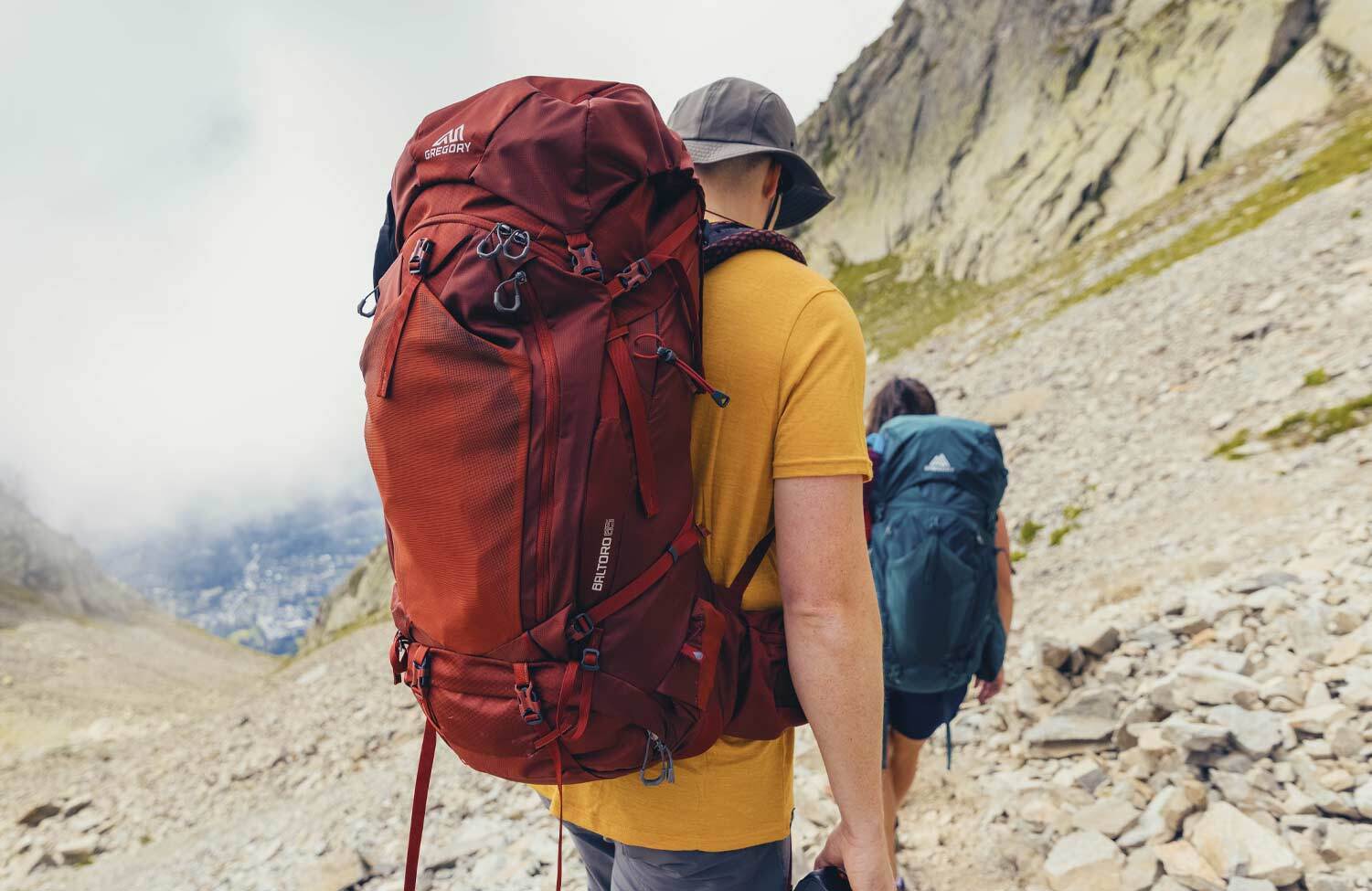
Look for larger capacity, stronger suspension, a supportive hip belt, and durable materials for multi-day equipment loads.
Travel and commuting
Prioritize organization, laptop protection when needed, security features, and comfortable carrying through airports or cities.
Choose the right rucksack capacity
Rucksack capacity is usually measured in liters. The correct volume depends on how much gear you need and how efficiently you pack.
Small packs
Often suitable for daily activities and short outings where only essentials are carried.
Medium packs
Useful for day hikes, school, commuting, and short trips requiring extra clothing or equipment.
Large packs
Designed for extended travel or backpacking where sleeping gear, food, and additional supplies are needed.
Measure the fit before buying a rucksack
A rucksack should fit your body, not just your belongings. The most important measurements are torso length and hip size because the suspension system transfers weight through the shoulders and hips.
A properly fitted pack keeps the load stable and reduces unnecessary pressure points. If the pack shifts while walking or causes discomfort even when adjusted correctly, the size or design may not match your body.
Source: cascadedesigns.com
Torso length
Select a pack size that matches your back length because torso fit affects shoulder strap position and weight distribution.
Hip belt
A supportive hip belt helps transfer heavier loads away from the shoulders when carrying substantial equipment.
Shoulder straps
Straps should sit comfortably without creating gaps or excessive pressure.
Signs that a rucksack fits correctly
The pack should feel balanced, remain stable during movement, and allow normal arm movement. The weight should not pull strongly backward or create concentrated pressure on one area.
Stable load
The rucksack stays close to your body without excessive movement.
Comfortable straps
The shoulder and hip straps support the load without causing pain or numbness.
Compare important rucksack features and materials
Features should solve a specific carrying problem. More pockets, heavier fabrics, and additional attachments are not automatically better if they add weight or complexity you do not need.
Look for construction quality that matches your environment. Outdoor packs may need abrasion resistance and weather protection, while commuting packs may prioritize organization and device storage.
Source: survival-kompass.de
Frame system
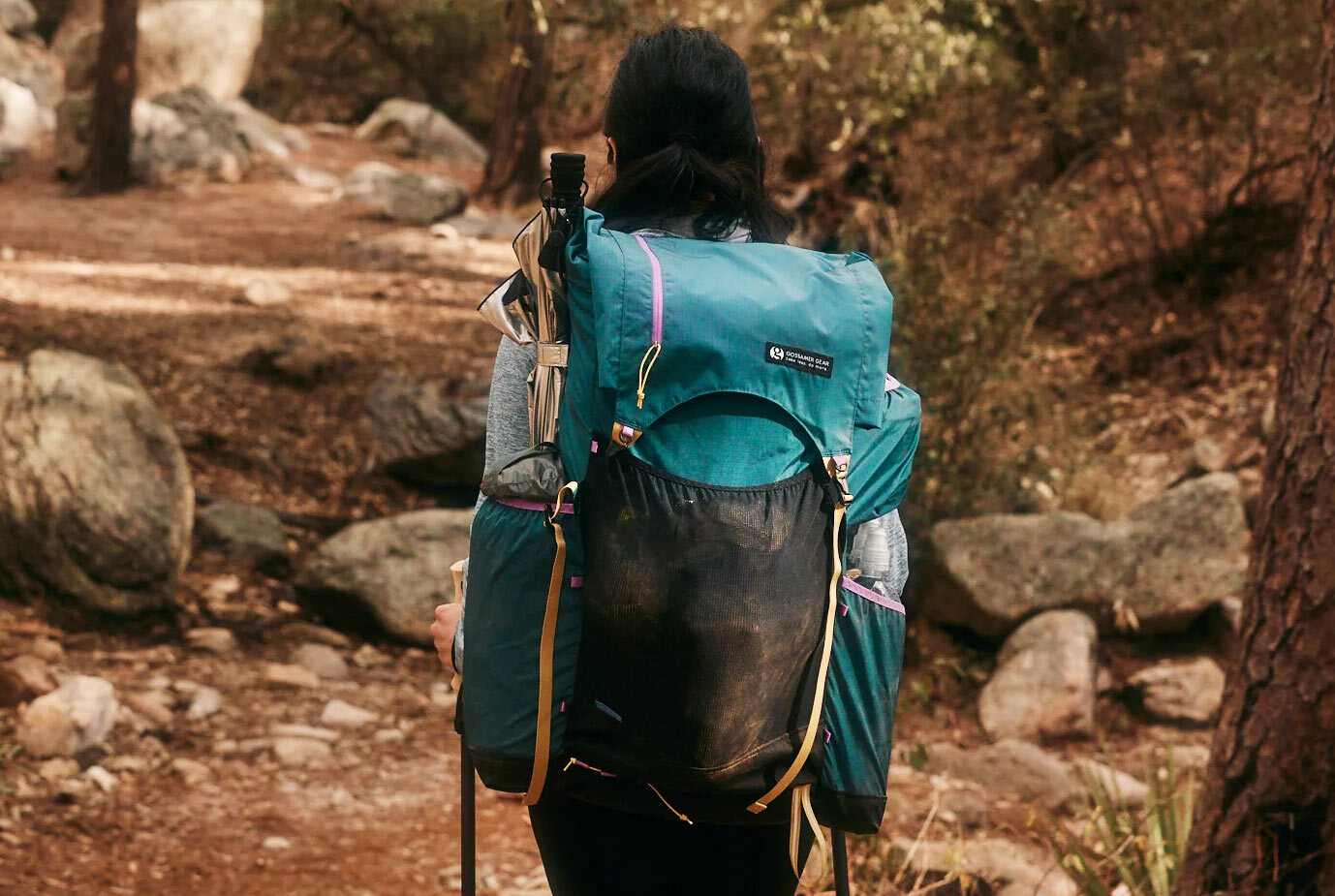
Internal frames can improve support for heavier loads, while frameless designs often reduce weight for lighter carrying.
Weather resistance
Water-resistant materials or rain covers can help protect contents, but they do not always make a pack completely waterproof.
Compartments
Separate sections can improve organization, but excessive pockets may reduce simplicity and usable space.
Avoid choosing a rucksack by appearance alone
Color and style matter for personal preference, but comfort, capacity, and fit usually have a greater effect on long-term satisfaction.
Check comfort first
A visually appealing pack that does not fit correctly can become uncomfortable during extended use.
Pack a rucksack correctly after choosing the right one
Correct packing improves comfort and stability. Heavy items should generally be placed close to the back and centered so the load does not pull the wearer backward.
Test the rucksack with realistic weight before a long trip. A pack that feels comfortable empty may behave differently when loaded.
Source: ultralightoutdoorgear.co.uk
Place heavy items correctly
Keep dense gear near the center of the pack to improve balance.
Adjust before walking
Tighten straps and reposition the load until the rucksack feels stable.
Common mistakes when choosing a rucksack
Many buyers choose a pack that is too large, ignore body fit, or select features that do not match their actual use.
Buying too much capacity
Extra space can encourage carrying unnecessary weight.
Ignoring adjustment options
A pack without suitable adjustments may not fit different body shapes comfortably.
Use a simple rucksack selection checklist
A final checklist helps compare options objectively. Focus on your planned use, expected load, comfort, and durability requirements before making a decision.
Source: ultralightoutdoorgear.co.uk
Purpose
Confirm the rucksack is designed for hiking, travel, school, commuting, or another specific activity.
Capacity
Choose enough space for your equipment without regularly carrying unnecessary volume.
Fit
Check torso adjustment, straps, and hip support when applicable.
When to replace a rucksack
Replacement depends on use, care, and construction quality. Damage to load-bearing areas, broken zippers, or failing straps can affect reliability and safety.
Inspect regularly
Check seams, straps, buckles, and fabric wear before important trips.
Frequently Asked Questions
Q
What size rucksack do I need?
The required size depends on the activity and amount of gear. Daily activities usually need less capacity than multi-day hiking or travel.
Q
How should a rucksack fit?
A rucksack should match your torso length, sit comfortably on your shoulders, and remain stable when walking. Larger loads usually benefit from a supportive hip belt.
Q
Is a heavier rucksack better?
Not necessarily. Heavier packs may offer additional support or durability, but unnecessary weight can make carrying more tiring.
Q
What is the difference between a rucksack and a backpack?
The terms are often used interchangeably. Rucksack commonly refers to outdoor or hiking-style backpacks, while backpack is a broader term covering many designs.
Q
Should I choose a waterproof rucksack?
Water resistance can help protect contents, but the right choice depends on weather conditions and whether you use separate waterproof storage or rain protection.
✦ Wrapping Up
Conclusion
Choosing a rucksack is mainly about matching the pack to your activity, body shape, and carrying requirements. Capacity, fit, support, and useful features matter more than choosing the largest or most expensive option.
Before buying, consider what you will carry, try the fit with realistic weight, and select a design that supports your actual needs.
💡 Key Takeaway
Start with your intended use, choose the appropriate capacity, and prioritize a comfortable fit before comparing extra features.
Find out what is the best cheap vlogging camera for sharp video, clear audio, and easy recording without overspending. Compare budget-friendly options.
Learn how to measure luggage dimensions accurately using length, width, and height measurements. This guide explains airline size limits, linear inches, common mistakes, and practical measuring steps.