
A good vlogging camera in the United States usually costs $500 to $1,200 for the camera alone. A complete beginner setup, including a microphone, memory card, spare battery, and small tripod, often costs $650 to $1,500.
You can spend less. A used camera may work well for $250 to $600, while a high-end setup with interchangeable lenses can pass $2,000. The right price depends on where you vlog, how you film, and whether you need strong autofocus, a flip screen, image stabilization, or good low-light video.
This guide explains what to expect at each price level and how to build a useful vlogging budget in the U.S.
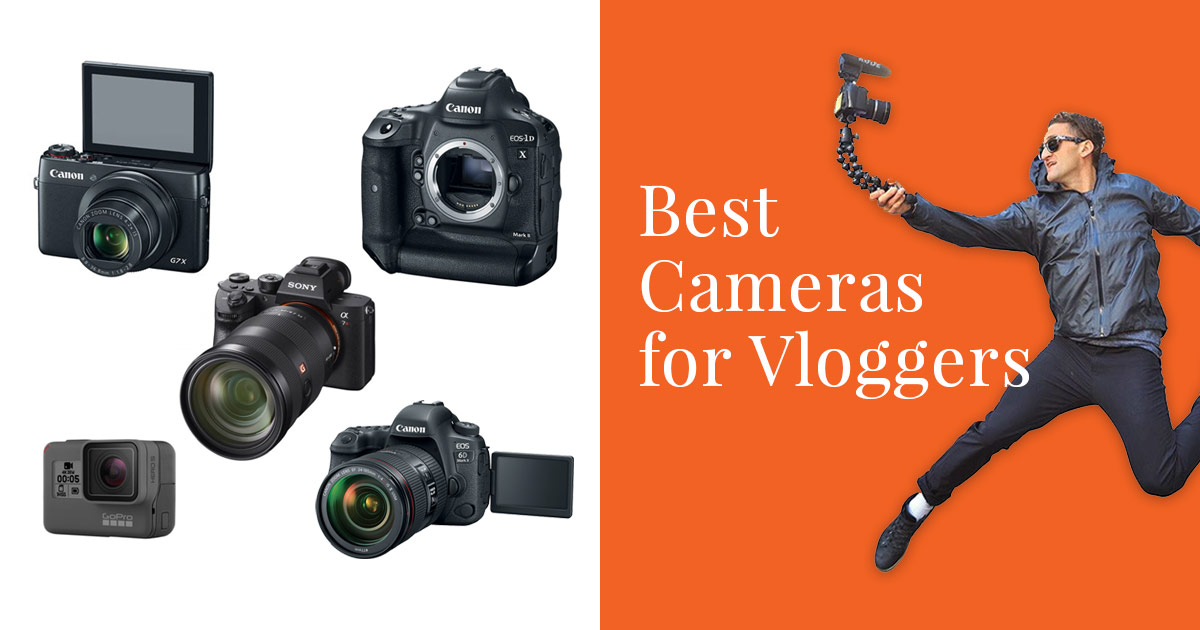
What Is a Good Vlogging Camera?
A good vlogging camera is not simply the most expensive camera. It is a camera that makes it easy to record clear video and clean sound while you move, speak, or work.
For most vloggers, the most useful features are:
- A screen that faces you
- Reliable face and eye autofocus
- A built-in or external microphone option
- Good video quality in 4K or clear 1080p
- A small and light body
- Simple controls
- A battery that lasts long enough for a normal filming session
- Good image stabilization for handheld work
A camera with a large sensor may produce better video in low light. However, it may also cost more and require larger lenses. A small camera can be easier to carry and use every day.
The best camera is the one you can take with you and use without stress. A $700 camera in your bag is more useful than a $2,000 camera that stays at home.
How Much Should You Spend on a Vlogging Camera?
Most new vloggers should plan to spend about $700 to $1,000 for a complete setup. This range often gives you a modern camera, a kit lens, a microphone, storage, and basic support gear.
Here is a practical breakdown of typical U.S. price ranges:
| Budget | What you can usually get | Best for |
|---|---|---|
| Under $300 | Used compact camera, older mirrorless camera, or smartphone accessories | Casual beginners |
| $300–$600 | Used camera or basic new compact camera | Simple home and travel vlogs |
| $600–$900 | New entry-level vlogging camera or compact camera kit | Most beginners |
| $900–$1,500 | Better autofocus, lens choice, sound, and low-light performance | Regular creators |
| $1,500–$2,500+ | Advanced camera, lenses, audio, lights, and support | Professional or commercial work |
These are planning ranges, not fixed prices. U.S. prices change with sales, product updates, bundles, and stock levels. Sales tax also increases the final cost.
The camera body is only one part of the budget. A camera that costs $800 may need another $150 to $400 in useful accessories.
Vlogging Camera Cost by Camera Type
The type of camera has a major effect on price. Each type solves a different filming problem.
Smartphones: $0 to $1,500
A recent smartphone may already be good enough for many vlogs. It can record sharp video, provide strong automatic exposure, and make editing and publishing easy.
A phone is a smart choice when you:
- Film short clips
- Post to TikTok, instagram, or YouTube Shorts
- Want to travel light
- Do not need interchangeable lenses
- Prefer a simple workflow
Add-ons can improve the result:
- Small tripod: $20–$80
- Wireless or wired microphone: $40–$300
- Phone light: $20–$100
- Phone cage or grip: $30–$150
If you already own a good phone, spending $100 on sound and support may help more than buying a cheap camera.
Compact vlogging cameras: $500 to $1,000
Compact cameras have a fixed lens. You cannot remove the lens, but the design stays small and simple.
This category often suits travel vloggers and people who want a camera that starts quickly. Some compact models include a wide lens, a flip screen, a microphone input, and useful face tracking.
Compact cameras can be easier to use than interchangeable-lens cameras. Their main limits are less lens flexibility and, in some models, weaker performance in dark rooms.
Examples in this broad category include cameras such as the Sony ZV-1F and Sony ZV-1 II. Their prices vary by retailer and promotion, so check the current U.S. price before buying.
Entry-level mirrorless cameras: $700 to $1,300
Mirrorless cameras use interchangeable lenses. This lets you choose a wide lens for handheld filming, a bright lens for indoor scenes, or a telephoto lens for distant subjects.
An entry-level kit often includes:
- Camera body
- Standard zoom lens
- Battery
- Charger or USB charging support
- Basic strap
Popular examples include cameras such as the Sony ZV-E10 series, Canon EOS R50, and similar models from Fujifilm, Nikon, and Panasonic. Features differ by model. Check the exact camera for recording limits, stabilization, microphone support, and screen design.
Mirrorless cameras offer more room to grow, but lenses can make the system costly. A camera body priced at $800 can become a $1,300 setup after adding a better lens, microphone, and spare battery.
Full-frame and advanced cameras: $1,500 to $3,000+
Full-frame cameras can provide strong low-light results and a shallow background blur. They are often useful for paid video work, studio production, and creators who need more control.
They also cost more to own. Full-frame lenses are usually larger and more expensive. The body may be heavier, and handheld filming can become tiring.
You do not need a full-frame camera to make a successful vlog. Buy one only when its benefits solve a real problem, such as poor low-light footage or a need for a professional lens system.
The Hidden Cost of a Vlogging Camera Setup
The camera price is often not the final price. A realistic budget should include the parts that affect sound, power, storage, and stability.
| Item | Typical U.S. budget |
|---|---|
| Camera body or compact camera | $500–$1,200 |
| Kit lens, if needed | $0–$400 |
| Memory card | $15–$80 |
| Spare battery | $30–$100 |
| Microphone | $40–$300 |
| Small tripod or grip | $25–$150 |
| Camera bag | $30–$150 |
| Small LED light | $25–$150 |
| Extra lens | $200–$1,000+ |
A basic setup may add only $100 to the camera price. A more complete setup may add $500 or more.
Example: a $750 beginner setup
This is a hypothetical budget:
- Camera with kit lens: $600
- Memory card: $25
- Small microphone: $75
- Mini tripod: $35
- Spare battery: $50
Estimated total before tax: $785
Example: a $1,500 creator setup
Another hypothetical setup could include:
- Mirrorless camera with kit lens: $900
- Wide-angle lens: $300
- Wireless microphone: $180
- Two memory cards: $50
- Spare battery: $60
- Tripod: $80
Estimated total before tax: $1,570
These examples show why the camera body should not use your entire budget.
Which Features Are Worth Paying For?
Pay for features that solve the way you film. Do not pay for specifications that you will not use.
Autofocus
Reliable face and eye autofocus is one of the most valuable features for a solo vlogger. It helps keep your face sharp while you move closer to or farther from the camera.
This matters most when you:
- Film yourself without a camera operator
- Walk while recording
- Change distance from the camera
- Use a wide aperture
- Record product demonstrations
A flip screen
A fully articulating screen lets you see the frame while the camera points toward you. It helps prevent poor framing and makes solo filming easier.
A screen that only tilts may work well for filming behind the camera. It is less useful when the camera faces you.
Built-in stabilization
Stabilization can reduce small shakes during handheld filming. It does not turn every camera into a smooth action camera.
Electronic stabilization may crop the image. Lens or sensor stabilization may work differently from model to model. Check the camera manual for the exact recording mode and limits.
Microphone input
A microphone input gives you more control over sound. Clear audio often improves a vlog more than a small increase in image sharpness.
Some cameras also support a headphone jack for monitoring sound. This can help you catch cable problems, wind noise, or a microphone that is not recording.
Battery and USB power
Long recording sessions use power quickly. USB charging or USB power support can be useful at home or in a studio.
Check whether the camera can record while connected to a power source. Also check whether the feature works with your charger, power bank, and recording mode.
4K video
4K gives you more image detail and lets you crop the frame during editing. It also creates larger files and requires more storage and computer power.
If you publish mainly in 1080p, a camera with strong autofocus and good sound may serve you better than a camera with weak controls but a higher resolution label.
Is an Expensive Camera Better for Vlogging?
An expensive camera is not always better for vlogging. It may offer better image quality, but it can also be heavier, harder to learn, and more costly to maintain.
A more expensive camera may be worth it when you need:
- Better video in dim indoor spaces
- Faster and more dependable autofocus
- A larger choice of lenses
- Longer recording options
- Better heat control
- Professional audio connections
- Stronger build quality
- More control over color and exposure
A cheaper camera may be better when you need:
- A light travel setup
- Fast posting from a phone or tablet
- A simple fixed lens
- Low replacement cost
- A camera for casual use
Think of price as a tool budget, not a quality score. Spend more only when the added feature changes your results.
How to Choose a Vlogging Camera by Budget
Best budget under $500
Look first at your current phone or the used market. A used compact camera or older mirrorless camera may provide good value.
Before buying used, check:
- Sensor condition
- Lens scratches
- Battery health
- Charging function
- Screen and hinge movement
- Autofocus
- Recording time
- Return policy
- Included accessories
Avoid buying an old camera only because it offers interchangeable lenses. Some older models have poor autofocus, no microphone input, or limited video recording.
Best budget from $500 to $900
This is the strongest range for many new vloggers. You may find a small compact camera or an entry-level mirrorless kit with modern autofocus and a front-facing screen.
Prioritize the camera body, then add a microphone and memory card. You can buy a better lens later.
Best budget from $900 to $1,500
This range gives you more flexibility. You may afford a better lens, wireless audio, and a tripod without cutting corners.
This budget often suits creators who publish every week or earn income from video. The extra cost can improve the filming process, not just the final image.
Budget above $1,500
At this level, define the work before you buy. You may need a second battery, several lenses, lighting, audio monitoring, and backup storage.
A high-priced camera does not replace good lighting, clear sound, strong storytelling, or careful editing.
Common Mistakes When Buying a Vlogging Camera
The most common mistake is spending nearly the whole budget on the camera body.
Other mistakes include:
- Ignoring microphone quality
- Buying a narrow lens for handheld selfie video
- Assuming every 4K mode has the same quality
- Forgetting the cost of batteries and memory cards
- Choosing a heavy camera for travel vlogs
- Buying a model without a front-facing screen
- Ignoring heat or recording limits
- Purchasing a camera without checking return terms
- Treating megapixels as a video-quality rating
- Buying a camera that requires expensive lenses without planning for them
A wide lens is often helpful for handheld filming because it gives you more room in the frame. However, an extremely wide lens can make faces and objects near the edge look stretched.
Read the manual for the exact model. Manufacturer specifications can confirm supported formats and features, but they do not guarantee that a camera will fit your style.
New or Used: Which Offers Better Value?
A used vlogging camera can offer strong value when you buy from a seller with a clear return policy and accurate condition details.
New cameras provide:
- A full manufacturer warranty, subject to its terms
- A known battery condition
- Lower risk of hidden damage
- Current firmware and accessories
- Easier returns in many cases
Used cameras may provide:
- A lower starting price
- Access to older high-quality models
- More money for lenses and audio
- Better value for a first setup
Be careful with private sales. Test the camera before the return period ends. Record a short clip, test autofocus, inspect the screen, check every port, and confirm that files transfer correctly.
A low price is not a bargain if the camera needs a battery, charger, lens, and repair before you can use it.
How to Build the Right Vlogging Camera Budget
Use this simple process:
- Set the total budget. Include tax and accessories.
- Choose your filming location. Indoor, outdoor, travel, and studio work need different features.
- Decide whether you need a fixed lens. A compact camera is simpler; a mirrorless camera offers more growth.
- Reserve money for sound. Set aside at least $50 to $150 for a basic microphone.
- Check the lens width. Make sure you can fit yourself and your surroundings in the frame.
- Check power and storage. Buy a compatible card and consider a spare battery.
- Compare the complete kit price. Do not compare one body with another camera that includes a lens.
- Read the manual before buying. Confirm recording modes, autofocus, stabilization, and external microphone support.
If you are unsure, a sensible starting point is a $600 to $900 camera setup, with room for a microphone and basic support gear.
Frequently Asked Questions
Is $500 enough for a good vlogging camera?
Yes. A $500 budget can cover a used mirrorless camera, an entry-level compact camera, or useful accessories for a phone. If you need a new interchangeable-lens camera, the body and lens may use most of the budget.
Is a phone good enough for vlogging?
A phone can be good enough for many vlogs, especially short videos, travel clips, and social content. Add a microphone, tripod, or small light before replacing the phone with a camera.
Should I buy a camera or a GoPro for vlogging?
A GoPro is useful for action, water, cycling, and hands-free filming. A traditional compact or mirrorless camera may be better for talking-head videos, indoor scenes, and lens control.
How much should I spend on a microphone?
A basic microphone can cost about $40 to $100. Wireless systems often cost more. Choose the microphone based on distance, camera compatibility, wind protection, and whether you need one or two speakers.
Do I need a 4K camera for YouTube vlogs?
No. 4K can provide extra detail and cropping room, but 1080p can still work well. Good focus, light, framing, and sound usually matter more than resolution alone.
Conclusion: A Practical Vlogging Camera Price
For most people in the United States, $700 to $1,000 is a sensible budget for a good beginner vlogging setup. Spend around $500 to $900 on the camera and reserve the rest for a microphone, memory card, battery, and tripod.
Choose a compact camera for simplicity and travel. Choose a mirrorless camera when you want better lens options and room to grow. If you already own a capable phone, improve the sound and lighting first.
The best purchase is not the camera with the highest price. It is the setup that fits your budget, filming style, and willingness to carry and use it.
Recent Posts
Find out what vlogging cameras do the Norris Nuts use, plus the camera gear and accessories behind their popular YouTube videos.
Find out what vlog camera does RiceGum use, plus key features and affordable alternatives for creators seeking better video quality.