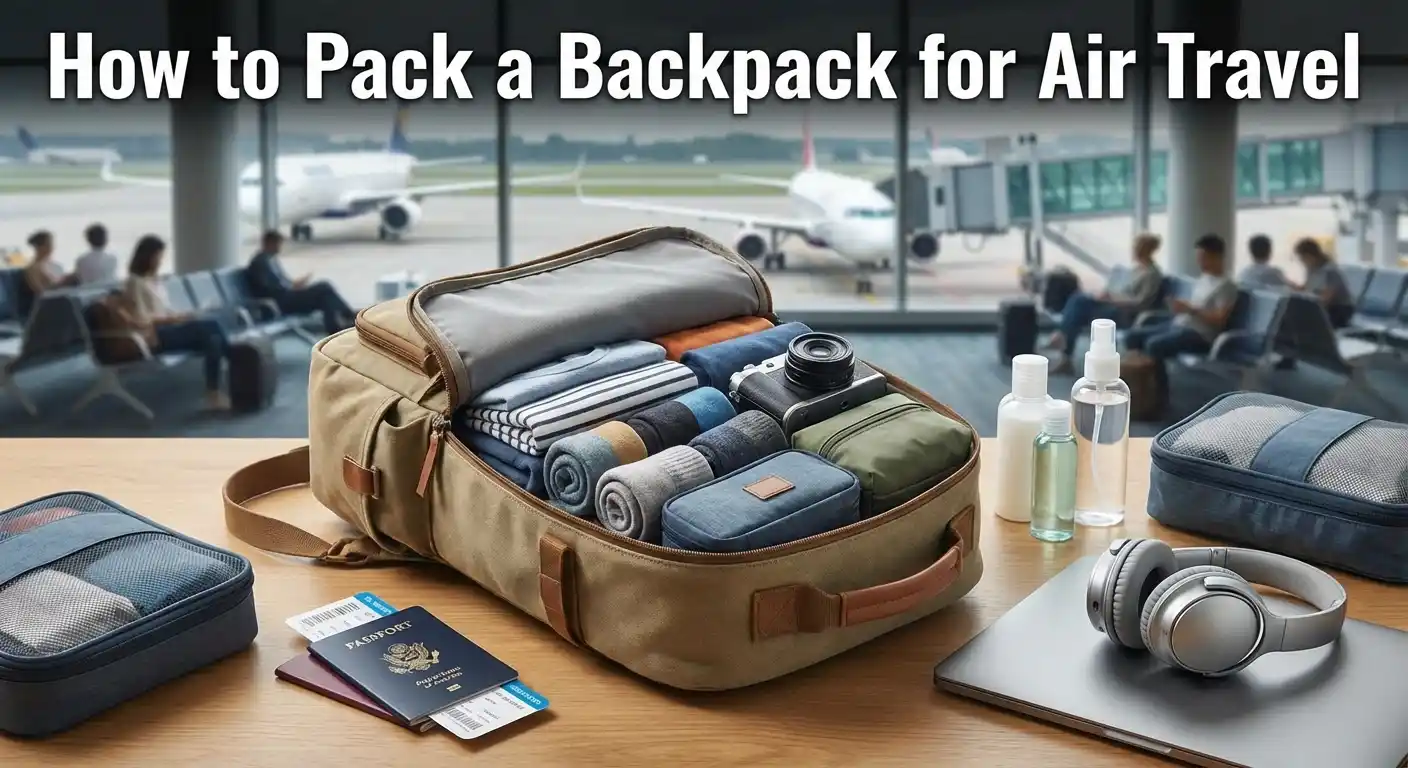
To pack a backpack for air travel, choose the right size bag, place heavier items close to your back, organize essentials for quick access, protect valuables, and keep within your airline’s size and weight limits.
For travelers flying from airports across the United States, a well-packed backpack can make airport security, boarding, and in-flight access easier. The best approach is to pack based on how you will use the bag during your trip, not simply how much space the backpack has.
A practical air travel backpack setup separates frequently used items from packed-away belongings, distributes weight evenly, and considers airline carry-on or personal item restrictions. Airline requirements vary by carrier and ticket type, so travelers should confirm current rules before departure.
The right backpack makes packing easier because its size, compartments, and structure determine how efficiently you can organize your belongings. For air travel, a backpack should match your airline’s allowed dimensions and your trip length.
A travel backpack used as a carry-on or personal item should provide enough space for essentials while remaining manageable when walking through airports or storing it under a seat.
Source: arptravels.com
Check airline limits
Review your airline’s current personal item and carry-on size rules before packing because restrictions vary among airlines and fare classes.
Consider trip length
Short trips may require only a compact backpack, while longer trips may need a larger travel backpack or additional luggage.
Look for useful organization
Separate laptop sleeves, quick-access pockets, and internal compartments can reduce searching time during travel.
Prepare Your Items Before Packing the Backpack
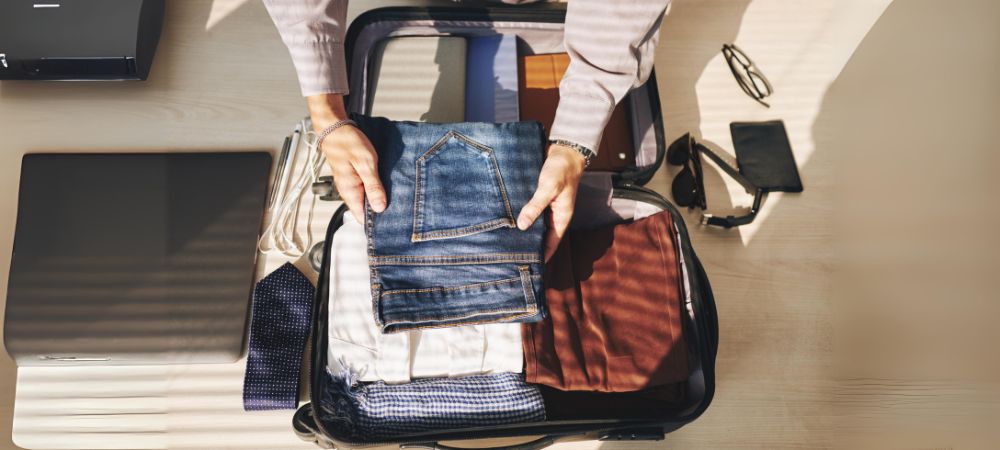
Preparing items before placing them in the backpack helps prevent overpacking and makes it easier to identify what you actually need. Create groups based on when and where you will use each item.
Travelers should consider airport requirements, destination conditions, and access needs when deciding what belongs inside the backpack.
Source: everki.com
Create essential groups
Separate clothing, electronics, toiletries, documents, snacks, and personal items before packing.
Remove unnecessary items
Avoid packing duplicates or items that are easily available at your destination unless they are required.
Protect important belongings
Use protective cases or soft clothing layers around fragile electronics and valuable items.
Pack an airport access section
Keep items needed during check-in and security screening near the top or in exterior pockets. This reduces the need to unpack the entire backpack at the airport.
Easy-access items
Store identification, boarding information, charging cables, and frequently used travel items where they can be reached quickly.
Pack the Backpack in the Correct Order
The most comfortable packing method places heavier items close to the back panel and lighter items toward the outside. This helps reduce strain when carrying the backpack through airports or during transfers.
A balanced backpack should not feel like it is pulling backward or creating pressure on one side of the body.
Source: flickr.com
Bottom layer
Place soft items such as clothing or lightweight gear that you will not need immediately.
Middle section
Place heavier items such as books, chargers, or equipment close to the back for better weight distribution.
Top section
Keep items you may need during travel, such as a jacket, headphones, or documents, near the top.
External pockets
Use smaller pockets for quick-access items but avoid storing valuable items where they are easily exposed.
Use packing cubes or organizers when helpful
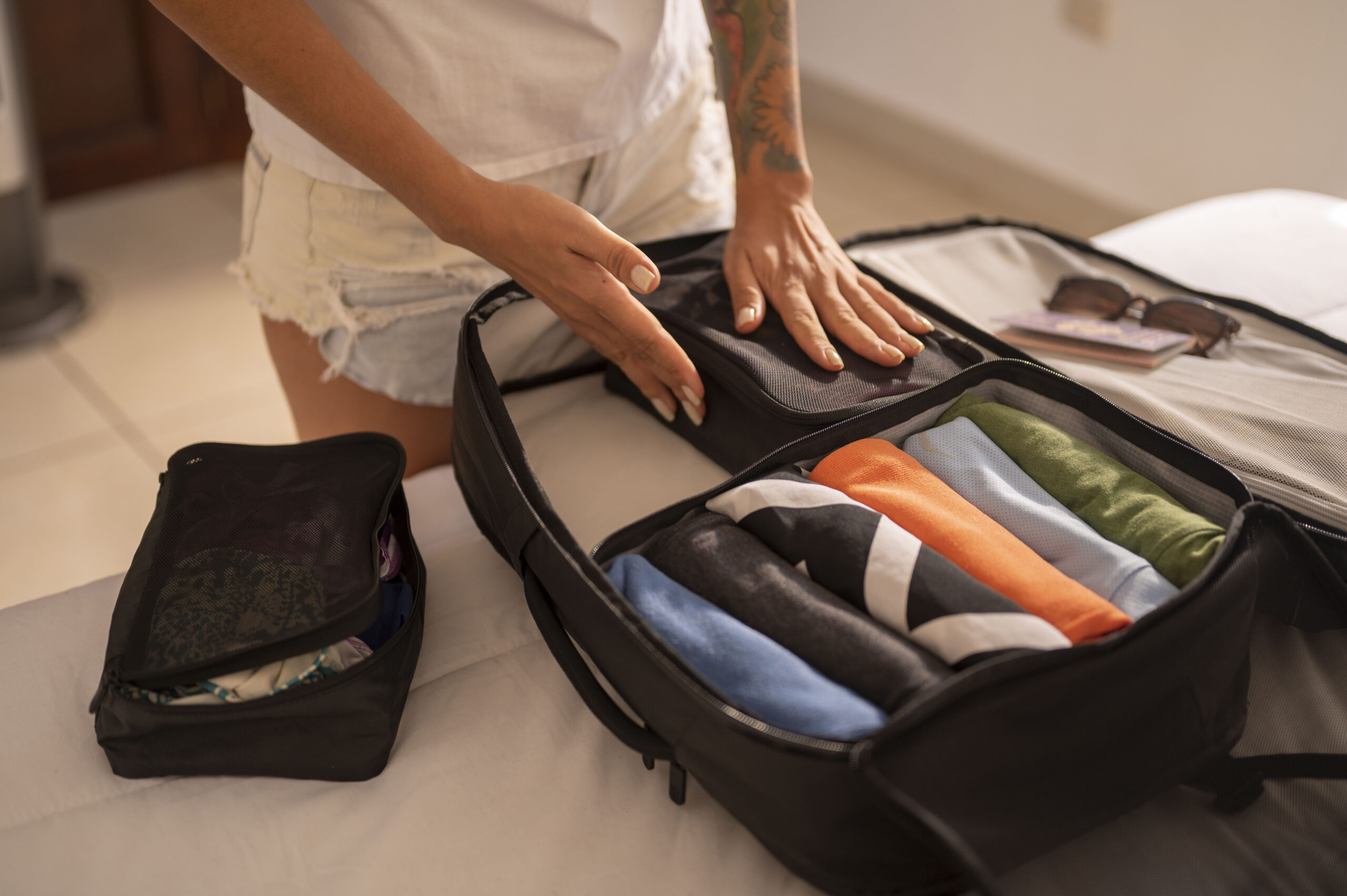
Packing cubes and small organizers can separate clothing and accessories, making it easier to find items without removing everything from the backpack.
Better organization
Grouped items can make airport checks and daily use more convenient.
Organize Electronics, Liquids, and Travel Documents
Electronics, liquids, and documents require special attention because airport security procedures may require quick removal or inspection. Keeping these items organized can make the screening process smoother.
Travelers should follow current Transportation Security Administration and airline guidance for allowed items, especially for liquids and restricted belongings.
Source: blog.tortugabackpacks.com
Electronics
Store laptops, tablets, chargers, and cables in protected compartments where they can be accessed when needed.
Liquids
Pack toiletries according to applicable airline and security requirements and keep them easy to remove if inspection is required.
Documents
Keep identification, travel confirmations, and important paperwork in a secure but accessible location.
A final inspection helps prevent common travel problems such as exceeding size limits, forgetting essential items, or carrying unnecessary weight. Test the packed backpack before leaving home.
A successful packing result is a backpack that closes comfortably, allows access to important items, and remains comfortable to carry.
Source: Reddit
Perform a weight check
Lift and carry the backpack to confirm it is comfortable and does not exceed airline restrictions.
Check accessibility
Confirm that documents, electronics, and essential items can be reached without unpacking everything.
Review prohibited items
Remove restricted items before arriving at airport security.
Common packing problems and fixes
If the backpack feels uncomfortable or does not close properly, adjust the arrangement instead of forcing more items inside.
Backpack is too heavy
Remove nonessential items or redistribute weight closer to your back.
Items are difficult to find
Group similar belongings together and move frequently used items to accessible pockets.
Frequently Asked Questions of How to Pack a Backpack for Air Travel
Q
Can a backpack be used as a carry-on for air travel?
Yes, many backpacks can be used as carry-on or personal item bags, but acceptance depends on the airline’s size limits and ticket rules. Always confirm the requirements for your specific flight.
Q
What should be packed at the top of a travel backpack?
Items needed during the journey should be placed near the top, including travel documents, headphones, chargers, snacks, or a light jacket.
Q
How do I make a backpack comfortable for a long flight?
Balance the load by placing heavier items close to your back, tightening adjustable straps correctly, and removing items that are not necessary.
Q
Should clothes be rolled or folded when packing a backpack?
Both methods can work depending on the clothing type and backpack design. Rolling can save space for some garments, while folding may reduce wrinkles for others.
Q
What should I avoid packing in an airplane backpack?
Avoid packing prohibited items, unnecessary duplicates, poorly protected fragile objects, and anything that could create problems during security screening.
✦ Wrapping Up
Conclusion
Packing a backpack for air travel works best when every item has a purpose and a planned location. A balanced layout improves comfort, while organized compartments make airport procedures and in-flight access easier.
The most effective packing method depends on the airline rules, trip length, and personal needs. Review your backpack before departure to confirm it is comfortable, organized, and ready for travel.
💡 Key Takeaway
Pack heavier items close to your back, keep essential items accessible, and verify airline requirements before heading to the airport.
Learn How Many Pounds Can My Checked Bag Be, including common airline weight limits, overweight fees, exceptions, and tips to avoid extra charges before your flight.
Learn how much stuff you can fit in a duffel bag, including clothing, shoes, travel gear, and everyday items. Compare duffel bag sizes, capacity limits, and packing tips.