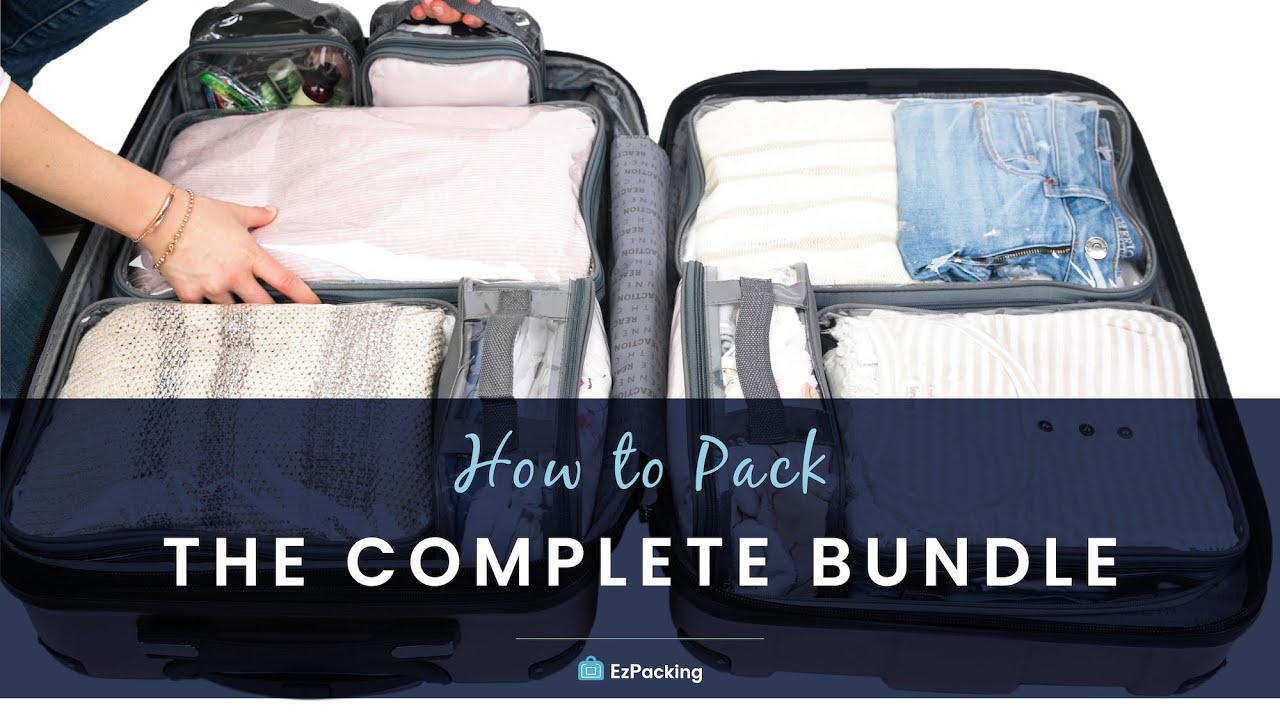
Packing cubes work by dividing luggage into smaller fabric compartments that keep clothing and travel items organized, easier to find, and more efficiently arranged inside a suitcase or backpack.
Travelers across the United States use packing cubes to manage carry-on bags, checked luggage, and travel backpacks because the small zippered containers create separate sections for different categories of items. A packing cube does not create extra suitcase space by itself, but it can help reduce wasted space by keeping items grouped and compressed.
The basic idea behind packing cubes is organization through separation. Instead of searching through a loose pile of clothing, travelers can remove one cube containing shirts, accessories, or toiletries. Compression versions add a second function by reducing the volume of soft items when their outer zipper is closed.
Packing cubes are lightweight fabric containers with zipper closures designed to fit inside luggage. They work by turning one large suitcase compartment into several smaller sections that hold similar items together.
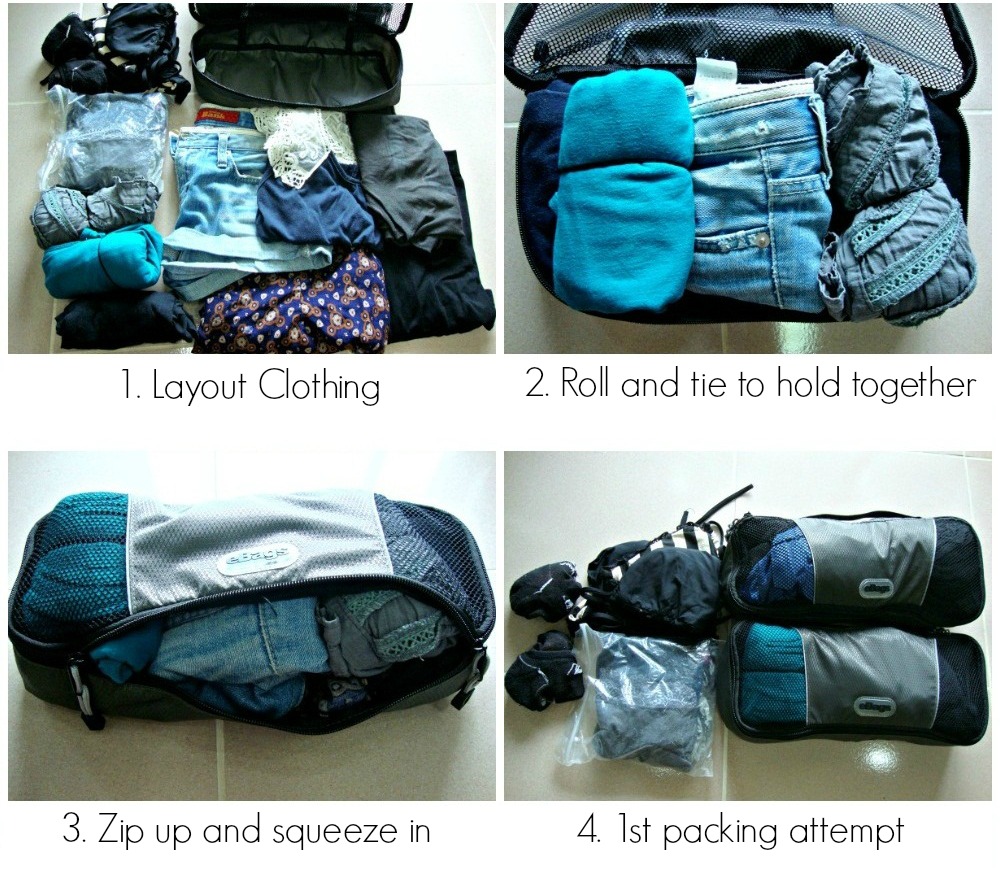
A traveler typically places folded or rolled clothing inside a cube, closes the zipper, and then places the cube inside a suitcase or backpack. The cube maintains a defined shape, which can make packing and unpacking more predictable.
Source: YouTube > EzPacking
Organization
Packing cubes separate categories such as shirts, pants, underwear, electronics, or toiletries so items are easier to locate.
Space management
The structured shape of cubes can help fill empty areas in luggage more efficiently compared with loose clothing.
Faster unpacking
Travelers can move entire groups of items between a suitcase, hotel drawer, or travel bag.
The basic packing cube process
The process is simple: choose a cube size, place similar items inside, close the zipper, and arrange the cubes in the luggage. The cube acts as a removable storage compartment rather than a storage device that changes the physical limits of the bag.
Step 1
Sort items by category, outfit, or travel day before placing them into cubes.
Step 2
Fill each cube without forcing the zipper closed because overpacking can strain the zipper and fabric.
Step 3
Place heavier cubes near the bottom or wheel side of rolling luggage for better balance.
How Compression Packing Cubes Work
Compression packing cubes work similarly to regular cubes but include an additional zipper system that reduces the amount of space occupied by soft items such as jackets, sweaters, and bulky clothing.
When the compression zipper is closed, the cube presses the contents into a smaller volume. This can create more usable room, but it does not reduce the weight of the luggage or remove the need to follow airline baggage limits.
Source: herpackinglist.com
Best uses
Compression cubes are useful for bulky clothing, cold-weather travel, and travelers trying to organize larger soft items.
Limitations
Compressed clothing may become more compact but still weighs the same amount.
Regular cubes vs compression cubes
Regular cubes focus mainly on organization, while compression cubes add a space-saving feature. The better option depends on whether the traveler needs easier access or more compact storage.
Regular packing cubes
Better for separating items and maintaining simple luggage organization.
Compression packing cubes
Better for bulky clothing where reducing volume is useful.
How to Use Packing Cubes Effectively in a Suitcase
The most effective way to use packing cubes is to create a system that matches how items are used during the trip. Frequently needed items should be placed in easy-to-access cubes, while less-used items can go deeper into the luggage.
Many travelers organize cubes by clothing type, outfit, family member, or trip activity. There is no single required method, but consistency makes packing and unpacking easier.
Source: YouTube > ebagsdotcom
Group similar items
Keep related clothing and accessories together instead of mixing different categories.
Use different sizes
Small cubes work well for accessories while larger cubes can hold shirts, pants, or jackets.
Signs you are using packing cubes correctly
A successful packing cube setup allows you to quickly find items, keeps luggage organized after opening and closing, and prevents loose clothing from spreading throughout the bag.
Easy access
You can find needed items without unpacking the entire suitcase.
Stable organization
Items remain grouped even after travel movement.
Common Packing Cube Mistakes and Limitations
Packing cubes are useful, but they do not solve every packing problem. A suitcase can still become overweight or difficult to carry if too many items are added.
Understanding the limits of packing cubes helps travelers avoid overpacking and choose the right organization method for each trip.
Source: storage.googleapis.com
Overfilling cubes
Stuffing cubes too tightly can make zippers harder to close and reduce the benefit of organized packing.
Ignoring weight limits
Compression can reduce volume but cannot reduce total luggage weight.
Using the wrong size
A cube that is too large or too small may waste space compared with a better-sized option.
When packing cubes may not help much
Minimalist travelers with very small bags may not need multiple cubes. Likewise, travelers carrying mostly rigid equipment may benefit more from specialized cases than soft packing cubes.
Do Packing Cubes Save Space?
Packing cubes can help travelers use luggage space more efficiently, but they do not physically create additional capacity. The main benefit is reducing empty gaps and keeping soft items contained.
Compression cubes may reduce the visible volume of some clothing, but the amount of improvement depends on the type of clothing, packing method, and cube design.
Source: Travel Fashion Girl
Space benefit
Better organization can make it easier to fit items neatly into available areas.
No weight benefit
The total weight remains unchanged after using packing cubes.
Choosing the right packing cube system
Choose packing cubes based on luggage size, trip length, clothing type, and whether organization or compression is the main goal.
Short trips
A few small or medium cubes may be enough for carry-on travel.
Long trips
Multiple cube sizes can help separate clothing categories and improve access.
Frequently Asked Questions of How Do Packing Cubes Work
Q
Do packing cubes actually work?
Yes. Packing cubes work as organization tools by separating items and creating structured sections inside luggage. Their effectiveness depends on how they are packed and used.
Q
Do packing cubes make clothes less wrinkled?
Packing cubes can help reduce movement inside luggage, which may limit some wrinkles. However, they do not replace careful folding or wrinkle-resistant clothing.
Q
Can packing cubes be used in carry-on luggage?
Yes. Packing cubes are commonly used in carry-on bags because they make small spaces easier to organize and access.
Q
Are compression packing cubes better than regular packing cubes?
Neither type is always better. Regular cubes are often enough for organization, while compression cubes are more useful when reducing the volume of bulky clothing is a priority.
Q
How should I arrange packing cubes in my suitcase?
Place heavier cubes lower in rolling luggage, keep frequently used items accessible, and fill remaining spaces with smaller cubes or loose soft items.
✦ Wrapping Up
Conclusion
Packing cubes work by creating organized compartments inside luggage, making it easier to pack, find, and manage travel items. They are most useful when travelers use a consistent system and choose cube types that match their packing needs.
The best results come from treating packing cubes as organization tools rather than a way to bypass luggage size or weight limits. A thoughtful packing system can make travel preparation and unpacking more efficient.
💡 Key Takeaway
Start by using a few packing cubes to separate clothing categories, then adjust the system based on your luggage size and travel habits.
Learn How Many Pounds Can My Checked Bag Be, including common airline weight limits, overweight fees, exceptions, and tips to avoid extra charges before your flight.
Learn how much stuff you can fit in a duffel bag, including clothing, shoes, travel gear, and everyday items. Compare duffel bag sizes, capacity limits, and packing tips.