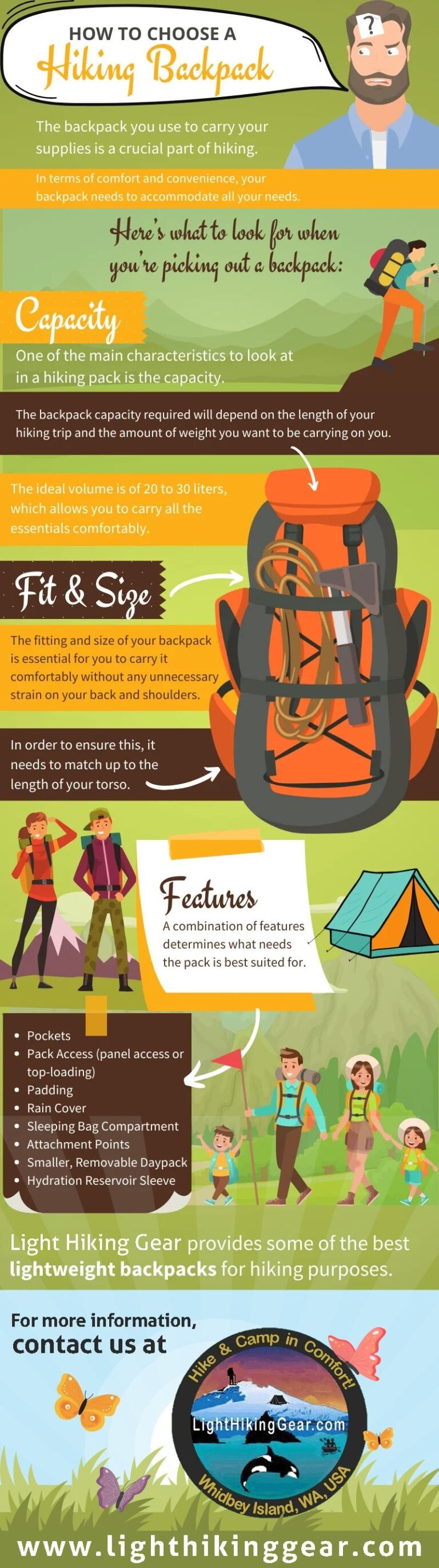
Choose a backpack by matching the pack size, fit, features, and materials to your main activity, the amount of gear you carry, and how long you will use it.
In the United States, backpack choices vary widely because people use them for school, commuting, business travel, camping in national parks, hiking local trails, and long-distance backpacking. The right backpack is not the largest or most expensive option; it is the one that supports your specific load while remaining comfortable.
A good selection process starts with identifying the purpose of the backpack, estimating the required capacity in liters, checking the fit of the suspension system, and evaluating practical features such as pockets, weather resistance, and durability. A properly chosen backpack helps distribute weight and reduces unnecessary strain during use.
Source: storage.googleapis.com
Start by Identifying What You Will Use the Backpack For
The best backpack depends on its primary purpose. A school or office backpack prioritizes organization, laptop protection, and daily comfort, while a hiking backpack focuses on carrying outdoor equipment efficiently.
Before buying, consider where you will use the pack, how often you will carry it, and what items must fit inside. A backpack designed for one activity may not perform well for another.
Source: in4adventure.com
Everyday use
Choose a compact backpack with simple organization for commuting, school, errands, or light daily carrying.
Travel
Look for accessible compartments, comfortable straps, and a size that works with your airline and travel needs.
Hiking and backpacking
Prioritize supportive suspension, weather protection, ventilation, and enough capacity for outdoor gear.
Choose the Right Backpack Size and Capacity
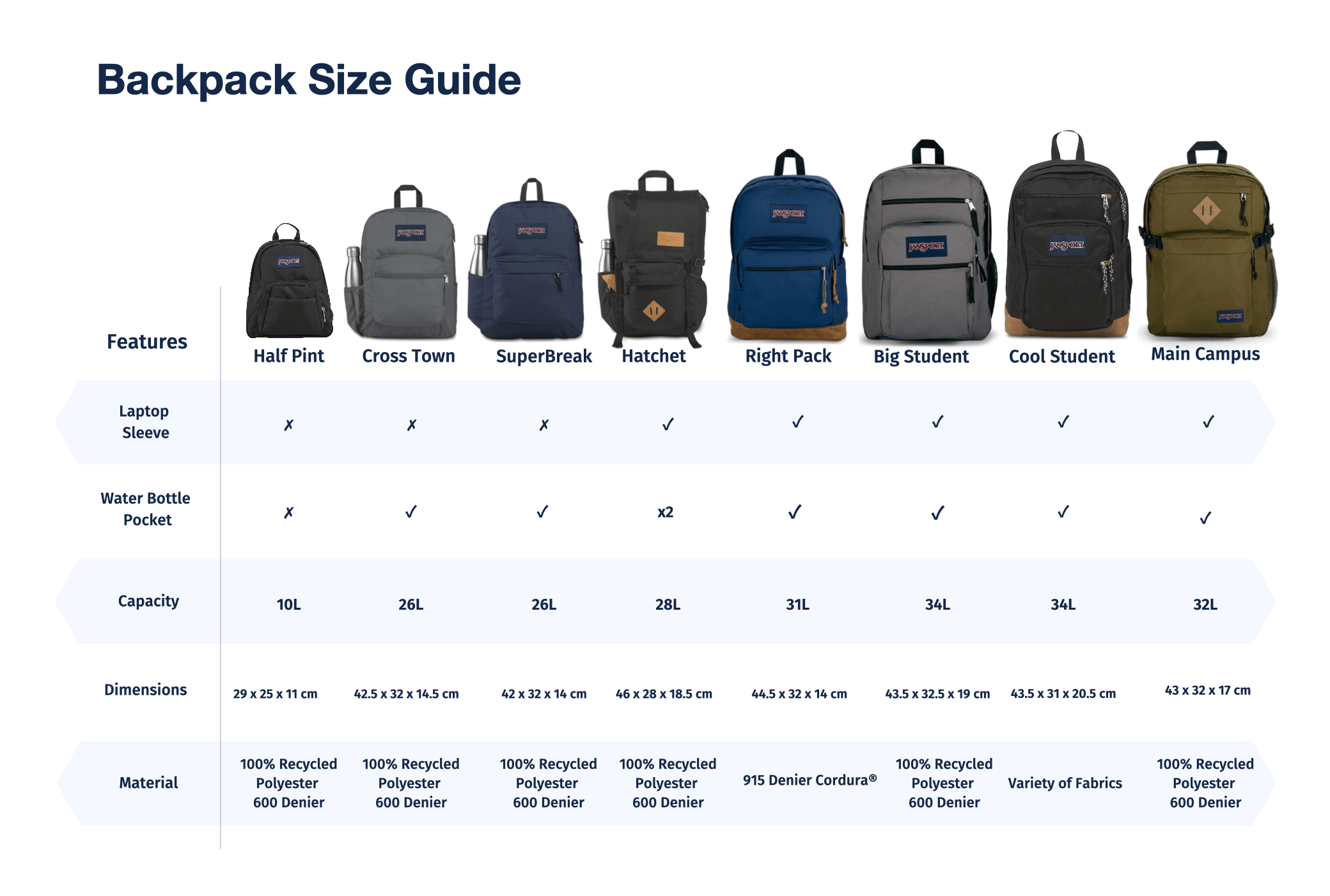
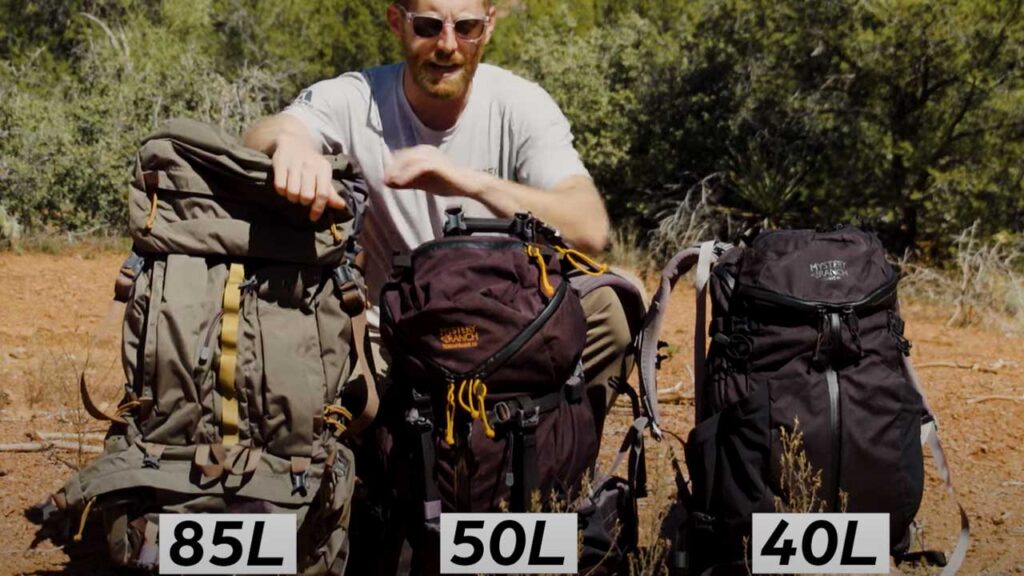
Backpack capacity is usually measured in liters. The correct size depends on how much equipment you carry and how long you need supplies to last. A larger backpack provides more space but can encourage carrying unnecessary weight.
For hiking, common categories range from small daypacks to large multi-day packs. Travelers should also consider airline size limits and whether the backpack needs to replace a suitcase.
Source: backpackersland.com
10 to 25 liters
Suitable for everyday carry, short outings, and lightweight day trips.
25 to 45 liters
Often works for travel, commuting with extra gear, and shorter hiking trips.
45 liters and above
Designed for extended trips where additional clothing, camping equipment, or supplies are required.
Estimate Your Gear Before Choosing Capacity
Make a list of essential items before selecting a backpack. Include clothing, electronics, food, water, safety equipment, and activity-specific gear. This prevents choosing a pack that is either too small or unnecessarily heavy.
Avoid overpacking
Extra space can lead to carrying more weight than needed.
Check Backpack Fit Before Buying
A backpack should fit your body shape and distribute weight comfortably. The most important fit factors include torso length, shoulder strap adjustment, hip belt position, and overall load placement.
For larger hiking packs, a properly adjusted hip belt transfers much of the load from the shoulders to the hips. An incorrect fit can make even a high-quality backpack uncomfortable.
Source: atlasandboots.com
Measure torso length
Use torso measurements rather than height alone because people of the same height can have different body proportions.
Adjust straps
Tighten shoulder straps and load lifters so the backpack sits close to the body without restricting movement.
Test with weight
Try the backpack with a realistic load to check comfort and balance.
Compare Backpack Features and Materials
Features should support the way you use the backpack. More pockets and attachments are not always better because extra components can add weight and complexity.
Materials affect durability, weather resistance, and weight. Many outdoor backpacks use synthetic fabrics designed to handle abrasion and changing conditions.
Source: storage.googleapis.com
Compartments
Choose organization features that match your routine, such as laptop sleeves, hydration pockets, or quick-access storage.
Weather protection
Consider water-resistant materials or rain covers if exposure to wet conditions is expected.
Ventilation
Back panels with airflow features can improve comfort during warm-weather activities.
Common Backpack Selection Mistakes to Avoid
Many backpack problems come from choosing based only on price, appearance, or advertised capacity. A backpack should be evaluated according to the actual conditions where it will be used.
Avoid selecting a pack without checking fit, especially for hiking and heavy loads. A poorly fitted backpack may create discomfort even when the pack has useful features.
Source: jhl-outdoor-recreation.com
Buying too large
A larger backpack can encourage unnecessary packing and create a heavier load.
Ignoring body fit
A backpack designed for a different torso size may not distribute weight correctly.
Choosing features you do not need
Extra compartments and accessories are only valuable when they solve a real carrying problem.
Frequently Asked Questions
Q
What is the most important factor when choosing a backpack?
The most important factor is matching the backpack to your intended use. Size and fit usually have the biggest effect on comfort and practicality.
Q
How many liters should a backpack be?
The required capacity depends on your activity. Small packs work for daily use, medium packs fit short trips, and larger packs are better for extended outdoor adventures.
Q
How should a hiking backpack fit?
A hiking backpack should sit comfortably against your back, with shoulder straps adjusted correctly and a hip belt positioned to support the load.
Q
Is a more expensive backpack always better?
Not necessarily. A more expensive backpack may include higher-quality materials or features, but the best option depends on whether those features match your needs.
Q
Can one backpack work for travel and hiking?
Some backpacks can handle multiple uses, but specialized designs usually perform better for specific activities. Consider your main use before choosing a multipurpose pack.
✦ Wrapping Up
Conclusion
Choosing a backpack requires balancing purpose, capacity, fit, and features. The right backpack should carry what you need while remaining comfortable and practical for the conditions you expect.
Start by identifying your activity, estimate your gear requirements, test the fit, and select features that solve real problems. This approach helps you avoid buying a backpack that is too small, too large, or uncomfortable.
💡 Key Takeaway
Choose the backpack that fits your body and your activity first, then select capacity and features based on the gear you actually need to carry.
Learn how to choose a hiking backpack based on trip length, capacity, fit, comfort, materials, and features. Use this practical guide to find the right pack for day hikes, overnight trips, and backpacking.