Most backpackers need a 40 to 60 liter backpack. A 40 to 50 liter pack usually works for lightweight weekend and 2 to 4 day trips, while a 55 to 65 liter pack is better for longer trips, colder conditions, or carrying more equipment.
In the United States, backpacking conditions vary widely from dry desert trails in the Southwest to colder mountain routes in places such as Colorado, Alaska, and the Pacific Northwest. Because gear requirements change with weather, terrain, and trip length, there is no single backpack size that works for every backpacker.
The right backpack volume depends on the amount of equipment, food, water, and safety gear you must carry. A smaller pack can reduce unnecessary weight, but an oversized pack may encourage carrying extra items. Choosing liters based on your actual needs helps balance comfort, organization, and carrying efficiency.
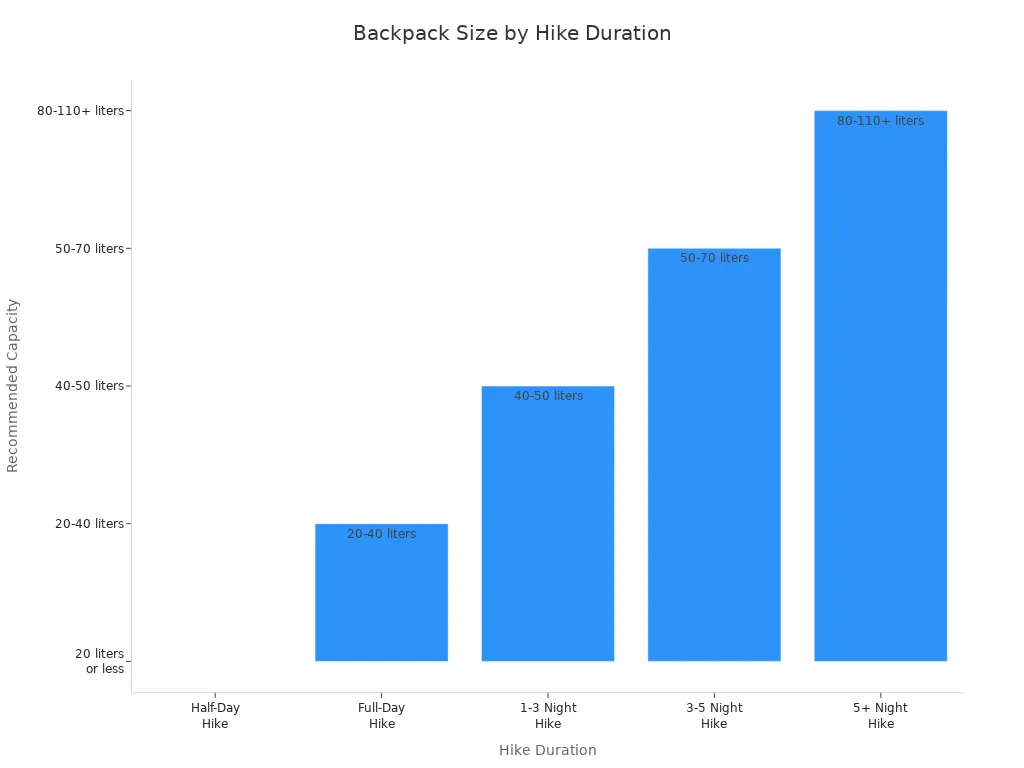
Most backpackers need between 40 and 60 liters of backpack capacity. This range covers many common situations, including weekend trips, multi-day hikes, and trips where hikers carry a tent, sleeping system, cooking equipment, clothing, and food.
The best size depends on what you carry. A backpacker using lightweight equipment may fit everything into a 35 to 45 liter pack, while someone carrying bulkier sleeping bags, winter clothing, or extra supplies may need 60 liters or more.
Source: statics.mylandingpages.co
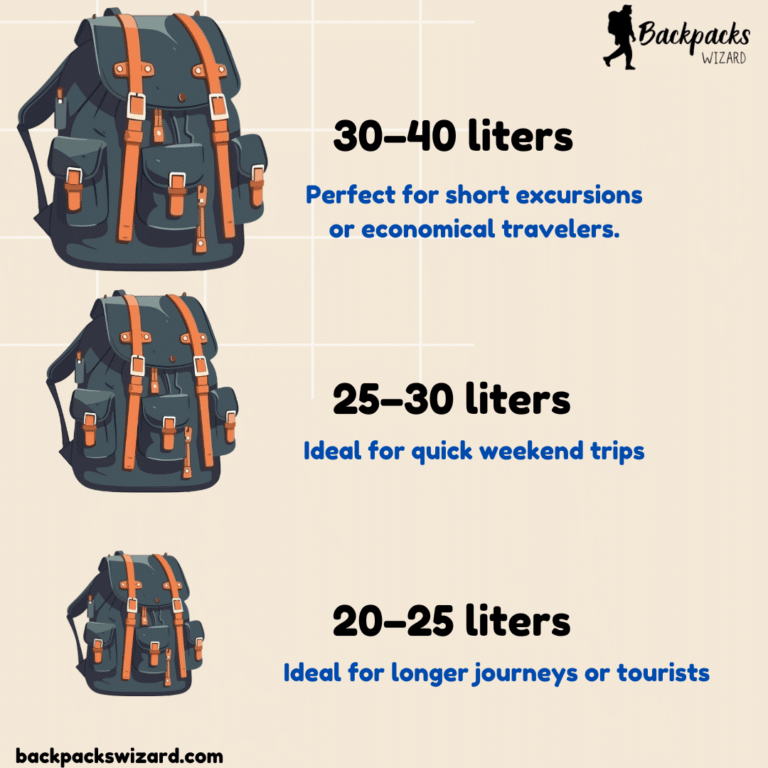
30 to 40 liters
Suitable for minimalist overnight trips, warm-weather trips, and hikers using compact lightweight equipment.
40 to 55 liters
A versatile range for most 2 to 5 day backpacking trips with standard camping gear.
55 to 70 liters
Useful for longer trips, colder climates, group gear, or carrying extra food and equipment.
Why Backpack Volume Is Measured in Liters
Backpack capacity is measured in liters because it describes the internal storage volume available for gear. A larger liter rating does not automatically mean a backpack is better; it only means it can hold more equipment.
Two backpacks with the same liter rating can feel different because pocket design, shape, frame structure, and compression systems affect how efficiently gear fits.
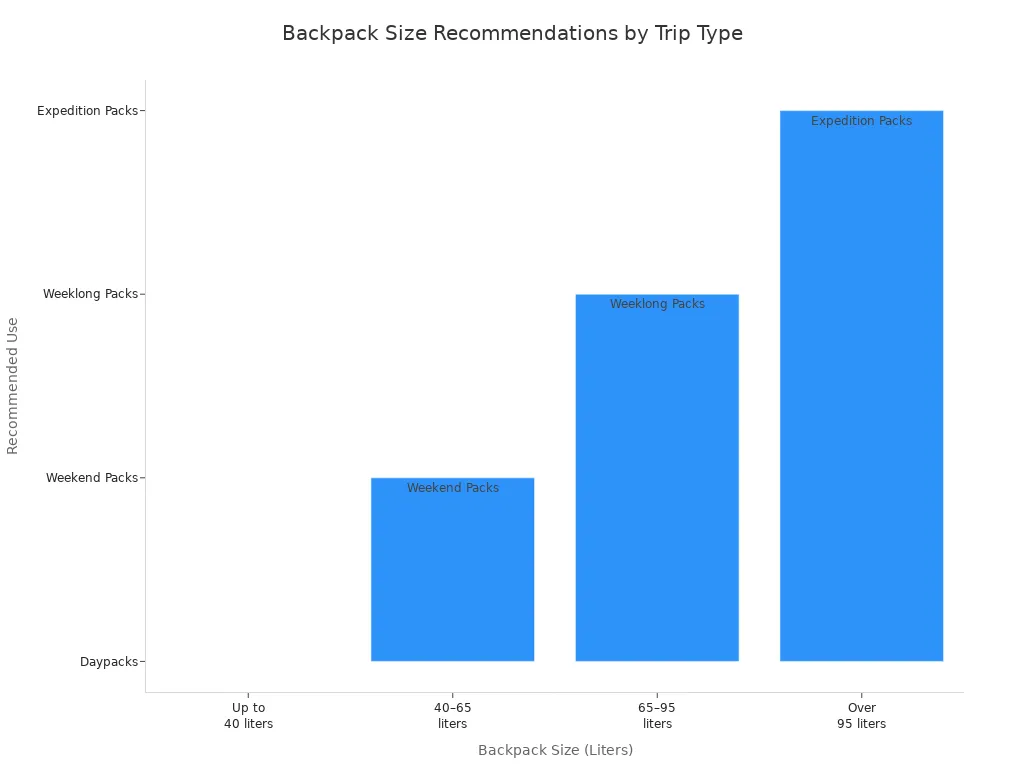
Backpack Size by Trip Length
Trip duration provides a useful starting point, but it should not be the only factor when selecting backpack size. A five-day summer trip with lightweight equipment may require less space than a two-day winter trip.
The following ranges are general guidelines for backpackers carrying their own shelter, sleeping gear, food, and basic equipment.
Source: statics.mylandingpages.co
Day trips
15 to 30 liters is usually enough for water, clothing layers, snacks, first aid, and emergency supplies.
Overnight backpacking
30 to 45 liters often works when using compact gear and traveling in mild weather.
Weekend trips
40 to 55 liters is commonly suitable for two to four days of backpacking.
Extended trips
55 to 70 liters may be needed when carrying more food, fuel, clothing, or specialized equipment.
Factors That Change the Backpack Size You Need
The number of liters required changes depending on your equipment choices and environmental conditions. Two hikers on the same trail may need different backpack sizes because their gear systems are different.
Before choosing a backpack, consider the largest and bulkiest items you must carry, especially your shelter, sleeping bag, sleeping pad, and clothing.
Source: gotonationalparks.com
Weather conditions
Cold-weather trips require more space for insulated clothing, warmer sleeping systems, and additional emergency equipment.
Gear weight and size
Compact lightweight gear allows hikers to use smaller backpacks because it takes less space.
Dry areas with limited water sources may require carrying more water, which adds significant weight and storage needs.
How to Estimate Backpack Space Before Buying
A practical method is to gather all the gear you expect to carry and measure how much space it occupies. Place your equipment into a bag or container with known dimensions, then compare that volume with backpack liter ratings.
Leave some extra room for food, unexpected weather gear, and items you may collect during the trip. A backpack filled completely to capacity can become difficult to organize and uncomfortable to carry.
Common Backpacking Capacity Mistakes
Many backpackers choose a pack that is either too large or too small because they focus only on the advertised liter number. The best choice depends on the complete gear system and the type of trips planned.
Avoid selecting a very large backpack simply because it provides extra space. More capacity can make it easier to carry unnecessary items, increasing pack weight and reducing comfort.
Source: exploringwild.com
Buying too large
Extra space may encourage overpacking and make the backpack heavier than necessary.
Buying too small
A pack without enough room may force poor organization or require attaching gear externally.
Ignoring fit
A correctly sized backpack frame and suspension system are important for carrying comfort, regardless of liter capacity.
Choosing the Right Backpacking Size for Your Situation
The best backpack size matches your typical trips, equipment, and environment. If most trips are short summer outings, a smaller pack may provide better comfort. If you regularly travel in changing weather or remote areas, additional capacity may be useful.
A 50 to 60 liter backpack is often a practical starting point for beginners because it provides enough room for common backpacking equipment without being oversized for many trips.
Source: cdn.shopify.com
Beginner backpackers
A 50 to 60 liter pack offers flexibility while learning what gear is actually needed.
Ultralight backpackers
A 35 to 45 liter pack may work when using compact equipment and reducing carried weight.
Cold-weather backpackers
A 60 liter or larger pack may be needed for bulky insulation and winter equipment.
Frequently Asked Questions
Q
Is a 40 liter backpack big enough for backpacking?
A 40 liter backpack can be enough for many overnight and short multi-day trips, especially when using lightweight and compact gear. It may not provide enough room for bulky winter equipment or extended trips with large food supplies.
Q
Is a 60 liter backpack too big for most backpacking trips?
A 60 liter backpack is larger than necessary for some lightweight trips, but it remains a common size for backpackers who need flexibility for different conditions, longer trips, or bulkier equipment.
Q
How many liters should a beginner backpacker get?
Many beginners choose a 50 to 60 liter backpack because it provides enough space while they learn their preferred gear setup. As equipment becomes lighter and more compact, some hikers later move to smaller packs.
Q
Does backpack weight matter more than liters?
Both matter. A larger backpack can carry more gear, but unnecessary capacity can increase weight. The goal is to carry the required equipment as efficiently as possible.
Q
Can I use a hiking backpack for backpacking?
Some hiking backpacks work for backpacking if they provide enough capacity, comfort, and support for the expected load. Daypacks are usually too small for carrying overnight equipment.
✦ Wrapping Up
Conclusion
For most backpacking trips, a 40 to 60 liter backpack provides the right balance of storage space and carrying comfort. The ideal size depends on trip length, climate, equipment volume, and personal packing style rather than a single universal number.
Before buying a backpack, review the gear you actually carry and choose enough capacity for your normal trips without adding unnecessary space that encourages extra weight.
💡 Key Takeaway
Start with a 50 to 60 liter backpack if you are new to backpacking, then adjust to a smaller or larger size as your gear system and trip style become clear.
Learn how to measure luggage dimensions accurately using length, width, and height measurements. This guide explains airline size limits, linear inches, common mistakes, and practical measuring steps.
Learn how to choose a camping backpack based on trip length, capacity, fit, materials, features, and comfort. This USA-focused guide explains what to look for before buying a camping pack.
Learn how a backpacking pack should fit, including torso length, hip belt placement, shoulder straps, load lifters, and common fitting mistakes for comfortable hiking.
Learn how many liters a carry on backpack should be, including airline size limits, recommended capacities, packing tips, and how to choose the right backpack volume.
Learn how to choose a rucksack by comparing capacity, fit, comfort, materials, features, and intended use for hiking, travel, school, and everyday carrying.