A backpacking pack should fit so the hip belt carries most of the load on your pelvis, the shoulder straps sit comfortably around your shoulders, and the torso length matches your body without gaps or pressure points.
For backpackers in the United States, a properly fitted pack can make long-distance trails, weekend trips, and wilderness trips more comfortable by improving weight distribution and reducing unnecessary strain. A backpacking pack is designed to transfer much of its weight from the shoulders to the hips through the frame and suspension system.
The correct fit depends on your torso length, hip size, pack design, and the amount of weight you carry. A pack that is too large, too small, or adjusted incorrectly may cause shoulder pressure, hip discomfort, rubbing, or reduced stability on uneven terrain.
Source: cdn.shopify.com
The Correct Fit Starts With Torso Length and Hip Belt Position
A backpacking pack fits correctly when the suspension system matches your torso length. Torso length is the distance between the top of your hip bones and the bony point at the base of your neck. Many backpacking packs offer adjustable torso systems, while others come in fixed sizes.
The hip belt should wrap around your hips rather than your waist. When tightened properly, it should sit above the hip bones and feel secure without restricting movement or breathing.
Source: images.prismic.io
Torso measurement
Measure your torso before selecting a pack size because body height alone does not determine backpack fit.
Hip belt placement
Position the center of the hip belt over the iliac crest, the upper edge of your pelvis, so the pack weight transfers effectively.
Signs the torso length is wrong
A backpack with an incorrect torso length may cause the shoulder straps to pull incorrectly, leave gaps between your back and the pack, or place pressure in areas that should not carry weight.
Too long
The hip belt may sit too low and the shoulder straps may not contact your body correctly.
Too short
The shoulder straps may feel tight and the hip belt may sit too high.
How to Adjust a Backpacking Pack Step by Step
Adjusting a backpacking pack in the correct order helps the suspension system work as designed. Load the pack with a realistic amount of gear before adjusting it because an empty pack will fit differently from a loaded one.
Source: abbybags.com
Step 1: Loosen all straps
Start with loose shoulder straps, hip belt, sternum strap, and load lifters before putting on the pack.
Step 2: Secure the hip belt
Tighten the hip belt first so the pack weight rests on your pelvis.
Step 3: Adjust shoulder straps
Pull the shoulder straps until they sit close to your shoulders without carrying excessive weight.
Step 4: Fine tune load lifters
Adjust the upper straps so the pack stays close to your body while allowing comfortable movement.
How the Shoulder Straps and Sternum Strap Should Fit
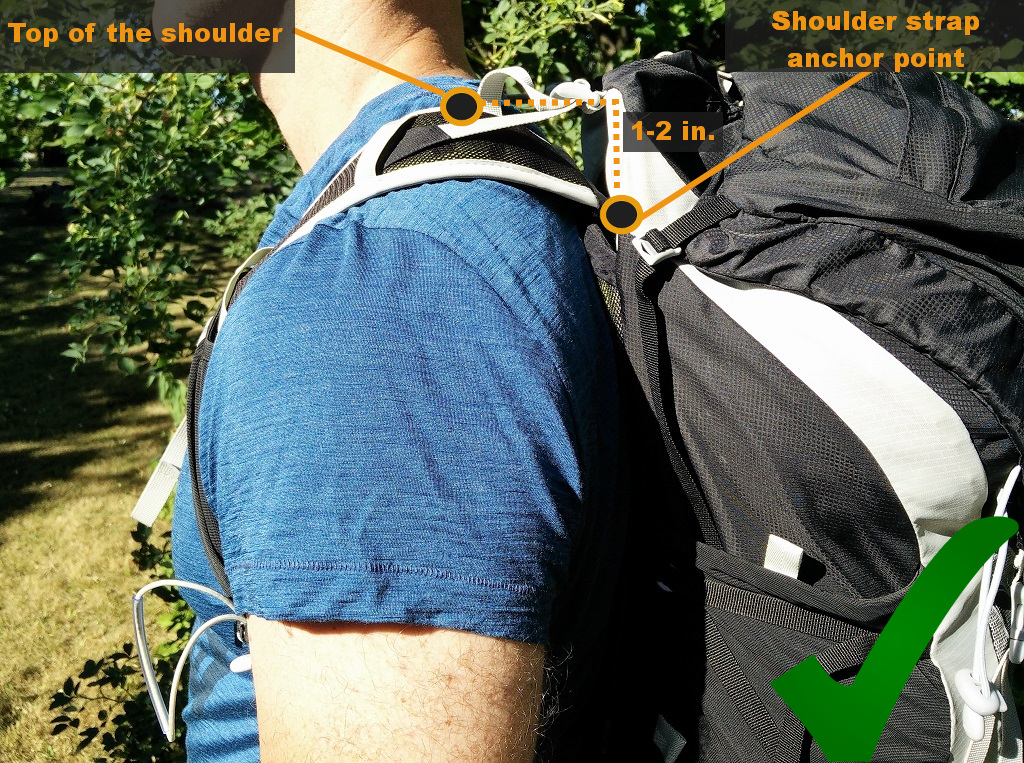
Shoulder straps should follow the shape of your shoulders and upper chest without creating strong pressure points. They stabilize the load but should not support most of the pack weight.
The sternum strap connects the shoulder straps across your chest. It should improve stability without restricting breathing or pulling the shoulder straps into an uncomfortable position.
Source: in4adventure.com
Shoulder strap contact
The straps should touch your shoulders evenly without leaving large gaps.
Sternum strap height
Place it at a comfortable position across the upper chest rather than directly against the neck.
Backpack Fit Problems and How to Fix Them
Most backpack fitting problems come from incorrect sizing, improper adjustment, or carrying a load that exceeds what the suspension system can comfortably support. Make adjustments one at a time to identify the cause.
Source: i.pinimg.com
Shoulder pain
Check whether the hip belt is loose or whether the pack torso length is incorrect.
Hip discomfort
Reposition the hip belt and check that the pack is not hanging too low.
Pack pulling backward
Adjust load lifters and shoulder straps to bring the weight closer to your body.
When a backpack cannot be adjusted enough
If repeated adjustments do not remove pressure points or instability, the backpack size, frame shape, or suspension design may not match your body. Trying a different pack size may be necessary.
Consider professional fitting
Outdoor retailers with fitting services may help measure torso length and adjust pack suspension.
Backpacking Pack Fit Checklist Before a Trip
Before starting a backpacking trip, test the pack with your planned gear and adjust it while walking. A good fit should feel stable on climbs, descents, and uneven ground without causing pain or excessive movement.
Source: nailthetrail.com
Check the load
Use a realistic pack weight because comfort can change significantly as the load increases.
Walk and adjust
Take a short practice hike and make small adjustments before a longer trip.
Inspect pressure points
Look for rubbing, numbness, sharp pressure, or areas that become uncomfortable over time.
Frequently Asked Questions
Q
Should a backpacking pack sit on my hips or shoulders?
A properly fitted backpacking pack should transfer most of the load to your hips through the hip belt. The shoulder straps help stabilize the pack but should not carry the majority of the weight.
Q
How tight should a backpacking hip belt be?
The hip belt should be snug enough to prevent the pack from dropping or shifting but not so tight that it restricts movement or breathing.
Q
How do I know if my backpack torso length is correct?
Your torso length is likely correct when the hip belt sits on your pelvis, shoulder straps contact your shoulders properly, and the frame follows your back without uncomfortable gaps.
Q
Can a backpacking pack fit differently with different loads?
Yes. A lightly packed backpack and a fully loaded backpack can feel different because the weight changes how the suspension system contacts your body. Test the pack with a similar load to your planned trip.
Q
What should I do if my backpack causes pain?
Stop and check the hip belt, torso adjustment, shoulder straps, and load placement. Persistent pain may indicate the pack size or design is not suitable for your body.
✦ Wrapping Up
Conclusion
A backpacking pack should fit by matching your torso length, securing the hip belt over your pelvis, and balancing the shoulder straps and load adjustment features. Proper fitting improves comfort, stability, and efficiency on the trail.
The best fit is achieved by adjusting the pack with realistic gear, testing it while walking, and correcting problems before a long trip begins.
💡 Key Takeaway
Before your next backpacking trip, load your pack, adjust the hip belt first, fine tune the shoulder straps, and take a practice walk to confirm the fit.
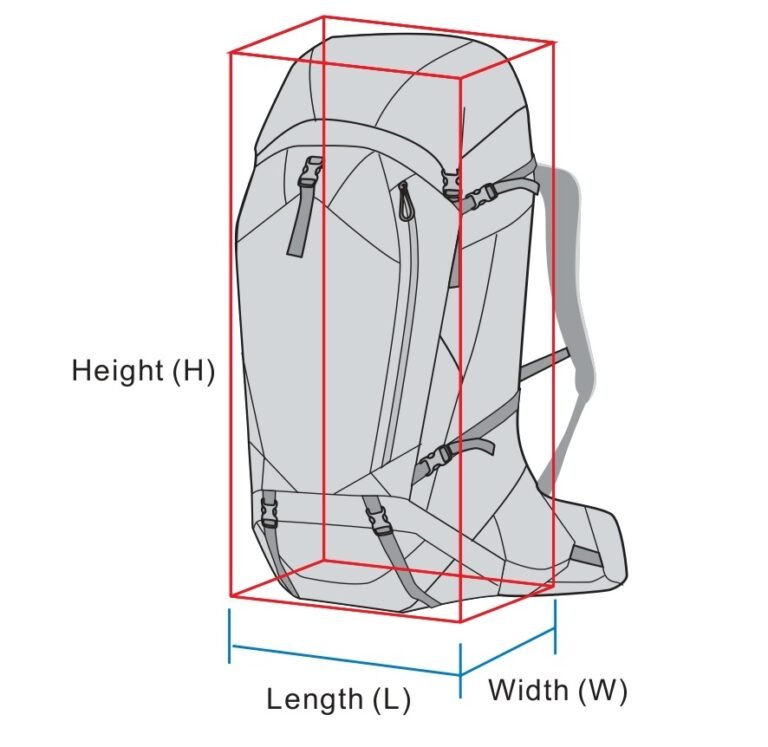
Learn how backpacks are measured using dimensions, volume, liters, and fit measurements. This guide explains length, width, height, capacity, and how to choose the right backpack size.
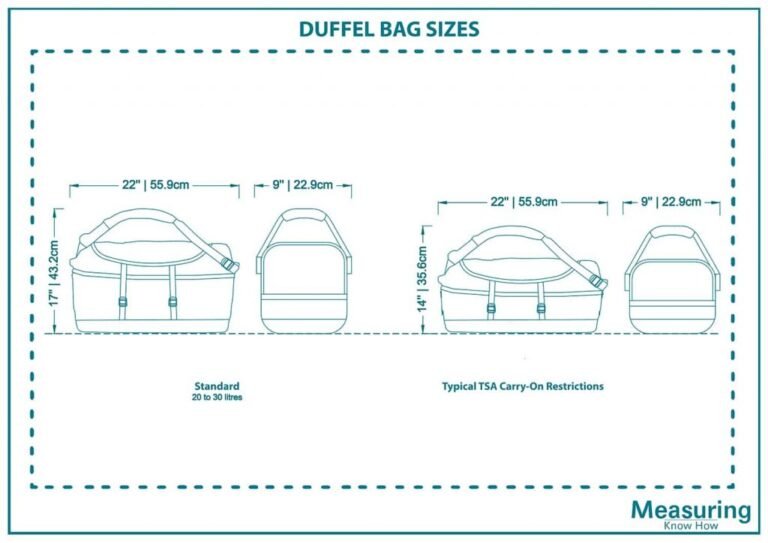
Learn how much stuff you can fit in a duffel bag, including clothing, shoes, travel gear, and everyday items. Compare duffel bag sizes, capacity limits, and packing tips.
Learn How Much Does a Suitcase Cost in the USA, including budget, mid-range, and premium price ranges, factors that affect cost, and tips for choosing the right luggage.