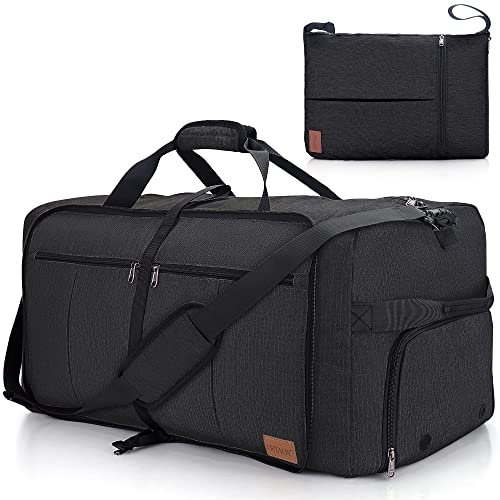
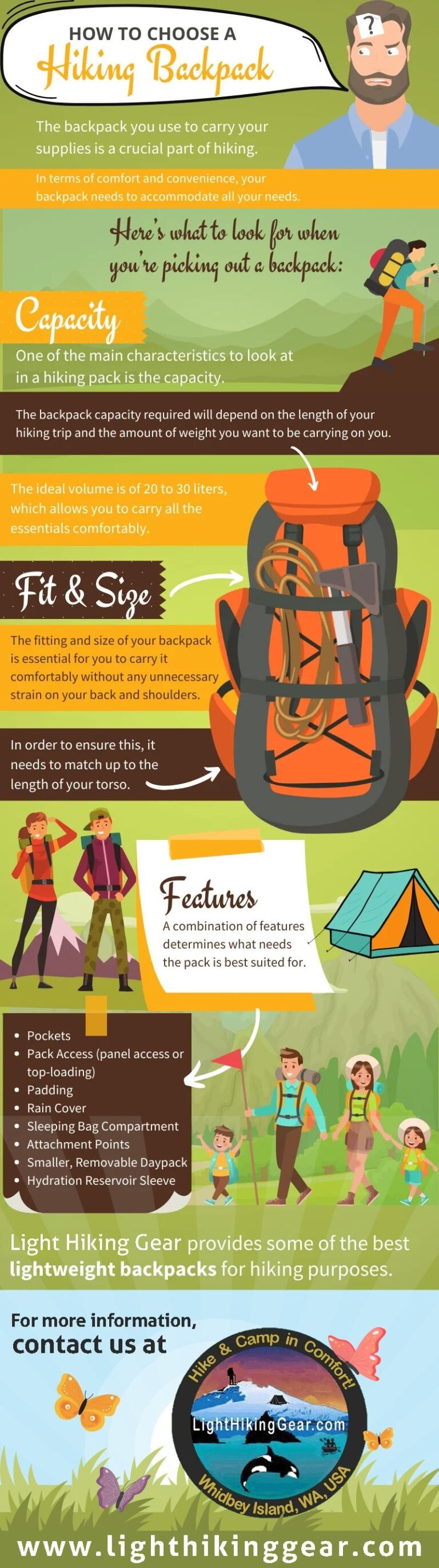
A standard carry on bag usually holds about 30 to 45 liters, with many airline-approved cabin bags falling near 35 to 40 liters depending on their dimensions and design.
For travelers flying from airports in the United States, the most practical way to judge a carry on bag is by both its external dimensions and its internal capacity. Airlines usually publish size limits in inches rather than liters, so a bag that fits the airline rules may have different usable space depending on its shape, frame, pockets, and construction.
Liter capacity is a measurement of volume, not a guarantee of how much you can pack. A 40 liter carry on backpack and a 40 liter rolling suitcase may organize clothing and equipment differently. Understanding the relationship between liters, dimensions, and airline restrictions helps travelers choose a bag that fits their trip.
Source: a.storyblok.com
What Is the Typical Liter Capacity of a Carry On Bag?
A typical carry on bag has a capacity of approximately 30 to 45 liters. Smaller personal travel bags may hold less, while larger cabin bags designed around airline maximum dimensions may approach the upper end of this range.
The exact capacity depends on whether the bag is a backpack, soft-sided suitcase, hard-shell roller, or expandable model. Two bags with similar outside measurements can have different usable liters because of wheels, handles, padding, and internal compartments.
Source: outoria.com
Small carry on bags
Usually around 20 to 30 liters and better suited for short trips or minimalist packing.
Standard carry on bags
Often around 30 to 45 liters and commonly used for weekend trips or several days of travel.
Large cabin bags
May reach about 45 liters but must still stay within airline size limits.
How Many Liters Do Airlines Allow for Carry On Bags?
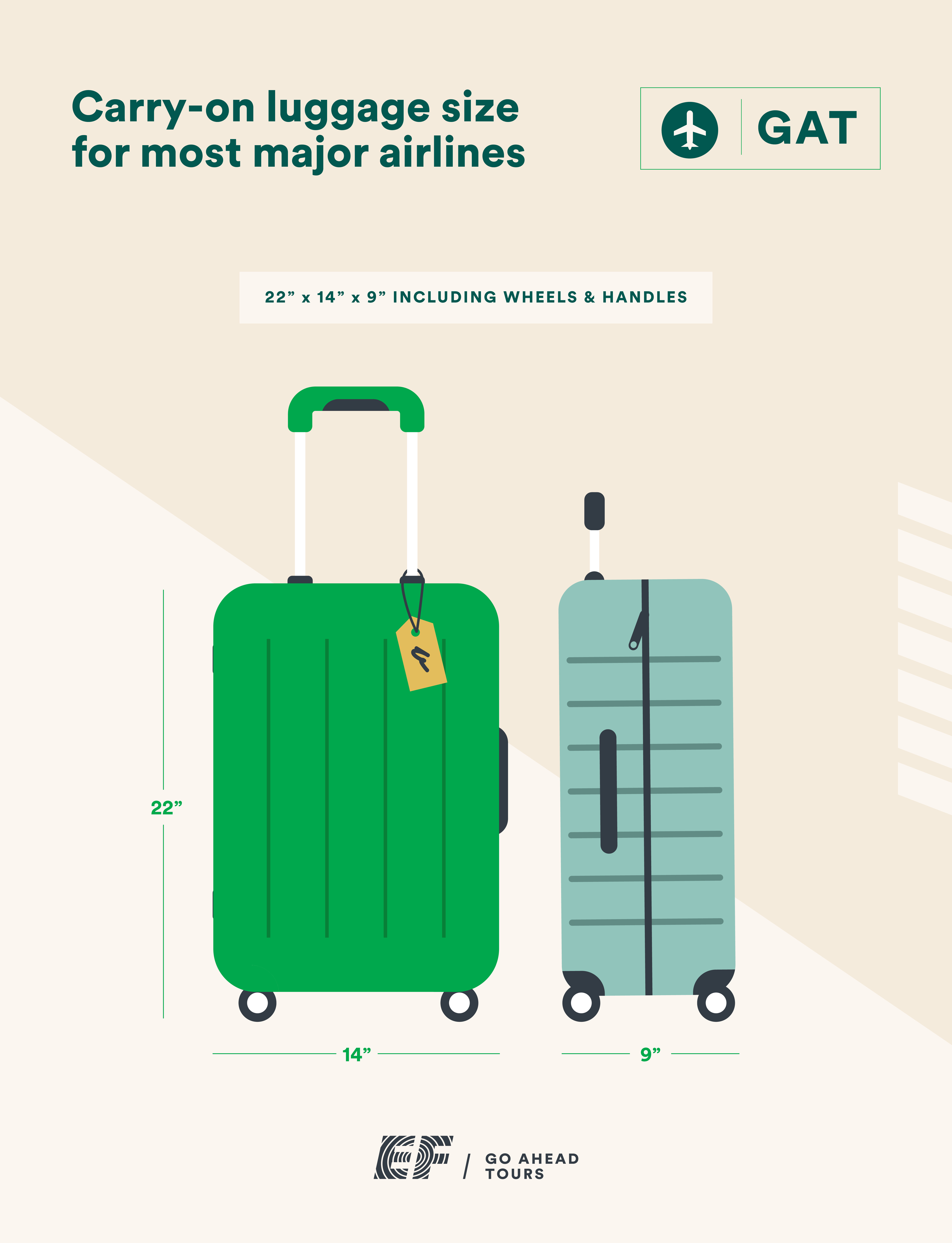
Most airlines do not set a liter limit for carry on bags. Instead, they measure the outside dimensions, usually as length, width, and height. In the United States, many major airlines use limits close to 22 x 14 x 9 inches for standard carry on luggage, but rules vary by airline and fare type.
A bag’s liter rating should be treated as a planning measurement rather than a replacement for checking airline requirements. A high-capacity bag that exceeds the allowed dimensions may need to be checked.
Source: cloudfront.ojcommerce.com
Check dimensions first
Confirm the airline’s maximum height, width, and depth before buying or packing.
Consider bag shape
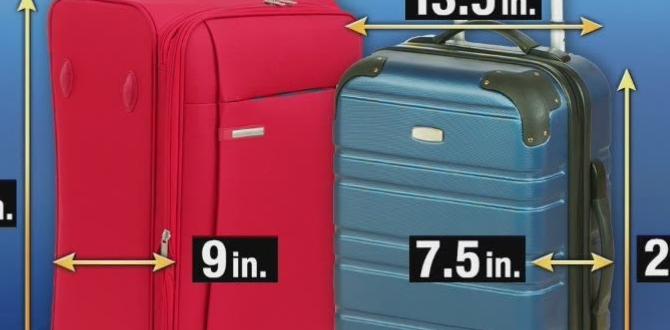
Rigid structures and wheels reduce the amount of usable interior space compared with the same external size.
How to Calculate the Liters of a Carry On Bag
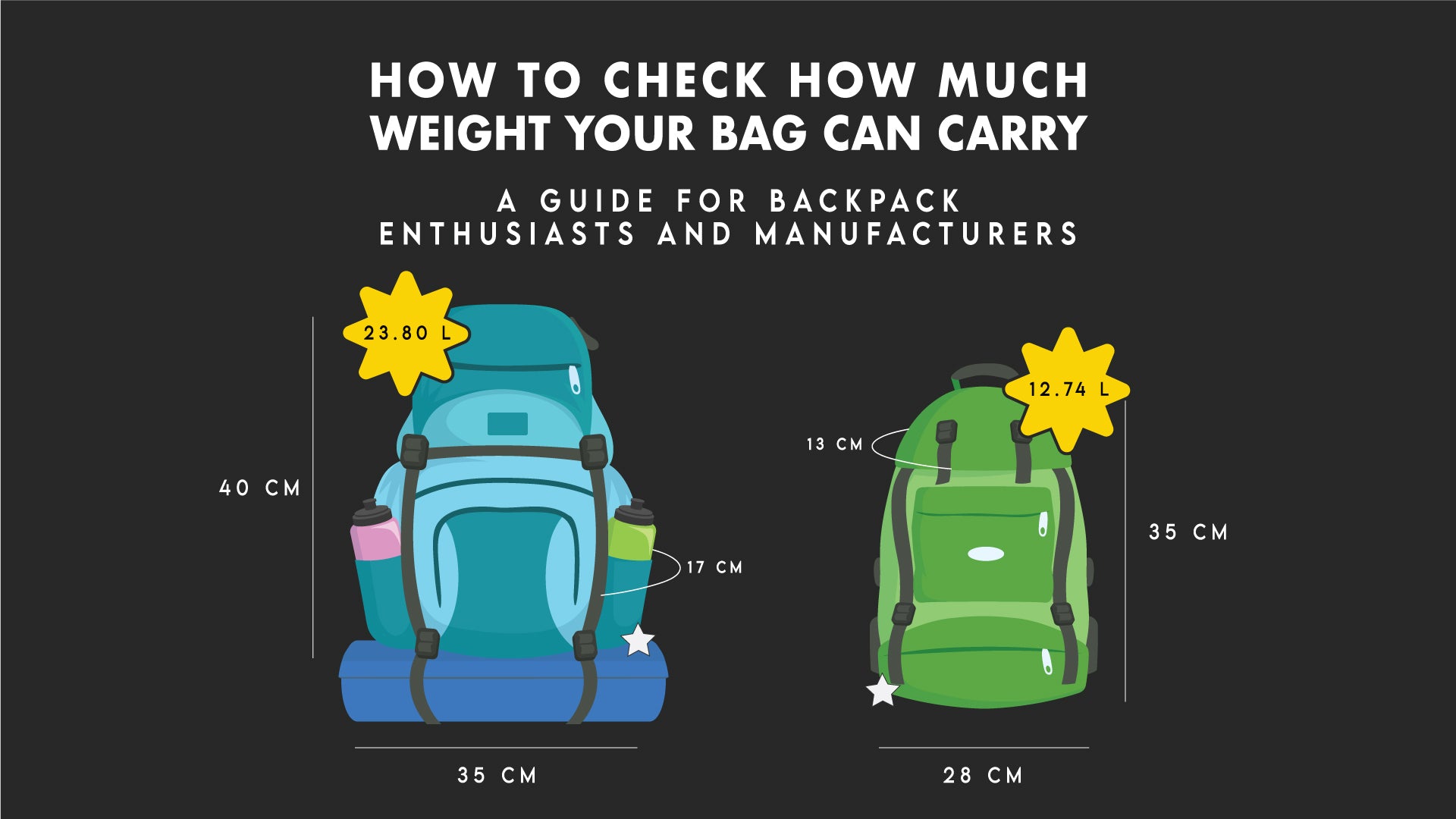
You can estimate a bag’s capacity by multiplying its internal length, width, and height measurements, then converting the result to liters. One liter equals 1,000 cubic centimeters.
For example, a hypothetical bag with internal measurements of 50 cm by 35 cm by 25 cm has a volume of 43,750 cubic centimeters, which equals about 43.75 liters before accounting for pockets, padding, and structure.
Source: creaindia.com
Formula
Length in centimeters multiplied by width in centimeters multiplied by height in centimeters, divided by 1,000, gives approximate liters.
Real world adjustment
Actual usable packing space is usually lower than the calculated volume.
What Can You Pack in a 35 to 40 Liter Carry On Bag?
A 35 to 40 liter carry on bag can usually hold clothing, toiletries, electronics, and travel essentials for a short trip when packed efficiently. The exact amount depends on clothing type, weather, and whether the traveler uses packing organizers.
Travelers taking bulky items such as winter clothing, hiking equipment, or large shoes may need more space or a different packing strategy.
Source: logds.com
Short business trip
A 30 to 40 liter bag can often fit several outfits, a laptop, chargers, and personal items.
Longer leisure trip
A larger capacity may help, but airline restrictions remain the deciding factor.
Common Mistakes When Choosing a Carry On by Liter Size
A common mistake is choosing the largest possible liter capacity without checking airline measurements. A larger volume does not always mean better travel performance if the bag becomes difficult to carry or exceeds cabin limits.
Another mistake is comparing liters from different bag categories without considering design differences. A backpack and roller suitcase with the same stated capacity may feel very different during use.
Source: tripsavvy.com
Ignoring airline rules
Always compare the bag dimensions with the airline policy before traveling.
Packing without testing
Pack the bag before departure to confirm weight, comfort, and organization.
Frequently Asked Questions
Q
Is a 40 liter bag a carry on?
A 40 liter bag can often work as a carry on if its external dimensions meet the airline’s cabin baggage requirements. The liter number alone does not determine approval.
Q
Is a 30 liter backpack big enough for a carry on?
A 30 liter backpack may be enough for short trips, especially for travelers who pack lightly. It may provide less space than a typical full-size carry on suitcase.
Q
How many liters is a 22 x 14 x 9 inch carry on?
A 22 x 14 x 9 inch bag has a theoretical external volume of about 45 liters, but the usable interior capacity is usually lower because of wheels, handles, and construction.
Q
Does a higher liter capacity mean a better carry on bag?
Not always. The best carry on depends on airline compatibility, organization, durability, comfort, and the amount of gear you need to bring.
Q
What is the best carry on liter size for most travelers?
For many travelers, a bag in the 35 to 40 liter range offers a useful balance between packing space and cabin compatibility, but airline rules should always be checked first.
✦ Wrapping Up
Conclusion
A carry on bag is typically between 30 and 45 liters, with many common cabin bags falling near 35 to 40 liters. However, airlines usually judge carry on eligibility by external dimensions rather than liters.
Before choosing a bag, compare its measurements with your airline’s rules, consider your packing habits, and select a capacity that fits your travel needs without creating unnecessary bulk.
💡 Key Takeaway
Choose a carry on around 35 to 40 liters as a practical starting point, then confirm the bag dimensions against your airline’s current carry on requirements.
Compare the best large travel duffel bag options for road trips, camping, sports, and checked-airline travel. See capacity, rolling designs, storage features, and buying advice.
Learn how to choose a hiking backpack based on trip length, capacity, fit, comfort, materials, and features. Use this practical guide to find the right pack for day hikes, overnight trips, and backpacking.