Choose a hiking backpack by matching its capacity, fit, suspension system, and features to your trip length, body size, terrain, and gear load.
For hikers in the United States, the right backpack depends mainly on the type of trips you plan to take, from short day hikes in national parks to multi-day backpacking routes on trails such as the Appalachian Trail or Pacific Crest Trail. A larger pack is not automatically better because carrying unnecessary volume and weight can reduce comfort and efficiency.
A hiking backpack should fit your torso length, support the load through a comfortable hip belt, and provide enough storage for essential gear, food, water, and safety equipment. The best choice balances capacity and comfort rather than focusing on one feature alone.
The correct backpack size is determined by capacity, usually measured in liters, and should match the length of your trip. Day hikers generally need less space than backpackers carrying tents, sleeping systems, and cooking equipment.
Capacity recommendations are flexible because packing style, climate, and equipment size affect how much space you need. A minimalist backpacker may use a smaller pack than someone carrying traditional camping equipment.
Source: backpackersland.com
Day hikes
Packs around 10 to 30 liters are commonly suitable for carrying water, snacks, extra clothing, rain protection, navigation tools, and basic safety items.
Overnight trips
Packs around 30 to 50 liters often provide space for sleeping gear, extra layers, food, and lightweight shelter systems.
Multi-day backpacking
Packs around 50 to 70 liters may be useful when carrying larger loads, additional food, or equipment for longer routes.
Consider your typical gear load
Before choosing a backpack, make a list of the equipment you normally carry. Bulky sleeping bags, traditional tents, extra clothing, or cold-weather gear may require more volume than lightweight summer equipment.
Avoid unnecessary capacity
A pack with too much unused space can encourage overpacking and may add unnecessary weight.
Measure Your Body and Find the Correct Backpack Fit
A hiking backpack should fit your body, not just your height. The most important measurement is torso length because it determines how the shoulder straps and hip belt position the load.
A properly fitted pack transfers much of the weight to your hips instead of placing all pressure on your shoulders. This can improve comfort during long hikes and reduce strain.
Source: gotonationalparks.com
Measure torso length
Measure from the base of your neck to the top of your hip bones to compare with a manufacturer’s sizing guide.
Adjust the hip belt
The hip belt should sit comfortably around your hip bones and support the majority of the backpack load.
Check shoulder strap position
Shoulder straps should wrap comfortably without leaving large gaps or creating pressure points.
Signs a backpack fits correctly
A good fit feels stable when walking, keeps the load close to your body, and does not create pain or rubbing after normal movement.
Test with weight
Try the backpack with a realistic load before a long trip to identify uncomfortable pressure points.
Choose Backpack Features Based on Hiking Conditions
Backpack features should solve problems you expect to encounter on the trail. Extra pockets, access points, and attachments can be useful, but additional features may increase weight and complexity.
Think about the environments where you usually hike. Hot climates, wet conditions, rocky terrain, and long-distance routes can require different designs.
Source: jhl-outdoor-recreation.com
Ventilation
Back panels designed to improve airflow can help reduce moisture buildup during warm-weather hikes.
Weather protection
Water-resistant materials or a rain cover can help protect gear during wet conditions, although most backpacks are not completely waterproof.
Storage organization
Accessible pockets for water bottles, maps, snacks, and frequently used items can make trail use easier.
Match features to your activities
A day hiker may prioritize lightweight construction and quick access, while a backpacker may need stronger support, larger capacity, and better load management.
Do not pay for unused features
Choose features that support your actual trips instead of adding weight for options you rarely use.
Compare Backpack Materials, Weight, and Durability
The ideal backpack material depends on how often you hike and the conditions you expect. Durable fabrics may handle frequent use and rough environments, while lightweight designs can reduce carrying effort.
There is usually a trade-off between durability, weight, and price. A lighter backpack may require more careful use, while a heavier pack may provide additional abrasion resistance.
Source: storage.googleapis.com
Frequent hikers
Regular trail users may benefit from durable construction that can handle repeated exposure to outdoor conditions.
Occasional hikers
Casual hikers may prefer a simpler pack that provides the necessary comfort without extra technical features.
Long-distance backpackers
Weight becomes increasingly important on extended trips because every additional item is carried for many miles.
Balance weight and durability
The best balance depends on your hiking goals. A backpack should be strong enough for your expected use while avoiding unnecessary weight.
Inspect construction
Look at stitching, zippers, straps, and support components because these areas affect long-term reliability.
Avoid Common Mistakes When Buying a Hiking Backpack
Many backpack problems come from choosing based only on appearance or capacity. A backpack that looks suitable may still be uncomfortable if it does not match your body measurements or hiking needs.
Testing the pack with weight and understanding your typical trips can prevent many buying mistakes.
Source: camotrek.com
Buying too large
A larger backpack may encourage carrying unnecessary items and create a heavier load.
Ignoring fit
Even a high-quality backpack can feel uncomfortable if the torso length and suspension system do not match your body.
Skipping a loaded test
A backpack may feel comfortable empty but behave differently when carrying hiking equipment.
What to do if your backpack feels uncomfortable
First adjust the hip belt, shoulder straps, and load position. If discomfort continues, the pack size or design may not match your body or activity.
Reevaluate the fit
Check measurements again and compare them with the backpack manufacturer’s sizing information.
Frequently Asked Questions
Q
What size hiking backpack do most beginners need?
Many beginners find that a 20 to 30 liter backpack works well for day hikes because it provides space for water, food, clothing layers, and basic safety gear without unnecessary bulk.
Q
How should a hiking backpack fit?
A hiking backpack should match your torso length, sit securely on your hips, and keep the load stable close to your body. Shoulder straps should support the pack without carrying all the weight.
Q
Is a waterproof hiking backpack necessary?
Most hikers do not need a completely waterproof backpack. Many use water-resistant materials, rain covers, or waterproof liners to protect important equipment during wet conditions.
Q
Should I choose a lightweight backpack or a durable backpack?
The better option depends on your hiking style. Frequent and demanding trips may justify more durable materials, while shorter hikes may benefit from a lighter design.
Q
Can I use a regular backpack for hiking?
A regular backpack can work for short, simple walks, but hiking backpacks usually provide better support, ventilation, load distribution, and outdoor-specific features.
✦ Wrapping Up
Conclusion
Choosing a hiking backpack starts with understanding your trips, measuring your fit, and selecting a capacity that matches your equipment. The right backpack should carry your essentials comfortably while avoiding unnecessary weight.
Before buying, consider where you hike, how much gear you carry, and how the backpack feels when loaded. A well-fitted pack can make long days on the trail more comfortable and efficient.
💡 Key Takeaway
Choose your hiking backpack by matching trip length, gear volume, and body fit first, then select features that support the conditions you actually hike in.
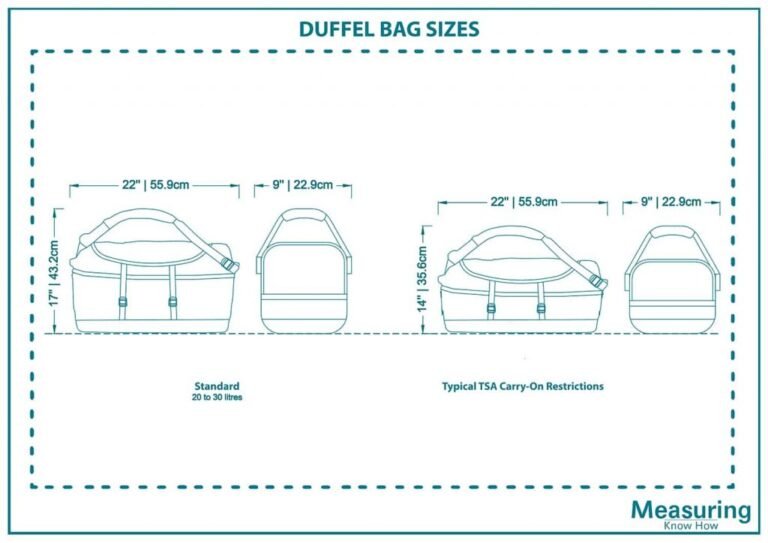
Learn how much stuff you can fit in a duffel bag, including clothing, shoes, travel gear, and everyday items. Compare duffel bag sizes, capacity limits, and packing tips.
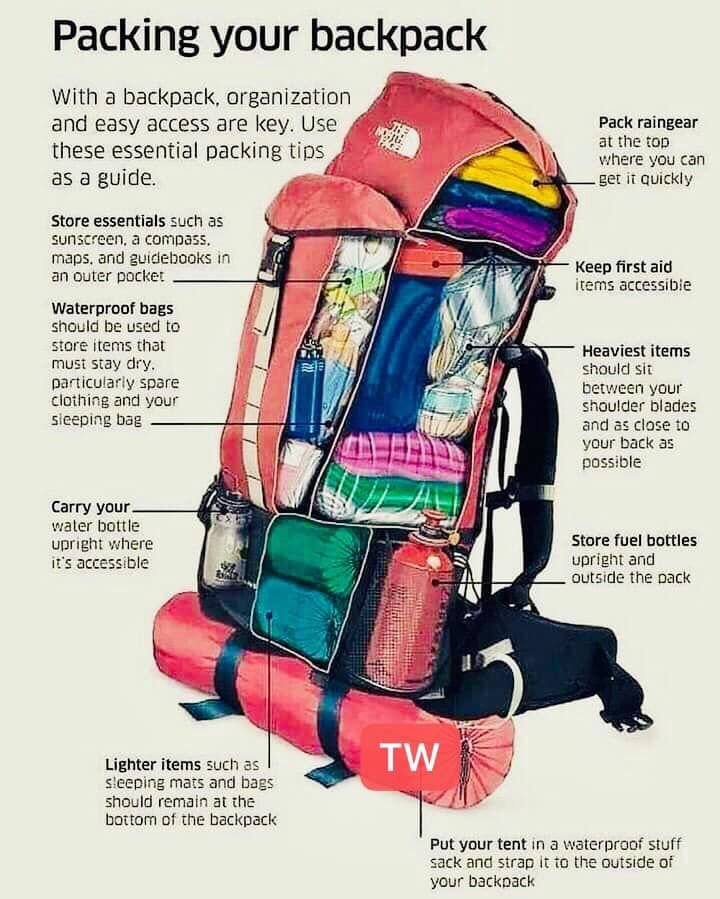
Learn How to Pack a Backpack for Air Travel with practical steps for weight balance, organization, airline rules, security checks, and efficient carry-on packing.
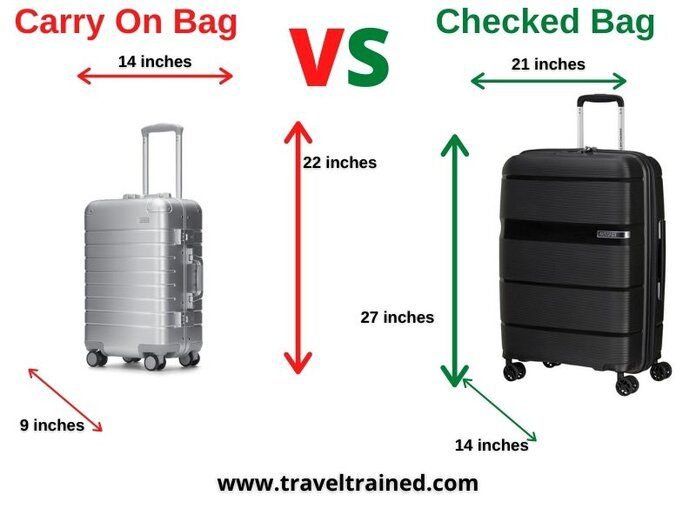
Learn How Many Pounds Can My Checked Bag Be, including common airline weight limits, overweight fees, exceptions, and tips to avoid extra charges before your flight.