A normal everyday backpack is usually between 15 and 30 liters, with common dimensions around 16 to 20 inches tall, 10 to 14 inches wide, and 5 to 9 inches deep. The right size depends on whether you need it for school, work, commuting, or travel.
In the United States, a standard backpack is most often used for daily activities such as carrying school supplies, a laptop, work documents, personal items, or light travel gear. Most everyday backpacks fall into the medium-size category because they provide enough room for essentials without becoming bulky or difficult to carry.
Backpack size is measured in two main ways: physical dimensions and volume capacity in liters. A backpack that looks similar in size can hold different amounts depending on its shape, compartments, padding, and design. Checking both measurements helps you choose a bag that matches your actual needs.
A normal backpack usually refers to an everyday backpack designed for general-purpose use. Most standard backpacks have a capacity of about 15 to 30 liters, making them suitable for carrying books, electronics, clothing layers, water bottles, and personal belongings.
For many people in the United States, a backpack around 20 to 25 liters is the most common middle ground. It provides enough storage for daily essentials while remaining comfortable for commuting, classrooms, offices, and casual outings.
Source: www.potterybarnkids.com
Small everyday backpack
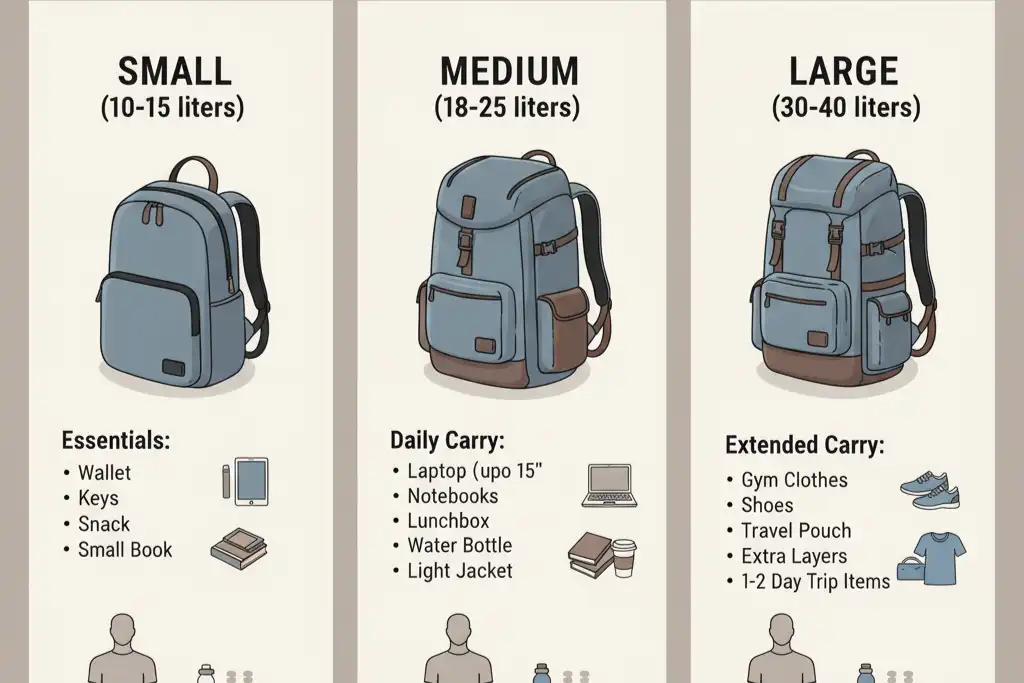
Usually 10 to 19 liters and best for light carrying, such as a tablet, small notebook, snacks, and personal items.
Standard backpack
Usually 20 to 30 liters and suitable for school, work, commuting, and general daily use.
Large backpack
Usually 30 liters or more and designed for travel, outdoor activities, or carrying extra equipment.
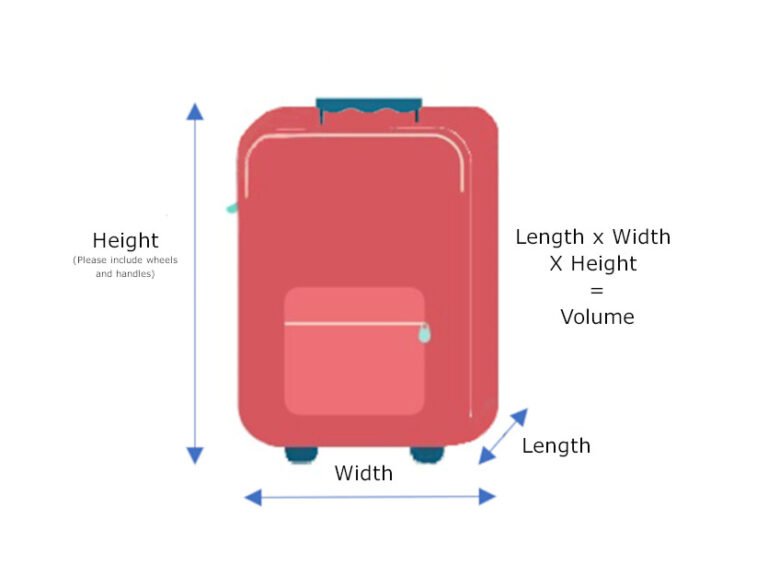
Typical Dimensions of a Normal Backpack
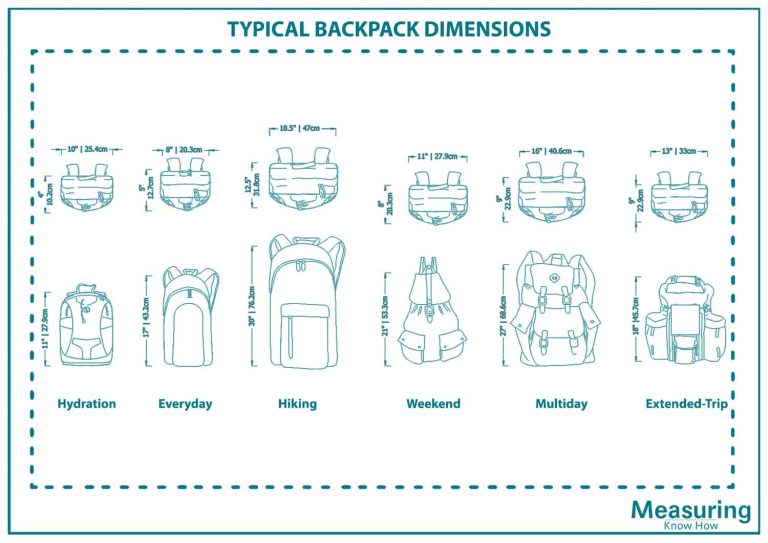
A common medium backpack is approximately 16 to 20 inches tall, 10 to 14 inches wide, and 5 to 9 inches deep. Actual measurements vary because manufacturers design backpacks differently for children, adults, laptops, and specialized activities.
Height
The vertical measurement affects whether the backpack can hold folders, notebooks, laptops, or larger items.
Width
The width determines how much side-to-side storage is available for books, clothing, and accessories.
Depth
The depth affects storage volume and how bulky the backpack feels when worn.
How Many Liters Is a Standard Backpack?
Most standard backpacks are between 20 and 30 liters. Backpack manufacturers use liters to describe the total internal volume, which makes it easier to compare bags with different shapes.
A liter rating does not show exactly how much a backpack will hold because compartments, padding, and pockets reduce usable space. A 25-liter backpack with thick laptop protection may hold fewer items than a simpler 25-liter bag.
Source: storage.googleapis.com
15 to 20 liters
Good for light daily carry, tablets, small laptops, and minimal personal items.
20 to 30 liters
A common range for students, office workers, commuters, and everyday users.
30 to 40 liters
Better for longer trips, extra clothing, or users who need more storage.
What Fits in a 20 to 25 Liter Backpack?
A 20 to 25 liter backpack can typically carry a laptop or tablet, notebooks, chargers, a water bottle, headphones, a lunch container, and small personal items. The exact amount depends on the backpack layout and the size of each item.
School use
Often enough for textbooks, notebooks, school supplies, and a laptop depending on the grade level.
Work use
Usually suitable for a laptop, documents, accessories, and commuting essentials.
How to Choose the Right Normal Backpack Size
The best backpack size depends on what you carry every day. Instead of choosing based only on appearance, list your regular items and compare them with the backpack’s capacity and dimensions.
A backpack should hold your essentials without forcing you to overfill it. A properly sized backpack distributes weight more comfortably and reduces unnecessary strain from carrying excess items.
Source: etp.rapidoz.de
For students
Choose a size that fits books, folders, school supplies, and any required electronics without excessive unused space.
For office workers
Look for enough room for a laptop, charger, documents, and personal items.
For commuters
Consider weather gear, lunch containers, water bottles, and transportation needs.
For travel
A larger capacity may be useful for clothing and longer trips, but airline limits and carrying comfort should be considered.
Common Backpack Size Mistakes
Many people choose backpacks that are either too small for their daily items or much larger than necessary. A larger backpack may encourage carrying extra weight that is not needed.
Ignoring dimensions
A liter measurement alone does not show whether a laptop, folder, or specific item will fit.
Buying only by appearance
A stylish backpack may not have the compartments or capacity required for daily use.
Normal Backpack Size Comparison Table
The following comparison shows common backpack categories and their typical uses. These ranges are general guidelines because backpack designs vary by manufacturer.
Source: storage.googleapis.com
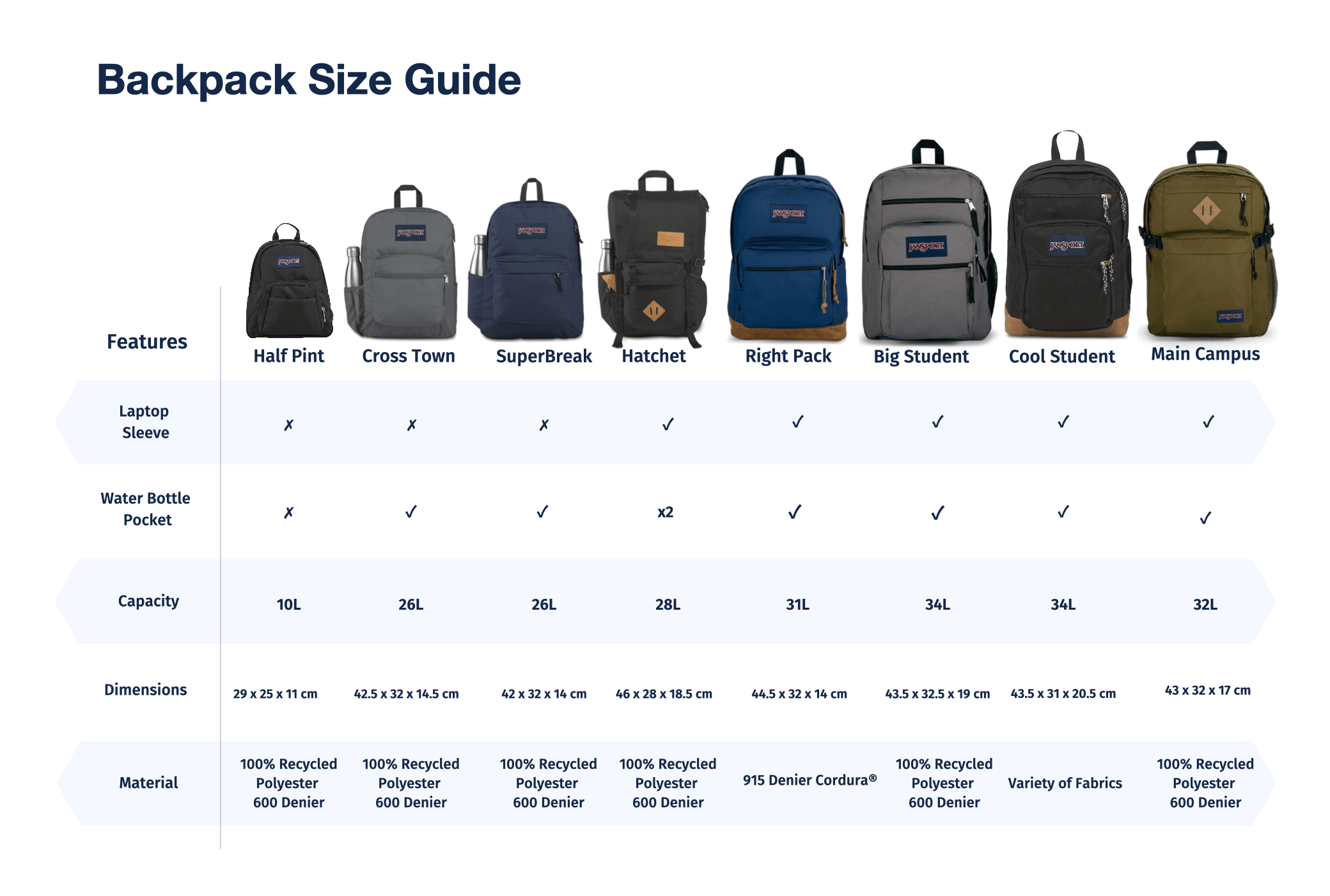
Small backpack: 10 to 19 liters
Best for lightweight carrying such as daily essentials, tablets, and personal items.
Medium backpack: 20 to 30 liters
The most common size for school, work, and everyday activities.
Large backpack: 30 to 50 liters
Designed for travel, outdoor use, or carrying additional equipment.
When a Normal Backpack May Not Be Enough
A standard backpack may not be suitable if you regularly carry bulky equipment, multiple changes of clothing, specialized tools, or large outdoor gear. In these situations, a larger backpack designed for the activity may be more practical.
Outdoor activities
Hiking and camping often require specialized backpacks with different support systems.
Extended travel
Longer trips may require more capacity than a typical daily backpack provides.
Frequently Asked Backpack Size Considerations
Choosing the correct backpack size requires balancing storage needs, comfort, and the items you actually carry. The biggest backpack is not always the most useful option.
Source: exyajiwhk.blob.core.windows.net
Measure important items first
Check laptop, folder, or equipment dimensions before choosing a backpack.
Consider daily habits
Your normal routine determines whether a small, medium, or large backpack is appropriate.
Backpack Size and Comfort
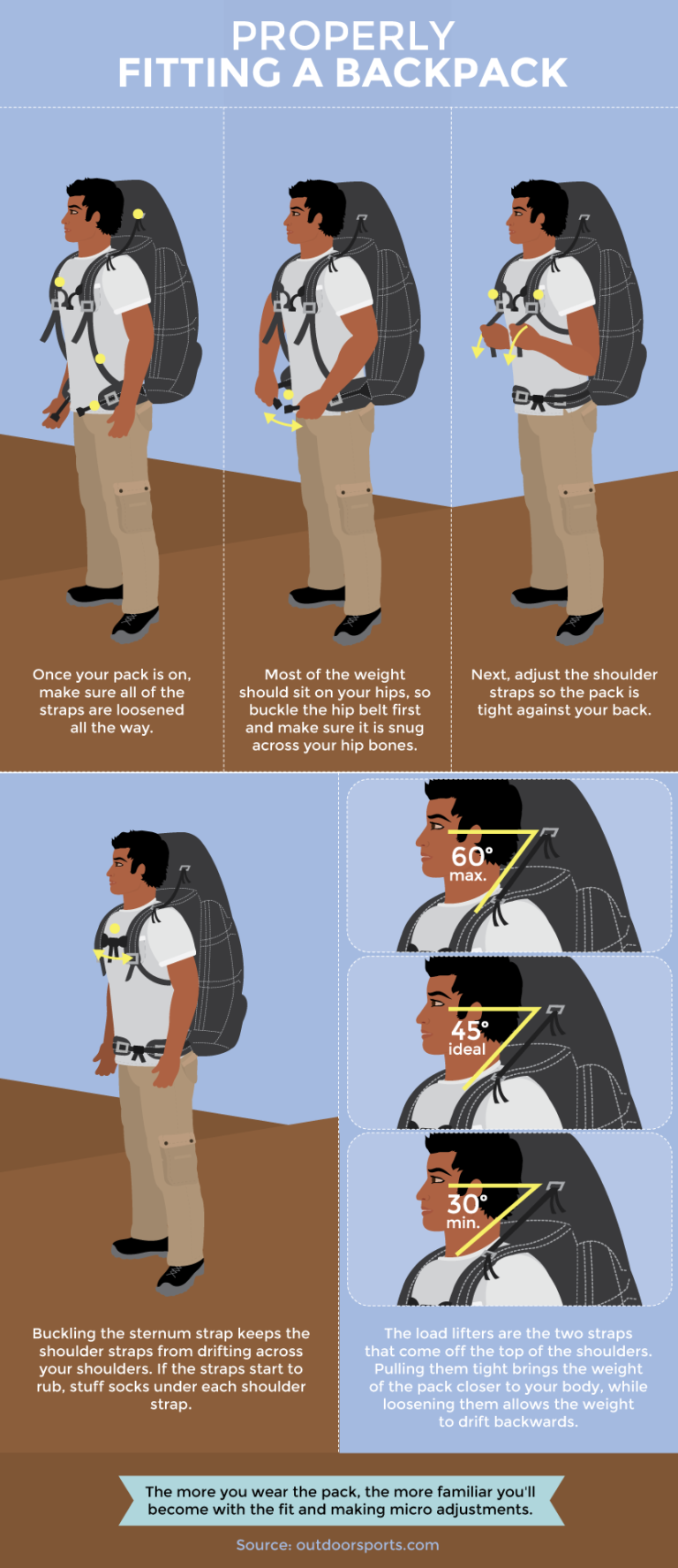
A properly sized backpack should sit comfortably on your back with adjustable straps that allow the weight to be distributed evenly. Comfort depends on fit, padding, and how much weight is carried.
Weight control
Avoid filling unused space with unnecessary items simply because the backpack is large.
Frequently Asked Questions
Q
What is the most common backpack size?
The most common everyday backpack size is around 20 to 25 liters. This size usually provides enough room for school, work, commuting, and personal items.
Q
Is a 30 liter backpack too big for everyday use?
A 30 liter backpack is not necessarily too large. It can work well for people who carry extra clothing, larger electronics, lunch containers, or travel items. For minimal daily carry, a smaller backpack may be more comfortable.
Q
What size backpack is good for school?
Many students use backpacks between 15 and 30 liters. The ideal size depends on grade level, textbook requirements, laptop needs, and personal items.
Q
How do I know if my backpack is too small?
A backpack is too small if items do not fit without forcing the zipper closed, if important supplies are left behind, or if the bag lacks the compartments needed for organization.
Q
Are backpack liters more important than dimensions?
Both measurements matter. Liters show overall capacity, while dimensions show whether specific items will physically fit inside the backpack.
✦ Wrapping Up
Conclusion
A normal backpack is generally between 15 and 30 liters, with 20 to 25 liters being a common everyday size in the United States. This range works for many school, office, and commuting needs because it balances storage and portability.
The right backpack size depends on your daily items, not just the bag’s advertised capacity. Checking both liters and physical dimensions helps you avoid choosing a backpack that is too small or unnecessarily large.
💡 Key Takeaway
Before buying a backpack, make a list of what you carry daily and choose a size that fits those items comfortably with a small amount of extra space.
Learn how a backpack should fit for comfort, support, and safety. Discover proper strap adjustment, hip belt positioning, sizing tips, and common backpack fitting mistakes.
Learn how to measure a suitcase correctly using length, width, and height measurements. This guide explains airline size limits, common mistakes, and practical tips for checking luggage dimensions.