
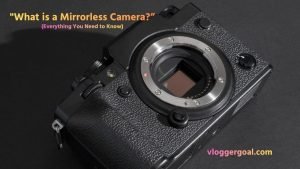
In recent years, mirrorless cameras have become one of the most popular choices for photographers and content creators. Whether you are a beginner learning photography or a professional looking for a lightweight yet powerful camera, mirrorless technology offers a modern alternative to traditional DSLR systems.
But what exactly is a mirrorless camera, and how does it differ from other types of cameras? Simply put, a mirrorless camera is a digital camera that captures images without using a mirror mechanism like a DSLR. Instead, it relies on an electronic viewfinder or LCD screen to show a real-time preview of your shot.
In this guide, we’ll explain what a mirrorless camera is, how it works, and why it has become such a popular choice among photographers. By the end, you’ll have a clear understanding of whether a mirrorless camera is the right option for your photography needs.
What is a mirrorless camera and how does it work
A mirrorless camera is a type of digital camera that captures images without using the internal mirror mechanism found in traditional DSLR cameras. Instead of reflecting light through a mirror and optical viewfinder, a mirrorless camera allows light to pass directly through the lens onto the image sensor.
The sensor then sends a live digital preview to the camera’s LCD screen or electronic viewfinder (EVF). Because there is no bulky mirror system inside, mirrorless cameras are usually smaller, lighter, and more compact, making them a popular choice for travel, everyday photography, and video recording.
Mirrorless cameras work by using the lens to focus light directly onto a digital image sensor. When you press the shutter button, the sensor captures the light and converts it into a digital image. At the same time, the camera processes the image using its internal processor to adjust color, exposure, and sharpness.
Unlike DSLRs, which require the mirror to flip up during shooting, mirrorless cameras have fewer moving parts, allowing for faster shooting speeds and quieter operation. This makes them especially useful for action photography, wildlife shots, and video recording.
Another important feature of mirrorless cameras is the electronic viewfinder or LCD display, which shows a real-time preview of your photo before you take it. This means you can see changes in brightness, color, and focus instantly, helping you capture better images with less guesswork.
Many modern mirrorless cameras also include advanced autofocus systems, image stabilization, and high-resolution video capabilities, making them a versatile tool for both beginners and professional photographers.
Advantages of Using a Mirrorless Camera
Mirrorless cameras have quickly become a popular choice among photographers and videographers due to their modern technology and versatile performance. Unlike traditional DSLR cameras, mirrorless models are designed without a mirror mechanism, allowing them to be more compact and efficient.
Smaller and More Portable
One of the biggest advantages of using a mirrorless camera is its compact and lightweight design. Without the bulky mirror and optical viewfinder found in DSLRs, mirrorless cameras are easier to carry and store. This makes them perfect for travel photography, street photography, and everyday use.
Fast and Accurate Autofocus
Mirrorless cameras often feature advanced autofocus systems that are fast and precise. Many models include features such as face detection and eye tracking, which help keep subjects sharp and in focus. This is especially useful for portrait photography, sports photography, and capturing moving subjects.
Real-Time Exposure Preview
Another major advantage of mirrorless cameras is the ability to see a real-time preview of your image before taking the shot. The electronic viewfinder or LCD screen shows how changes in settings like brightness, ISO, and shutter speed will affect the photo.
Silent Shooting Capability
Mirrorless cameras can operate in a silent or near-silent shooting mode because they do not rely on a moving mirror. This makes them ideal for quiet environments such as weddings, meetings, or wildlife photography.
High-Quality Images
Despite their smaller size, mirrorless cameras deliver excellent image quality. They are equipped with powerful sensors that capture sharp details, vibrant colors, and good performance in low-light conditions.
Excellent Video Performance
Mirrorless cameras are widely known for their strong video capabilities. Many models support high-resolution video recording and advanced features like image stabilization and fast autofocus during filming.
Faster Continuous Shooting
Mirrorless cameras often provide faster continuous shooting speeds compared to traditional cameras. This allows photographers to capture multiple frames per second, which is useful for action photography and sports events.
Modern Technology and Features
Mirrorless cameras typically include the latest camera technologies, such as advanced autofocus modes, wireless connectivity, and touchscreen controls. These features make mirrorless cameras easier to use and more convenient for modern photographers who want quick access to their photos and settings.
Versatile Lens Options
Mirrorless cameras support interchangeable lenses, allowing photographers to choose the right lens for different situations. Whether shooting landscapes, portraits, or distant subjects, users can switch lenses to match their needs. This flexibility makes mirrorless cameras suitable for a wide range of photography styles.
These advantages make mirrorless cameras an excellent choice for anyone looking for a modern, lightweight, and powerful camera system.
Disadvantages of Mirrorless Cameras Explained
Mirrorless cameras are known for their compact size, advanced features, and excellent image quality, making them a popular choice for photographers and videographers. Understanding the disadvantages of mirrorless cameras can help you make a more informed decision and choose the right camera for your needs.
Shorter Battery Life
One of the most common disadvantages of mirrorless cameras is their shorter battery life compared to DSLR cameras. Mirrorless cameras rely heavily on electronic displays such as the LCD screen and electronic viewfinder, which consume a significant amount of power.
Higher Initial Cost
Mirrorless cameras can sometimes be more expensive than entry-level DSLR cameras, especially when purchasing newer models with advanced features. In addition to the camera body, users often need to invest in lenses and accessories, which can increase the overall cost.
Limited Lens Selection
Although mirrorless camera lens options have improved significantly, some brands still offer fewer native lenses compared to traditional DSLR systems. This can make it more challenging to find specific lenses, especially specialized ones like super-telephoto or macro lenses.
Electronic Viewfinder Limitations
Mirrorless cameras use an electronic viewfinder instead of an optical one. While electronic viewfinders provide a real-time preview of the image, some photographers may notice a slight delay or reduced clarity in certain lighting conditions.
Overheating During Long Use
Some mirrorless cameras may experience overheating during extended use, especially when recording high-resolution video. This can cause the camera to shut down temporarily to protect its internal components.
Smaller Grip and Body
Because mirrorless cameras are designed to be compact, they often have smaller grips and bodies. While this improves portability, it may feel less comfortable for photographers with larger hands.
More Frequent Charging
Due to their electronic components and constant live preview, mirrorless cameras typically require more frequent charging. This can be inconvenient when shooting outdoors or in locations where charging options are limited.
Accessory Costs
Mirrorless camera accessories such as extra batteries, external flashes, and specialized lenses can add to the overall cost. Since many users rely on additional accessories for better performance, the total investment can become higher over time.
These disadvantages do not necessarily make mirrorless cameras a bad choice, but they are important factors to keep in mind. By understanding both the pros and cons, you can decide whether a mirrorless camera is the right fit for your photography style and needs.
How Mirrorless Cameras Are Different from DSLR Cameras
Mirrorless cameras and DSLR cameras are both popular choices for photography, but they differ significantly in design, functionality, and performance. The main difference lies in how each camera captures and displays images.
DSLR cameras use a mirror mechanism to reflect light from the lens into an optical viewfinder, allowing photographers to see exactly what the lens sees through a system of mirrors and prisms. In contrast, mirrorless cameras do not have a mirror.
Instead, light passes directly through the lens to the image sensor, and the camera displays a live digital preview on the LCD screen or electronic viewfinder. This fundamental difference affects the size, speed, and features of each camera type.
One of the biggest differences between mirrorless and DSLR cameras is size and weight. Mirrorless cameras are generally smaller and lighter because they lack the internal mirror system found in DSLRs.
This makes mirrorless cameras easier to carry, especially for travel and everyday photography. DSLR cameras, on the other hand, tend to be larger and heavier, which some photographers prefer because the bigger body can feel more balanced when using large lenses.
Another key difference is the viewfinder system. DSLR cameras use an optical viewfinder that shows a direct optical image through the lens, while mirrorless cameras use an electronic viewfinder or LCD screen to display a digital preview.
The electronic viewfinder allows photographers to see real-time changes in exposure, brightness, and color before taking a photo. This can make mirrorless cameras easier for beginners to use, while some professionals still prefer the natural look of an optical viewfinder in DSLRs.
Autofocus performance is also an important difference. Mirrorless cameras often feature advanced autofocus systems with face detection and eye tracking, making them very effective for portraits and moving subjects.
DSLRs also have strong autofocus capabilities, but they typically rely on a separate autofocus sensor when using the optical viewfinder. Mirrorless cameras can focus directly on the image sensor, which often results in faster and more accurate focusing in many situations.
Battery life is another area where these cameras differ. DSLR cameras usually have longer battery life because they do not rely heavily on electronic screens. Mirrorless cameras use electronic displays continuously, which can drain the battery more quickly. As a result, mirrorless users often need to carry extra batteries for longer shooting sessions.
Overall, the main difference between mirrorless and DSLR cameras comes down to technology and design. Mirrorless cameras offer a modern, compact, and feature-rich experience, while DSLR cameras provide a more traditional photography feel with longer battery life and an optical viewfinder. Choosing between the two depends on your photography style, preferences, and specific needs.
Mirrorless Camera vs. DSLR: Which Is Better for Beginners?
Choosing your first serious camera can be exciting but also confusing, especially when comparing mirrorless cameras and DSLR cameras. Both have strong points, but for beginners today, one option often stands out more clearly. Here’s a detailed breakdown to help you decide which system is better suited for your photography journey.
- Ease of Use and Learning Curve
- Mirrorless Cameras: Mirrorless cameras are generally more beginner‑friendly because they show a live digital preview of your photo before you take it. This means you can instantly see how changes in exposure, ISO, and white balance affect your image, which helps you understand camera settings faster.
- DSLR Cameras: DSLRs use an optical viewfinder, so you don’t see exposure changes in real time. Beginners might find this less intuitive until they learn how settings affect the final result. However, DSLRs are straightforward once you understand basic controls.
- Advantage: Mirrorless is easier for beginners who want visual feedback.
- Size, Weight, and Portability
- Mirrorless Cameras: Without the mirror mechanism, mirrorless cameras are typically smaller and lighter. This makes them great for travel, street photography, or casual daily shooting.
- DSLR Cameras: DSLRs tend to be bulkier and heavier, especially with lenses. Some beginners might find them less convenient to carry around.
- Advantage: Mirrorless is more portable and travel‑friendly.
- Autofocus Performance
- Mirrorless Cameras: Most mirrorless systems use on‑sensor autofocus, which is fast and accurate in both stills and video. Features like eye tracking help beginners nail sharp portraits with less effort.
- DSLR Cameras: DSLRs offer reliable autofocus, but their phase‑detect system works best through the optical viewfinder. In live view or video, autofocus can be slower compared to mirrorless models.
- Advantage: Mirrorless cameras have faster autofocus in more situations.
- Battery Life
- Mirrorless Cameras: Because mirrorless cameras depend on electronic screens and viewfinders, they use more power, meaning shorter battery life than DSLRs. Beginners may need to carry spare batteries.
- DSLR Cameras: DSLRs generally offer longer battery life due to lower electronic usage, making them great for all‑day shooting without charging.
- Advantage: DSLRs have better battery life.
- Lens Options and Future Growth
- Mirrorless Cameras: Modern mirrorless brands are rapidly expanding their lens libraries. Sony, Canon, Nikon, Fujifilm, and others now offer many native lenses for beginners and advanced users.
- DSLR Cameras: DSLRs like Canon EOS and Nikon F mounts have decades of lenses available, including many affordable used options. This can be a plus if you want to build a system over time.
- Advantage: DSLR has a broader legacy lens ecosystem (especially for used gear).
- Video Capabilities
- Mirrorless Cameras: Mirrorless models typically outshine DSLRs in video features, offering 4K recording, better autofocus in video, and smooth frame rates perfect for vloggers, YouTubers, and hybrid shooters.
- DSLR Cameras: DSLRs can record quality video, but many older models lack advanced video tools found on mirrorless systems.
- Advantage: Mirrorless, stronger video performance.
Which Is Better for Beginners?
- Ease of Learning: Mirrorless
- Portability: Mirrorless
- Autofocus: Mirrorless
- Battery Life: DSLR
- Lens Variety: DSLR
- Videos: Mirrorless
Overall Recommendation: Mirrorless cameras are generally better for beginners, especially if you want easy-to-understand shooting, strong autofocus, advanced video features, and a lightweight setup.
However, a DSLR can still be a good choice if long battery life and access to a large used lens collection are your priorities.
How Mirrorless Cameras Capture Images
Mirrorless cameras capture images using a simpler and more modern design compared to traditional DSLR cameras. Unlike DSLRs, they do not have a mirror mechanism. In a DSLR, light enters through the lens, hits a mirror, and reflects into an optical viewfinder.
When you press the shutter button, the camera’s sensor records the light and color information for the scene in front of the lens. Mirrorless cameras often use on-sensor autofocus systems, which allow them to quickly detect and track subjects, even in motion.
This direct exposure to the sensor enables faster shooting speeds and fewer moving parts, reducing wear and tear compared to DSLR cameras. Another key aspect is the electronic viewfinder (EVF) or LCD screen, which shows a live preview of the image in real time.
This preview lets photographers see the effects of exposure, white balance, and focus adjustments before taking the shot. Once the sensor captures the image, the camera processes it with its internal software to produce a final photograph, often in high resolution with accurate colors and detail.
In short, mirrorless cameras capture images by letting light fall directly on the digital sensor, processing the data instantly, and providing a live preview to the photographer, making the process fast, accurate, and efficient. This design is why mirrorless cameras are often preferred for high-speed photography, video recording, and compact portability.
Are Mirrorless Cameras Good for Photography?
Yes, mirrorless cameras are excellent for photography, and they have become a preferred choice for both beginners and professional photographers. Thanks to their modern technology, compact design, and advanced features, mirrorless cameras offer outstanding image quality across a wide range of photography styles, including portraits, landscapes, travel, wildlife, and street photography.
One of the main reasons mirrorless cameras are so good for photography is their high-quality image sensors. Many mirrorless cameras come with APS-C or full-frame sensors that capture sharp details, vibrant colors, and excellent low-light performance. This ensures that your photos are clear, detailed, and professional-looking, even in challenging lighting conditions.
Another advantage is portability. Mirrorless cameras are typically lighter and smaller than DSLRs, making them easier to carry around for travel photography, street shoots, or day-long sessions. This portability does not compromise performance, allowing photographers to shoot comfortably without sacrificing image quality.
Finally, many mirrorless cameras offer interchangeable lenses, giving photographers flexibility to experiment with wide-angle, telephoto, macro, and specialty lenses. This versatility ensures that mirrorless cameras can handle nearly any type of photography project.
Overall, mirrorless cameras combine excellent image quality, advanced features, and user-friendly controls, making them a powerful and reliable tool for photography enthusiasts and professionals alike. They are especially well-suited for photographers who value portability, speed, and modern technology in their gear.
Are Mirrorless Cameras Good for Video Recording?
Yes, mirrorless cameras are highly effective for video recording and have become the preferred choice for vloggers, filmmakers, and content creators.
One of the main advantages of mirrorless cameras for video is their high-resolution recording capabilities. Many models support 4K or even 6K video, providing crisp and detailed footage suitable for professional projects. Combined with fast autofocus systems, mirrorless cameras can smoothly track moving subjects, ensuring your video remains sharp without manual adjustments.
Another significant benefit is built-in image stabilization in many mirrorless models. This reduces camera shake when shooting handheld, making your videos appear smoother and more cinematic. Whether you are walking, panning, or filming action scenes, stabilization helps maintain professional-quality footage.
Mirrorless cameras are also lightweight and compact, which is ideal for video creators who need to carry their setup for long periods or shoot in tight spaces. Many cameras support interchangeable lenses, allowing you to switch between wide-angle lenses for vlogs, telephoto lenses for wildlife filming, or macro lenses for close-up shots.
Additionally, modern mirrorless cameras include advanced video features such as slow motion, time-lapse, high frame rates, and professional codecs. Coupled with Wi-Fi or HDMI output options, they make it easy to live stream or connect to external monitors for more precise control.
How to Choose a Mirrorless Camera for Beginners
Choosing your first mirrorless camera can feel overwhelming because of the wide variety of models, features, and price ranges available today. For beginners, it’s important to find a camera that balances ease of use, image quality, and affordability.
The right camera should help you learn photography without being too complicated or expensive while also providing features that allow you to grow as your skills improve. Here’s a detailed guide to help beginners select the perfect mirrorless camera.
Determine Your Photography Needs
Before purchasing a mirrorless camera, think about what type of photography you want to focus on. Are you interested in travel photography, portraits, landscapes, or video content creation? Knowing your primary focus will help you choose a camera with the right features, such as sensor size, autofocus performance, and video capabilities. For example, vloggers might prioritize video recording features, while landscape photographers may look for high-resolution sensors.
Sensor Size Matters
Mirrorless cameras come with different sensor sizes, typically APS-C, full-frame, or Micro Four Thirds. Larger sensors generally produce better image quality, improved low-light performance, and greater depth-of-field control. However, they can make the camera and lenses slightly more expensive and heavier. For beginners, APS-C or Micro Four Thirds cameras offer a good balance between quality, size, and affordability.
Ease of Use and Beginner-Friendly Controls
Look for a camera that has intuitive menus, touchscreen controls, and helpful guide modes. Beginner-friendly cameras often include automatic shooting modes and on-screen tutorials, which make it easier to learn photography basics like exposure, ISO, and shutter speed. A camera that is simple to navigate will help you focus on capturing great images instead of getting lost in complex settings.
Autofocus Performance
Fast and accurate autofocus is essential, especially for beginners who may not have mastered manual focusing yet. Cameras with features like face detection and eye tracking can make portraits and moving subjects much easier to capture. Reliable autofocus ensures that you spend less time adjusting focus and more time taking great shots.
Lens Availability and Compatibility
When choosing a mirrorless camera, consider the availability of lenses. Interchangeable lenses are one of the key advantages of mirrorless cameras, so check whether the brand offers a variety of lenses for different photography styles. Beginners may want to start with a versatile kit lens but should also have the option to expand their system over time.
Video Capabilities
If you plan to record videos in addition to taking photos, choose a camera with good video features, such as 4K recording, image stabilization, and fast autofocus during video. Mirrorless cameras often outperform DSLRs in video recording, making them ideal for vloggers, YouTubers, or content creators.
Portability and Build Quality
Mirrorless cameras are generally more compact than DSLRs, but some models are still bulkier than others. Consider how often you plan to carry the camera and whether you want a lightweight, portable option for travel or outdoor photography. Build quality is also important; a durable camera can handle occasional bumps, dust, or light rain during shoots.
Budget and Value for Money
Finally, consider your budget. Mirrorless cameras range from affordable entry-level models to high-end professional cameras. For beginners, it’s often best to choose a camera that offers good image quality and essential features without overspending on advanced functions you may not yet use. Remember to factor in the cost of lenses, batteries, and accessories when calculating total value.
By considering these factors—your needs, sensor size, ease of use, autofocus, lens options, video capabilities, portability, and budget—beginners can choose a mirrorless camera that will not only help them learn photography quickly but also grow with their skills over time.
FAQs
Can I use a DSLR lens on a mirrorless camera?
Yes, you can often use DSLR lenses on mirrorless cameras with an adapter. However, autofocus performance may be slower, and the setup may feel bulkier than using native mirrorless lenses.
Are mirrorless cameras good for low-light photography?
Many mirrorless cameras perform very well in low light, especially models with APS-C or full-frame sensors, advanced noise reduction, and fast lenses, producing sharp, detailed images even in dim conditions.
Do mirrorless cameras have image stabilization?
Yes, many modern mirrorless cameras include in-body image stabilization (IBIS) or lens-based stabilization, which helps reduce blur caused by hand shake, especially in low-light or video shooting.
Are mirrorless cameras more expensive than DSLRs?
Entry-level mirrorless cameras are comparable in price to DSLRs, but high-end mirrorless models can be more expensive due to advanced technology, compact design, and cutting-edge video features.
Can I shoot fast action with a mirrorless camera?
Yes, mirrorless cameras often have fast continuous shooting speeds and advanced autofocus tracking, making them ideal for sports, wildlife, or any fast-moving subjects.
How do I clean and maintain a mirrorless camera?
Regular maintenance includes cleaning the sensor, lenses, and LCD screen, keeping the camera dry, and storing it properly in a case. Avoid touching the sensor directly, and use proper tools like lens cleaning kits and air blowers.
Conclusion
Mirrorless cameras have revolutionized photography by offering a compact, lightweight, and feature-rich alternative to traditional DSLR cameras. With advanced autofocus, high-quality image sensors, real-time electronic viewfinders, and excellent video capabilities, they are suitable for both beginners and professional photographers.
Whether you are capturing portraits, landscapes, action shots, or videos, mirrorless cameras provide the flexibility and technology to achieve stunning results. While they may have some drawbacks, such as shorter battery life or higher costs for certain models, the benefits of portability, modern features, and ease of use make mirrorless cameras a powerful and versatile choice for today’s photographers.
In short, a mirrorless camera is more than just a camera; it’s a modern tool that combines performance, convenience, and innovation, making it an excellent investment for capturing memories, creating content, and exploring your photography skills.
Recent Posts
Parts of a 35mm Camera: Complete Guide to Every Key Part and Its Function
Learn the parts of a 35mm camera, what each part does, and how the lens, shutter, film chamber, viewfinder, and controls work together.
Parts of a Camera Canon: A Complete Guide to Canon Camera Parts and Functions
Learn the parts of a Canon camera, what each part does, and how the lens, sensor, shutter, controls, viewfinder, and screen work together.